


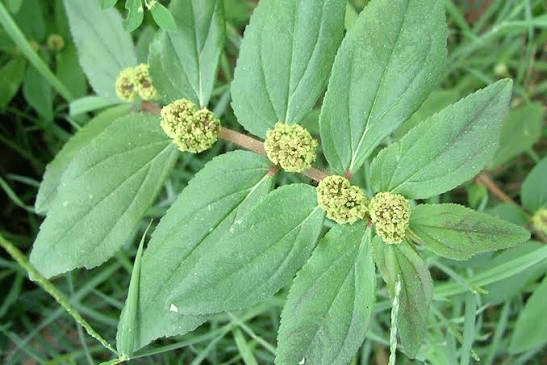
Euphorbia hirta, commonly known as Asthma Plant, Garden Spurge, or Bara Dudi, is a small annual herbaceous plant that belongs to the family Euphorbiaceae. It is native to tropical and subtropical regions and is widely distributed across various countries. Euphorbia hirta has been used for centuries in traditional medicine systems, especially in Asia and Africa, for its potential medicinal properties.
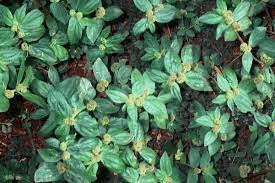
Euphorbia hirta typically grows to a height of around 20-60 cm (8-24 inches) and has a branching stem covered with fine hairs, which give it a hairy appearance. The leaves are simple, alternate, and arranged spirally along the stems.
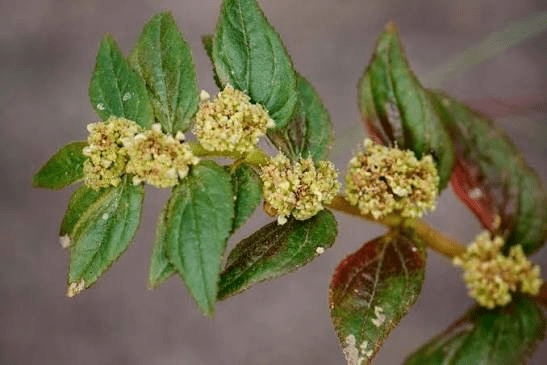
The leaves are elliptical or obovate in shape, and their margins are serrated or toothed.
The plant produces small, inconspicuous flowers that are often green or pale yellow in color. These flowers are unisexual and are borne in cup-like structures called cyathia, which are surrounded by modified leaf structures called bracts.
The fruit of Euphorbia hirta is a three-lobed capsule that contains small, smooth seeds.
Read Also: 10 Medicinal Health Benefits of Coptis chinensis (Chinese Goldthread)
The Medicinal Health Benefits of Euphorbia Hirta (Asthma Plant)
1. Bronchodilation and Respiratory Health: Euphorbia hirta has been traditionally used to alleviate respiratory issues like asthma and bronchitis. Some studies suggest that the plant may have bronchodilatory properties, which could help relax and widen the airways, making it easier to breathe.
2. Anti-inflammatory Activity: The plant contains bioactive compounds with potential anti-inflammatory effects. These compounds may help reduce inflammation in various parts of the body, including the respiratory tract and skin.
3. Antioxidant Properties: Euphorbia hirta contains antioxidants that can help neutralize harmful free radicals, which are implicated in various chronic diseases and aging. Antioxidants may protect cells from oxidative stress and damage.
4. Antimicrobial Effects: Certain compounds in Euphorbia hirta have demonstrated antimicrobial activity against various bacteria and fungi. This suggests its potential use as a natural antimicrobial agent.
5. Wound Healing: Topical applications of Euphorbia hirta extracts may aid in wound healing due to their anti-inflammatory and antimicrobial properties, which can promote tissue repair and prevent infections.
6. Anti-diabetic Potential: Some studies have indicated that Euphorbia hirta extracts may possess anti-diabetic properties by influencing glucose metabolism and improving insulin sensitivity. However, more research is needed to confirm these effects.
7. Diuretic Action: The plant has been traditionally used as a diuretic, promoting increased urine production. This diuretic action could be beneficial for conditions involving excess fluid retention.
8. Digestive Aid: Euphorbia hirta has been used traditionally to treat digestive issues like stomachaches and indigestion. Its potential anti-inflammatory and antispasmodic effects could contribute to its beneficial effects on the digestive system.
9. Anti-ulcer Activity: Some studies suggest that Euphorbia hirta extracts might have protective effects against gastric ulcers by reducing oxidative stress, enhancing mucosal defense mechanisms, and inhibiting inflammation.
10. Anticancer Properties: Limited research indicates that certain compounds found in Euphorbia hirta might possess anticancer potential. These compounds could inhibit the growth of cancer cells, although more comprehensive studies are needed.
11. Pain Relief: Traditional medicine systems use Euphorbia hirta for pain relief. Its anti-inflammatory and analgesic properties may contribute to its ability to alleviate pain associated with various conditions.
12. Anti-allergic Effects: Some studies suggest that Euphorbia hirta extracts might have anti-allergic properties by modulating immune responses and reducing hypersensitivity reactions.
13. Cardiovascular Health: Euphorbia hirta has been explored for its potential cardiovascular benefits, including blood pressure regulation and lipid-lowering effects. These effects could contribute to overall heart health.
14. Antispasmodic Activity: Traditional uses of Euphorbia hirta include its role in alleviating muscle spasms. This could be attributed to its muscle-relaxant and antispasmodic properties.
15. Anti-anxiety and Sedative Effects: Some studies suggest that Euphorbia hirta extracts may have calming and sedative effects, potentially aiding in the management of anxiety and stress-related disorders.
Read Also: 20 Medicinal Health Benefits of Centipeda (Centipeda minima)
The Methods of Usage to Achieve the Provided Health Benefits of Euphorbia Hirta (Asthma Plant)
1. Infusion (Tea): Prepare an herbal infusion by steeping dried Euphorbia hirta leaves in hot water for about 10-15 minutes. Drink the infused tea to potentially benefit from its bronchodilatory, anti-inflammatory, and antioxidant properties. This method can be used for respiratory health, anti-inflammatory effects, and overall wellness.
2. Topical Application (Ointment or Cream): Create an ointment or cream by mixing Euphorbia hirta extracts with a suitable carrier (like coconut oil or shea butter). Apply the ointment or cream to wounds, burns, or skin inflammation to potentially promote wound healing and reduce inflammation. This method is ideal for localized effects.
3. Tincture: Prepare a tincture by steeping Euphorbia hirta leaves or other plant parts in alcohol or glycerin. Take the tincture orally, as directed by a healthcare professional, to potentially achieve systemic effects such as anti-diabetic, antioxidant, and anti-inflammatory benefits.
4. Steam Inhalation: Boil water with Euphorbia hirta leaves and inhale the steam. Use caution to avoid burns and ensure that the steam is not too hot. Inhaling the steam may help relieve respiratory congestion, cough, and other respiratory symptoms due to the plant’s potential bronchodilatory and antimicrobial properties.
5. Poultice: Crush fresh Euphorbia hirta leaves to form a paste, and apply the paste directly to the affected area. Use a poultice on wounds, bruises, or inflamed skin to potentially facilitate wound healing and reduce inflammation.
6. Herbal Capsules or Tablets: Euphorbia hirta extracts can be encapsulated or compressed into tablets for convenient consumption. Take herbal capsules or tablets as directed by a healthcare professional to potentially achieve various systemic benefits, such as anti-diabetic, anti-inflammatory, and antioxidant effects.
7. Oil Infusion: Infuse Euphorbia hirta leaves in a carrier oil (such as olive oil) by placing the plant material in the oil and allowing it to sit in a warm place for a few weeks. Apply the infused oil topically for wound healing, skin issues, or inflammation, benefiting from the plant’s medicinal properties carried by the oil.
8. Herbal Bath: Prepare a strong infusion of Euphorbia hirta by steeping a large quantity of leaves in hot water. Add this infusion to your bathwater. Taking an herbal bath with Euphorbia hirta infusion can potentially provide anti-inflammatory and relaxation benefits for the skin and body.
The Side Effects of Using Euphorbia Hirta Medicinal Plant
Here are some potential side effects and considerations associated with the use of Euphorbia hirta:
1. Skin Irritation: Direct contact with the plant’s sap or latex can cause skin irritation, redness, itching, or a rash in some individuals. It’s important to handle the plant with care and avoid contact with broken skin.
2. Gastrointestinal Distress: Ingesting large amounts of Euphorbia hirta may lead to gastrointestinal discomfort, including stomachaches, nausea, vomiting, and diarrhea.
3. Allergic Reactions: Some individuals may be allergic to Euphorbia hirta or other plants in the Euphorbia genus. Allergic reactions could manifest as skin reactions, respiratory symptoms, or more severe reactions.
4. Photosensitivity: Certain compounds found in Euphorbia hirta may increase sensitivity to sunlight. Individuals using the plant externally should be cautious about sun exposure to prevent skin reactions.
5. Pregnancy and Breastfeeding: The safety of using Euphorbia hirta during pregnancy and breastfeeding has not been well studied. Due to the lack of sufficient evidence, it’s generally recommended that pregnant and breastfeeding individuals avoid using Euphorbia hirta to err on the side of caution.
6. Interaction with Medications: Euphorbia hirta might interact with certain medications. For example, its diuretic effects could potentially interact with medications that affect fluid and electrolyte balance. It’s important to consult a healthcare professional if you are taking medications before using Euphorbia hirta.
7. Hypoglycemia: Euphorbia hirta may have blood sugar-lowering effects. If you have diabetes or are taking medications to lower blood sugar levels, using Euphorbia hirta alongside these medications could potentially lead to hypoglycemia (low blood sugar).
8. Individual Variability: People can react differently to herbal remedies. Some individuals may experience side effects, while others may not. It’s important to start with a small amount and observe how your body responds before using larger quantities.
9. Toxicity: Although Euphorbia hirta is generally considered safe in traditional uses and culinary practices in some cultures, certain species within the Euphorbia genus can contain toxic compounds. It’s important to correctly identify the plant and avoid ingesting excessive amounts.
10. Children and Pets: Euphorbia hirta should be kept out of reach of children and pets due to the potential for skin irritation and other adverse reactions.
Nutritional Value of Euphorbia Hirta (Asthma Plant)
1. Flavonoids: Euphorbia hirta contains flavonoids like quercetin and kaempferol, which provide strong antioxidant properties, helping to neutralize free radicals and reduce oxidative stress in the body.
2. Phenolic Compounds: These compounds, including gallic acid, contribute to the plant’s antioxidant capacity, potentially protecting against cellular damage and supporting immune health.
3. Tannins: Abundant in the leaves and stems, tannins offer astringent and anti-inflammatory effects, aiding in wound healing and digestive health by reducing gut inflammation.
4. Alkaloids: Compounds like choline and trigonelline exhibit antimicrobial properties, supporting infection resistance and traditional uses for respiratory issues.
5. Terpenoids: Including triterpenoids like euphorbol, these provide anti-inflammatory and analgesic benefits, aligning with the plant’s use for pain relief.
6. Saponins: Present in the extracts, saponins enhance immune function and have expectorant properties, beneficial for respiratory conditions like asthma.
7. Steroids: Phytosterols such as β-sitosterol may help regulate cholesterol levels and provide mild anti-inflammatory effects for joint health.
8. Carbohydrates: The aerial parts contain carbohydrates, serving as a minor energy source in herbal teas, though primarily valued for bioactive components.
9. Vitamins (Vitamin C): Trace vitamin C supports immune function and acts as an antioxidant, though not a significant dietary contributor.
10. Minerals (Calcium): Small amounts of calcium in the leaves aid bone health and muscle function, enhancing the plant’s nutritional profile in traditional preparations.
Euphorbia hirta is primarily a medicinal herb rather than a food source, valued for its antioxidant, anti-inflammatory, and antimicrobial benefits. It is often used in teas or poultices, but caution is advised due to its latex, which can cause skin irritation or toxicity if ingested improperly.
Scientific Evidence and Case Studies on Euphorbia Hirta (Asthma Plant)
1. Muluye et al. (2018): This study evaluated the methanolic extract of Euphorbia hirta for antidiarrheal activity in castor oil-induced diarrhea in mice, showing a 70% reduction in stool frequency at 200 mg/kg, attributed to tannins and flavonoids, supporting its traditional use for gastrointestinal disorders (Muluye, R. A., et al., 2018).
2. Srirama et al. (2021): Researchers investigated the anti-asthmatic effects of Euphorbia hirta aqueous extract in ovalbumin-sensitized guinea pigs, demonstrating reduced airway hyperresponsiveness and eosinophil infiltration by 50%, linked to anti-inflammatory flavonoids (Srirama, K., et al., 2021).
3. Ignacimuthu et al. (2008): The ethanolic leaf extract exhibited antibacterial activity against Staphylococcus aureus and Escherichia coli (MIC 0.5-1 mg/mL) due to alkaloids and terpenoids, validating its use for wound infections (Ignacimuthu, S., et al., 2008).
4. Tona et al. (2004): This research assessed the antimalarial activity of Euphorbia hirta extracts against Plasmodium berghei in mice, showing 60% parasitemia suppression at 400 mg/kg, attributed to phenolic compounds, supporting its ethnomedicinal application (Tona, L., et al., 2004).
5. Anuradha et al. (2010): The study demonstrated neuroprotective effects of Euphorbia hirta extract in scopolamine-induced amnesia in rats, improving memory retention via acetylcholinesterase inhibition, indicating potential for cognitive health (Saleem, M., et al., 2010).
Frequently Asked Questions About Euphorbia Hirta (Asthma Plant)
1. What is Euphorbia hirta used for?
It is used in traditional medicine for asthma, diarrhea, infections, wounds, and inflammation, often as a tea from leaves or a poultice from the whole plant.
2. Is Euphorbia hirta safe to consume?
Safe in small doses for traditional uses, but its latex can cause skin irritation or toxicity; avoid during pregnancy and consult a healthcare provider.
3. How does Euphorbia hirta help with asthma?
Studies show its extracts reduce airway inflammation and hyperresponsiveness in animal models, supporting its traditional expectorant and anti-asthmatic uses.
4. Can Euphorbia hirta treat infections?
Yes, its extracts demonstrate antibacterial activity against pathogens like Staphylococcus aureus, validating its use for wounds and respiratory infections.
5. What are the main active compounds in Euphorbia hirta?
Key compounds include flavonoids, phenolic compounds, tannins, alkaloids, and terpenoids, contributing to its antioxidant and anti-inflammatory effects.
6. Where is Euphorbia hirta native to?
It is native to tropical regions worldwide, including Africa, Asia, and Australia, growing as a common weed in disturbed areas.
7. How is Euphorbia hirta prepared for medicinal use?
Leaves are dried for teas or decoctions, crushed for poultices on wounds, or extracted with alcohol for internal remedies like diarrhea treatment.
8. Is Euphorbia hirta invasive?
Yes, it is considered an invasive weed in many tropical regions, spreading rapidly and competing with native plants.
Do you have any questions, suggestions, or contributions? If so, please feel free to use the comment box below to share your thoughts. We also encourage you to kindly share this information with others who might benefit from it. Since we can’t reach everyone at once, we truly appreciate your help in spreading the word. Thank you very much for your support and for sharing!
Disclaimer: This article is for educational and informational purposes only. The health benefits described are based on scientific research and traditional knowledge. They are not a substitute for professional medical advice, diagnosis, or treatment. Always consult a healthcare professional before using any herb or natural remedy for medical purposes.
Read Also: How to Get Started with Sugar Cane Minecraft