


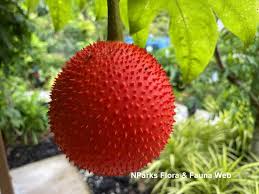
Gac, scientifically known as Momordica cochinchinensis, is a remarkable tropical fruit-bearing vine that belongs to the Cucurbitaceae family. It is native to Southeast Asia, particularly the regions of Vietnam, Thailand, and other parts of Indochina. Gac vines are known for their vigorous growth and unique appearance, making them easily distinguishable in their natural habitat.
Gac plants are perennial climbers with tendrils that allow them to latch onto supporting structures. They can grow as tall as 10 meters (33 feet) or more when supported.
The leaves of Gac are typically palmate and have a deep green color. They are characterized by their distinct lobes and can vary in size, depending on the age of the plant.
Gac plants produce separate male and female flowers on the same vine. The flowers are typically bright yellow and have a unique appearance, with the male flowers having long, slender stalks and the female flowers developing into the fruit.
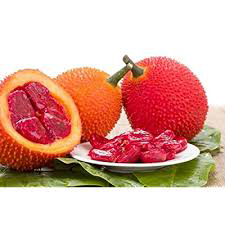
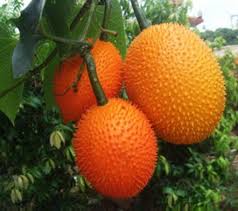
The fruit of Gac is the most distinctive feature of the plant. It is large and oblong, measuring approximately 20-30 cm (8-12 inches) in length. The fruit’s outer skin is covered in spiky protuberances, giving it a prickly appearance. When ripe, the fruit turns a vibrant orange-red, which is why it is often referred to as the “fruit from heaven.”
Gac plants thrive in tropical and subtropical climates with warm temperatures and high humidity. They require well-drained soil and plenty of sunlight to grow successfully. Gac vines are known for their resilience and ability to adapt to various soil types, but they tend to flourish in rich, loamy soil.
Gac is typically propagated from seeds, which are collected from mature fruits. The seeds are usually soaked and germinated before being planted in the ground or in containers. The vine requires a sturdy support structure for climbing.
The fruits of Gac are harvested when they reach their mature, orange-red color. This is the stage at which they are most nutritionally valuable and used for culinary and medicinal purposes
Gac fruit holds significant cultural and culinary importance in Southeast Asia, particularly in Vietnamese and Thai cuisines. It is often used in special dishes for celebrations and ceremonies due to its vibrant color, which symbolizes good fortune and happiness.
Read Also: The Definition and 21 Amazing Importance of Forestry
The Medicinal Health Benefits of Gac (Momordica cochinchinensis)
1. Vision Enhancement: Gac is exceptionally rich in vitamin A, which is crucial for maintaining healthy vision. Regular consumption can prevent night blindness and age-related macular degeneration.
2. Skin Health: The antioxidants in Gac promote healthy and youthful skin by combating free radicals and supporting collagen production.
3. Anti-Inflammatory: Gac’s bioactive compounds help reduce inflammation, potentially aiding in conditions like arthritis and cardiovascular diseases.
4. Immune System Boost: The combination of vitamins and antioxidants strengthens the immune system, enhancing the body’s ability to fight infections.
5. Digestive Health: Gac contains dietary fiber that supports healthy digestion and regular bowel movements.
6. Potential Cancer Prevention: Antioxidants, especially lycopene in Gac, may have cancer-fighting properties.
7. Cardiovascular Health: Gac’s nutrient profile supports heart health by reducing bad cholesterol levels and improving overall cardiovascular function.
8. Weight Management: Its fiber content can help control appetite and promote weight loss.
9. Blood Sugar Regulation: Gac may help stabilize blood sugar levels, making it beneficial for individuals with diabetes.
10. Bone Health: Gac contains essential minerals like calcium and phosphorus, contributing to strong bones.
11. Anti-Aging: The antioxidants in Gac combat skin aging by preventing wrinkles and promoting skin elasticity.
12. Liver Health: Some studies suggest that Gac can protect the liver from damage caused by toxins and free radicals.
13. Antimicrobial Properties: Gac may possess antimicrobial properties, helping to fight infections.
14. Respiratory Health: Traditional medicine uses Gac to relieve coughs and respiratory issues.
15. Cognitive Function: Antioxidants in Gac may support cognitive health by protecting brain cells from oxidative stress.
Read Also: All You Need To Know About Jonathan Green Black Ultra Grass
The Methods of Usage to Achieve the Provided Health Benefits of Gac (Momordica cochinchinensis)
1. Fresh Consumption: Enjoy the fruit as is, scooping out the pulp and seeds. The ripe, orange-red flesh is sweet and can be eaten raw.
2. Gac Juice: Extract the juice from Gac fruit and consume it directly. It’s a flavorful and nutritious beverage.
3. Culinary Use: Add Gac to various dishes like soups, stews, and curries. It imparts a unique flavor and vibrant color to your meals.
4. Gac Smoothies: Blend Gac pulp with other fruits to create delicious and nutritious smoothies. It’s an excellent way to enjoy its benefits.
5. Gac Seed Oil: Gac seed oil is gaining popularity. You can use it for cooking or as a dietary supplement. It contains valuable nutrients and antioxidants.
6. Gac Jam or Jelly: Make Gac jam or jelly, which can be spread on bread or used as a topping for desserts.
7. Gac Tea: Create a herbal tea by steeping dried Gac fruit or leaves in hot water. It can be a soothing and nutritious beverage.
8. Gac Extract Supplements: Gac supplements, available in various forms, can be taken as capsules or liquid extracts for convenience.
9. Beauty Products: Gac seed oil and extract are used in cosmetics and skincare products for their skin-nourishing properties.
10. Gac-based Desserts: Incorporate Gac into desserts like ice cream, sorbet, or cakes for a unique and healthy twist.
The Side Effects of Using Gac Medicinal Plant
1. Vision Enhancement: Gac is exceptionally rich in vitamin A, which is crucial for maintaining healthy vision. Regular consumption can prevent night blindness and age-related macular degeneration.
2. Skin Health: The antioxidants in Gac promote healthy and youthful skin by combating free radicals and supporting collagen production.
3. Anti-Inflammatory: Gac’s bioactive compounds help reduce inflammation, potentially aiding in conditions like arthritis and cardiovascular diseases.
4. Immune System Boost: The combination of vitamins and antioxidants strengthens the immune system, enhancing the body’s ability to fight infections.
5. Digestive Health: Gac contains dietary fiber that supports healthy digestion and regular bowel movements.
6. Potential Cancer Prevention: Antioxidants, especially lycopene in Gac, may have cancer-fighting properties.
7. Cardiovascular Health: Gac’s nutrient profile supports heart health by reducing bad cholesterol levels and improving overall cardiovascular function.
8. Weight Management: Its fiber content can help control appetite and promote weight loss.
9. Blood Sugar Regulation: Gac may help stabilize blood sugar levels, making it beneficial for individuals with diabetes.
10. Bone Health: Gac contains essential minerals like calcium and phosphorus, contributing to strong bones.
Nutritional Value of Gac (Momordica cochinchinensis)
1. Carotenoids: Gac fruit is exceptionally rich in carotenoids, particularly beta-carotene (up to 83 mg/100g) and lycopene (up to 407 mg/100g), which act as antioxidants, support eye health, and may reduce the risk of chronic diseases.
2. Vitamin C: The fruit pulp contains high levels of vitamin C, boosting immune function, promoting collagen synthesis, and providing antioxidant protection against cellular damage.
3. Vitamin E: Gac seeds and aril are a source of vitamin E, which supports skin health, protects cell membranes, and enhances antioxidant defenses.
4. Fatty Acids: The seed aril is rich in unsaturated fatty acids (about 22% of its content), including oleic and linoleic acids, supporting heart health and reducing inflammation.
5. Dietary Fiber: The fruit pulp and seeds provide dietary fiber, aiding digestion, promoting gut health, and helping regulate blood sugar and cholesterol levels.
6. Flavonoids: These antioxidant compounds help neutralize free radicals, potentially reducing oxidative stress and supporting cardiovascular health.
7. Phenolic Compounds: Gac contains phenolic acids, contributing to its antioxidant and anti-inflammatory properties, which may protect against chronic diseases.
8. Minerals: The fruit supplies minerals like iron, zinc, and potassium, supporting oxygen transport, immune function, and electrolyte balance.
9. Proteins: Gac seeds contain moderate protein levels, providing essential amino acids for tissue repair and metabolic functions, though not a primary protein source.
10. Saponins: These bioactive compounds may support immune function and have potential cholesterol-lowering effects, adding to the fruit’s health benefits.
Scientific Evidence and Case Studies on Gac
1. Ishida et al. (2004): This study analyzed the carotenoid content of Gac fruit, finding extraordinarily high levels of lycopene (10 times higher than tomatoes) and beta-carotene, suggesting its potential for improving vitamin A status and antioxidant capacity in diets (Ishida, B. K., Turner, C., Chapman, M. H., & McKeon, T. A., 2004).
2. Kubola et al. (2013): Researchers evaluated the antioxidant activity of Gac fruit extracts, confirming high phenolic and flavonoid content, with significant free radical scavenging ability, supporting its use for reducing oxidative stress (Kubola, J., Siriamornpun, S., & Meeso, N., 2013).
3. Kha et al. (2010): This study investigated the effects of spray-drying on Gac fruit powder, showing retention of carotenoids and antioxidant activity, indicating its potential as a stable nutritional supplement for functional foods (Kha, T. C., Nguyen, M. H., & Roach, P. D., 2010).
4. Tuyen et al. (2016): The research demonstrated that Gac fruit supplementation in Vietnamese children improved plasma beta-carotene and vitamin A levels, reducing the risk of vitamin A deficiency, validating its role in nutritional interventions (Tuyen, L. D., et al., 2016).
These studies highlight Gac’s potential in addressing vitamin A deficiency, providing antioxidant benefits, and serving as a functional food, though further clinical trials are needed to confirm broader health impacts.
Frequently Asked Questions About Gac
1. What is Gac used for?
Gac fruit is used in culinary dishes, smoothies, and supplements in Southeast Asia to boost nutrition, improve vision, and support heart and skin health.
2. Is Gac safe to eat?
Yes, the ripe fruit’s aril and seeds are safe when cooked or processed; raw unripe fruit may cause digestive discomfort.
3. Can Gac improve eye health?
Its high beta-carotene content, a precursor to vitamin A, supports vision and may prevent conditions like night blindness.
4. What nutrients are in Gac?
It is rich in carotenoids (beta-carotene, lycopene), vitamins C and E, fatty acids, fiber, flavonoids, phenolics, and minerals.
5. How is Gac prepared?
The red aril is scooped out, cooked in dishes like sticky rice (xoi gac), juiced, or processed into oils and powders for supplements.
6. Where does Gac grow?
Native to Southeast Asia, it thrives in tropical climates like Vietnam, Thailand, and southern China, preferring well-drained soils.
7. Are there side effects of Gac?
Excessive consumption may cause carotenemia (yellowing skin) due to high carotenoid levels; moderation is advised.
8. Can Gac help with vitamin A deficiency?
Yes, studies show it significantly boosts vitamin A levels, making it effective for addressing deficiency in children and adults.
Do you have any questions, suggestions, or contributions? If so, please feel free to use the comment box below to share your thoughts. We also encourage you to kindly share this information with others who might benefit from it. Since we can’t reach everyone at once, we truly appreciate your help in spreading the word. Thank you very much for your support and for sharing!
Disclaimer: This article is for educational and informational purposes only. The health benefits described are based on scientific research and traditional knowledge. They are not a substitute for professional medical advice, diagnosis, or treatment. Always consult a healthcare professional before using any herb or natural remedy for medical purposes.
Read Also: The Complete Classification of Crops