


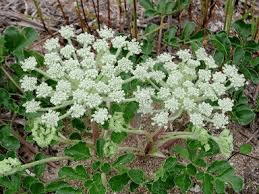
Glehnia littoralis, commonly known as Glehnia or Beach Silvertop, is a perennial medicinal plant that belongs to the Apiaceae family. This plant is native to eastern Asia and can be found growing along coastal areas, forest edges and rocky slopes in countries such as Japan, China, Korea, and Russia. It has been traditionally used in Asian herbal medicine for its various health benefits.
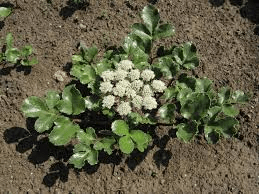
Glehnia is a robust herbaceous plant that typically reaches a height of around 30 to 60 centimeters (12 to 24 inches). It has a fleshy, branching stem and a basal rosette of leaves.
The leaves of Glehnia are compound and pinnate, meaning they are divided into several smaller leaflets arranged along a central stem. The leaflets are oval or elliptical in shape with serrated edges. The leaves are green and can have a slightly waxy texture.
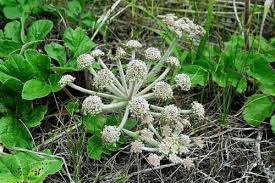
Glehnia produces small white or pale pink flowers that are arranged in umbrella-like clusters called umbels. These umbels are characteristic of the Apiaceae family, to which carrots and celery also belong. The flowers are followed by small, oval-shaped seeds.
As mentioned earlier, Glehnia littoralis is often found in coastal regions and forest edges, preferring sandy or rocky soils. It is well-adapted to withstand the harsh conditions of coastal environments.
In traditional Asian medicine, various parts of the Glehnia plant, including its roots, stems, and leaves, have been used for their potential health benefits. It is often used to promote lung health, boost the immune system, and improve overall vitality. It is also considered to have cooling and moisturizing properties.
The active constituents of Glehnia include polysaccharides, flavonoids and essential oils. These compounds are believed to contribute to its potential medicinal properties.
Read Also: The Benefits of Using Vietnamese Coriander Spices on Your Cooking
The Medicinal Health Benefits of Glehnia (Glehnia Littoralis)
Here are 15 medicinal health benefits associated with Glehnia:
1. Immune System Support: Glehnia is believed to possess immune-enhancing properties that may help strengthen the body’s defense mechanisms against infections and illnesses. Its bioactive compounds could potentially stimulate immune cell activity.
2. Respiratory Health: Traditional use suggests that Glehnia might help soothe and support the respiratory system. It is thought to have expectorant and anti-inflammatory effects, which could be beneficial for respiratory conditions.
3. Cough Relief: Glehnia has been used to alleviate coughs and reduce irritation in the throat. Its potential soothing properties might help suppress cough reflexes and ease discomfort.
4. Anti-Inflammatory Effects: The plant’s bioactive components may possess anti-inflammatory properties, which could make Glehnia useful in managing conditions characterized by inflammation, such as arthritis.
5. Digestive Health: Glehnia has been traditionally employed to promote digestive well-being. Its potential antispasmodic and digestive-stimulating effects could contribute to relieving gastrointestinal discomfort.
6. Detoxification: Some herbal traditions suggest that Glehnia may aid in detoxification by supporting the body’s natural elimination processes, particularly through the kidneys and liver.
7. Stress and Anxiety Reduction: Traditional herbalists have considered Glehnia as having calming and relaxing properties. Its potential to soothe the nervous system could contribute to stress and anxiety relief.
8. Antioxidant Activity: Glehnia’s constituents, including flavonoids and polysaccharides, might possess antioxidant properties that help neutralize harmful free radicals and protect cells from oxidative damage.
9. Skin Health: The plant’s potential anti-inflammatory and antioxidant effects could be beneficial for skin health, potentially aiding in wound healing and reducing skin irritation.
10. Blood Sugar Regulation: Some herbal traditions suggest that Glehnia might play a role in supporting healthy blood sugar levels. However, more research is needed to validate this potential benefit.
11. Cardiovascular Health: While not extensively studied, Glehnia’s potential to have antioxidant and anti-inflammatory effects might contribute to cardiovascular health by reducing the risk factors associated with heart diseases.
12. Antibacterial Properties: Traditional use suggests that Glehnia might possess antibacterial properties, which could contribute to its ability to combat bacterial infections.
13. Anti-Allergic Effects: Glehnia’s potential to modulate the immune response might also make it useful in managing allergic reactions and hypersensitivity.
14. Anti-Aging Potential: The plant’s antioxidant content could help protect cells from premature aging and support overall longevity, although specific effects on aging require further investigation.
15. Bone Health: Some traditional uses of Glehnia involve promoting bone health. Its potential to have anti-inflammatory effects might contribute to managing conditions like osteoporosis.
Read Also: Growing Guide and Health Benefits of Coriander Spices
The Methods of Usage to Achieve the Provided Health Benefits of Glehnia (Glehnia Littoralis)
1. Herbal Tea: Infuse dried Glehnia roots, leaves, or a combination in hot water for about 10-15 minutes. Drinking Glehnia tea may offer a gentle way to experience its potential benefits, such as immune support, stress reduction and digestive relief.
2. Decoction: Boil Glehnia roots or other plant parts in water for a longer period (20-30 minutes) to extract more of its active constituents. A decoction might be particularly useful for conditions like cough relief, respiratory health and immune support.
3. Tincture: Prepare a tincture by steeping Glehnia plant parts in alcohol or a mixture of alcohol and water for several weeks. Tinctures can provide a concentrated form of Glehnia’s medicinal properties and can be taken in small doses under the guidance of a herbalist or healthcare provider.
4. Powdered Herb: Dry Glehnia plant parts and grind them into a powder using a mortar and pestle or a grinder. The powdered form can be encapsulated or added to smoothies, soups, or other foods for easy consumption and potential benefits such as antioxidant support.
5. Topical Application: Create an herbal salve or ointment by combining Glehnia-infused oil with beeswax. Apply the salve topically to promote skin health, wound healing, or to soothe irritation. However, be cautious about potential allergic reactions.
6. Steam Inhalation: Add Glehnia leaves or roots to a bowl of hot water and inhale the steam. Steam inhalation can be beneficial for respiratory conditions, such as cough relief, by helping to soothe and open up airways.
7. Herbal Bath: Infuse Glehnia in a bath by adding dried plant parts to hot water and letting it steep. An herbal bath could potentially aid in relaxation, stress reduction, and skin health, as the water extracts the plant’s beneficial compounds.
8. Herbal Poultice: Crush fresh or dried Glehnia plant parts and apply them directly to the skin, then cover with a cloth. A poultice might be used for localized issues, such as skin irritations or minor wounds, harnessing the potential anti-inflammatory and wound-healing properties.
The Side Effects of Using Glehnia Medicinal Plant
1. Allergic Reactions: Some individuals might be allergic to Glehnia or other plants in the same family (Apiaceae). Allergic reactions could manifest as skin rashes, itching, swelling, or respiratory symptoms.
2. Digestive Issues: While Glehnia is used traditionally to support digestion, some people might experience digestive discomfort, such as upset stomach, gas, or bloating.
3. Interaction with Medications: Glehnia might interact with certain medications or medical conditions. It’s important to discuss its use with a healthcare provider if you are taking prescription medications.
4. Hormonal Effects: Due to the plant’s potential phytoestrogenic properties, Glehnia might affect hormone levels in the body. This could be of concern for individuals with hormone-related conditions.
5. Photosensitivity: Some plants in the Apiaceae family can increase sensitivity to sunlight. While there’s no concrete evidence for Glehnia, exercise caution if you plan to spend extended periods in the sun.
6. Pregnancy and Breastfeeding: Limited information is available about Glehnia’s safety during pregnancy and breastfeeding. It’s advisable for pregnant or nursing individuals to avoid using Glehnia without medical guidance.
7. Interactions with Other Herbs and Supplements: Glehnia might interact with other herbs, supplements, or natural products, potentially affecting their efficacy or causing unwanted effects.
8. Lack of Standardization: Herbal preparations can vary in potency and quality, making it important to obtain Glehnia products from reputable sources.
Nutritional Value of Glehnia (Glehnia Littoralis)
1. Polysaccharides: The roots contain 10–20% polysaccharides, acting as prebiotics to support gut health, immune modulation, and providing sustained energy in traditional decoctions.
2. Coumarins: Present at 1–3% in roots, coumarins like bergapten offer antioxidant and anti-inflammatory benefits, potentially reducing oxidative stress and supporting respiratory health.
3. Flavonoids (Quercetin, Rutin): Comprising 1–2% in leaves and roots, flavonoids provide strong free radical scavenging, aiding in cardiovascular protection and inflammation reduction.
4. Phenolic Acids (Chlorogenic Acid, Caffeic Acid): Found at 0.5–2%, these compounds enhance antioxidant capacity, supporting liver function and cellular protection against damage.
5. Polyacetylenes (Falcarinol, Panaxydiol): Present at 0.2–1% in roots, polyacetylenes contribute to antitumor and antimicrobial effects, bolstering immune defense.
6. Carbohydrates: Roots and stems contain 15–25% carbohydrates, primarily polysaccharides, serving as a low-calorie energy source in medicinal preparations.
7. Proteins: Offering 5–10% crude protein in foliage, these support tissue repair and immune function, though primarily used medicinally.
8. Minerals (Potassium, Calcium): Trace minerals like potassium (200–300 mg/100g) and calcium support electrolyte balance and bone health.
9. Saponins: Found at 1–2%, saponins may enhance immune response and exhibit cholesterol-lowering potential, adding to cardiovascular support.
10. Volatile Oils: Comprising 0.5–1.5% in roots, these oils provide antimicrobial benefits, aiding in infection prevention and digestive health.
These nutrients and bioactive compounds make Glehnia littoralis a valuable medicinal herb in traditional East Asian practices, offering antioxidant, immune-supporting, and anti-inflammatory benefits, though it is primarily consumed as a root decoction rather than a staple food.
Scientific Evidence and Case Studies on Glehnia (Glehnia Littoralis)
1. Hong et al. (2018): This study examined Glehnia littoralis root hot water extract (GLE) in 3T3-L1 adipocytes and high-fat diet-induced obese mice, showing reduced lipid accumulation by 30–50% through downregulation of adipogenic genes like PPARγ and C/EBPα, suggesting anti-obesity effects (Hong, H., et al., 2018, Evidence-Based Complementary and Alternative Medicine).
2. Yoon et al. (2010): Ethanolic extracts of Glehnia littoralis demonstrated anti-inflammatory activity in acute and chronic skin inflammation models in mice, reducing ear edema by 40–60% via suppression of NF-κB and MAPK pathways, supporting its use for cutaneous conditions (Yoon, T., et al., 2010, Immunopharmacology and Immunotoxicology).
3. Li et al. (2016): A systematic review of Glehnia littoralis phytochemistry and pharmacology identified phenylethanoid glycosides and polyacetylenes with antitumor activity, showing apoptosis induction in cancer cells (IC50 10–50 µM) and immunomodulatory effects in immunosuppressed mice (Li, Z., et al., 2016, Frontiers in Pharmacology).
4. Wu et al. (2017): Polysaccharide extracts from Glehnia littoralis roots exhibited anticancer effects on A549 lung cancer cells, inhibiting proliferation by 50–70% through immune activation and angiogenesis suppression (Wu, J., et al., 2017, International Journal of Biological Macromolecules).
5. Min et al. (2021): Leaf extracts of Glehnia littoralis showed antioxidant activity with 70–80% DPPH scavenging and anti-inflammatory effects in RAW264.7 cells by reducing NO and cytokine production, attributed to phenolic compounds (Jing, L., et al., 2021, Antioxidants).
Frequently Asked Questions About Glehnia (Glehnia Littoralis)
1. What is Glehnia littoralis used for?
Glehnia littoralis, known as Bei Sha Shen in TCM, is used to treat cough, dry throat, fatigue, lung heat, and yin deficiency, often as a root decoction for respiratory and immune support.
2. Is Glehnia littoralis safe to consume?
In traditional doses (3–10 g daily as decoction), it is generally safe with low toxicity reported, but consult a healthcare provider if pregnant or on medications due to potential interactions.
3. Can Glehnia littoralis help with inflammation?
Yes, studies show its extracts reduce inflammatory markers like NF-κB in skin and cellular models, supporting traditional uses for chronic inflammation and wounds.
4. How is Glehnia littoralis prepared for medicinal use?
Dried roots are boiled into teas or decoctions for oral consumption; extracts are used in supplements for immune and respiratory health.
5. Does Glehnia littoralis have antioxidant properties?
Research confirms its phenolics and flavonoids scavenge free radicals effectively, protecting against oxidative stress and supporting cellular health.
6. Can Glehnia littoralis support immune function?
Polysaccharides in its roots enhance immune modulation, as shown in animal studies, aligning with its use for fatigue and infection prevention.
7. What are the side effects of Glehnia littoralis?
Side effects are rare but may include mild digestive upset at high doses; no severe toxicity noted in studies.
8. Where is Glehnia littoralis native to?
It is native to coastal regions of East Asia, including China, Japan, and Korea, growing as a perennial herb on sandy beaches.
Read Also: Top 15 Healthy Foods for your Body