


Prunus Africana, scientifically known as Pygeum africanum, is a majestic evergreen tree that belongs to the Rosaceae family. Native to the highland forests of Africa, this tree’s distinct features and botanical characteristics make it a valuable and significant species both in traditional medicine and modern research.
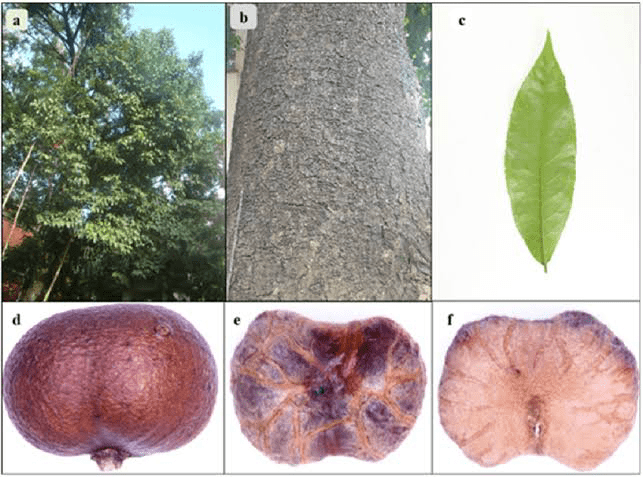
Prunus Africana is known for its imposing stature, with mature trees often reaching heights of up to 40 meters. The tree displays a straight, tall trunk that is covered in a dark brown to blackish bark, which is deeply furrowed and exudes a characteristic aromatic scent when cut or crushed. The leaves of Prunus Africana are simple, alternate, and elliptical in shape. They are typically dark green and glossy on the upper surface, while the lower surface is paler and has a fine layer of tiny hairs.
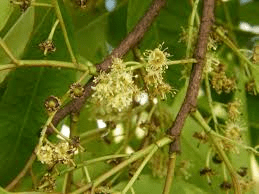
The tree produces small, fragrant, creamy-white flowers that are arranged in dense clusters known as inflorescences. These flowers contain both male and female reproductive structures and are visited by various pollinators, including bees and butterflies.
The fruit of Prunus Africana is a drupe, which is a fleshy fruit with a single hard seed enclosed within a woody pit. The drupe starts out green and gradually changes to a reddish-brown or purple hue as it matures. The fleshy outer layer is sweet and edible, making it attractive to birds and other wildlife.
Prunus Africana thrives in the montane and submontane regions of Africa, where it can be found at elevations ranging from 1,800 to 3,000 meters above sea level. It commonly grows in moist, well-drained soils and is often a dominant species in the highland rainforests of countries such as Cameroon, Kenya, Tanzania, and Madagascar.
Due to its extensive use for medicinal purposes, Prunus Africana has faced threats from overharvesting. As a result, it has been listed as a vulnerable species by the International Union for Conservation of Nature (IUCN). Efforts are being made to promote sustainable harvesting and cultivation of this valuable tree to ensure its long-term survival.
Prunus Africana has a rich history of use in traditional African medicine, where various parts of the tree are utilized to address a range of health conditions. The bark, in particular, is sought after for its potential benefits in supporting prostate health, reducing inflammation, and alleviating discomfort. Additionally, the bark’s extracts have gained attention for their possible role in promoting urinary tract health.
Read Also: 12 Medicinal Health Benefits of Nerium (Nerium Oleander)
The Medicinal Health Benefits of Prunus Africana (African Cherry)
1. Prostate Health: Prunus Africana is widely recognized for its positive impact on prostate health. Its extracts have been traditionally used to address benign prostatic hyperplasia (BPH) and associated urinary symptoms.
2. Anti-Inflammatory Properties: This plant contains potent compounds with anti-inflammatory effects, which can assist in reducing inflammation throughout the body.
3. Antioxidant Rich: Prunus Africana is abundant in antioxidants that combat oxidative stress and shield cells from damage by free radicals.
4. Urinary Tract Health: The extracts of Prunus Africana are known to support a healthy urinary tract by promoting proper urine flow and minimizing discomfort.
5. Fever Reduction: Traditional practices include using Prunus Africana to lower fever and alleviate fever-related symptoms.
6. Antibacterial Effects: The plant’s antibacterial properties make it a valuable resource in treating infections caused by various bacteria.
7. Digestive Support: Prunus Africana can aid in promoting healthy digestion and relieving gastrointestinal discomfort.
8. Cardiovascular Health: Some research suggests that Prunus Africana contributes to cardiovascular well-being by supporting optimal blood circulation.
9. Anti-Cancer Potential: Certain compounds within Prunus Africana have displayed potential in inhibiting the growth of cancer cells, although further research is necessary in this realm.
10. Pain Relief: Extracts of the plant have been traditionally employed to alleviate pain, making it a valuable asset in managing various types of discomfort.
11. Anti-Anxiety Effects: Prunus Africana is believed to possess calming properties that aid in reducing anxiety and stress levels.
12. Bone Health: It is thought to play a role in maintaining strong and healthy bones, potentially due to its mineral content.
13. Respiratory Health: Traditional use includes utilizing the plant to relieve coughs and respiratory congestion.
14. Wound Healing: Prunus Africana extracts may promote the healing of wounds and minor cuts.
15. Hair and Skin Care: Some formulations incorporate Prunus Africana extracts for hair and skin care due to their potential benefits in maintaining their health and appearance.
Read Also: 15 Medicinal Health Benefits of Erythrophleum suaveolens (Erythrophleum)
The Methods of Usage to Achieve the Provided Health Benefits of Prunus Africana (African Cherry)
1. Herbal Teas and Infusions: One common method is preparing herbal teas or infusions using Prunus Africana bark or leaves. Boil a small portion of the bark or leaves in water, let it steep, and then strain. This soothing drink can be consumed daily to reap the plant’s health benefits.
2. Tinctures: Tinctures are concentrated extracts made by soaking the plant material in alcohol or glycerin. A few drops of Prunus Africana tincture mixed with water can be taken orally, making it an efficient way to ingest the plant’s bioactive compounds.
3. Capsules and Tablets: Commercially available capsules and tablets containing Prunus Africana extracts offer a convenient and standardized way to consume the plant’s beneficial components.
4. Topical Applications: For localized relief, creams, lotions, or ointments containing Prunus Africana extracts can be applied directly to the skin, helping to address discomfort and promote skin health.
5. Powdered Form: The bark or leaves can be dried, ground into a fine powder, and added to foods, smoothies, or beverages. This powdered form allows for versatile incorporation into daily routines.
6. Decoctions: Similar to herbal teas, decoctions involve simmering Prunus Africana bark or leaves in water for an extended period to extract its medicinal properties. The resulting liquid is then consumed.
7. Traditional Formulas: In regions where Prunus Africana is part of traditional medicine, it might be combined with other herbs to create potent formulations targeting specific health concerns.
The Side Effects of Using Prunus Africana Medicinal Plant
1. Gastrointestinal Discomfort: Some individuals might experience mild gastrointestinal discomfort, such as upset stomach or nausea, when using Prunus Africana extracts. This can be minimized by consuming it with food or reducing the dosage.
2. Allergic Reactions: Although rare, allergic reactions to Prunus Africana are possible. If you experience symptoms like rash, itching, swelling, or difficulty breathing, discontinue use and seek medical attention.
3. Interaction with Medications: Prunus Africana extracts may interact with certain medications. If you are taking prescription drugs, consult your healthcare provider before using this plant as a supplement.
4. Pregnancy and Breastfeeding: Limited information is available regarding the safety of Prunus Africana during pregnancy and breastfeeding. To ensure the well-being of both mother and child, it’s advisable for pregnant and breastfeeding individuals to avoid its use or consult a healthcare professional.
5. Hormonal Effects: Prunus Africana extracts can have hormonal effects, particularly related to the prostate. If you have hormonal imbalances or conditions related to hormone-sensitive organs, consult a medical professional before using this plant.
6. Children and Elderly: The safety of Prunus Africana for children and the elderly hasn’t been thoroughly studied. It’s best to exercise caution and seek medical guidance if considering its use for these age groups.
7. Overconsumption: Excessive consumption of Prunus Africana extracts may lead to adverse effects. Always adhere to recommended dosages and usage guidelines.
8. Digestive Issues: While generally well-tolerated, some individuals may experience digestive issues like diarrhea or stomach cramps. If these symptoms persist, discontinue use and consult a healthcare professional.
9. Liver Health: Individuals with pre-existing liver conditions should exercise caution when using Prunus Africana, as its effects on liver function are not well understood.
10. Sensitivity to Plants: If you have a history of sensitivities or allergies to plants in the Rosaceae family, which includes Prunus Africana, be cautious when using it to avoid potential adverse reactions.
11. Long-Term Effects: Due to limited long-term studies, the potential effects of extended use of Prunus Africana extracts are not fully known. It’s recommended to use it intermittently or as advised by a healthcare provider.
Nutritional Value of Prunus Africana (African Cherry)
1. Protein: The bark and leaves of Prunus africana contain modest amounts of protein, supporting tissue repair and growth. While not a primary source, protein in the plant contributes to its role in traditional diets when prepared as teas or extracts.
2. Carbohydrates: The fruit and seeds provide carbohydrates, primarily in the form of sugars and fiber, offering energy. These are present in the fleshy drupes, which serve as a food source for wildlife and potentially humans in limited quantities.
3. Fiber: Dietary fiber is found in the fruit pulp and bark, aiding digestion and promoting gut health. Fiber content helps in regulating bowel movements and may support metabolic health when consumed in traditional preparations.
4. Vitamins: Prunus africana fruits and leaves contain vitamins, such as vitamin C, supporting immune function and acting as an antioxidant. These micronutrients nourish the body and contribute to overall health maintenance.
5. Minerals (Potassium): The plant is a source of potassium, essential for electrolyte balance, nerve function, and muscle contractions, inferred from its nutrient profile similar to other Prunus species.
6. Minerals (Calcium): Calcium is present in trace amounts in the leaves and bark, contributing to bone health and muscle function, making it a supplementary source in traditional African diets.
7. Phytosterols: The bark is rich in phytosterols like beta-sitosterol, which support prostate health and cholesterol management, providing anti-inflammatory benefits beyond basic nutrition.
8. Flavonoids: Flavonoids such as quercetin are abundant in the bark and leaves, acting as antioxidants to reduce oxidative stress and support cardiovascular health.
9. Triterpenes: Pentacyclic triterpenes in the bark offer anti-inflammatory properties, contributing to the plant’s medicinal nutritional value for conditions like metabolic syndrome.
10. Phenolic Compounds: Phenolics, including ferulic acid esters, provide antioxidant effects, helping protect cells from damage and supporting immune and anti-cancer potential.
The nutritional components of Prunus africana are enhanced by its bioactive compounds, making it valuable in traditional medicine rather than as a staple food. Its fruits provide basic nutrients for wildlife, while the bark’s phytosterols and phenolics offer health benefits, though overharvesting poses sustainability concerns.
Scientific Evidence and Case Studies on Prunus Africana
1. James et al. (2024): This comprehensive review analyzed ethnomedicinal uses and pharmacology of Prunus africana, confirming its anti-inflammatory, anticancer, antimicrobial, and antiviral activities from bark extracts. Key benefits include treatment of benign prostatic hyperplasia (BPH), prostate cancer, and gastrointestinal disorders, attributed to phytosterols and triterpenes (Ndung’u, J. K., et al. (2024). A comprehensive review of ethnomedicinal uses, phytochemistry, pharmacology, and toxicity of Prunus africana (Hook. F.) Kalkman from Africa. Evidence-Based Complementary and Alternative Medicine).
2. Rubegeta et al. (2023): Researchers reviewed botany, traditional uses, and biological activities of Prunus africana, finding strong evidence for anti-inflammatory, analgesic, antimicrobial, and antiproliferative effects. The study highlighted its efficacy for lower urinary tract symptoms (LUTS) and BPH, with over 40 approved products worldwide (Rubegeta, E., et al. (2023). The African cherry: A review of the botany, traditional uses, phytochemistry, and biological activities of Prunus africana (Hook.f.) Kalkman. Journal of Ethnopharmacology, 300, 115734).
3. Ullah et al. (2020): This overview examined health benefits of Prunus species, including P. africana, for metabolic syndrome risk factors. Extracts showed potential in reducing obesity, hyperglycemia, hyperlipidemia, and hypertension through antioxidant and insulin-regulating mechanisms (Ullah, H., et al. (2020). An overview of the health benefits of Prunus species with special reference to metabolic syndrome risk factors. Food and Chemical Toxicology, 143, 111541).
4. Richard (2017): The review focused on phytochemicals from Prunus africana stem bark for prostate cancer chemoprevention and chemotherapy. Compounds like beta-sitosterol inhibited cell proliferation and induced apoptosis in prostate cancer cells, supporting its traditional use for BPH and cancer (Ayeka, P. A. (2017). A review of the potential of phytochemicals from Prunus africana (Hook f.) Kalkman stem bark for chemoprevention and chemotherapy of prostate cancer. Evidence-Based Complementary and Alternative Medicine).
Frequently Asked Questions About Prunus Africana
1. Is Prunus africana safe to consume?
Generally safe in moderated doses as extracts or teas, but high doses may cause gastrointestinal upset. Consult a healthcare provider, especially for prostate conditions, due to potential interactions with medications.
2. What parts of Prunus africana are used medicinally?
The bark is primarily used for prostate health and inflammation, while leaves and roots treat fevers, malaria, and gastrointestinal issues in traditional African medicine.
3. Can Prunus africana help with prostate problems?
Yes, its bark extract (pygeum) is widely used for benign prostatic hyperplasia (BPH), reducing symptoms like poor urine flow and nighttime urination, supported by multiple studies.
4. Where does Prunus africana grow?
It is native to montane forests in sub-Saharan Africa, from Ethiopia to South Africa, and Madagascar, thriving at 900–3,400 meters elevation in moist climates.
5. Is Prunus africana endangered?
Yes, it is listed as vulnerable by the IUCN due to overharvesting for bark exports, leading to CITES Appendix II regulation to ensure sustainable trade.
6. What are the side effects of Prunus africana?
Common side effects include stomach pain, nausea, or diarrhea; rare allergic reactions may occur. It’s not recommended during pregnancy or for those with hormone-sensitive conditions.
7. How is Prunus africana used in traditional medicine?
African communities use bark decoctions for prostate enlargement, chest infections, malaria, and wounds, with roots for mental illness and leaves for diabetes management.
8. Can Prunus africana be grown at home?
It can be cultivated in tropical highlands with moist soil and frost tolerance, but propagation from seeds takes 50–90 days, and sustainable harvesting is essential to avoid tree death.
Do you have any questions, suggestions, or contributions? If so, please feel free to use the comment box below to share your thoughts. We also encourage you to kindly share this information with others who might benefit from it. Since we can’t reach everyone at once, we truly appreciate your help in spreading the word. Thank you very much for your support and for sharing!
Disclaimer: This article is for educational and informational purposes only. The health benefits described are based on scientific research and traditional knowledge. They are not a substitute for professional medical advice, diagnosis, or treatment. Always consult a healthcare professional before using any herb or natural remedy for medical purposes.
Read Also: Measures of Improving Field Crops Production in Nigeria
A very insightful read
That’s great to hear, and we are glad that you find our article very helpful.