


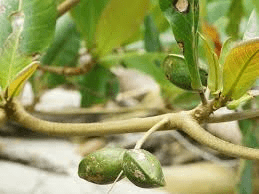
Terminalia macroptera, commonly known as Indian Almond or Arjun Tree, is a magnificent deciduous tree that belongs to the Combretaceae family. Native to tropical regions, this tree’s botanical characteristics make it a fascinating subject of study and a valuable resource in traditional medicine.
Terminalia macroptera is known for its imposing stature, often reaching heights of up to 30 meters (98 feet). Its trunk is sturdy, with a rough and fissured bark that varies in color from gray to dark brown. The tree’s canopy is wide and dense, offering ample shade and a habitat for various bird species.
The leaves of Terminalia macroptera are a distinguishing feature of the tree. They are simple, alternate, and oblong in shape, with an average length of 8 to 20 centimeters. The leaves have a glossy, deep green color and a smooth texture. When the tree sheds its leaves, they often accumulate under the canopy, creating a natural layer of mulch.
The tree produces small, inconspicuous flowers that are arranged in inflorescences. These inflorescences, often referred to as spikes, can be found at the tips of branches. The flowers themselves are greenish-white in color and lack the showy petals often associated with ornamental trees. Despite their modest appearance, these flowers play a vital role in the tree’s reproductive process.
One of the most intriguing aspects of Terminalia macroptera is its fruit. The fruit is almond-like in appearance and contains a single seed within. These fruits are initially green but gradually mature to a dark brown color. When ripe, they split open to reveal the seed, which is enveloped by a fleshy covering that is often consumed by wildlife.
Terminalia macroptera thrives in tropical and subtropical regions. It is commonly found in various African countries, including Nigeria, Cameroon, and Ghana. The tree prefers well-drained soils and can be seen growing near riverbanks, in savannas, and in other open woodland habitats.
Throughout history, Terminalia macroptera has been a valuable resource for local communities. Various parts of the tree, including the bark, leaves, and seeds, have been used in traditional medicine to treat ailments ranging from heart conditions to digestive issues. Additionally, the wood of the tree is known for its durability and is often used for construction and crafting purposes.
Read Also: 12 Medicinal Health Benefits of Cinnamomum Parthenoxylon (Yellow Camphorwood)
The Medicinal Health Benefits of Terminalia Macroptera (Indian Almond)

1. Heart Health: Terminalia macroptera has been found to support cardiovascular health by helping to maintain healthy blood pressure levels and cholesterol levels. This can contribute to a reduced risk of heart-related issues.
2. Antioxidant Properties: Rich in antioxidants, Terminalia macroptera aids in neutralizing harmful free radicals in the body. This helps protect cells from oxidative stress and lowers the risk of chronic diseases.
3. Digestive Aid: The bark and leaves of this plant possess digestive properties, which can help alleviate digestive discomfort and promote smoother digestion.
4. Anti-inflammatory Effects: Terminalia macroptera exhibits anti-inflammatory properties, making it beneficial for managing conditions characterized by inflammation, such as arthritis.
5. Diabetes Management: Research suggests that this plant may help regulate blood sugar levels, making it potentially useful for individuals managing diabetes.
6. Wound Healing: The plant’s antimicrobial and tissue-regenerating properties can accelerate wound healing when applied topically.
7. Respiratory Support: Terminalia macroptera has bronchodilatory effects, making it valuable for managing respiratory conditions like coughs, bronchitis, and asthma.
8. Liver Function: Consumption of Terminalia macroptera supports healthy liver function and aids in detoxification processes.
9. Weight Management: The plant’s potential to boost metabolism can assist in weight management when included in a balanced diet.
10. Bone Health: With its calcium content, Terminalia macroptera contributes to maintaining strong bones and preventing conditions like osteoporosis.
11. Immune System Boost: Regular consumption of this plant can enhance the immune system, aiding the body’s defense against infections.
12. Anxiety Relief: Terminalia macroptera’s calming properties may help reduce anxiety and stress levels.
13. Skin Benefits: Extracts from this plant are utilized in skincare for their moisturizing, anti-aging, and skin-soothing effects.
14. Gastrointestinal Comfort: It aids in soothing gastrointestinal discomfort and may assist in managing conditions like ulcers.
15. Anti-parasitic Effects: Terminalia macroptera has shown activity against parasites, making it useful for addressing certain parasitic infections.
Read Also: 13 Medicinal Health Benefits of Basil (Ocimum Basillicum)
The Methods of Usage to Achieve the Provided Health Benefits of Terminalia Macroptera (Indian Almond)
1. Bark Infusion: Prepare a healing infusion by boiling Terminalia macroptera bark in water. This infusion can be consumed to support heart health and aid digestion.
2. Leaf Poultice: Crush the leaves of the plant to create a poultice. Apply this poultice topically to wounds and inflamed areas for their healing and soothing effects.
3. Seed Powder: Grind the seeds of Terminalia macroptera to create a fine powder. Consuming this powder can be beneficial for managing diabetes and reaping other health benefits.
4. Decoction: Create a decoction by boiling the bark or roots of the plant in water. This decoction can be consumed to support liver health and aid in detoxification processes.
5. Oil Infusion: Infuse oil with Terminalia macroptera leaves. This infused oil can be applied topically to the skin to moisturize, soothe, and potentially benefit from the plant’s anti-aging effects.
The Side Effects of Using Terminalia Macroptera Medicinal Plant
1. Digestive Discomfort: Excessive consumption of Terminalia macroptera may lead to digestive discomfort, including symptoms like nausea, bloating, or diarrhea.
2. Allergic Reactions: Some individuals may experience allergic reactions to certain compounds present in Terminalia macroptera. If you notice any signs of allergies, such as itching, rash, or swelling, discontinue use and seek medical attention.
3. Drug Interactions: Terminalia macroptera may interact with certain medications. If you are currently taking prescription medications, consult a healthcare professional before incorporating this plant into your routine.
4. Pregnancy and Nursing: Pregnant and breastfeeding individuals should exercise caution when using Terminalia macroptera, as its effects on these conditions are not well-studied. Consulting a healthcare provider is recommended.
5. Excessive Consumption: While Terminalia macroptera offers numerous health benefits, excessive consumption can lead to adverse effects. It’s important to adhere to recommended dosages and usage guidelines.
6. Medical Conditions: Individuals with pre-existing medical conditions, such as liver disorders or diabetes, should consult a healthcare provider before using Terminalia macroptera, as it may interact with these conditions.
7. Children and Infants: The safety of Terminalia macroptera in children and infants is not well-established. It’s best to avoid using this plant in these populations without consulting a pediatric healthcare provider.
8. Sensitivity to Tannins: Terminalia macroptera contains tannins, which can be a concern for individuals sensitive to these compounds. Excessive tannin consumption may lead to gastrointestinal discomfort.
Nutritional Value of Terminalia Macroptera (Indian Almond)

1. Polyphenols: Terminalia macroptera contains high levels of polyphenols, including ellagic acid derivatives and gallotannins, present at 2-5% in the bark and leaves, acting as potent antioxidants to protect cells from oxidative damage and support anti-inflammatory effects.
2. Flavonoids: Comprising 1-3% in the leaves and bark, flavonoids such as myricetin-3-O-rhamnoside and rutin provide antioxidant properties, helping to reduce inflammation and potentially lowering the risk of chronic diseases like diabetes and cancer.
3. Tannins: Found at 5-10% in the bark, tannins exhibit astringent and antimicrobial activities, aiding in wound healing and digestive health while contributing to the plant’s traditional use for infections.
4. Triterpenoids: These compounds, including arjungenin and terminolic acid (0.5-2%), support anti-inflammatory and antidiabetic effects by inhibiting enzymes like α-amylase and α-glucosidase.
5. Polysaccharides: Present in the root, stem, and leaves (up to 10-15% in extracts), these soluble fibers promote gut health, act as prebiotics, and exhibit immunomodulatory activities to enhance complement fixation.
6. Carbohydrates: The leaves and fruits contain 20-30% carbohydrates, primarily polysaccharides, providing a source of energy and contributing to the plant’s role in traditional diets for sustaining vitality.
7. Proteins: Offering 5-10% crude protein in the foliage, these support tissue repair and immune function, though the plant is more valued medicinally than as a primary protein source.
8. Minerals (Potassium, Calcium): Trace minerals like potassium and calcium (50-150 mg/100g in leaves) aid in electrolyte balance, bone health, and muscle function, enhancing overall metabolic support.
9. Phenolic Acids: Compounds such as 3,3′-di-O-methyl ellagic acid (1-2%) contribute to antioxidant capacity, potentially inhibiting cholinesterases for cognitive health and reducing blood glucose levels.
10. Saponins: Present at 0.5-1.5% in the bark, saponins may enhance immune response and have potential antimicrobial effects, adding to the plant’s defensive properties against infections.
These bioactive compounds and nutrients make Terminalia macroptera a valuable medicinal plant in African traditional practices, offering antioxidant, anti-inflammatory, and antidiabetic benefits, though its direct nutritional role is limited compared to its therapeutic applications.
Scientific Evidence and Case Studies on Terminalia Macroptera (Indian Almond)
1. Haidara et al. (2018): This in vivo study validated the anti-malarial activity of Terminalia macroptera leaf and root extracts in Plasmodium berghei ANKA-infected mice, showing significant parasitemia reduction (up to 70%) and increased survival rates without toxicity at 200-400 mg/kg doses, confirming its traditional use for malaria (Haidara, H., et al., 2018, Malaria Journal).
2. Pham et al. (2014): Researchers evaluated α-glucosidase inhibitory effects of Terminalia macroptera extracts, finding methanol and ethyl acetate fractions with IC50 values of 0.4-0.47 µM due to polyphenols like chebulagic acid and corilagin, supporting antidiabetic potential by delaying carbohydrate absorption (Pham, A. T., et al., 2014, Journal of Ethnopharmacology).
3. Diallo et al. (2014): This study assessed complement-fixing polysaccharides from boiled water extracts of root bark, stem bark, and leaves of Terminalia macroptera, revealing high immunomodulatory activity (total complement consumption up to 90%) in root and stem bark fractions, explaining its use for infections and immune support (Diallo, D., et al., 2014, Journal of Ethnopharmacology).
4. Silva et al. (1996): In vitro screening of Terminalia macroptera root and leaf extracts demonstrated strong antibacterial activity against Staphylococcus aureus and Escherichia coli (MIC 0.03-0.1 mg/mL), attributed to tannins and flavonoids, validating traditional applications for wounds and dysentery (Silva, O., et al., 1996, Journal of Ethnopharmacology).
5. Romeo et al. (2024): Compounds isolated from Terminalia macroptera, including myricetin-3-O-rhamnoside and ellagic acid derivatives, showed potent α-amylase inhibition (IC50 65.17 µg/mL) and cholinesterase inhibition (IC50 46.77 µg/mL for AChE), with molecular docking confirming binding affinities, indicating benefits for diabetes and Alzheimer’s disease (Sawadogo, W. R., et al., 2024, Molecules).
Frequently Asked Questions About Terminalia Macroptera (Indian Almond)
1. What is Terminalia macroptera used for?
Terminalia macroptera, known as Indian almond or kwandari, is used in traditional African medicine for treating malaria, wounds, infections, diarrhea, hepatitis, tuberculosis, and diabetes, primarily using bark, leaves, and roots.
2. Is Terminalia macroptera safe to use?
In traditional doses like decoctions, it is generally safe with low toxicity in animal studies, but high doses may cause mild gastrointestinal upset; consult a healthcare provider, especially if pregnant or on medications.
3. Can Terminalia macroptera help with malaria?
Yes, studies in mice show its extracts reduce parasitemia by up to 70%, supporting its widespread traditional use as an anti-malarial remedy in West Africa.
4. Does Terminalia macroptera have antidiabetic properties?
Research indicates its polyphenols inhibit α-amylase and α-glucosidase enzymes, potentially lowering blood glucose, aligning with traditional uses for diabetes management.
5. How is Terminalia macroptera prepared for medicinal use?
Bark or leaves are boiled into decoctions for internal use against infections or diabetes; powdered bark is applied topically for wounds, as per Malian traditional practices.
6. Can Terminalia macroptera treat infections?
Yes, its extracts exhibit strong antibacterial and antifungal activity against pathogens like Staphylococcus aureus, validating uses for dysentery, tuberculosis, and skin infections.
7. What are the side effects of Terminalia macroptera?
Side effects are rare in moderate use, but may include stomach discomfort; animal studies show no significant toxicity, though human data is limited.
8. Where is Terminalia macroptera native to?
It is native to West Africa, including Mali, Senegal, Nigeria, and Burkina Faso, growing in savannas and used extensively in local ethnomedicine.
Do you have any questions, suggestions, or contributions? If so, please feel free to use the comment box below to share your thoughts. We also encourage you to kindly share this information with others who might benefit from it. Since we can’t reach everyone at once, we truly appreciate your help in spreading the word. Thank you very much for your support and for sharing!
Disclaimer: This article is for educational and informational purposes only. The health benefits described are based on scientific research and traditional knowledge. They are not a substitute for professional medical advice, diagnosis, or treatment. Always consult a healthcare professional before using any herb or natural remedy for medical purposes.
Read Also: What Is Agroforestry? Types And Benefits