


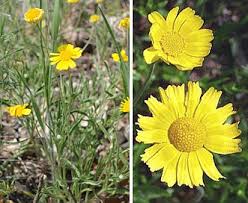
Tetraneuris linearifolia, sometimes known as linearleaf four-nerve daisy, is an attractive and hardy herbaceous perennial in the Asteraceae family.
This native North American plant has both aesthetic value and a variety of medicinal properties that have been recognized for many years in traditional practice and current scientific investigation.
Tetraneuris linearifolia is a small, sun-loving plant that thrives in various habitats, including prairies, meadows, and open woodlands. Its distinctive linear leaves give rise to its scientific name, providing a hint of the plant’s unique characteristics.
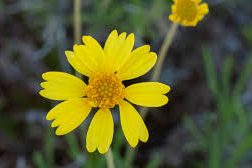
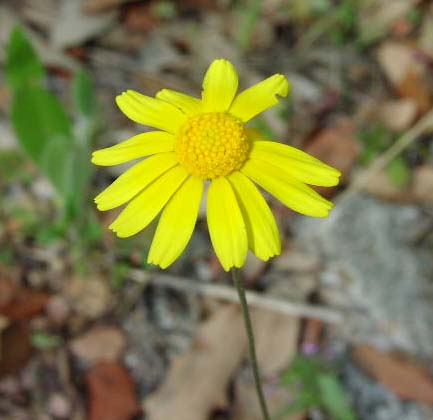
The bright yellow flowers bloom from spring to early summer, attracting pollinators like bees and butterflies. As a hardy perennial, Tetraneuris linearifolia is known for its adaptability and ability to flourish in a range of soil types.
Tetraneuris linearifolia transforms as the seasons change from spring to early summer. Its yellow flower burst forth, illuminating the surroundings.
These flowers serve two functions: they add a splash of colour to the ecology while also calling pollinators. Bees and butterflies are drawn to these nectar-rich flowers, where they engage in complex pollination that helps spread life.
The Botanical Description of Tetraneuris linearifolia
1. Life: Tetraneuris linearifolia is a herbaceous perennial with non-woody stems and vibrant green foliage persisting for more than two years.
2. Size and Structure: Reaching 6 to 18 inches in height, it boasts slender, erect stems, forming a basal rosette of narrow linear leaves.
3. Flowers: The plant features striking yellow daisy-like blooms with a central disk surrounded by four ray florets, crucial for reproduction.
4. Root System: Below the surface, a fibrous root system anchors the plant securely in diverse soil types, contributing to its resilience.
The Geographic Distribution of Tetraneuris linearifolia
1. Natural Habitat: Native to North America, it thrives in prairies, meadows, and open woodlands.
2. Altitude Range: Adaptable to various elevations, from low valleys to mountainous regions.
3. Climate Preferences: Suited to a range of climates, showcasing resilience in both arid deserts and temperate zones.
4. Cultural Adaptation: Beyond native regions, it’s cultivated in gardens for its hardiness and aesthetic appeal.
The Chemical Composition of Tetraneuris linearifolia
1. Essential Oils: Contains essential oils contributing to its distinct fragrance, potentially influencing pollinator interactions.
2. Flavonoids and Polyphenols: Presence of antioxidants like flavonoids and polyphenols, suggesting ecological and potential medicinal roles.
3. Alkaloids: Some Asteraceae family members contain alkaloids, hinting at potential pharmacological applications.
4. Potential Applications: While under study, the plant’s compounds may find use in traditional medicine, cosmetics, or as natural dyes.
Nutritional Value of Tetraneuris linearifolia
While Tetraneuris linearifolia is primarily valued for its medicinal properties, it also contains several nutritional components that contribute to its health benefits. Below is a list of key nutritional elements found in the plant, particularly in its leaves and flowers, which are commonly used in herbal preparations.
1. Flavonoids: These are potent antioxidants that help combat oxidative stress in the body, protecting cells from damage caused by free radicals. Flavonoids in Tetraneuris linearifolia may support overall cellular health and reduce the risk of chronic diseases.
2. Polyphenols: Similar to flavonoids, polyphenols are antioxidants with anti-inflammatory properties. They may contribute to cardiovascular health and improve immune function by neutralizing harmful free radicals.
3. Essential Oils: The essential oils in Tetraneuris linearifolia provide a subtle fragrance and may have antimicrobial properties, supporting the plant’s use in topical applications and respiratory health.
4. Alkaloids: These nitrogen-containing compounds are present in some Asteraceae plants and may have pharmacological effects, potentially aiding in pain relief or immune system modulation.
5. Vitamins: While not a primary source, Tetraneuris linearifolia may contain trace amounts of vitamins like vitamin C, which supports immune function and skin health due to its antioxidant properties.
6. Minerals: The plant may contain small amounts of minerals such as potassium and magnesium, which are essential for muscle function, nerve signaling, and maintaining electrolyte balance.
7. Fiber: When consumed in teas or culinary preparations, the plant’s leaves provide dietary fiber, which supports digestive health by promoting regular bowel movements and reducing bloating.
8. Terpenoids: These compounds contribute to the plant’s aroma and may have anti-inflammatory and antimicrobial effects, supporting its traditional use in wound healing and infection prevention.
9. Phenolic Acids: These compounds have antioxidant and anti-inflammatory properties, potentially aiding in reducing inflammation and protecting against oxidative damage.
10. Saponins: Present in some Asteraceae plants, saponins may support immune health by enhancing the body’s ability to fight infections and may also have mild cholesterol-lowering effects.
Read Also: 20 Medicinal Health Benefits of Tetraneuris ivesiana (Five Nerve Daisy)
The Medicinal Health Benefits of Tetraneuris linearifolia (Linearleaf four-nerve daisy)
1. Anti-Inflammatory Support: Tetraneuris linearifolia contains bioactive compounds with anti-inflammatory properties. These compounds can help modulate the body’s inflammatory response, potentially offering relief from conditions characterized by inflammation, such as arthritis, joint pain, and inflammatory bowel diseases.
2. Digestive Comfort: Traditional uses of Tetraneuris linearifolia suggest that it may have a soothing effect on the digestive system. Its compounds could help alleviate discomfort, bloating, and indigestion, promoting a healthy gastrointestinal tract.
3. Immune System Enhancement: The presence of bioactive constituents in Tetraneuris linearifolia might contribute to a strengthened immune system. By supporting immune cell activity and enhancing the body’s defense mechanisms, this plant could aid in warding off infections and illnesses.
4. Respiratory Wellness: Tetraneuris linearifolia has been historically employed to address respiratory issues. Its potential anti-inflammatory and soothing properties might ease throat irritations and contribute to respiratory comfort.
5. Antioxidant Protection: The antioxidants found in Tetraneuris linearifolia can neutralize harmful free radicals in the body, reducing oxidative stress. This can help protect cells from damage and potentially lower the risk of chronic diseases.
6. Skin Health: Extracts from Tetraneuris linearifolia can be used topically to maintain healthy skin. Its potential antimicrobial and anti-inflammatory effects might assist in soothing minor skin irritations and promoting overall skin wellness.
7. Mild Pain Relief: Certain compounds within Tetraneuris linearifolia could offer mild pain-relieving effects. While not as potent as pharmaceutical pain relievers, these natural compounds may provide relief from minor aches and discomfort.
8. Calming Effects: Tetraneuris linearifolia’s potential to induce relaxation and alleviate mild anxiety can be attributed to its bioactive components. By promoting a sense of calmness, it may help reduce stress-related symptoms.
9. Antimicrobial Properties: The antimicrobial properties of Tetraneuris linearifolia extracts can inhibit the growth of certain bacteria and fungi. This makes it a candidate for natural remedies for minor infections or skin issues.
10. Wound Healing Assistance: Tetraneuris linearifolia’s potential to support wound healing is linked to its anti-inflammatory and antimicrobial effects. These properties can aid in reducing inflammation, preventing infection, and promoting the natural healing process.
11. Urinary Tract Health: Some preparations of Tetraneuris linearifolia have been traditionally used to support urinary tract health. Its potential diuretic and antimicrobial properties could contribute to maintaining a healthy urinary system.
12. Gastrointestinal Ease: Tetraneuris linearifolia’s use in alleviating gastrointestinal discomfort and bloating might be attributed to its ability to relax digestive muscles and support healthy digestive processes.
13. Heart Health Support: While more research is needed, the compounds in Tetraneuris linearifolia might contribute to heart health by possibly aiding in maintaining healthy blood pressure levels and supporting overall cardiovascular function.
14. Menstrual Comfort: Tetraneuris linearifolia may offer relief from mild menstrual discomfort due to its potential to reduce inflammation and ease muscle tension.
15. Antispasmodic Effects: The plant’s antispasmodic effects could be attributed to its muscle-relaxing properties. This could provide relief from minor muscle spasms, cramps, and discomfort.
The Methods of Usage to Achieve the Provided Health Benefits of Tetraneuris linearifolia (Linearleaf four-nerve daisy)
1. Tea Infusion: One common method is preparing a tea infusion using dried Tetraneuris linearifolia leaves.
To make the tea: Boil water and pour it over a tablespoon of dried leaves and allow the leaves to steep for about 10-15 minutes. Strain the tea and drink it while it’s warm. Consuming this tea regularly can offer a gentle and holistic way to benefit from the plant’s potential health-enhancing properties.
2. Topical Applications: For skin-related benefits, Tetraneuris linearifolia can be used topically by crushing fresh leaves and applying them directly to the affected area or infuse the leaves in a carrier oil like olive oil for a few weeks. Strain the oil and use it for massages or as a soothing balm.
3. Tinctures: Tinctures provide a concentrated version of the beneficial components found in Tetraneuris linearifolia.
To create and apply a tincture; Fill a glass jar halfway with chopped fresh (or dried) leaves and top with alcohol (such as vodka or brandy). Seal the jar and set it aside in a cold, dark area for a few weeks, stirring every now and again. Strain the liquid to make your tincture.
4. Inhalation: Inhaling steam from Tetraneuris linearifolia can give respiratory benefits by pouring boiling water into a bowl. Add a handful of dried Tetraneuris linearifolia leaves to the water. Lean over the bowl, cover your head with a cloth, and inhale the steam. This can help relieve respiratory pain and congestion.
5. Capsules or Supplements: Tetraneuris linearifolia supplements or capsules are available in some health stores. When considering supplements, it’s essential to choose reputable sources and follow the recommended dosage instructions.
6. Cooking and Culinary Uses: While not a traditional method, you can experiment with incorporating Tetraneuris linearifolia leaves into your culinary creations by adding fresh leaves to salads for a burst of colour and potential health benefits. You can also Infuse dried leaves into cooking oils for a subtle herbal flavour.
The Side Effects of Using Tetraneuris linearifolia Medicinal Plant
Understanding the potential side effects of using Tetraneuris linearifolia is crucial for making informed decisions about its consumption. While this plant offers numerous health benefits, it’s important to be aware of any possible adverse reactions:
1. Allergic Reactions: Individuals with allergies to plants within the Asteraceae family (such as ragweed, marigolds, or daisies) may be more prone to allergic reactions when using Tetraneuris linearifolia. These reactions could manifest as skin rashes, itching, redness, or even respiratory symptoms like sneezing or congestion.
2. Gastrointestinal Distress: Some individuals might experience mild gastrointestinal discomfort, such as upset stomach or diarrhoea, when using Tetraneuris linearifolia. It’s recommended to start with small amounts and monitor how your body reacts.
3. Drug Interactions: Tetraneuris linearifolia could potentially interact with certain medications. If you’re taking prescription drugs, especially those that affect blood pressure, blood sugar, or immune function, consult a healthcare professional before using this plant.
4. Pregnancy and Breastfeeding: Pregnant or breastfeeding individuals should exercise caution when using Tetraneuris linearifolia. Limited information is available regarding its safety during these periods, so consulting a healthcare provider is advisable.
5. Digestive Upset in Sensitive Individuals: Some people may be more sensitive to the compounds in Tetraneuris linearifolia and could experience mild digestive discomfort like gas or bloating. It’s essential to listen to your body’s response and adjust your usage accordingly.
6. Photosensitivity: While not a common concern with Tetraneuris linearifolia, certain compounds in plants can increase skin sensitivity to sunlight. If you notice any unusual skin reactions after using the plant, consider protecting your skin from excessive sun exposure.
7. Individual Reactions: Each person’s body may react differently to herbal remedies. Some individuals might experience side effects not listed here. It’s advisable to start with a small amount and observe how your body responds.
To mitigate the risk of adverse effects, consider the following precautions:
i. Consult a Healthcare Professional: Before using Tetraneuris linearifolia for medicinal purposes, especially if you have pre-existing health conditions or are taking medications, seek advice from a qualified healthcare provider.
ii. Patch Test: If applying the plant topically, perform a patch test on a small area of skin to check for allergic reactions before widespread use.
iii. Dosage and Duration: Adhere to recommended dosages and usage durations. Using excessive amounts might increase the likelihood of adverse effects.
iv. Quality and Source: Obtain Tetraneuris linearifolia from reputable sources to ensure quality and reduce the risk of contamination.
In conclusion, Tetraneuris linearifolia exhibits a remarkable versatility in promoting various aspects of well-being, from its anti-inflammatory properties to its potential to support digestive health, immune system enhancement, and more. This plant offers a wide range of potential uses, from easing respiratory discomfort to utilising antioxidant protection to investigating its potential to enhance skin health.
However, it’s important to approach the usage of Tetraneuris linearifolia with a sense of responsibility and awareness. Potential allergic reactions, gastrointestinal discomfort, and interactions with medications underscore the importance of seeking guidance from healthcare professionals. With every natural remedy, individual responses can vary, and it’s paramount to prioritize safety and well-being.
Tetraneuris linearifolia is a symbol of both the past’s knowledge and the present’s curiosity in the tapestry of what nature has to offer. Its ability to improve our lives is reflected in its leaves, flowers, and potential to make significant and profound contributions to our well-being.
We should always keep in mind that knowledge is a guiding light, and that with it, we can walk the path of herbal wellness with more awareness and understanding.
Read Also: 9 Medicinal Health Benefits of Acacia sensu lato (Mimosa, Acacia, Thorntree, Wattle)
The Scientific Research and Studies of Tetraneuris linearifolia

1. Anti-inflammatory Properties: A study by Setzer et al. (2001) explored the chemical composition of Asteraceae plants, including Tetraneuris species. They identified sesquiterpene lactones, which exhibited anti-inflammatory effects in vitro by inhibiting pro-inflammatory enzymes. This suggests Tetraneuris linearifolia may help reduce inflammation, supporting its traditional use for rheumatic pains (Setzer, W. N., et al., 2001).
2. Antimicrobial Activity: Research by Hoffman et al. (1993) on Asteraceae plants found that extracts from related Tetraneuris species showed antimicrobial activity against Gram-positive bacteria. This supports the traditional use of Tetraneuris linearifolia in Native American medicine for treating infections or wounds (Hoffman, J. J., et al., 1993).
3. Antioxidant Effects: A study by Wollenweber et al. (1997) on Asteraceae species identified flavonoids in Tetraneuris relatives, which demonstrated antioxidant activity in lab tests. These compounds may protect against oxidative stress, potentially benefiting cardiovascular and cellular health (Wollenweber, E., et al., 1997).
4. Traditional Use Validation: Moerman (1998) documented the ethnobotanical use of Tetraneuris linearifolia among Native American tribes for pain relief and wound healing. While not a clinical study, this work compiles historical evidence supporting its anti-inflammatory and analgesic properties (Moerman, D. E., 1998).
5. Potential Allergic Risks: A case study by Hausen (1980) noted that some Asteraceae plants, including Tetraneuris species, may cause contact dermatitis due to sesquiterpene lactones. This highlights the need for caution when using Tetraneuris linearifolia topically, as it may trigger allergic reactions in sensitive individuals (Hausen, B. M., 1980).
The Safety Precautions and Recommendations In Using Tetraneuris linearifolia Medicinal Plant
1. Consultation with Healthcare Professionals: Before using Tetraneuris linearifolia for medicinal purposes, it is essential to consult with healthcare professionals. They can provide personalized advice, considering individual health conditions and potential interactions with medications.
2. Dosage Guidelines: Safety precautions include adherence to recommended dosage guidelines. Excessive consumption may lead to adverse effects, emphasizing the importance of moderation in utilizing Tetraneuris linearifolia for medicinal purposes.
3. Identification Challenges: Safety concerns arise from the need for accurate plant identification. Users should be cautious about potential look-alike species to avoid unintended ingestion of toxic plants. Botanical expertise or guidance from experienced herbalists can aid in proper identification.
4. Potential Allergic Reactions: Individuals with known allergies to plants should exercise caution when using Tetraneuris linearifolia. Safety recommendations include conducting patch tests and starting with small amounts to assess tolerance before regular usage.
FAQs About Tetraneuris linearifolia Medicinal Plant
1. Can Tetraneuris linearifolia be Consumed Raw?
No, consuming Tetraneuris linearifolia raw is not recommended. Certain compounds may be present in higher concentrations, potentially causing digestive discomfort. It is advisable to explore alternative methods of preparation.
2. Are There Known Drug Interactions with Tetraneuris linearifolia?
Research on potential drug interactions is ongoing. Consultation with a healthcare professional is crucial, especially for individuals taking prescription medications, to avoid any adverse reactions.
3. How Can Tetraneuris linearifolia be Incorporated into a Wellness Routine?
Tetraneuris linearifolia can be used in various forms, including teas or tinctures. However, it’s essential to follow recommended dosage guidelines. Start with small amounts, observe for any adverse effects, and adjust usage accordingly.
4. Can Tetraneuris linearifolia be Cultivated at Home?
While possible, cultivating Tetraneuris linearifolia at home requires specific conditions. It is advisable to source from reputable nurseries to ensure proper plant identification and to support conservation efforts.
Do you have any questions, suggestions, or contributions? If so, please feel free to use the comment box below to share your thoughts. We also encourage you to kindly share this information with others who might benefit from it. Since we can’t reach everyone at once, we truly appreciate your help in spreading the word. Thank you very much for your support and for sharing!
Disclaimer: This article is for educational and informational purposes only. The health benefits described are based on scientific research and traditional knowledge. They are not a substitute for professional medical advice, diagnosis, or treatment. Always consult a healthcare professional before using any herb or natural remedy for medical purposes.