


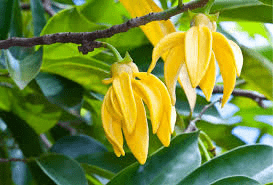
Ylang-ylang (Cananga odorata) is a medicinal plant that is native to the tropical regions of Southeast Asia, particularly Indonesia, Malaysia, and the Philippines. The plant is renowned for its highly fragrant flowers, from which an essential oil is extracted. This essential oil is widely used in traditional medicine for its potential therapeutic properties.
Ylang-ylang is a tropical evergreen tree that is native to regions in Southeast Asia, particularly Indonesia, Malaysia and the Philippines. It thrives in humid, tropical climates and is often found in rainforests and coastal areas.
Ylang-ylang trees can grow to impressive heights of up to 20 meters (65 feet) or more. The trees have a sturdy trunk with a branching canopy of glossy leaves.
Ylang-ylang leaves are large, smooth and glossy. The leaves are typically elliptical in shape, with pointed tips and slightly wavy edges. They have a deep green color and a leathery texture. The leaves are arranged alternately along the branches of the tree.
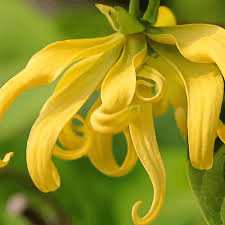
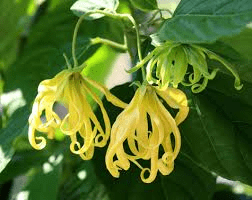
The most distinctive feature of the ylang-ylang tree is its fragrant flowers, which are renowned for their exquisite scent. The flowers are small and star-shaped with six narrow petals that radiate from a central tubular structure.
Ylang-ylang flowers form in pendulous clusters known as inflorescences. The color of the flowers can range from pale yellow to deep yellow or even shades of pink. The flowers’ fragrance is sweet, floral and often described as exotic and sensual.
Ylang-ylang produces small, oval-shaped fruits that are about the size of olives.The fruits turn from green to black as they mature and contain seeds.
The bark of the ylang-ylang tree is grayish-brown and typically smooth. As the tree ages, the bark can become more textured with shallow furrows and fissures.
Ylang-ylang trees have a well-developed root system that helps anchor them in the tropical soil.
Ylang-ylang flowers hold cultural and traditional significance in the regions where they are grown. They are often used in ceremonies, weddings and rituals. The flowers of ylang-ylang are harvested for their essential oil content. The flowers are usually hand-picked in the early morning when their fragrance is most potent.
Read Also: 6 Medicinal Health Benefits of Camphor Tree (Cinnamomum Camphora)
The Medicinal Health Benefits of Ylang-ylang (Cananga Odorata)
Ylang-ylang (Cananga odorata) essential oil is believed to offer various potential health benefits. Here are 16 medicinal health benefits attributed to ylang-ylang oil:
1. Stress Reduction and Relaxation: Ylang-ylang oil is often used in aromatherapy to promote relaxation and reduce stress and anxiety. Adding a few drops of ylang-ylang oil to a diffuser and inhaling the aroma to create a calming atmosphere.
2. Improved Mood: The aromatic compounds in ylang-ylang are thought to have mood-enhancing properties, potentially helping to alleviate symptoms of depression and boost overall mood. Diluting ylang-ylang oil in a carrier oil and using it in a massage to enhance relaxation and uplift the spirits.
3. Aphrodisiac Effects: Ylang-ylang’s exotic and sensual aroma is believed to have aphrodisiac qualities, promoting feelings of intimacy and desire. Diffusing ylang-ylang oil in the bedroom to create a romantic atmosphere.
4. Blood Pressure Regulation: Ylang-ylang oil might have a calming effect on the nervous system, potentially helping to regulate blood pressure. Adding a few drops of ylang-ylang oil to a warm bath to promote relaxation and support blood pressure balance.
5. Skin Health: Ylang-ylang oil is used in skincare for its potential to balance oil production, soothe irritated skin and improve the appearance of scars and blemishes. Mixing a few drops of ylang-ylang oil with a carrier oil and applying it to the face to maintain healthy skin.
6. Hair Care: Ylang-ylang oil is believed to stimulate hair growth and promote a healthy scalp. Adding a few drops of ylang-ylang oil to your regular shampoo or conditioner to support hair health.
7. Antiseptic Properties: Ylang-ylang oil’s potential antiseptic properties might make it useful for minor wound care and skin infections. Diluting ylang-ylang oil and applying it to a clean cotton ball for gentle wound cleansing.
8. Anti-Inflammatory Effects: Ylang-ylang oil could have anti-inflammatory properties, potentially helping to soothe skin inflammation. Mixing ylang-ylang oil with aloe vera gel and applying it to sunburned skin for relief.
9. Nervous System Support: Ylang-ylang’s calming scent may have a positive impact on the nervous system, helping to reduce nervous tension and restlessness. Adding a drop of ylang-ylang oil to a handkerchief and inhaling deeply during stressful situations.
10. Headache Relief: Ylang-ylang’s soothing properties might help alleviate headaches and migraines. Blending ylang-ylang oil with a carrier oil and massaging it onto temples and neck.
11. Digestive Comfort: Ylang-ylang oil’s relaxation effects might extend to the digestive system, potentially helping to reduce digestive discomfort. Diluting ylang-ylang oil and gently massaging the abdomen in a clockwise motion.
12. Pain Management: Ylang-ylang oil could be used for topical pain relief due to its potential analgesic properties. Adding a few drops of ylang-ylang oil to a warm compress and applying it to sore muscles.
13. Respiratory Health: Inhaling ylang-ylang oil’s aroma might support respiratory health by promoting relaxation and reducing tension. Using ylang-ylang oil in steam inhalation for respiratory comfort during colds.
14. Improved Sleep: Ylang-ylang’s calming effects could aid in improving sleep quality and promoting restfulness. Diffusing ylang-ylang oil in the bedroom before bedtime to create a soothing sleep environment.
15. Circulation Enhancement: Ylang-ylang oil’s potential to relax blood vessels could support healthy circulation. Adding a few drops of ylang-ylang oil to a carrier oil and using it for a relaxing massage.
16. Emotional Balance: Ylang-ylang oil’s aroma might help balance emotions, potentially aiding in managing mood swings and emotional fluctuations. Inhaling ylang-ylang oil directly from the bottle when feeling emotionally overwhelmed.
Read Also: 12 Medicinal Health Benefits of Nerium (Nerium Oleander)
The Methods of Usage to Achieve the Provided Health Benefits of Ylang-ylang (Cananga Odorata)
Here’s a detailed explanation of the methods of usage to achieve the provided medicinal health benefits of ylang-ylang essential oil:
1. Stress Reduction and Relaxation: Use an essential oil diffuser. Add 5-7 drops of ylang-ylang oil to an ultrasonic diffuser filled with water. Turn on the diffuser to disperse the aromatic mist into the air. Inhale deeply to experience relaxation.
2. Improved Mood: Aromatherapy massage. Dilute 2-3 drops of ylang-ylang oil in 1 tablespoon of a carrier oil (such as jojoba or coconut oil). Gently massage the oil onto your skin, paying attention to pulse points like wrists and neck.
3. Aphrodisiac Effects: Room spray or diffuser blend. Create a romantic atmosphere by mixing 5 drops of ylang-ylang oil with 3 drops of sandalwood oil and 2 drops of jasmine oil. Add the blend to a spray bottle filled with water and spritz around the room.
4. Blood Pressure Regulation: Aromatic bath. Add 8-10 drops of ylang-ylang oil to a warm bath. Soak for about 20 minutes, inhaling deeply to enjoy the calming effects.
5. Skin Health: Facial oil. Mix 1-2 drops of ylang-ylang oil with 1 tablespoon of a gentle carrier oil (such as rosehip or grapeseed oil). Apply a small amount to your face after cleansing.
6. Hair Care: Scalp massage. Blend 4-5 drops of ylang-ylang oil with 1 tablespoon of coconut oil. Massage the mixture into your scalp, allowing it to sit for about 30 minutes before shampooing.
7. Antiseptic Properties: Topical application. Dilute 1-2 drops of ylang-ylang oil in 1 teaspoon of a carrier oil. Apply the mixture to a clean cotton ball and dab gently on minor wounds or skin irritations.
8. Anti-Inflammatory Effects: Cooling compress. Add 3-4 drops of ylang-ylang oil to a bowl of cold water. Soak a clean cloth in the water, wring it out and apply the cloth to inflamed skin.
9. Nervous System Support: Inhalation. Place a drop of ylang-ylang oil on a tissue or cotton ball. Inhale deeply when needed to calm nerves.
10. Headache Relief: Aromatherapy blend. Mix 3 drops of ylang-ylang oil with 3 drops of lavender oil. Add the blend to a bowl of steaming hot water and lean over it, inhaling deeply.
11. Digestive Comfort: Abdominal massage. Dilute 2-3 drops of ylang-ylang oil in 1 tablespoon of a carrier oil. Gently massage the oil onto your abdomen in a clockwise motion.
12. Pain Management: Topical application. Dilute 3-4 drops of ylang-ylang oil in 1 tablespoon of a carrier oil. Massage the oil onto areas of discomfort.
13. Respiratory Health: Steam inhalation. Add 3-4 drops of ylang-ylang oil to a bowl of hot water. Place your head over the bowl, cover it with a towel and inhale the steam.
14. Improved Sleep: Bedtime diffuser blend. Blend 4 drops of ylang-ylang oil with 2 drops of bergamot oil. Diffuse the blend in your bedroom before going to sleep.
15. Circulation Enhancement: Massage oil. Mix 5-6 drops of ylang-ylang oil with 1 tablespoon of a carrier oil. Use the blend to give yourself a relaxing massage.
16. Emotional Balance: Direct inhalation. Place 1-2 drops of ylang-ylang oil on a tissue and hold it close to your nose, inhaling deeply when you need emotional balance.
Remember that ylang-ylang essential oil is potent, so always start with a small amount and perform a patch test before applying to larger areas of skin.
The Side Effects of Using Ylang-ylang Medicinal Plant
While ylang-ylang essential oil is generally considered safe for many people, it can cause side effects in some individuals, especially when used excessively or without proper dilution. Here are five potential side effects of using ylang-ylang essential oil:
1. Skin Irritation and Allergic Reactions: Ylang-ylang oil, when applied directly to the skin without proper dilution, can cause skin irritation, redness, itching and allergic reactions. Some individuals may be more sensitive to essential oils, leading to adverse skin reactions.
2. Nausea and Headaches: The strong and intense aroma of ylang-ylang oil can be overwhelming for some people, potentially leading to symptoms like headaches and nausea, especially in those who are sensitive to strong fragrances.
3. Hormonal Effects: Ylang-ylang oil is believed to have a potential effect on hormonal balance. In some cases, excessive or prolonged use of ylang-ylang oil may disrupt hormonal equilibrium, especially for individuals with existing hormonal conditions.
4. Low Blood Pressure: Ylang-ylang oil’s calming properties can potentially lower blood pressure. While this effect can be beneficial for some individuals, those with already low blood pressure should use ylang-ylang with caution, as it might lead to excessive lowering of blood pressure levels.
5. Respiratory Irritation: Inhaling large amounts of ylang-ylang oil vapor, especially in individuals with respiratory sensitivities, could potentially cause respiratory irritation, coughing, or discomfort
Nutritional Value of Ylang-ylang (Cananga odorata)
1. Linalool: Linalool is a major monoterpene alcohol in ylang-ylang essential oil, comprising up to 20-30% of its composition, known for its calming and anti-anxiety effects while contributing to the oil’s floral scent.
2. Benzyl Acetate: This ester makes up about 15-25% of the essential oil, providing a sweet, fruity aroma and supporting antimicrobial properties that help in preserving food and cosmetics.
3. p-Cresyl Methyl Ether: Accounting for around 10-20%, this compound adds a phenolic note to the oil, aiding in antioxidant activity to protect against oxidative stress in the body.
4. Geranyl Acetate: Present at 5-15%, geranyl acetate contributes to the oil’s anti-inflammatory effects, helping to reduce skin irritation and promote wound healing.
5. β-Caryophyllene: This sesquiterpene, about 5-10% of the oil, offers anti-inflammatory and analgesic benefits, potentially easing pain and inflammation in conditions like arthritis.
6. Benzyl Benzoate: Comprising 1-5%, it acts as a fixative in perfumes and has mild antiparasitic properties, useful against lice and skin infections.
7. Farnesol: At 2-8%, farnesol provides antimicrobial and antifungal effects, supporting its use in treating dandruff and scalp conditions.
8. Eugenol: Found in trace to low amounts (1-3%), eugenol contributes to the oil’s analgesic and antiseptic qualities, beneficial for oral health and pain relief.
9. Methyl Benzoate: This ester, around 5-10%, enhances the oil’s hypotensive effects, helping to lower blood pressure and promote relaxation.
10. Germacrene D: Present at 3-7%, it adds to the overall antioxidant capacity, protecting cells from damage and supporting immune function.
Ylang-ylang essential oil’s rich profile of volatile compounds makes it a valuable addition to aromatherapy and topical applications, though it is primarily used for its therapeutic rather than caloric nutritional value, with low overall intake levels ensuring safety in typical uses.
Scientific Evidence and Case Studies on Ylang-ylang (Cananga odorata)
1. Hongratanaworakit (2006): This study examined the transdermal absorption of ylang-ylang oil in 40 healthy volunteers, finding it significantly decreased blood pressure and pulse rate while increasing subjective alertness, indicating a relaxing yet stimulating effect suitable for stress relief. Hongratanaworakit, T. (2006). Relaxing effect of ylang ylang oil on humans after transdermal absorption. Phytotherapy Research, 20(10), 758-763.
2. Hongratanaworakit & Buchbauer (2004): Involving 24 participants, inhalation of ylang-ylang oil led to lowered blood pressure and heart rate compared to placebo, with self-reports showing enhanced attentiveness, supporting its use in aromatherapy for anxiety reduction. Hongratanaworakit, T., & Buchbauer, G. (2004). Evaluation of the harmonizing effect of ylang-ylang oil on humans after inhalation. Planta Medica, 70(7), 632-636.
3. Tan et al. (2015): A comprehensive review of ylang-ylang’s phytochemistry revealed antimicrobial, antioxidant, and anti-inflammatory activities from its essential oil components, confirming traditional uses for skin ailments and infections in various studies. Tan, L. T., Lee, L. H., Yin, W. F., Chan, C. K., Abdul Kadir, H., Chan, K. G., & Goh, B. H. (2015). Traditional uses, phytochemistry, and bioactivities of Cananga odorata (Ylang-Ylang). Evidence-Based Complementary and Alternative Medicine, 2015, 896314.
4. Borgonetti et al. (2022): In a mouse model of neuropathic pain, ylang-ylang essential oil reduced pain behaviors and associated anxiety symptoms, suggesting potential for managing chronic pain and related psychological effects. Borgonetti, V., López, V., & Galeotti, N. (2022). Ylang-ylang (Cananga odorata (Lam.) Hook. f. & Thomson) essential oil reduced neuropathic-pain and associated anxiety symptoms in mice. Journal of Ethnopharmacology, 294, 115362.
5. Pezantes-Orellana et al. (2022): The study demonstrated that ylang-ylang essential oil inhibited inflammatory markers in vitro and reduced paw edema in vivo, highlighting its anti-inflammatory benefits for acute responses. Pezantes-Orellana, C., German Bermúdez, F., Matías De la Cruz, C., Montalvo, J. L., & Orellana-Manzano, A. (2022). Effect of ylang-ylang (Cananga odorata Hook. f. & Thomson) essential oil on acute inflammatory response in vitro and in vivo. Molecules, 27(12), 3666.
6. Zhang et al. (2016): Exposure to ylang-ylang oil in mice via inhalation showed anxiolytic effects by modulating serotonin and dopamine pathways, reducing anxiety-like behaviors in elevated plus maze tests. Zhang, N., Zhang, L., Feng, L., & Yao, L. (2016). The anxiolytic effect of essential oil of Cananga odorata exposure on mice and determination of its major active constituents. Phytomedicine, 23(14), 1727-1734.
These studies underscore ylang-ylang’s proven benefits in relaxation, pain management, and anti-inflammatory applications, backed by both human and animal models, positioning it as a promising natural therapeutic agent.
Frequently Asked Questions About Ylang-ylang (Cananga odorata)
1. What is Ylang-ylang (Cananga odorata)?
Ylang-ylang is a tropical tree native to Southeast Asia, known for its fragrant yellow flowers from which essential oil is extracted for use in perfumes, aromatherapy, and traditional medicine.
2. What are the main uses of Ylang-ylang essential oil?
It is primarily used in perfumery for its floral scent, in aromatherapy for relaxation, and in cosmetics for skin and hair care, with traditional applications for treating anxiety and high blood pressure.
3. Is Ylang-ylang oil safe for skin application?
Yes, when diluted properly, it is generally safe, but undiluted use may cause irritation; patch testing is recommended, especially for sensitive skin.
4. Can Ylang-ylang help with anxiety and stress?
Studies show that inhaling or applying ylang-ylang oil can reduce anxiety symptoms, lower blood pressure, and promote relaxation through its effects on the nervous system.
5. What are the potential side effects of Ylang-ylang?
Possible side effects include skin irritation, headaches, or nausea if overused; pregnant women and those with low blood pressure should consult a doctor before use.
6. How is Ylang-ylang essential oil extracted?
It is extracted via steam distillation of the fresh flowers, producing different grades like ylang-ylang extra, first, second, and third, based on distillation fractions.
7. Is Ylang-ylang used in food?
Yes, it is approved as a flavoring agent in small amounts for foods like candies and beverages, recognized as generally safe by regulatory bodies.
8. Where does Ylang-ylang grow?
Native to the Philippines, Malaysia, and Indonesia, it thrives in tropical climates and has been cultivated in regions like Madagascar, India, and parts of Africa.
Do you have any questions, suggestions, or contributions? If so, please feel free to use the comment box below to share your thoughts. We also encourage you to kindly share this information with others who might benefit from it. Since we can’t reach everyone at once, we truly appreciate your help in spreading the word. Thank you very much for your support and for sharing!
Disclaimer: This article is for educational and informational purposes only. The health benefits described are based on scientific research and traditional knowledge. They are not a substitute for professional medical advice, diagnosis, or treatment. Always consult a healthcare professional before using any herb or natural remedy for medical purposes.