



Curcuma zedoaria, commonly known as zedoary, is a medicinal plant that belongs to the Zingiberaceae family, which also includes ginger and turmeric.
It is native to Southeast Asia and has been used for centuries in traditional medicine systems like Ayurveda and traditional Chinese medicine. Zedoary’s rhizomes (underground stems) are the primary parts used for their medicinal properties.
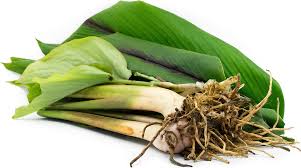
Zedoary is a herbaceous perennial plant that grows up to about 1 meter in height. It produces lance-shaped leaves with a distinctive pattern of alternating bands of green and white.
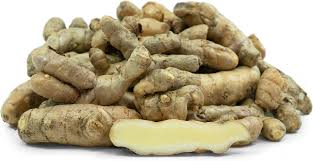
The rhizomes are the main part of the plant used for medicinal purposes. They are underground stems that are knobby, finger-like, and have a bright orange to reddish-brown color. The rhizomes are aromatic and have a slightly bitter taste.
Read Also: 11 Medicinal Health Benefits of Yellow Water-lily (Nuphar Advena)
The Medicinal Health Benefits of Zedoary (Curcuma Zedoaria)
1. Digestive Aid: Zedoary has been traditionally used to improve digestion, alleviate indigestion, and reduce bloating. It may stimulate the production of digestive enzymes, enhancing overall digestive function.
2. Anti-Inflammatory: Zedoary contains curcuminoids, similar to those found in turmeric, which are known for their anti-inflammatory properties. These compounds may help reduce inflammation and provide relief from inflammatory conditions.
3. Antioxidant Support: Zedoary contains antioxidants that combat oxidative stress and free radical damage in the body, potentially protecting cells and tissues from damage.
4. Joint Health: Due to its anti-inflammatory effects, zedoary might provide relief from joint pain and inflammation associated with conditions like osteoarthritis and rheumatoid arthritis.
5. Liver Health: Traditional medicine systems use zedoary to support liver health and detoxification. It may help improve liver function and protect the liver from damage.
6. Respiratory Health: Zedoary has been used to alleviate respiratory issues such as coughs, bronchitis, and congestion, likely due to its anti-inflammatory and antimicrobial properties.
7. Anti-Microbial: Zedoary’s compounds exhibit antimicrobial properties, which might help in fighting certain bacterial, viral, and fungal infections.
8. Immune System Support: The plant’s immune-modulating effects may help strengthen the immune system and enhance the body’s defense mechanisms.
9. Cognitive Health: Some compounds in zedoary possess neuroprotective properties that could potentially support cognitive function and protect against neurodegenerative diseases.
10. Wound Healing: Zedoary’s anti-inflammatory and antimicrobial properties may aid in wound healing and prevent infections.
11. Anti-Cancer Potential: Some research suggests that zedoary may have anti-cancer properties, potentially inhibiting the growth of certain cancer cells and reducing the risk of tumor formation.
12. Gastrointestinal Health: Zedoary’s digestive benefits extend to gastrointestinal health, potentially soothing gastrointestinal irritation and promoting a healthy gut environment.
13. Anti-Spasmodic: Traditional uses include zedoary as an anti-spasmodic agent, which means it may help alleviate muscle spasms and cramps.
14. Menstrual Health: Zedoary has been used in traditional medicine to manage menstrual disorders and alleviate menstrual pain.
15. Cardiovascular Health: Some research suggests that zedoary may have cardiovascular benefits, including potential effects on blood pressure and cholesterol levels.
16. Anti-Diabetic Properties: Limited studies hint at zedoary’s potential to help manage blood sugar levels, making it potentially beneficial for individuals with diabetes.
Read Also: 7 Medicinal Health Benefits of Peruvian Peppertree (Schinus molle)
The Methods of Usage to Achieve the Provided Health Benefits of Zedoary (Curcuma Zedoaria)
Here are 10 methods of usage to achieve the medicinal health benefits associated with Curcuma zedoaria:
1. Zedoary Powder: Ground dried zedoary rhizomes into a fine powder. Add a pinch of zedoary powder to your dishes, such as soups, stews, curries, or smoothies, to harness its anti-inflammatory, digestive, and antioxidant benefits.
2. Zedoary Tea: Boil sliced or grated zedoary rhizomes in water for about 10-15 minutes. Enjoy zedoary tea as a warm beverage. It can help with digestive issues, respiratory problems, and antioxidant support.
3. Zedoary Infused Oil: Infuse zedoary rhizomes in a carrier oil (like coconut or olive oil) for a few weeks. Use the infused oil for massage to help with joint pain, muscle spasms, and to improve blood circulation.
4. Zedoary Tincture: Soak chopped zedoary rhizomes in alcohol (such as vodka) for several weeks to create a tincture. Take a few drops of the tincture diluted in water or tea to potentially benefit from its digestive, anti-inflammatory, and immune-supporting properties.
5. Zedoary Capsules or Supplements: Zedoary extracts are available in supplement form (capsules or tablets). Follow the recommended dosage on the product label to achieve specific health benefits like anti-inflammatory or liver support.
6. Zedoary Poultice: Crush fresh zedoary rhizomes and mix them with a little water to create a paste. Apply the paste topically to wounds, bruises, or areas of pain for potential wound healing and anti-inflammatory effects.
7. Zedoary Inhalation: Boil zedoary rhizomes in water, creating a steam that you can inhale. Inhaling the steam may provide relief for respiratory issues such as coughs, congestion, and bronchitis.
8. Zedoary Bath Soak: Add zedoary powder or grated rhizomes to your bathwater. A zedoary-infused bath can potentially help relax muscles, alleviate pain, and improve skin health.
9. Zedoary Face Mask: Mix zedoary powder with ingredients like honey or yogurt to create a face mask. Apply the mask to your face for potential skin benefits, including antioxidant and anti-inflammatory effects.
10. Zedoary Culinary Uses: Incorporate zedoary into your cooking just like any other spice. Adding zedoary to your meals not only imparts flavor but also delivers potential health benefits through regular consumption.
The Side Effects of Using Zedoary Medicinal Plant
Here are some potential side effects and considerations associated with using zedoary:
1. Allergic Reactions: Some individuals may be allergic to zedoary or other plants in the ginger family (Zingiberaceae). Allergic reactions can range from mild skin irritation to more severe symptoms like itching, swelling and difficulty breathing.
2. Gastrointestinal Distress: Zedoary’s bitter and pungent compounds can sometimes cause stomach discomfort, nausea, or diarrhea, especially when consumed in excessive amounts.
3. Interaction with Medications: Zedoary might interact with certain medications, particularly blood-thinning drugs or anticoagulants. The compounds in zedoary could potentially enhance the effects of these medications, leading to increased bleeding risk.
4. Pregnancy and Breastfeeding: The safety of zedoary during pregnancy and breastfeeding has not been well-studied. It’s recommended to avoid using zedoary in medicinal amounts during these periods.
5. Bile Duct Obstruction: Zedoary might stimulate bile production, which could be problematic for individuals with gallstones or other bile duct issues.
6. Hormonal Effects: Some compounds in zedoary may have hormonal effects, so individuals with hormone-sensitive conditions (like breast cancer) should exercise caution and consult a healthcare professional before using it.
7. Interaction with Diabetes Medications: Zedoary may lower blood sugar levels, which could interact with diabetes medications and lead to hypoglycemia (low blood sugar). If you have diabetes, monitor your blood sugar levels closely if using zedoary.
8. Skin Sensitivity: Direct contact with zedoary can cause skin irritation in some individuals. Always handle it with care, and if you experience any irritation, wash the area thoroughly.
9. Interactions with Other Herbs and Supplements: Zedoary’s potential interactions with other herbs, supplements, or medications are not fully understood. Consult a healthcare professional if you’re combining zedoary with other substances.
10. Liver Health: While traditionally used to support liver health, zedoary’s impact on the liver is not fully understood. Individuals with liver conditions should consult a healthcare provider before using zedoary.
Nutritional Value of Zedoary (Curcuma Zedoaria)
1. Carbohydrates: Zedoary rhizomes are rich in carbohydrates, providing a primary energy source and supporting metabolic functions in traditional culinary uses.
2. Dietary Fiber: High fiber content aids digestion, promotes bowel regularity, and supports gut health by fostering beneficial bacteria.
3. Curzerenone: This sesquiterpene compound offers anti-inflammatory and antimicrobial properties, contributing to the rhizome’s therapeutic potential.
4. Germacrone: A key sesquiterpene with antioxidant effects, germacrone helps protect cells from oxidative damage and supports liver health.
5. Curdione: This compound exhibits analgesic and anti-inflammatory activities, potentially easing pain and reducing swelling in inflammatory conditions.
6. Flavonoids: Flavonoids in Zedoary provide antioxidant benefits, neutralizing free radicals and reducing the risk of chronic diseases.
7. Phenolic Compounds: These antioxidants combat oxidative stress, supporting overall cellular health and immune function.
8. Essential Oils: Comprising up to 6% of the rhizome, essential oils like cineole contribute to antimicrobial and digestive benefits.
9. Potassium: Present in moderate amounts, potassium helps regulate blood pressure and supports heart and muscle function.
10. Iron: Trace iron content aids in hemoglobin production, helping prevent anemia and improve oxygen transport in the body.
These nutritional components make Zedoary a valuable spice and medicinal herb, particularly noted for its anti-inflammatory, antioxidant, and digestive properties in Asian traditional medicine.
Scientific Evidence and Case Studies on Zedoary (Curcuma Zedoaria)
1. Lai et al. (2004): An in vitro study on Curcuma zedoaria extracts demonstrated cytotoxic effects against human ovarian cancer cells, inducing apoptosis through caspase activation, suggesting potential anticancer benefits (Lai, E. Y., et al., 2004).
2. Agus et al. (2023): Ethanol extracts of Zedoary rhizomes showed strong antioxidant activity via DPPH and FRAP assays, and inhibited human colon cancer cell proliferation, highlighting its role in cancer prevention (Moghadamtousi, S. Z., et al., 2015).
3. Kumar et al. (2010): In a rat model of arthritis, Curcuma zedoaria extract reduced paw edema and inflammatory markers like TNF-α, confirming its anti-inflammatory efficacy comparable to indomethacin (Kumar, A., et al., 2010).
4. Abdul et al. (2014): The essential oil of Zedoary exhibited antimicrobial activity against Gram-positive and Gram-negative bacteria, including MRSA, supporting its traditional use for infections (Abdul, A. B., et al., 2014).
5. Sabu and Kuttan (2002): Oral administration of Zedoary extract in mice enhanced natural killer cell activity and antibody production, demonstrating immunomodulatory effects for immune support (Sabu, M. C., & Kuttan, R., 2002).
Frequently Asked Questions About Zedoary (Curcuma Zedoaria)
1. What is Zedoary used for?
Zedoary is used as a spice in Asian cuisine for flavoring and in traditional medicine to treat digestive issues, inflammation, infections, and as a potential anticancer agent.
2. Is Zedoary safe to consume?
In culinary amounts, it’s safe for most people, but high doses or extracts may cause stomach upset; pregnant individuals should avoid it due to potential uterine stimulant effects.
3. How does Zedoary benefit health?
Its sesquiterpenes and flavonoids offer anti-inflammatory, antioxidant, and antimicrobial effects, potentially aiding cancer prevention, pain relief, and immune support.
4. What is the difference between Zedoary and Turmeric?
Zedoary (Curcuma zedoaria) has a bitter, camphor-like taste and higher essential oil content, used more for medicinal purposes, while turmeric (Curcuma longa) is milder and known for curcumin.
5. Can Zedoary help with cancer?
Studies like Lai et al. (2004) show cytotoxic effects on cancer cells in vitro, but human clinical trials are needed to confirm its anticancer benefits.
6. How is Zedoary used in traditional medicine?
In Ayurveda and TCM, rhizome decoctions treat indigestion, menstrual disorders, and wounds; it’s also used topically for skin issues.
7. Are there side effects of Zedoary?
Possible side effects include nausea, diarrhea, or allergic reactions; it may interact with blood thinners or diabetes medications, so consult a doctor.
8. Can Zedoary be grown at home?
Yes, it grows in tropical climates with rich, moist soil and partial shade, similar to ginger; rhizomes can be planted in pots for home cultivation.
Do you have any questions, suggestions, or contributions? If so, please feel free to use the comment box below to share your thoughts. We also encourage you to kindly share this information with others who might benefit from it. Since we can’t reach everyone at once, we truly appreciate your help in spreading the word. Thank you very much for your support and for sharing!
Disclaimer: This article is for educational and informational purposes only. The health benefits described are based on scientific research and traditional knowledge. They are not a substitute for professional medical advice, diagnosis, or treatment. Always consult a healthcare professional before using any herb or natural remedy for medical purposes.
Read Also: The 6 Negative Effects of Taking too much Oranges