


Aconitum coreanum, commonly known as Korean Aconitum, is a potent medicinal plant deeply rooted in traditional herbal medicine systems. This article explores the rich history of its medicinal use, provides insights into its botanical description, and discusses the various health benefits it offers.
The use of Aconitum coreanum dates back thousands of years, with records of its medicinal applications in ancient Asian civilizations. It holds a significant place in traditional Korean, Chinese, and Japanese herbal medicine.
In Korea, Aconitum coreanum is a key ingredient in traditional herbal formulations. It has been used to address a wide range of health issues, including pain, inflammation, and respiratory ailments.
Traditional Chinese Medicine (TCM) also recognizes the therapeutic potential of Aconitum coreanum. It is included in various TCM formulas for its analgesic and anti-inflammatory properties.
In Japan, Aconitum coreanum is part of the Kampo medicine tradition, where it is used for pain relief and to improve circulation.
Historical texts like the “Shennong Ben Cao Jing” in China and the “Donguibogam” in Korea mention Aconitum coreanum as a valuable herb with multiple medicinal uses.
Today, modern research is shedding light on the pharmacological properties of Aconitum coreanum, reaffirming its potential in complementary and alternative medicine.
The Botanical Description of Aconitum coreanum
Aconitum coreanum is characterized by its distinctive botanical features, making it easily identifiable. Here are six key aspects of its botanical description:
1. Growth Habit: Aconitum coreanum is a herbaceous perennial plant, which means it lives for several years and produces leaves, stems, and flowers seasonally.
2. Size: This plant typically reaches a height of 30 to 120 centimeters, depending on environmental conditions and maturity.
3. Leaves: The leaves are dark green, deeply lobed, and palmately divided. They have a striking resemblance to the shape of a human hand.
4. Flowers: Aconitum coreanum produces clusters of striking, helmet-shaped flowers. The color of the flowers can vary but is often violet-blue or purple.
5. Stem: The stem is erect, sturdy, and may be covered in fine hairs. It bears the flowers and leaves.
6. Roots: The roots of Aconitum coreanum are tuberous and fleshy. These roots are a valuable part of the plant used for medicinal purposes.
The Geographic Distribution of Aconitum coreanum
Aconitum coreanum, commonly known as Korean Aconitum, exhibits a specific geographic distribution, primarily in East Asia. Here are eight key points explaining its geographic distribution:
1. Native Range: Aconitum coreanum is native to East Asia, particularly regions of Korea, China, and Japan. It thrives in temperate and mountainous areas.
2. Korea: As the name suggests, Korean Aconitum is prevalent in Korea and is considered one of the significant medicinal plants in traditional Korean herbal medicine.
3. China: It is also found in various regions of China, including the northeastern provinces. In Chinese traditional medicine, Aconitum species have been used for centuries.
4. Japan: In Japan, it is known as “Makinoshi” and is used in traditional herbal medicine, particularly in Kampo medicine.
5. Mountainous Regions: Aconitum coreanum typically grows in cool, forested mountainous areas, often at higher elevations.
6. Naturalized in Other Regions: Due to its adaptability, Aconitum coreanum has naturalized in some regions outside its native range.
7. Conservation Status: In some areas, conservation efforts are in place to protect Aconitum coreanum due to its significance in traditional medicine.
8. Medicinal Plant Cultivation: There have been attempts to cultivate Aconitum coreanum to meet the demand for its medicinal properties, particularly in Korea and China.
The Chemical Composition of Aconitum coreanum
Aconitum coreanum possesses a diverse chemical composition that contributes to its medicinal value. Here are eight key components found in this plant:
1. Aconitine: Aconitine is one of the most well-known alkaloids found in Aconitum species, including Aconitum coreanum. It has potent analgesic effects but can be toxic if not properly processed.
2. Alkaloids: Besides aconitine, various other alkaloids, such as hypaconitine and mesaconitine, are present and contribute to the plant’s pharmacological effects.
3. Terpenoids: Terpenoids are compounds with potential anti-inflammatory and analgesic properties.
4. Flavonoids: Flavonoids have antioxidant properties and are believed to contribute to the plant’s anti-inflammatory effects.
5. Triterpenes: Triterpenes, such as beta-sitosterol, are known for their potential anti-inflammatory and immunomodulatory activities.
6. Glycosides: Glycosides are compounds that may have cardiovascular benefits and contribute to the overall chemical profile of Aconitum coreanum.
7. Organic Acids: Organic acids like succinic acid may be present and contribute to the plant’s acidic profile.
8. Essential Oils: Essential oils extracted from this plant may have antimicrobial properties and are used in various traditional remedies.
The Cultivation and Growth of Aconitum coreanum
Aconitum coreanum can be cultivated for its medicinal purposes. Here are six aspects related to its cultivation and growth:
1. Climate Requirements: This plant thrives in temperate climates with cool summers and cold winters, making it well-suited for regions with distinct seasons.
2. Soil Conditions: Aconitum coreanum prefers well-draining, humus-rich soil with a slightly acidic to neutral pH.
3. Sunlight: It typically grows in partial shade to full shade conditions, making it suitable for forested and mountainous areas.
4. Propagation: Aconitum coreanum can be propagated from seeds, division of established plants, or root cuttings.
5. Growth Rate: It is a slow-growing plant, and it may take several years to reach maturity.
6. Maintenance: Regular watering and careful monitoring of environmental conditions are essential to ensure healthy growth.
The Harvesting and Processing of Aconitum coreanum
Harvesting and processing Aconitum coreanum is a crucial step in utilizing its medicinal properties safely. Here are seven considerations in this regard:
1. Harvesting Time: The roots are typically harvested in the fall or early spring when the plant is dormant. Leaves and stems can be harvested during the growing season.
2. Drying: Proper drying techniques are essential to preserve the active compounds. Roots should be thoroughly dried to reduce aconitine content.
3. Root Processing: Roots may undergo various processing methods, including slicing and boiling, to reduce the toxicity of aconitine.
4. Quality Control: Ensuring the quality and purity of harvested plant material is crucial for medicinal use.
5. Traditional Methods: Traditional herbalists may follow specific techniques and rituals during harvesting and processing to enhance the plant’s efficacy.
6. Modern Processing: In commercial settings, modern processing techniques, including extraction and encapsulation, may be employed to create standardized herbal products.
7. Toxicity Awareness: Proper training and awareness of the potential toxicity of Aconitum coreanum and its alkaloid content are essential for safety during harvesting and processing.
Read Also: Growing Guide and Health Benefits of Alligator Pepper
The Medicinal Health Benefits Of Aconitum coreanum (Korean Aconitum)
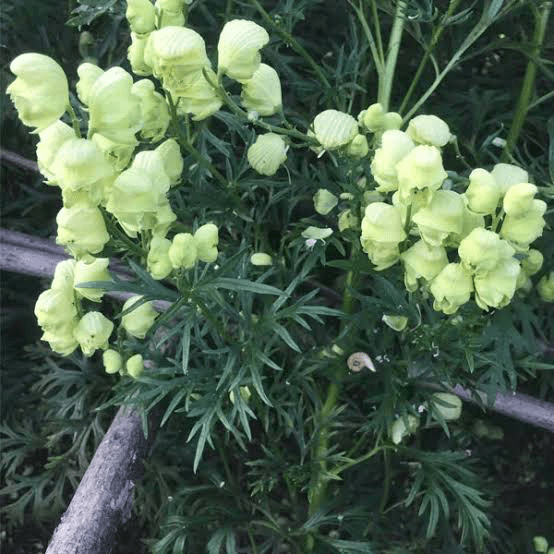
Aconitum coreanum, commonly known as Korean Aconitum, boasts a rich history of medicinal use in traditional Asian medicine systems. Here are 17 of its notable medicinal health benefits:
1. Analgesic Properties: Korean Aconitum is renowned for its potent analgesic effects, providing relief from various types of pain.
2. Anti-Inflammatory: It exhibits anti-inflammatory properties, making it valuable for managing inflammatory conditions such as arthritis.
3. Respiratory Health: Korean Aconitum can alleviate respiratory issues like coughs and bronchitis due to its bronchodilatory effects.
4. Rheumatism Relief: It is used to alleviate symptoms of rheumatism and improve joint mobility.
5. Cardiac Health: It may support cardiovascular health by regulating blood pressure and improving circulation.
6. Fever Reduction: Korean Aconitum has antipyretic properties and can help reduce fever.
7. Immune System Boost: It may enhance immune function, helping the body fight infections more effectively.
8. Nervous System Calming: Some compounds in Korean Aconitum have a calming effect on the nervous system, reducing stress and anxiety.
9. Gastrointestinal Relief: It can alleviate digestive discomfort and may help with conditions like indigestion.
10. Skin Conditions: Topical applications may aid in treating skin conditions such as eczema and psoriasis.
11. Menstrual Health: It has been traditionally used to address menstrual irregularities and discomfort.
12. Detoxification: Korean Aconitum is believed to support liver and kidney detoxification processes.
13. Anti-Edema: It may help reduce edema (swelling) associated with various health conditions.
14. Hypertension Management: Some studies suggest it could be beneficial in managing high blood pressure.
15. Anti-Arrhythmia: It has been studied for its potential in managing irregular heart rhythms.
16. Anticancer Properties: Preliminary research has explored its potential as an anticancer agent, though further studies are needed.
17. Traditional Wisdom: Korean Aconitum has been a staple in traditional herbal formulas, showcasing its trusted role in Asian holistic medicine.
Methods of Usage to Achieve the Provided Health Benefits Of Aconitum coreanum (Korean Aconitum)
To harness the health benefits of Aconitum coreanum, various methods of usage can be employed. Here are eight common approaches:
1. Herbal Tea: Korean Aconitum can be used to prepare herbal teas, which are sipped to enjoy its medicinal properties.
2. Tinctures: Tinctures are concentrated liquid extracts that can be taken orally or diluted in beverages.
3. Topical Compress: For pain relief and skin issues, create a topical compress using Korean Aconitum extract.
4. Capsules and Tablets: Korean Aconitum is available in supplement form, providing a convenient way to incorporate it into your daily routine.
5. Traditional Formulas: In traditional medicine systems, it is often included in complex herbal formulas designed to address specific health issues.
6. Steam Inhalation: Inhaling the steam from Korean Aconitum-infused water can provide respiratory benefits.
7. Poultices: Poultices made from this plant can be applied topically to alleviate localized pain and inflammation.
8. Gargling Solutions: For sore throats and oral health, Korean Aconitum gargling solutions may be used.
Side Effects Of Using Aconitum coreanum Medicinal Plant
While generally safe when used correctly, there are potential side effects associated with Korean Aconitum:
1. Toxicity: Korean Aconitum contains toxic alkaloids, primarily aconitine, which can be dangerous if ingested in excessive amounts or if not properly processed.
2. Nausea and Vomiting: Overconsumption or improper preparation may lead to nausea and vomiting.
3. Cardiac Effects: Excessive use can affect heart rhythm and blood pressure, leading to cardiac issues.
4. Respiratory Distress: In high doses, it may cause respiratory distress and difficulty breathing.
5. Neurological Symptoms: Toxicity can result in neurological symptoms, including numbness and tingling.
6. Digestive Disturbances: Excessive consumption may cause abdominal pain and diarrhea.
7. Skin Irritation: Topical application may cause skin irritation or allergic reactions in some individuals.
8. Pregnancy and Lactation: Korean Aconitum is not recommended during pregnancy or breastfeeding due to its potential toxicity.
Read Also: Growing Guide and Health Benefits of Alligator Pepper
Scientific Research and Studies of Aconitum coreanum (Korean Aconitum)

Scientific research on Aconitum coreanum has shed light on its medicinal properties and safety. Here are seven areas of scientific investigation:
1. Aconitine Toxicity: Research has focused on understanding the toxicity of aconitine in Korean Aconitum and developing safe processing methods.
2. Analgesic Mechanisms: Studies have explored the mechanisms behind its analgesic effects, contributing to pain management research.
3. Anti-Inflammatory Action: Scientific investigations have delved into its anti-inflammatory properties and potential mechanisms of action.
4. Cardiovascular Effects: Research has examined its impact on heart health, including blood pressure regulation and anti-arrhythmia effects.
5. Respiratory Benefits: Studies have explored its use in respiratory conditions, shedding light on its bronchodilatory properties.
6. Immunomodulation: Research has investigated its influence on immune system function and its ability to enhance immune responses.
7. Anticancer Potential: Preliminary research has explored its potential as an anticancer agent, though more studies are needed to confirm these findings.
The Safety Precautions and Recommendations In Using Aconitum coreanum (Korean Aconitum) Medicinal Plant
When using Aconitum coreanum for its medicinal benefits, it is essential to follow safety precautions and recommendations to ensure its proper and safe utilization. Here are eight important precautions and recommendations:
1. Consult a Qualified Herbalist or Healthcare Provider: Seek guidance from a qualified herbalist or healthcare provider before using Aconitum coreanum, especially if you are unfamiliar with its proper use.
2. Proper Dosage: Adhere strictly to recommended dosages provided by a knowledgeable source. Excessive consumption can be dangerous due to its toxic alkaloid content.
3. Preparation and Processing: If you are processing Korean Aconitum yourself, ensure proper preparation and processing methods to reduce toxicity. Traditional methods often involve soaking and cooking the herb.
4. Never Use Raw Plant Material: Never use raw Aconitum coreanum plant material. It must be properly processed to reduce toxic alkaloids.
5. Avoid Self-Medication: Do not self-medicate with Aconitum coreanum. It should be used under the guidance of an experienced herbalist or healthcare provider.
6. Pregnancy and Nursing: Pregnant and nursing women should avoid using this plant due to potential toxicity and the risk to the developing fetus or infant.
7. Monitor for Side Effects: If you experience any adverse effects, such as nausea, vomiting, or cardiac symptoms, discontinue use immediately and seek medical attention.
8. Keep Out of Reach of Children: Store Aconitum coreanum and any related products out of reach of children to prevent accidental ingestion.
The Legal Status and Regulations In Using Aconitum coreanum (Korean Aconitum) Medicinal Plant
The legal status and regulations regarding the use of Aconitum coreanum for medicinal purposes can vary by region and country. Here are seven factors to consider:
1. Traditional Medicine Recognition: In some countries, Aconitum coreanum may be recognized as a traditional herbal remedy and regulated accordingly.
2. Herbal Supplement Laws: Depending on the region, it may be classified as an herbal supplement, subject to regulations governing dietary supplements.
3. Restricted Herbs: In certain areas, specific regulations restrict the sale or use of certain herbs, including Aconitum coreanum, due to concerns about safety or conservation.
4. Quality Control: Products containing Aconitum coreanum should meet quality and safety standards established by regulatory agencies, ensuring purity and potency.
5. Labeling Requirements: Regulations often require clear and accurate labeling of products containing Aconitum coreanum, including dosage instructions and potential side effects.
6. Import and Export Rules: For international trade, the import and export of Aconitum coreanum may be subject to additional regulations and permits.
7. Research and Documentation: The legal status may be influenced by scientific research and documentation of its safety and efficacy.
FAQs About Aconitum coreanum Medicinal Plant
Here are 13 frequently asked questions (FAQs) about Aconitum coreanum as a medicinal plant:
1. What is Aconitum coreanum?
Aconitum coreanum is a medicinal plant with a long history of use in traditional Asian medicine.
2. Is it safe to use Aconitum coreanum?
When used correctly and with proper processing, it can be used safely. Consult a knowledgeable source for guidance.
3. How is it traditionally prepared?
Traditional preparation methods involve soaking and cooking to reduce toxicity.
4. What are the potential health benefits?
It is known for its analgesic, anti-inflammatory, and cardiovascular benefits, among others.
5. Can it be used for respiratory issues?
Yes, it is used to alleviate respiratory conditions like coughs and bronchitis.
6. Are there any side effects?
Yes, excessive consumption can lead to nausea, vomiting, cardiac symptoms, and other adverse effects.
7. Can pregnant women use it?
Pregnant and nursing women should avoid using Aconitum coreanum due to potential toxicity.
8. Does it interact with medications?
It may interact with certain medications, so consult a healthcare provider if you are taking prescription drugs.
9. How should I store Aconitum coreanum products?
Store them in a cool, dry place away from direct sunlight.
10. Where can I purchase Aconitum coreanum products?
You can find them at herbal stores, online retailers, and health food stores.
11. What is the recommended dosage for Aconitum coreanum?
Dosages may vary based on the form and product. Follow label instructions or consult a healthcare provider.
12. Can I grow Aconitum coreanum at home? – It can be cultivated, but proper care and environmental conditions are required.
13. Are there ongoing scientific studies on Aconitum coreanum? – Yes, research on its medicinal properties and safety is ongoing, contributing to our understanding of its benefits and risks.
Do you have any questions, suggestions, or contributions? If so, please feel free to use the comment box below to share your thoughts. We also encourage you to kindly share this information with others who might benefit from it. Since we can’t reach everyone at once, we truly appreciate your help in spreading the word. Thank you very much for your support and for sharing!
Disclaimer: This article is for educational and informational purposes only. The health benefits described are based on scientific research and traditional knowledge. They are not a substitute for professional medical advice, diagnosis, or treatment. Always consult a healthcare professional before using any herb or natural remedy for medical purposes.
Read Also: Mustard Seeds (Brassica nigra): Health Benefits, Facts, and Side Effects