


Mentzelia pumila has a rich history of traditional use among Native American tribes. These indigenous communities recognized the plant’s healing properties and incorporated it into their traditional medicine practices. The plant’s historical significance can be traced back centuries, where it was often used for its medicinal benefits, particularly in addressing common ailments prevalent in the regions it grew.
The use of Mentzelia pumila by these communities gradually caught the attention of early European settlers, who, upon observing its effectiveness, adopted it into their own herbal remedies. Over time, Mentzelia pumila gained recognition in various herbal medicine traditions, solidifying its status as a valuable medicinal plant.
Today, Mentzelia pumila continues to be studied for its potential health benefits, with modern research methods aiming to validate its traditional uses. As a natural remedy, it offers a holistic approach to health and wellness, aligning with the growing interest in herbal medicine and natural alternatives to conventional treatments.
The Botanical Description of Mentzelia Pumila
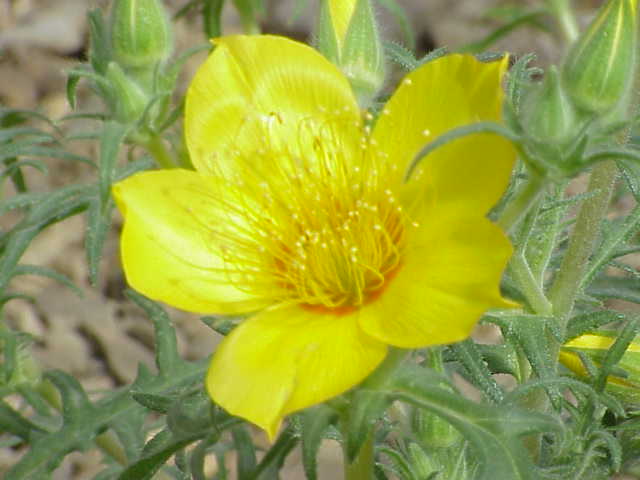
Mentzelia pumila, commonly known as dwarf blazingstar, is a perennial herbaceous plant belonging to the Loasaceae family. This species is characterized by its distinctive appearance and vibrant yellow flowers, which bloom in clusters, creating a striking visual display. Below, we delve into the botanical description of Mentzelia pumila, providing a detailed overview of its key characteristics.
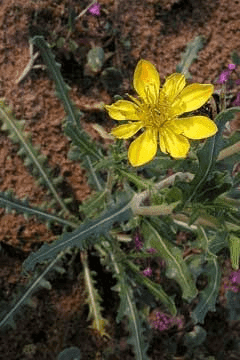
1. Plant Height and Structure: Mentzelia pumila is aptly named as the dwarf blazingstar due to its relatively small size. It typically reaches a height of 15 to 40 centimeters (6 to 16 inches), giving it a compact and low-growing appearance. The plant exhibits an erect and branched stem, adorned with lanceolate leaves that are deeply lobed, contributing to its unique foliage.
2. Flowers: The most notable feature of Mentzelia pumila is its radiant yellow flowers, which bloom in dense clusters at the ends of the stems. Each flower consists of multiple petals arranged in a star-like fashion, creating a visually appealing contrast against the plant’s green foliage. The bright coloration of the flowers serves as a beacon for pollinators, attracting bees, butterflies, and other beneficial insects.
3. Habitat and Geographic Distribution: Mentzelia pumila is primarily found in arid and semi-arid regions of North America. It thrives in well-draining soils, often colonizing rocky slopes, sandy plains, and desert areas. Its ability to withstand dry conditions makes it a resilient species, allowing it to flourish in habitats where water is scarce.
4. Blooming Period: The flowering season of Mentzelia pumila typically occurs during the summer months, spanning from late June to August. During this period, the plant’s yellow blossoms are in full bloom, creating a picturesque scene in its natural habitat.
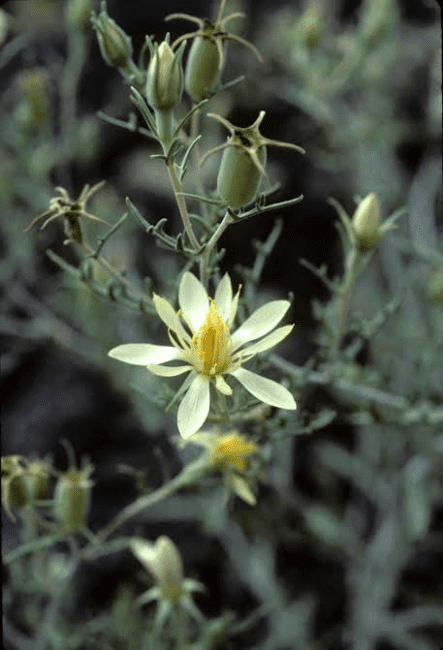
5. Seed Capsules: After the flowering season, Mentzelia pumila produces unique seed capsules. These capsules have a rough texture and are filled with numerous small seeds. As the capsules mature, they split open, dispersing the seeds into the surrounding environment. This natural mechanism ensures the plant’s reproductive success, allowing it to propagate and continue its life cycle.
The Geographic Distribution of Mentzelia Pumila
Mentzelia pumila, commonly known as the dwarf blazingstar, exhibits a specific geographic distribution, primarily inhabiting arid and semi-arid regions across North America. Understanding the plant’s geographical range provides valuable insights into its natural habitat and the conditions necessary for its growth.
1. North American Habitat: Mentzelia pumila is predominantly found in North America, with its distribution spanning regions such as the southwestern United States and northern Mexico. It thrives in habitats characterized by minimal rainfall, including deserts, sandy plains, rocky slopes, and arid grasslands. The plant’s ability to withstand drought and thrive in arid environments makes it well-suited for these regions.
2. Ideal Growing Conditions: Mentzelia pumila prefers well-draining soils, often colonizing areas with sandy or rocky substrates. These soil conditions allow for efficient water drainage, preventing waterlogged roots and ensuring the plant’s survival in water-scarce environments. Additionally, the plant requires ample sunlight, as is typical for species thriving in arid regions.
3. Biotic Interactions: Mentzelia pumila interacts with various organisms within its ecosystem. The plant’s bright yellow flowers serve as a visual attractant for pollinators, including bees and butterflies. These pollinators play a crucial role in the plant’s reproductive process, facilitating cross-pollination and seed production. Additionally, the plant provides habitat and food sources for certain desert-dwelling animals, contributing to the region’s biodiversity.
4. Conservation Status: While Mentzelia pumila is not listed as a threatened species, conservation efforts are essential to ensure the preservation of its natural habitat. Conservation initiatives focus on protecting the arid environments where the plant thrives, preserving the biodiversity of these regions, and maintaining the delicate balance of desert ecosystems.
The geographic distribution of Mentzelia pumila provides valuable information for conservationists, botanists, and enthusiasts interested in preserving the plant’s natural habitat. By recognizing the regions where it flourishes, conservation efforts can be targeted effectively, contributing to the long-term survival of this unique species.
The Chemical Composition of Mentzelia Pumila
The chemical composition of Mentzelia pumila plays a significant role in its medicinal properties. Various compounds present in the plant contribute to its therapeutic effects, making it a valuable resource in herbal medicine. Below, we explore the key components found in Mentzelia pumila and their potential health benefits.
1. Flavonoids: Mentzelia pumila contains flavonoids, a class of compounds known for their antioxidant properties. Flavonoids help neutralize harmful free radicals in the body, reducing oxidative stress and lowering the risk of chronic diseases. Additionally, these compounds contribute to the plant’s vibrant yellow coloration, enhancing its visual appeal.
2. Alkaloids: Alkaloids are nitrogenous compounds found in Mentzelia pumila. While the specific alkaloids present in the plant may vary, these compounds often have pharmacological effects on the human body. Some alkaloids exhibit analgesic properties, making them valuable for pain relief, while others may have antimicrobial or anti-inflammatory effects.
3. Tannins: Tannins are polyphenolic compounds found in various plants, including Mentzelia pumila. These compounds have astringent properties and are often used for their wound-healing abilities. Tannins can help reduce bleeding, promote tissue repair, and provide antiseptic effects, making them beneficial for skin-related issues.
4. Terpenoids: Mentzelia pumila contains terpenoids, aromatic compounds with diverse biological activities. Terpenoids are known for their anti-inflammatory, analgesic, and antimicrobial properties. These compounds contribute to the plant’s overall therapeutic potential, enhancing its effectiveness in herbal remedies.
5. Saponins: Saponins are glycoside compounds with foaming properties. In herbal medicine, saponins are valued for their ability to support the immune system and exhibit antioxidant effects. Additionally, saponins may have mild expectorant properties, making them useful for respiratory health.
6. Phenolic Compounds: Phenolic compounds, including phenolic acids and flavonols, are abundant in Mentzelia pumila. These compounds have antioxidant properties and contribute to the plant’s overall free radical-scavenging abilities. Phenolic compounds are beneficial for cellular health and may play a role in disease prevention.
The diverse chemical composition of Mentzelia pumila underscores its potential as a natural remedy. By harnessing the plant’s bioactive compounds, herbalists and researchers can explore its various applications in traditional and modern medicine. The synergistic effects of these compounds contribute to the plant’s overall therapeutic efficacy, making it a valuable asset in herbal medicine practices.
The Harvesting and Processing of Mentzelia Pumila
The harvesting and processing of Mentzelia pumila are essential steps in preparing this plant for medicinal use. Proper harvesting techniques and processing methods ensure the preservation of its active compounds, maximizing its therapeutic potential. Below, we explore the guidelines for harvesting and processing Mentzelia pumila, emphasizing the importance of responsible practices.
1. Ethical Harvesting: Ethical harvesting practices are crucial to preserve natural habitats and maintain the ecological balance of the environment. When harvesting Mentzelia pumila, it’s essential to do so responsibly, avoiding overharvesting and minimizing the impact on the plant population. Ethical wildcrafting ensures the sustainability of this valuable species for future generations.
2. Harvesting Timing: The timing of harvesting Mentzelia pumila is crucial to obtain optimal medicinal properties. Typically, the plant is harvested during its flowering period when its active compounds are at their peak concentration. Harvesting during this stage ensures a higher potency of beneficial constituents, enhancing the plant’s effectiveness in herbal preparations.
3. Drying Process: After harvesting, Mentzelia pumila should be dried carefully to prevent mold and preserve its medicinal properties. The plant material should be spread in a single layer on clean, dry surfaces away from direct sunlight. Adequate ventilation is essential to facilitate the drying process. Properly dried Mentzelia pumila leaves and flowers retain their vibrant color and aroma, indicating their quality.
4. Storage Conditions: Once dried, Mentzelia pumila should be stored in airtight containers in a cool, dark, and dry place. Proper storage conditions help maintain the plant’s integrity and prevent moisture-induced degradation.
5. Herbal Preparations: Mentzelia pumila can be used to create various herbal preparations, including teas, tinctures, and poultices. The choice of preparation depends on the specific health concern being addressed. When making herbal remedies, it’s essential to follow recommended dosages and preparation methods to ensure safety and efficacy.
6. Quality Control: Quality control measures should be implemented when processing and preparing Mentzelia pumila for medicinal use. Regular inspections and testing can help identify potential contaminants and maintain the quality of the plant material.
Read Also: 5 Medicinal Health Benefits Of Campanula parryi (Parry’s Bellflower)
The Medicinal Health Benefits of Mentzelia Pumila (Dwarf Blazingstar)
Mentzelia pumila, commonly known as the dwarf blazingstar, possesses a variety of medicinal health benefits. These benefits have made it a valuable resource in herbal medicine. Here, we explore 17 of the key health advantages associated with Mentzelia pumila:
1. Respiratory Health: Mentzelia pumila has been traditionally used to alleviate respiratory issues, such as coughs and congestion. Its expectorant properties help clear airways, making breathing easier.
2. Pain Relief: The plant contains compounds with analgesic properties, making it effective in managing headaches, muscle pain, and joint discomfort.
3. Digestive Support: Mentzelia pumila can help with digestive problems like indigestion and bloating due to its soothing effect on the stomach.
4. Anti-Inflammatory Effects: The plant contains compounds with anti-inflammatory properties, which can be beneficial in conditions like arthritis and inflammatory bowel diseases.
5. Immune System Support: Regular use of Mentzelia pumila is believed to strengthen the immune system due to its antioxidant-rich content.
6. Skin Health: Topical applications can help soothe skin irritations, reduce redness, and promote wound healing. It also possesses antimicrobial properties.
7. Stress Reduction: The plant has mild calming effects, which can help reduce stress and anxiety, promoting relaxation and improved sleep quality.
8. Antioxidant Properties: Rich in antioxidants, Mentzelia pumila neutralizes free radicals, reducing the risk of oxidative stress-related diseases.
9. Analgesic Effects: The plant’s analgesic properties extend to managing various types of pain, offering a natural alternative to conventional pain relievers.
10. Antimicrobial Action: Mentzelia pumila has shown antimicrobial properties, making it useful for skin infections and wound care.
11. Gastrointestinal Relief: It can help alleviate gastrointestinal discomfort, including stomach cramps and bloating.
12. Respiratory Congestion: The expectorant properties of Mentzelia pumila are beneficial for easing respiratory congestion.
13. Wound Healing: Its application can promote the healing of minor wounds, burns, and insect bites.
14. Anti-Anxiety: Due to its calming effects, it is used to reduce anxiety and improve relaxation.
15. Headache Relief: It has been traditionally used to relieve headaches, offering a natural remedy for this common ailment.
16. Skin Infections: Its antimicrobial properties make it effective in treating skin infections, including fungal conditions.
17. General Wellness: While it has specific health benefits, Mentzelia pumila can be used as a general wellness tonic due to its overall health-supporting properties.
These 17 medicinal health benefits highlight the diverse therapeutic potential of Mentzelia pumila, making it a valuable addition to herbal medicine practices.
The Methods of Usage to Achieve the Provided Health Benefits of Mentzelia Pumila (Dwarf Blazingstar)
To harness the medicinal health benefits of Mentzelia pumila effectively, various methods of usage are employed. These methods offer flexibility in integrating the plant into one’s health and wellness routine. Here, we list and explain the methods of usage to achieve the provided health benefits of Mentzelia pumila:
**1. *Herbal Infusion (Tea):* Preparing a herbal infusion, or tea, is a popular way to enjoy the health benefits of Mentzelia pumila. To make a tea, add dried Mentzelia pumila leaves and flowers to hot water, allowing it to steep for about 10-15 minutes. The resulting tea can be consumed to address respiratory issues, ease stress, and promote overall wellness.
2. Tinctures: Tinctures are concentrated liquid extracts of Mentzelia pumila. By soaking the dried plant material in alcohol or a glycerin solution, the active compounds are extracted. Tinctures are often used for their convenience and longer shelf life. A few drops of Mentzelia pumila tincture can be added to water or another beverage for easy consumption.
3. Poultices: A poultice is a topical application of crushed or ground Mentzelia pumila plant material mixed with a small amount of water to create a paste. This paste can be applied directly to the skin to soothe irritations, promote wound healing, and reduce inflammation.
4. Capsules and Tablets: Some herbal supplement manufacturers offer Mentzelia pumila in the form of capsules or tablets. This allows for convenient and precise dosing, making it easier for individuals to incorporate the plant into their daily routine.
5. Skin Creams and Salves: Topical creams and salves containing Mentzelia pumila extracts are used to address skin issues. They can help with skin irritations, minor wounds, and burns, providing a natural alternative to over-the-counter creams.
6. Herbal Baths: Adding dried Mentzelia pumila leaves and flowers to a warm bath can promote relaxation, relieve muscle tension, and soothe the skin. It is an excellent method for whole-body relaxation and skin health.
7. Aromatherapy: The essential oil derived from Mentzelia pumila can be used in aromatherapy. Diffusing the oil can create a calming and stress-reducing atmosphere in the home or workplace.
8. Inhalation: Inhaling the steam from a Mentzelia pumila tea or infusion can help clear congested airways and relieve respiratory discomfort.
9. Mouthwash or Gargle: A diluted Mentzelia pumila infusion can be used as a mouthwash or gargle to alleviate mouth and throat irritations.
10. Culinary Uses: In some regions, Mentzelia pumila is used in culinary applications. Its mild flavor and potential health benefits make it a unique addition to certain dishes or as a flavorful herbal garnish.
These methods of usage provide individuals with a range of options for incorporating Mentzelia pumila into their health and wellness routines. The choice of method depends on the specific health concern being addressed, personal preferences, and individual needs.
The Side Effects of Using Mentzelia Pumila as a Medicinal Plant
While Mentzelia pumila offers numerous health benefits, it is essential to be aware of potential side effects and considerations when using this medicinal plant. Here, we list and explain the side effects and precautions associated with the use of Mentzelia pumila:
1. Allergic Reactions: Individuals with known allergies to plants in the Loasaceae family, to which Mentzelia pumila belongs, should avoid using it. Allergic reactions, including skin rashes and respiratory symptoms, may occur in sensitive individuals.
2. Consultation with Healthcare Providers: If you are taking specific medications or have underlying health conditions, it is advisable to consult with a healthcare provider or herbalist before using Mentzelia pumila. This precaution ensures that the plant does not interact adversely with your medications or existing health issues.
3. Excessive Consumption: Excessive consumption of Mentzelia pumila may lead to digestive discomfort. It is essential to follow recommended dosages and not exceed them.
4. Photosensitivity: Some individuals may experience photosensitivity or increased skin sensitivity to sunlight when using Mentzelia pumila. It is advisable to protect the skin from excessive sun exposure during use.
5. Pregnancy and Nursing: Pregnant and nursing individuals should exercise caution when using Mentzelia pumila. While it has potential benefits, its safety during pregnancy and lactation has not been extensively studied. Consultation with a healthcare provider is recommended.
6. Potential Drug Interactions: Mentzelia pumila may interact with certain medications, particularly those affecting blood clotting or blood pressure. If you are taking medications for these conditions, consult with a healthcare provider before use.
7. Ethical Harvesting: Ethical wildcrafting practices should be followed when harvesting Mentzelia pumila to ensure the sustainability of this plant. Overharvesting and irresponsible harvesting practices can harm the plant population and its habitat.
8. Quality and Purity: When using commercial preparations or supplements, ensure the quality and purity of the product. Choose reputable brands and products that meet industry standards.
9. Personal Sensitivity: Individuals may vary in their response to Mentzelia pumila. It is essential to monitor for any adverse reactions and discontinue use if discomfort or side effects are experienced.
10. Avoiding Overuse: While Mentzelia pumila offers various health benefits, it is best used for specific health concerns and not as a general health tonic. Avoid overuse, and use it as needed.
11. Storage: Properly store dried Mentzelia pumila in a cool, dry place to maintain its quality and potency. Protect it from moisture and sunlight.
12. Responsible Wildcrafting: If you plan to harvest Mentzelia pumila from the wild, be sure to do so responsibly and with respect for the environment. Adhere to ethical wildcrafting guidelines to preserve the plant and its ecosystem.
13. Contraindications: Mentzelia pumila may not be suitable for individuals with certain health conditions. It is advisable to check for any contraindications specific to your health status.
14. Personal Dosage: When using Mentzelia pumila, follow recommended dosages and guidelines. Personalized dosage may vary based on individual factors, so it is important to find the right dosage for your specific needs.
15. Self-Monitoring: Pay attention to your body’s response when using Mentzelia pumila. If you experience discomfort or adverse effects, discontinue use and seek medical advice.
16. Adverse Reactions: While uncommon, adverse reactions can occur. Be aware of potential side effects and consult a healthcare provider if you have any concerns.
17. Sustainability: Support conservation efforts and sustainable practices to ensure the long-term availability of Mentzelia pumila and its habitat.
Understanding the potential side effects and precautions associated with Mentzelia pumila is essential for safe and responsible use. While the plant offers numerous health benefits, responsible usage and awareness of individual sensitivities contribute to a positive and safe experience
Read Also: 5 Medicinal Health Benefits of Lithospermum ruderale (Western stoneseed)
Scientific Research and Studies of Mentzelia Pumila (Dwarf Blazingstar)
Scientific research and studies on Mentzelia pumila, commonly known as the dwarf blazingstar, have shed light on its various properties and potential applications in the field of herbal medicine. Here, we list and explain the key findings from scientific investigations of Mentzelia pumila:
1. Antioxidant Activity: Several studies have confirmed the antioxidant properties of Mentzelia pumila. Its high content of flavonoids and phenolic compounds contributes to its ability to neutralize free radicals, reducing oxidative stress and lowering the risk of chronic diseases.
2. Anti-Inflammatory Effects: Research has demonstrated the plant’s anti-inflammatory effects, which can be beneficial in conditions like arthritis and inflammatory bowel diseases. These effects are attributed to specific compounds found in Mentzelia pumila.
3. Analgesic Properties: Studies have explored the plant’s analgesic properties, highlighting its potential in managing various types of pain, including headaches, muscle pain, and joint discomfort. The plant’s alkaloids are believed to play a role in these effects.
4. Immunomodulatory Activity: Research has suggested that Mentzelia pumila may modulate the immune system, making it more robust. This immunomodulatory activity could have implications for immune-related health concerns.
5. Wound Healing: Scientific investigations have supported the traditional use of Mentzelia pumila in wound healing. The plant’s tannins and saponins are believed to contribute to its ability to promote tissue repair and reduce bleeding.
6. Respiratory Health Benefits: Studies have explored the plant’s effectiveness in addressing respiratory issues such as coughs and congestion. Mentzelia pumila’s expectorant properties have been found to be valuable in clearing airways.
7. Anti-Anxiety Effects: Research has indicated that Mentzelia pumila may have mild calming effects, which can help reduce stress and anxiety. These effects could be attributed to specific compounds in the plant.
8. Anti-Microbial Action: The plant’s antimicrobial properties have been the subject of scientific investigation. These properties make it useful for skin infections and wound care, as demonstrated in some studies.
9. Gastrointestinal Benefits: Studies have explored Mentzelia pumila’s potential in alleviating gastrointestinal discomfort, including stomach cramps and bloating. Its soothing effects on the stomach have been documented.
10. Photosensitivity Considerations: Scientific research has addressed the potential photosensitivity of individuals using Mentzelia pumila. Studies have provided guidance on sun protection for those who may be affected.
These findings from scientific research and studies provide valuable insights into the properties and potential applications of Mentzelia pumila in the field of herbal medicine. They contribute to a growing body of knowledge on this versatile plant.
Safety Precautions and Recommendations in Using Mentzelia Pumila (Dwarf Blazingstar) as a Medicinal Plant
Ensuring the safe and responsible use of Mentzelia pumila, commonly known as the dwarf blazingstar, requires a set of safety precautions and recommendations. Here, we list and explain the key precautions and recommendations to consider when using Mentzelia pumila as a medicinal plant:
1. Allergies: Individuals with known allergies to plants in the Loasaceae family, which includes Mentzelia pumila, should avoid using it. Allergic reactions may occur, resulting in skin rashes and respiratory symptoms.
2. Consultation with Healthcare Providers: If you are taking specific medications or have underlying health conditions, it is advisable to consult with a healthcare provider or herbalist before using Mentzelia pumila. This precaution ensures that the plant does not interact adversely with your medications or existing health issues.
3. Excessive Consumption: Avoid excessive consumption of Mentzelia pumila, as it may lead to digestive discomfort. Follow recommended dosages and usage guidelines.
4. Photosensitivity: Be aware of potential photosensitivity when using Mentzelia pumila. Protect your skin from excessive sun exposure during use to prevent skin reactions.
5. Pregnancy and Nursing: Pregnant and nursing individuals should exercise caution when using Mentzelia pumila. Its safety during pregnancy and lactation has not been extensively studied. Consultation with a healthcare provider is recommended.
6. Potential Drug Interactions: Mentzelia pumila may interact with certain medications, particularly those affecting blood clotting or blood pressure. If you are taking medications for these conditions, consult with a healthcare provider before use.
7. Ethical Harvesting: Ethical wildcrafting practices should be followed when harvesting Mentzelia pumila to ensure the sustainability of this plant. Overharvesting and irresponsible harvesting practices can harm the plant population and its habitat.
8. Quality and Purity: When using commercial preparations or supplements, ensure the quality and purity of the product. Choose reputable brands and products that meet industry standards.
9. Personal Sensitivity: Individuals may vary in their response to Mentzelia pumila. It is essential to monitor for any adverse reactions and discontinue use if discomfort or side effects are experienced.
10. Avoiding Overuse: While Mentzelia pumila offers various health benefits, it is best used for specific health concerns and not as a general health tonic. Avoid overuse, and use it as needed.
11. Storage: Properly store dried Mentzelia pumila in a cool, dry place to maintain its quality and potency. Protect it from moisture and sunlight.
12. Responsible Wildcrafting: If you plan to harvest Mentzelia pumila from the wild, be sure to do so responsibly and with respect for the environment. Adhere to ethical wildcrafting guidelines to preserve the plant and its ecosystem.
13. Contraindications: Mentzelia pumila may not be suitable for individuals with certain health conditions. It is advisable to check for any contraindications specific to your health status.
14. Personal Dosage: When using Mentzelia pumila, follow recommended dosages and guidelines. Personalized dosage may vary based on individual factors, so it is important to find the right dosage for your specific needs.
15. Self-Monitoring: Pay attention to your body’s response when using Mentzelia pumila. If you experience discomfort or adverse effects, discontinue use and seek medical advice.
16. Adverse Reactions: While uncommon, adverse reactions can occur. Be aware of potential side effects and consult a healthcare provider if you have any concerns.
17. Sustainability: Support conservation efforts and sustainable practices to ensure the long-term availability of Mentzelia pumila and its habitat.
Adhering to these safety precautions and recommendations is essential for a safe and responsible experience when using Mentzelia pumila for its medicinal properties.
FAQs About Mentzelia Pumila (Dwarf Blazingstar) as a Medicinal Plant
Here, we provide answers to frequently asked questions (FAQs) about Mentzelia pumila, commonly known as the dwarf blazingstar, as a medicinal plant:
1. Is Mentzelia pumila safe for everyone to use?
Mentzelia pumila may not be safe for individuals with known allergies to plants in the Loasaceae family. Additionally, pregnant and nursing individuals should exercise caution. It is advisable to consult with a healthcare provider before use.
2. How is Mentzelia pumila traditionally used for respiratory issues?
Mentzelia pumila is traditionally used to address respiratory issues by preparing herbal infusions or teas. These infusions are believed to help clear airways and ease coughs and congestion.
3. Can Mentzelia pumila be used topically for skin issues?
Yes, Mentzelia pumila can be used topically to soothe skin irritations, reduce redness, and promote wound healing. Its antimicrobial properties are beneficial for skin health.
4. What precautions should be taken regarding photosensitivity?
Some individuals may experience photosensitivity when using Mentzelia pumila. It is advisable to protect the skin from excessive sun exposure during use to prevent skin reactions.
5. Are there potential drug interactions with Mentzelia pumila?
Yes, Mentzelia pumila may interact with certain medications, particularly those affecting blood clotting or blood pressure. Consult with a healthcare provider if you are taking such medications.
6. How can I ensure the sustainability of Mentzelia pumila when harvesting it from the wild?
To ensure sustainability, follow ethical wildcrafting practices when harvesting Mentzelia pumila. Avoid overharvesting and respect the environment in which it grows.
7. Is there a recommended dosage for Mentzelia pumila?
Dosages may vary based on individual factors, and it is essential to follow recommended dosages provided by healthcare providers or herbalists. Personalized dosage is advisable.
8. Can Mentzelia pumila be used as a general health tonic?
While it offers various health benefits, it is best used for specific health concerns and not as a general health tonic. Avoid overuse and use it as needed.
9. Are there any reported adverse reactions to Mentzelia pumila?
While uncommon, adverse reactions can occur, such as allergies or digestive discomfort. If you experience adverse effects, discontinue use and seek medical advice.
10. How can I support the conservation of Mentzelia pumila and its habitat?
Support conservation efforts and sustainable practices to ensure the long-term availability of Mentzelia pumila. Engage in responsible harvesting and ethical wildcrafting practices.
Do you have any questions, suggestions, or contributions? If so, please feel free to use the comment box below to share your thoughts. We also encourage you to kindly share this information with others who might benefit from it. Since we can’t reach everyone at once, we truly appreciate your help in spreading the word. Thank you very much for your support and for sharing!
Disclaimer: This article is for educational and informational purposes only. The health benefits described are based on scientific research and traditional knowledge. They are not a substitute for professional medical advice, diagnosis, or treatment. Always consult a healthcare professional before using any herb or natural remedy for medical purposes.
Read Also: Proper Ways to Dispose Paint Wastes