


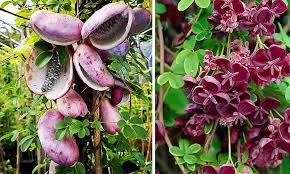
Akebia Trifoliata, commonly known as the chocolate vine or three-leaf akebia, is a unique and intriguing plant that belongs to the Lardizabalaceae family. This deciduous woody vine is native to East Asia, particularly regions such as China, Korea, and Japan. It has gained popularity not only for its ornamental value but also for its diverse medicinal and therapeutic properties.
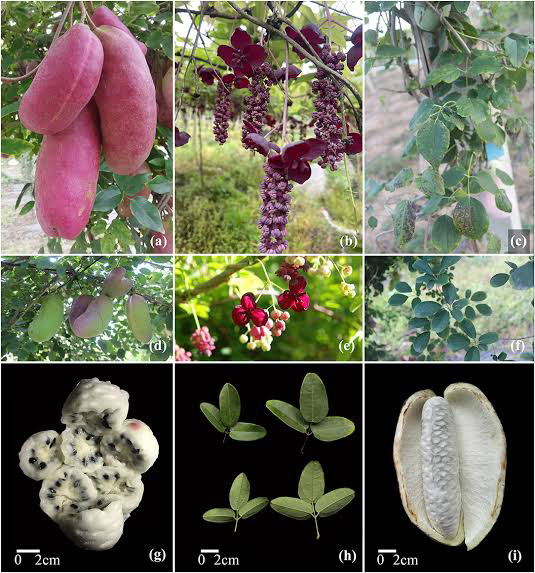
The leaves of Akebia Trifoliata are distinctive and play a significant role in its identification. Each leaf consists of three leaflets, giving rise to the name three-leaf akebia. These leaflets are ovate to heart-shaped, with serrated edges. They are arranged alternately along the stem.
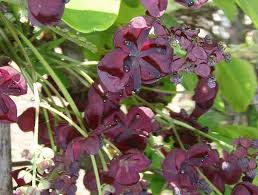
One of the most captivating features of Akebia Trifoliata is its unusual flowers. The flowers are small, cup-shaped, and typically have a deep purplish hue. They grow in clusters that dangle from the vine, creating an eye-catching display. The flowers are often referred to as having a sweet and delicate fragrance, reminiscent of the scent of chocolate, which contributes to its common name chocolate vine.
Akebia Trifoliata produces intriguing elongated fruits. These fruits are about the size of a finger and can vary in color from green to reddish-purple, depending on their stage of maturity. The fruits are edible and have a unique taste that combines flavors like raspberry, banana, and melon.
Akebia Trifoliata is a climbing vine that can reach impressive lengths. It uses tendrils to attach itself to supports and structures, allowing it to grow vertically. The vines are often used for landscaping and ornamental purposes, as they add a touch of elegance to garden trellises and fences.
Akebia Trifoliata thrives in various habitats, including woodlands, thickets, and forest edges. It has adapted well to a range of soil types and can tolerate both sun and partial shade. This adaptability, along with its captivating flowers and distinctive foliage, has made it a popular choice for horticultural enthusiasts.
Akebia Trifoliata holds cultural significance in its native regions. In traditional East Asian medicine, different parts of the plant, such as leaves, stems, and fruits, have been used for their potential health benefits. These benefits range from promoting cardiovascular health to addressing respiratory issues.
Read Also: 11 Medicinal Health Benefits of Yellow Water-lily (Nuphar Advena)
The Medicinal Health Benefits of Akebia Trifoliata (chocolate vine)
1. Cardiovascular Support: Akebia Trifoliata contains compounds that promote heart health by improving blood circulation and reducing cholesterol levels. This can reduce the risk of heart disease and stroke.
2. Anti-Inflammatory Properties: The plant has anti-inflammatory properties that can help alleviate conditions like arthritis and inflammatory bowel diseases. It reduces swelling and discomfort.
3. Antioxidant Powerhouse: Akebia Trifoliata is rich in antioxidants, which combat free radicals in the body. This can slow down the aging process and reduce the risk of chronic diseases.
4. Respiratory Health: It has been used to treat respiratory conditions like asthma and bronchitis. Akebia Trifoliata helps open airways and ease breathing difficulties.
5. Skin Health: When applied topically, Akebia Trifoliata extracts can improve skin health. It aids in wound healing and may help with skin conditions like eczema.
6. Digestive Aid: Akebia Trifoliata has been traditionally used to aid digestion and soothe gastrointestinal discomfort.
7. Immune Booster: The plant’s immune-boosting properties can help the body defend against infections and illnesses.
8. Relaxation and Stress Relief: Akebia Trifoliata may have calming effects, promoting relaxation and stress reduction.
9. Detoxification: The antioxidants in Akebia Trifoliata can aid the body in detoxifying harmful substances.
10. Anti-Aging Effects: Its antioxidant content can contribute to maintaining youthful skin and overall vitality.
11. Bone Health: Some compounds in Akebia Trifoliata may support bone health and help prevent conditions like osteoporosis.
12. Anti-Anxiety Benefits: It could have mild anxiolytic effects, assisting in reducing anxiety and promoting emotional well-being.
13. Menstrual Health: Akebia Trifoliata has been used to address menstrual discomfort and irregularities.
14. Antimicrobial Properties: The plant’s extracts might possess antimicrobial properties, aiding in fighting infections.
15. Anti-Cancer Potential: Certain compounds in Akebia Trifoliata show potential in inhibiting the growth of cancer cells, although further research is needed.
16. Liver Health: Traditional uses suggest that it may support liver function and help maintain liver health.
17. Blood Sugar Regulation: Akebia Trifoliata could assist in regulating blood sugar levels, benefiting those with diabetes.
18. Cognitive Support: Some components may have cognitive-enhancing effects, supporting brain health and cognitive function.
Read Also: A Guide to Growing and Caring for Basket Grass (Oplismenus Hirtellus)
The Methods of Usage to Achieve the Provided Health Benefits of Akebia Trifoliata (chocolate vine)
1. Tea Preparation: Boil the dried leaves or roots of Akebia Trifoliata to make a soothing and aromatic tea. This method allows you to enjoy the plant’s health benefits in a warm and comforting beverage.
2. Tincture Creation: Create a tincture from Akebia Trifoliata by soaking its plant parts in alcohol or another solvent. This concentrated form can be taken in small doses for more potent effects.
3. Topical Applications: For skin-related benefits, prepare creams, ointments, or salves containing Akebia Trifoliata extracts. Apply these topically to address skin conditions or promote wound healing.
4. Culinary Uses: Incorporate the edible parts of Akebia Trifoliata, such as the fruits, into your diet. These unique fruits have a distinctive taste and can be eaten raw or used in culinary creations.
5. Herbal Infusions: Blend Akebia Trifoliata with other complementary herbs to create herbal infusions that target specific health concerns. This can enhance the overall efficacy of the remedy.
6. Inhalation: Inhale the fragrance of Akebia Trifoliata flowers, either directly from the plant or by using essential oils derived from it. This method can provide relaxation and potentially assist with respiratory issues.
7. Capsules or Tablets: Some health stores offer Akebia Trifoliata supplements in the form of capsules or tablets. This provides a convenient way to consume the plant’s beneficial compounds.
8. Bath Additive: Infuse your bathwater with Akebia Trifoliata extracts to enjoy its potential benefits for skin health and relaxation.
9. Poultices: Create poultices by crushing Akebia Trifoliata leaves, stems, or other parts and applying them directly to the skin to address localized discomfort.
10. Aromatherapy: Utilize Akebia Trifoliata essential oil in aromatherapy practices to promote relaxation, emotional well-being, and respiratory health.
11. Herbal Compresses: Soak cloth or compresses in Akebia Trifoliata-infused liquids and apply them to specific areas of the body for targeted relief.
12. Massage Oils: Blend Akebia Trifoliata extracts with carrier oils to create massage oils that combine the benefits of the plant with the therapeutic effects of massage.
13. Culinary Seasoning: Incorporate Akebia Trifoliata leaves or flowers as a unique and flavorful addition to certain dishes, providing potential health benefits along with culinary enjoyment.
14. Herbal Steam: Add Akebia Trifoliata plant parts to a bowl of hot water and inhale the steam for respiratory and relaxation benefits.
15. Herbal Baths: Prepare herbal baths by adding Akebia Trifoliata extracts to your bathwater, allowing your skin to absorb its potential benefits.
16. Herbal Teas: Combine Akebia Trifoliata with other herbs to create specialized herbal tea blends tailored to your health needs.
The Side Effects of Using Akebia Trifoliata Medicinal Plant
1. Digestive Distress: Excessive consumption of Akebia Trifoliata may lead to digestive issues such as stomach upset, nausea, or diarrhea.
2. Allergic Reactions: While rare, some individuals may experience allergic reactions to Akebia Trifoliata. This can manifest as skin rashes, itching, or respiratory discomfort.
3. Interactions with Medications: Akebia Trifoliata might interact with certain medications, potentially affecting their effectiveness or causing adverse reactions. Consult a healthcare professional before use, especially if you are on medication.
4. Pregnancy and Nursing: Pregnant and nursing women should avoid using Akebia Trifoliata, as its safety during these stages has not been established. There’s a potential risk to both the mother and the developing baby.
5. Excessive Consumption: As with any herbal remedy, consuming Akebia Trifoliata in excessive amounts may lead to unintended side effects. Stick to recommended dosages and guidelines.
6. Hypotension: Akebia Trifoliata’s potential to lower blood pressure could be problematic for individuals with already low blood pressure. It’s important to monitor blood pressure levels if using this plant.
7. Photosensitivity: Some individuals may experience increased sensitivity to sunlight after using Akebia Trifoliata, potentially leading to sunburn. Take precautions when exposed to sunlight.
8. Gastrointestinal Irritation: Akebia Trifoliata might irritate the gastrointestinal tract in some individuals, leading to discomfort or gastric distress.
9. Hormonal Effects: Certain compounds in Akebia Trifoliata might have hormonal effects. Individuals with hormonal imbalances or conditions should exercise caution.
10. Interaction with Medical Conditions: If you have underlying medical conditions such as liver or kidney issues, consult a healthcare professional before using Akebia Trifoliata to ensure its safety.
11. Respiratory Sensitivity: Individuals with respiratory conditions or sensitivities should use Akebia Trifoliata cautiously, as it may trigger respiratory discomfort in some cases.
12. Immune System Stimulation: Akebia Trifoliata’s immune-boosting effects may not be suitable for individuals with autoimmune disorders or conditions involving excessive immune responses.
13. Blood Clotting: The plant’s potential effects on blood clotting could be a concern for individuals taking blood-thinning medications. Consult a doctor before use.
14. Nausea and Vomiting: Some individuals may experience nausea or vomiting as a result of using Akebia Trifoliata.
15. Dizziness: Akebia Trifoliata’s effects on blood pressure could potentially cause dizziness, especially in individuals prone to low blood pressure.
Nutritional Value of Akebia Trifoliata (Chocolate Vine)
1. Total Sugars: The fruit of Akebia trifoliata is rich in total sugars, reaching up to 14.9 g/100 g of fresh weight, providing a natural sweetness that serves as a quick energy source and contributes to its appealing taste for consumption.
2. Reducing Sugars: Reducing sugars in the fruit can reach up to 10.2 g/100 g, which are easily digestible carbohydrates that support energy metabolism and make the fruit a low-calorie, sweet snack option.
3. Amino Acids: The fruit flesh contains a total of 818.5 mg/100 g fresh weight of amino acids, including eight essential ones, which are vital for protein synthesis, immune function, and overall muscle repair.
4. Potassium: Potassium levels in the fruit range from 3.2 to 4.9 mg/g, an essential mineral that supports heart health, muscle function, and electrolyte balance in the body.
5. Magnesium: The fruit provides magnesium at 1.00 to 1.51 mg/g, which plays a key role in energy production, bone health, and nerve function, helping to prevent deficiencies common in modern diets.
6. Calcium: Calcium content is around 0.47 to 0.49 mg/g in the fruit, contributing to bone and teeth strength, muscle contraction, and blood clotting processes.
7. Vitamins: The fruit is a source of various vitamins, including those required for human health, such as vitamin C, which boosts immunity and acts as an antioxidant to protect cells from damage.
8. Crude Proteins: Crude proteins are present in the fruit, providing building blocks for tissue repair and enzyme production, though in moderate amounts that complement its role as a supplementary food.
9. Saccharides: Beyond simple sugars, the fruit contains complex saccharides that offer sustained energy release and support gut health by promoting beneficial bacteria.
10. Mineral Elements: Additional trace minerals in the fruit, such as iron and zinc, support oxygen transport, immune response, and metabolic functions, enhancing its overall nutritional profile.
Scientific Evidence and Case Studies on Akebia Trifoliata (Chocolate Vine)
1. Anti-Inflammatory Effects: Wan et al. (2020) examined the pericarp extract of Akebia trifoliata in LPS-induced RAW 264.7 macrophages and DSS-induced colitis mice. The extract suppressed pro-inflammatory cytokines like TNF-α and IL-6 via NF-κB and MAPK pathways, reducing inflammation and improving gut microbiota diversity, indicating benefits for inflammatory bowel conditions. (Wan, Z., et al., 2020, Akebia trifoliata pericarp extract ameliorates inflammation through NF-κB/MAPK signaling pathways and modifies gut microbiota, Food & Function, 11(5), 4682-4696).
2. Anticancer Activity: Maciąg et al. (2021) reviewed phytochemicals in Akebia trifoliata, highlighting triterpenoid saponins from stems and fruits that demonstrated anticancer effects against liver and stomach cancer cells in in vitro studies, with mechanisms involving apoptosis induction and cell proliferation inhibition. (Maciąg, D., et al., 2021, Akebia quinata and Akebia trifoliata – a review of phytochemical composition, ethnopharmacological approaches and biological studies, Journal of Ethnopharmacology, 280, 114486).
3. Antibacterial Properties: Maciąg et al. (2021) also summarized studies showing antibacterial effects of Akebia trifoliata extracts against various pathogens, attributed to triterpenoids and saponins, supporting its traditional use for infections and wound healing. (Maciąg, D., et al., 2021, Akebia quinata and Akebia trifoliata – a review of phytochemical composition, ethnopharmacological approaches and biological studies, Journal of Ethnopharmacology, 280, 114486).
4. Fruit Softening Proteomics: Niu et al. (2021) used TMT technology to analyze proteome changes during Akebia trifoliata fruit ripening, identifying proteins involved in cell wall degradation and softening, which indirectly supports quality control for nutritional retention in harvested fruits. (Niu, J., et al., 2021, Comparative analysis of Akebia trifoliata fruit softening at different flesh ripening stages using tandem mass tag technology, Frontiers in Nutrition, 8, 684271).
5. Antioxidant and Gut Health: A 2023 in vitro study on fermented Akebia trifoliata juice showed increased short-chain fatty acids like acetic and propionic acids, enhancing antioxidant enzyme activities such as superoxide dismutase and promoting a healthier gut environment.
6. Anticancer in Lung Cells: Zhang et al. (2024) investigated ethanol extracts of Akebia trifoliata seeds on A549 lung cancer cells, finding suppression of proliferation via S-phase arrest, increased Bax/Bcl-2 ratio, and mitochondrial apoptosis activation, suggesting potential for non-small cell lung cancer treatment. (Zhang, Y., et al., 2024, Phytochemical composition and anticancer effect of Akebia trifoliata seed in non-small cell lung cancer A549 cells, Arabian Journal of Chemistry, 17(10), 105678).
Frequently Asked Questions About Akebia Trifoliata (Chocolate Vine)
1. Is Akebia trifoliata edible?
Yes, the fruit’s white pulp is edible and sweet, tasting like a mix of banana, pear, and melon, but the seeds should be consumed in moderation to avoid digestive issues.
2. What are the health benefits of Akebia trifoliata?
It offers anti-inflammatory, antioxidant, antibacterial, and anticancer properties from its extracts, supporting gut health, immunity, and potentially reducing chronic disease risks.
3. How do you grow Akebia trifoliata?
Plant in well-drained soil with full sun to partial shade, provide a sturdy trellis for climbing, and water regularly; it grows vigorously up to 30 feet and is hardy in zones 5-9.
4. Is Akebia trifoliata invasive?
Yes, it can be invasive in some regions like the eastern U.S., spreading aggressively and potentially choking native plants, so check local regulations before planting.
5. Can Akebia trifoliata be used in cooking?
The fruit pulp is eaten fresh, in juices, or fermented; the rind can be stuffed and cooked as a vegetable in traditional Japanese recipes with miso and meat.
6. What does Akebia trifoliata smell like?
Its spring flowers have a fragrant, chocolate-like scent, which is why it’s called chocolate vine, attracting pollinators and adding ornamental value.
7. How toxic is Akebia trifoliata?
The fruit is safe in moderation, but excessive seed ingestion can cause colorectal bezoars leading to obstruction; other parts like stems are used medicinally but not for casual eating.
8. Where is Akebia trifoliata native to?
It is native to East Asia, including China, Japan, and Korea, where it grows in forests and mountainous areas as a wild vine.
Do you have any questions, suggestions, or contributions? If so, please feel free to use the comment box below to share your thoughts. We also encourage you to kindly share this information with others who might benefit from it. Since we can’t reach everyone at once, we truly appreciate your help in spreading the word. Thank you very much for your support and for sharing!
Disclaimer: This article is for educational and informational purposes only. The health benefits described are based on scientific research and traditional knowledge. They are not a substitute for professional medical advice, diagnosis, or treatment. Always consult a healthcare professional before using any herb or natural remedy for medical purposes.