


Euonymus atropurpureus, commonly known as Eastern Wahoo, is a fascinating and valuable medicinal plant that has been used for centuries by various indigenous cultures and herbalists.
The use of Euonymus atropurpureus in traditional medicine dates back centuries, with Native American tribes being some of the first to recognize its medicinal properties. The plant’s bark and roots were often used by these indigenous communities to address various ailments, making it a vital part of their healing repertoire.
The Botanical Description of Euonymus atropurpureus
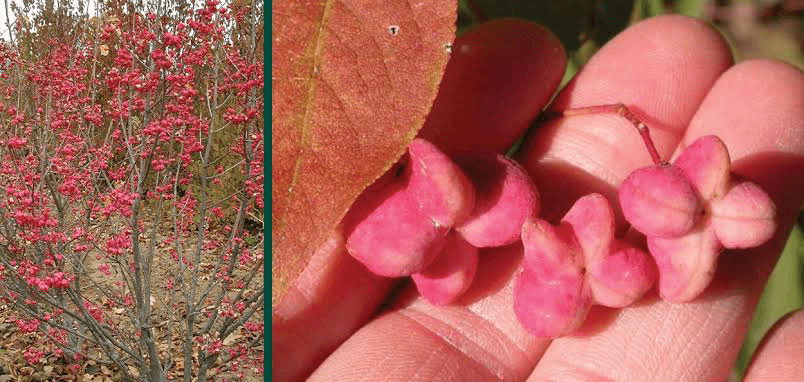
1. Height and Growth Habit: Euonymus atropurpureus typically grows to a height of 10 to 15 feet (3 to 4.5 meters) but can sometimes reach up to 20 feet (6 meters). It has a multi-stemmed growth habit, forming a dense thicket of branches.
2. Leaves: The leaves of Euonymus atropurpureus are opposite, elliptical to oblong, and measure 2 to 4 inches (5 to 10 centimeters) in length. They are dark green in color and have finely serrated margins.
3. Bark: The bark of this plant is smooth, grayish-brown, and becomes slightly furrowed with age. It provides an important clue for identifying mature specimens.
4. Flowers: Euonymus atropurpureus produces small, inconspicuous greenish flowers that bloom in late spring. These flowers are often overlooked, but they give way to the plant’s distinctive fruit.
5. Fruit: The fruit of Eastern Wahoo is a unique and eye-catching feature. It consists of bright red to pink capsules that split open to reveal orange-red seeds. The capsules resemble tiny, dangling lanterns, adding ornamental value to the plant.
6. Habitat and Range: Euonymus atropurpureus is native to eastern and central North America. It thrives in a variety of habitats, including woodlands, thickets, and along stream banks. Its range extends from Canada to the Gulf of Mexico, making it a versatile and adaptable species.
The Geographic Distribution of Euonymus atropurpureus
1. Native Range: Euonymus atropurpureus, commonly known as Eastern Wahoo, has a native distribution in eastern and central North America. Its range spans from Canada in the north to the Gulf of Mexico in the south.
2. Habitat Preferences: This species thrives in various habitats, including deciduous woodlands, thickets, and the edges of forests. It is often found along stream banks and in well-drained soils.
3. U.S. States: Eastern Wahoo can be found in a wide range of U.S. states, including but not limited to Illinois, Indiana, Ohio, Kentucky, Tennessee, Missouri, Arkansas, and Texas.
4. Soil Adaptability: Euonymus atropurpureus exhibits adaptability to different soil types, making it resilient in varying environmental conditions. It can grow in loamy, sandy, or clayey soils.
5. Range Expansion: While it primarily occurs in its native range, there have been reports of Eastern Wahoo being cultivated in gardens and naturalized in areas outside its native distribution due to its ornamental and medicinal value.
The Chemical Composition of Euonymus atropurpureus
1. Alkaloids: Euonymus atropurpureus contains alkaloids such as evonine and evonidine. These compounds have been studied for their potential pharmacological effects.
2. Tannins: Tannins are present in various parts of the plant, particularly in the bark. Tannins have astringent properties and may contribute to the plant’s medicinal uses.
3. Glycosides: Some glycosides have been identified in Euonymus atropurpureus. These compounds can have a range of biological activities.
4. Flavonoids: Flavonoids, including quercetin and kaempferol, have been detected in the plant. These are known for their antioxidant properties.
5. Sterols: The plant contains sterols, which are important compounds in plant physiology and may have health benefits.
6. Resins: Resinous substances have been found in the bark, and they may play a role in the plant’s traditional uses.
7. Saponins: Saponins are compounds found in the plant, and they have surfactant properties, which can have various effects on the body.
8. Terpenoids: Some terpenoids have been identified in Euonymus atropurpureus. These compounds are diverse and can have a wide range of biological activities.
The Cultivation and Growth of Euonymus atropurpureus
1. Soil Preparation: To cultivate Eastern Wahoo, choose a well-drained soil, preferably loamy or sandy. Prepare the soil by removing weeds and adding organic matter for nutrients.
2. Sunlight Requirements: Eastern Wahoo thrives in full to partial sunlight. Ensure it receives adequate light for healthy growth.
3. Planting: Plant Euonymus atropurpureus saplings or seeds in the chosen location. Space them appropriately to allow for growth and good air circulation.
4. Watering: Water young plants regularly to establish their root systems. Once established, they are moderately drought-tolerant.
5. Pruning: Prune the shrub as needed to maintain its shape and remove dead or diseased branches.
6. Pest and Disease Control: Keep an eye out for common pests and diseases, and take appropriate measures to control them.
The Harvesting and Processing of Euonymus atropurpureus
1. Bark Harvesting: The bark of Euonymus atropurpureus is typically harvested in the late fall or winter when the plant is dormant. Care should be taken not to damage the plant during this process.
2. Drying: After harvesting, the bark is dried thoroughly to preserve its medicinal properties. It can be air-dried or dried using low heat.
3. Grinding: Once dried, the bark is often ground into a coarse powder, making it suitable for various medicinal preparations.
4. Extraction: Medicinal compounds from the bark can be extracted using appropriate solvents or techniques, depending on the intended use.
5. Formulation: The processed Euonymus atropurpureus bark can be used to create various herbal preparations, such as tinctures, teas, or capsules.
6. Quality Control: It’s essential to ensure the quality and purity of processed Euonymus atropurpureus products, especially if they are intended for medicinal use. This may involve testing for contaminants and standardizing the active compounds.
7. Traditional Uses: While modern processing techniques have evolved, traditional methods of harvesting and preparing Eastern Wahoo may still be practiced by some herbalists and indigenous communities.
8. Sustainable Practices: Harvesting and processing should be done in an environmentally sustainable manner to ensure the continued availability of this valuable medicinal plant.
Read Also: How to Extract and Package Snail Slime (Snail filtrate) for Commercial Use
The Medicinal Health Benefits Of Euonymus atropurpureus (Eastern Wahoo)
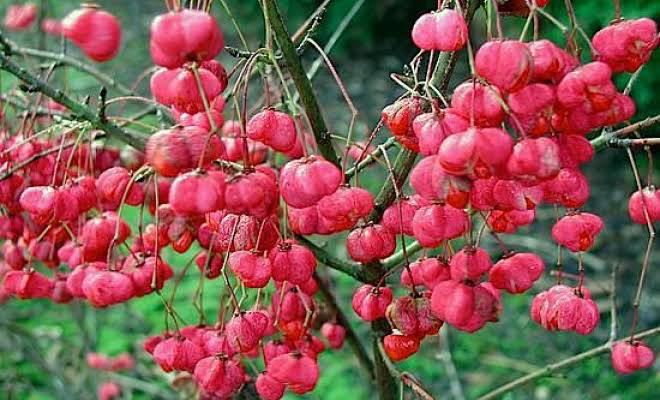
Euonymus atropurpureus, commonly known as Eastern Wahoo, offers a multitude of medicinal health benefits, drawing from its rich history of traditional use and its unique chemical composition. Here are 18 key health benefits associated with this remarkable plant:
1. Anti-Inflammatory Properties: Compounds in Eastern Wahoo may help reduce inflammation, making it potentially useful for conditions like arthritis.
2. Analgesic Effects: It has been traditionally used to alleviate pain, making it valuable for managing various discomforts.
3. Immune Support: Eastern Wahoo may support the immune system, helping the body fend off infections.
4. Antioxidant Activity: Compounds like flavonoids in the plant can act as antioxidants, protecting cells from oxidative damage.
5. Digestive Aid: It may aid in digestion and help relieve gastrointestinal discomfort.
6. Cardiovascular Health: Some research suggests that Eastern Wahoo may have a positive impact on heart health by supporting circulation.
7. Respiratory Health: Traditional uses include treating respiratory issues like coughs and congestion.
8. Antimicrobial Effects: It may possess antimicrobial properties, which can help combat infections.
9. Painful Menstruation Relief: Traditional herbalists have used it to ease the discomfort associated with menstrual cramps.
10. Skin Conditions: Topical applications of Eastern Wahoo have been used to treat various skin conditions, including rashes and wounds.
11. Anti-diabetic Potential: Some studies have explored its potential in managing diabetes due to its effects on blood sugar levels.
12. Anti-cancer Properties: Preliminary research suggests that compounds in Euonymus atropurpureus may have anticancer properties, but further investigation is needed.
13. Blood Pressure Regulation: It may help in maintaining healthy blood pressure levels.
14. Antispasmodic Effects: Eastern Wahoo has been used to alleviate muscle spasms and cramps.
15. Liver Health: Traditional medicine has employed it to support liver health and function.
16. Anti-anxiety and Stress Reduction: Some individuals have reported a calming effect when using this plant.
17. Weight Management: It may contribute to weight management efforts by supporting metabolism.
18. Anti-allergic Effects: There is some evidence to suggest that Euonymus atropurpureus may have anti-allergic properties, helping to reduce allergic reactions.
The Methods of Usage to Achieve the Provided Health Benefits Of Euonymus atropurpureus (Eastern Wahoo)
To harness the health benefits of Eastern Wahoo, various methods of usage can be employed. Here are seven common approaches:
1. Herbal Tea: Prepare a tea by steeping dried Eastern Wahoo bark in hot water. This can help with digestion, pain relief, and respiratory issues.
2. Tinctures: Tinctures are alcohol-based extracts that can be taken orally. They are convenient for precise dosing.
3. Poultices: Create a poultice by applying a paste made from crushed Eastern Wahoo bark to the affected area for topical relief of skin conditions and muscle pain.
4. Capsules or Tablets: Commercially available capsules or tablets provide a convenient way to take Eastern Wahoo for various health benefits.
5. Salves and Ointments: These topical preparations can be used for skin issues, such as rashes and minor wounds.
6. Decoctions: A decoction involves boiling the bark to extract its medicinal compounds. It’s a stronger alternative to tea.
7. Smoking Blend: In some traditional practices, Eastern Wahoo has been used as a component of smoking blends, although this method is less common today.
The Side Effects Of Using Euonymus atropurpureus Medicinal Plant
While Eastern Wahoo offers numerous health benefits, it’s essential to be aware of potential side effects and precautions:
1. Gastrointestinal Upset: In some individuals, high doses may lead to stomach discomfort, nausea, or diarrhea.
2. Allergic Reactions: Allergic reactions to Eastern Wahoo, though rare, can occur and may include skin rashes or respiratory symptoms.
3. Drug Interactions: It may interact with certain medications, so consult a healthcare provider if you are taking other drugs.
4. Pregnancy and Breastfeeding: The safety of Eastern Wahoo during pregnancy and breastfeeding has not been established, so it’s best to avoid it during these periods.
5. Liver Concerns: Excessive or prolonged use may have adverse effects on the liver, so moderation is key.
6. Avoiding Raw Bark: Consumption of raw bark is not recommended due to its potential toxicity. Proper preparation methods should be followed.
7. Not for Self-Diagnosis: It should not be used for self-diagnosis or self-treatment of serious medical conditions.
8. Consultation: Always consult a healthcare professional before starting any new herbal remedy, especially if you have underlying health issues.
Read Also: The Health Benefits of Using Accent Seasoning on your Cooking
Scientific Research and Studies of Euonymus atropurpureus
Research on Euonymus atropurpureus has uncovered several interesting findings:
1. Anti-Inflammatory Activity: Studies have indicated the plant’s potential anti-inflammatory properties, making it relevant in conditions like arthritis and inflammatory disorders.
2. Antioxidant Effects: Research has explored its antioxidant capabilities, suggesting a role in protecting cells from oxidative damage.
3. Diabetes Management: Some studies have looked into its impact on blood sugar regulation, suggesting potential benefits for diabetes management.
4. Traditional Knowledge: Scientific research has often validated the traditional uses of Eastern Wahoo, demonstrating its efficacy in various health applications.
Safety Precautions and Recommendations In Using Euonymus atropurpureus Medicinal Plant
When using Euonymus atropurpureus (Eastern Wahoo) as a medicinal plant, it’s important to take certain safety precautions and follow recommendations to ensure safe and effective usage:
1. Consult a Healthcare Professional: Before incorporating Eastern Wahoo into your healthcare regimen, consult with a qualified healthcare provider, especially if you have underlying health conditions or are taking medications. They can provide personalized guidance.
2. Dosage Guidelines: Adhere to recommended dosage guidelines provided by herbalists, reputable sources, or healthcare professionals. Avoid excessive consumption, as it may lead to adverse effects.
3. Avoid Self-Diagnosis: Do not attempt to self-diagnose or self-treat serious medical conditions using Eastern Wahoo. It should complement, not replace, conventional medical care.
4. Monitor for Allergic Reactions: Be vigilant for any signs of allergic reactions, such as skin rashes, itching, or difficulty breathing. Discontinue use immediately if any adverse reactions occur.
5. Pregnancy and Breastfeeding: Pregnant and breastfeeding individuals should avoid the use of Eastern Wahoo due to potential risks. Always consult with a healthcare provider during these periods.
6. Quality and Source: Ensure you source Eastern Wahoo from reputable suppliers to guarantee quality and purity. Contaminated or adulterated products can pose risks.
Legal Status and Regulations In Using Euonymus atropurpureus Medicinal Plant
The legal status and regulations surrounding the use of Euonymus atropurpureus (Eastern Wahoo) as a medicinal plant can vary by region. Here are seven general considerations:
1. Wild Harvesting: Regulations may exist regarding the wild harvesting of Eastern Wahoo. Some areas may require permits or have restrictions to prevent overharvesting.
2. Protected Species: In certain regions, Eastern Wahoo may be listed as a protected or endangered species. Harvesting or using such species may be prohibited.
3. Herbal Supplements: The sale of herbal supplements containing Eastern Wahoo may be subject to labeling and quality control regulations, depending on local laws.
4. Traditional Use: In some cases, traditional indigenous uses of Eastern Wahoo may be protected or regulated to preserve cultural heritage.
5. Registration of Products: If you plan to manufacture or sell products containing Eastern Wahoo, you may need to register them with relevant authorities and comply with labeling requirements.
6. Import and Export: If you intend to import or export Eastern Wahoo or related products, you should adhere to international trade regulations and permits, if applicable.
7. Local Herbalist Practices: Local regulations may apply to herbalists and practitioners who use Eastern Wahoo in their traditional healing practices. It’s advisable to check with local authorities for guidance.
FAQs About Euonymus atropurpureus Medicinal Plant
Here are 14 frequently asked questions (FAQs) about Euonymus atropurpureus (Eastern Wahoo) as a medicinal plant, along with explanations:
1. What is Eastern Wahoo used for medicinally?
Eastern Wahoo has been traditionally used for its anti-inflammatory, analgesic, and immune-supporting properties, among others.
2. Can Eastern Wahoo be used for pain relief?
Yes, it has been traditionally used to alleviate various types of pain, including muscle pain and cramps.
3. Are there any potential side effects of using Eastern Wahoo?
Yes, side effects may include gastrointestinal upset, allergic reactions, and potential liver concerns with excessive use.
4. How should Eastern Wahoo be prepared for medicinal use?
It can be prepared as teas, tinctures, poultices, capsules, or salves, depending on the intended use.
5. Is Eastern Wahoo safe for pregnant women?It is not recommended for pregnant or breastfeeding individuals due to potential risks.
6. Can Eastern Wahoo be used for diabetes management?
Some research suggests it may help regulate blood sugar levels, but further study is needed.
7. Are there legal restrictions on harvesting Eastern Wahoo in the wild?
Regulations on wild harvesting can vary by region, so it’s important to check local laws.
8. Can I find Eastern Wahoo supplements in health stores?
Yes, you can find supplements containing Eastern Wahoo in some health stores or online retailers.
9. Is Eastern Wahoo protected as an endangered species?
In certain regions, it may be listed as a protected or endangered species, so check local listings.
10. What should I do if I experience an allergic reaction to Eastern Wahoo?
Discontinue use immediately and seek medical attention if you experience allergic reactions.
11. Can Eastern Wahoo be used for skin conditions?
Yes, topical applications of Eastern Wahoo have been used for skin issues like rashes and wounds.
12. Are there known drug interactions with Eastern Wahoo?
Some interactions may exist, so consult a healthcare provider, especially if you are taking medications.
13. What are the traditional uses of Eastern Wahoo in indigenous cultures?
Indigenous cultures have used it for a variety of purposes, including pain relief and as a digestive aid.
14. Is there ongoing scientific research on Eastern Wahoo?
Yes, research continues to explore its potential health benefits and safety, aiming to validate traditional uses and discover new applications.
Do you have any questions, suggestions, or contributions? If so, please feel free to use the comment box below to share your thoughts. We also encourage you to kindly share this information with others who might benefit from it. Since we can’t reach everyone at once, we truly appreciate your help in spreading the word. Thank you very much for your support and for sharing!
Disclaimer: This article is for educational and informational purposes only. The health benefits described are based on scientific research and traditional knowledge. They are not a substitute for professional medical advice, diagnosis, or treatment. Always consult a healthcare professional before using any herb or natural remedy for medical purposes.
Read Also: Measures of Improving Field Crops Production in Nigeria