


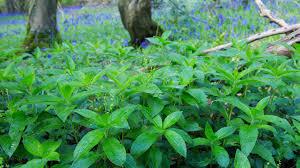
Mercurialis Perennis, known by the common name Dog’s Mercury is a plant with a history steeped in traditional medicinal use. In this comprehensive guide, we will explore various aspects of Mercurialis Perennis, including its botanical description, geographic distribution, chemical composition, harvesting and processing, medicinal health benefits, methods of usage, side effects, scientific research, safety precautions, and frequently asked questions.
The Botanical Description of Mercurialis Perennis
1. Life: Mercurialis Perennis is a perennial plant, which means it can live for several years. Its lifecycle is characterized by returning year after year.
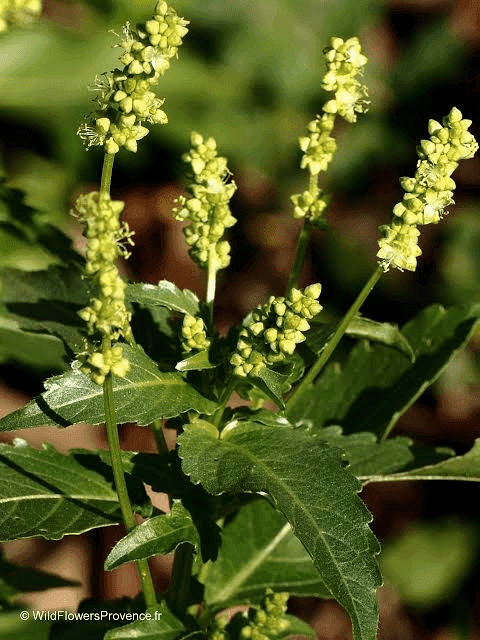
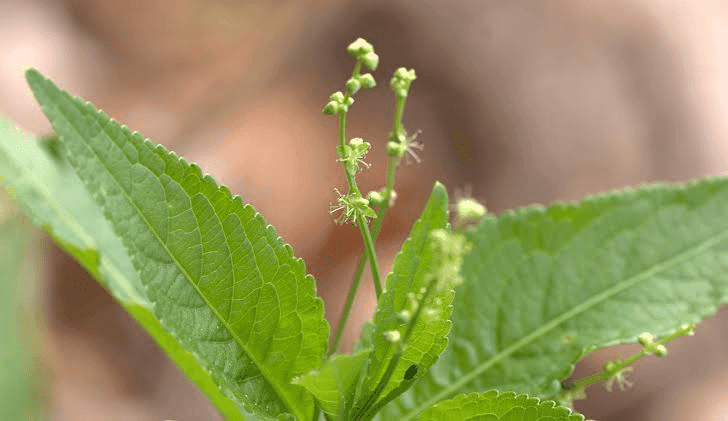
2. Size and Shape: Dog’s Mercury typically grows to a height of 15-50 cm (6-20 inches) and has a distinctive appearance with its elongated, serrated leaves.
3. Leaves: The leaves of Mercurialis Perennis are toothed and lance-shaped. They are arranged alternately on the stem.
4. Flowers: The flowers are small and unassuming, with greenish-yellow hues, and they grow in clusters.
5. Roots: The root system of Dog’s Mercury is relatively shallow, making it a delicate plant.
The Geographic Distribution of Mercurialis Perennis
1. Native Regions: Mercurialis Perennis is native to Europe and parts of Asia, particularly in woodland areas with damp soils.
2. Natural Habitats: This plant thrives in moist, shaded woodlands and can be found in varying altitudes.
3. Global Distribution: Over time, Dog’s Mercury has been introduced to regions outside its native range, primarily as a result of human activities.
4. Altitude Range: Dog’s Mercury can be found at varying altitudes, making it adaptable to different environmental conditions.
5. Environmental Adaptations: It is well-suited to grow in shaded, damp environments, particularly in deciduous and coniferous woodlands.
The Chemical Composition of Mercurialis Perennis
1. Alkaloids: Mercurialis Perennis contains alkaloids, which are naturally occurring organic compounds that may have various effects on the body.
2. Flavonoids: Flavonoids are a group of plant compounds that have antioxidant properties and are found in Dog’s Mercury.
3. Triterpenes: Triterpenes are a class of chemical compounds that may have potential health benefits and are present in this plant.
4. Saponins: Saponins are naturally occurring compounds that can have various effects on the body, and they are found in Mercurialis Perennis.
5. Glycosides: Glycosides are compounds that are often associated with medicinal properties, and they are present in this plant.
6. Sterols: Sterols are another group of compounds found in Mercurialis Perennis, and they can have physiological effects.
The Harvesting and Processing of Mercurialis Perennis
1. Harvesting Time: The best time to harvest Dog’s Mercury for medicinal use is during its flowering stage when the active compounds are most concentrated.
2. Harvesting Method: The aerial parts of the plant, including leaves and flowers, are typically harvested, while the roots are left intact to allow the plant to regrow.
3. Drying: After harvesting, the plant material is dried in a well-ventilated area to preserve its active compounds.
4. Storage: Proper storage in airtight containers in a cool, dark place helps maintain the quality of the harvested plant material.
5. Processing: Dog’s Mercury can be processed into various forms, including teas, tinctures, or herbal supplements, depending on its intended use.
Read Also: Worm Infestation on Ruminant Animals: Symptoms and Treatment
The Medicinal Health Benefits Of Mercurialis Perennis (Dog’s Mercury)
1. Anti-Inflammatory Effects: Mercurialis Perennis is believed to have anti-inflammatory properties when used topically.
2. Diuretic Properties: It may act as a diuretic, promoting healthy kidney function and reducing water retention.
3. Pain Relief: Some traditional uses include the application of Dog’s Mercury for pain relief, particularly for joint and muscle pain.
4. Skin Health: It may be used topically for skin conditions, including rashes and irritations.
5. Respiratory Health: Inhalation of vapors from Mercurialis Perennis may provide relief from respiratory discomfort.
6. Gastrointestinal Support: Traditional remedies include using this plant for digestive issues like bloating and indigestion.
7. Menstrual Relief: Some cultures have used Dog’s Mercury to alleviate menstrual cramps and regulate menstrual cycles.
8. Antioxidant Effects: Compounds within Mercurialis Perennis may have antioxidant properties, which protect cells from oxidative damage.
9. Anti-Infectious Properties: Some studies suggest that it may have antimicrobial effects, potentially combating infections.
10. Stress Reduction: Inhalation of the plant’s aroma is believed to reduce stress and anxiety.
11. Memory Enhancement: Some traditional uses include inhaling the aroma of Mercurialis Perennis to enhance memory and cognitive function.
12. Menopausal Support: It may help alleviate menopausal symptoms, such as hot flashes and mood swings.
13. Digestive Aid: Dog’s Mercury has been historically used to support digestion and alleviate gastrointestinal discomfort.
14. Anti-Rheumatic: It is believed to help relieve rheumatic pain and inflammation.
15. Circulatory Support: Some traditional practices involve using Mercurialis Perennis for circulatory health.
16. Hair and Scalp Health: It may be used topically to promote healthy hair and scalp.
17. Immune System Boost: It is thought to enhance the immune system’s functionality.
18. Relaxation: Inhalation of its aroma is believed to induce relaxation and reduce stress.
The Methods of Usage to Achieve the Provided Health Benefits Of Mercurialis Perennis (Dog’s Mercury)
1. Topical Applications: For pain relief and skin conditions, Mercurialis Perennis can be used topically by creating ointments, balms, or infused oils.
2. Steam Inhalation: To ease respiratory discomfort, inhaling steam infused with the essential oil of Dog’s Mercury may be beneficial.
3. Digestive Teas: Infusions made from the leaves and flowers of Dog’s Mercury can be consumed to support digestive health.
4. Bath Additive: Adding a decoction or essential oil of Mercurialis Perennis to a bath can promote relaxation and skin health.
5. Tinctures and Extracts: Some people use tinctures or liquid extracts of Dog’s Mercury for various health benefits.
6. Aromatherapy: Aromatherapy with the scent of Dog’s Mercury is believed to reduce stress and enhance memory.
7. Dietary Supplements: In some regions, dietary supplements containing Mercurialis Perennis are available for specific health purposes.
8. Traditional Remedies: Depending on the cultural practices, Dog’s Mercury is used in various traditional remedies and rituals.
9. Inhalation Sticks: In some cases, sticks infused with the aroma of Mercurialis Perennis are used for relaxation and stress reduction.
10. External Compresses: For localized pain and inflammation, external compresses with Mercurialis Perennis may be applied.
The Side Effects Of Using Mercurialis Perennis Medicinal Plant
1. Allergic Reactions: Some individuals may be allergic to compounds found in Mercurialis Perennis and may experience skin rashes or other allergic reactions.
2. Gastrointestinal Distress: Excessive consumption of Dog’s Mercury tea may lead to gastrointestinal discomfort.
3. Skin Irritation: Applying undiluted Mercurialis Perennis oil directly to the skin may cause irritation in some individuals.
4. Interaction with Medications: Mercurialis Perennis may interact with certain medications, so it’s essential to consult a healthcare provider before use.
5. Not Safe for Pets: Dog’s Mercury should not be used around or on pets, as it can be toxic to them.
6. Avoid in Children: Mercurialis Perennis should not be used on children, and its use should be supervised by adults.
7. Overdose Risks: Consuming excessive amounts of Dog’s Mercury can lead to poisoning, which may require medical attention.
8. Contaminants: As it is often found in the wild, there is a risk of contamination by pollutants, so it’s essential to harvest from clean environments.
9. Not Suitable for Pregnant and Nursing Women: Due to its potential to induce uterine contractions, Dog’s Mercury is not recommended for pregnant and nursing women.
10. Avoid for Individuals with Allergies: If you have known allergies to plants in the Euphorbiaceae family, it’s best to avoid using Mercurialis Perennis.
11. Safety for Sensitive Skin: Individuals with sensitive skin should exercise caution when using topical preparations of Dog’s Mercury.
Read Also: A Guide to Growing and Caring for Panicum Grass (Switchgrass)
Scientific Research and Studies of Mercurialis Perennis (Dog’s Mercury)
1. Anti-Inflammatory Properties: Scientific studies have explored the potential anti-inflammatory effects of Mercurialis Perennis, particularly when applied topically.
2. Diuretic Effects: Research has investigated the diuretic effects of Dog’s Mercury, which may contribute to improved kidney function and reduced water retention.
3. Pain Relief: Some studies have examined the pain-relieving properties of Mercurialis Perennis, particularly for conditions like joint and muscle pain.
4. Antioxidant Activity: Scientific investigations have delved into the antioxidant properties of compounds found in this plant.
5. Skin Health: Research has explored the use of Dog’s Mercury for skin health, including its potential to alleviate skin irritations and rashes.
6. Respiratory Benefits: Scientific studies have looked into the use of Dog’s Mercury for respiratory health, especially in the context of easing discomfort.
7. Gastrointestinal Relief: Research has examined its potential to alleviate gastrointestinal distress and promote healthy digestion.
8. Menstrual Support: Studies have investigated the traditional use of Dog’s Mercury for menstrual support, including pain relief and cycle regulation.
9. Memory Enhancement: Some studies suggest that inhaling the aroma of Mercurialis Perennis may enhance memory and cognitive function.
10. Menopausal Symptoms: Research has examined the potential use of Dog’s Mercury in alleviating menopausal symptoms.
11. Digestive Aid: Scientific investigations have focused on its role in supporting digestion and reducing issues like bloating.
12. Circulatory Benefits: Some studies have explored the circulatory benefits of Mercurialis Perennis.
13. Immune System Effects: Research has looked into its potential to enhance the immune system’s functionality.
The Safety Precautions and Recommendations In Using Mercurialis Perennis (Dog’s Mercury) Medicinal Plant
1. Consult a Healthcare Provider: Before using Mercurialis Perennis for medicinal purposes, consult with a healthcare professional, especially if you are pregnant, nursing, or have underlying health conditions.
2. Dosage Control: If using Dog’s Mercury, adhere to recommended dosages and avoid excessive consumption.
3. Allergy Testing: Perform a patch test before applying Mercurialis Perennis oil topically to check for allergic reactions.
4. Keep Out of Reach of Children: Mercurialis Perennis products should be stored safely away from children and pets.
5. Avoid During Pregnancy and Lactation: Pregnant and nursing women should avoid using Dog’s Mercury due to potential risks to the unborn or nursing child.
6. Seek Emergency Help for Overdose: If there is an overdose or adverse reaction to Mercurialis Perennis, seek immediate medical attention.
7. Supervision with Children: If using Dog’s Mercury on children, ensure adult supervision, and use caution.
8. Dilution for Topical Use: When applying Mercurialis Perennis oil topically, dilute it with a carrier oil to prevent skin irritation.
9. Consult with a Veterinarian: If you have pets, consult with a veterinarian to ensure their safety in a Mercurialis Perennis-rich environment.
10. Avoid Ingestion: Dog’s Mercury oil should not be ingested without professional guidance.
11. Storage: Store Mercurialis Perennis oil and products in a cool, dark place to maintain their quality.
FAQs About Mercurialis Perennis (Dog’s Mercury) Medicinal Plant
1. Is Mercurialis Perennis the same as other types of Mercury plants?
No, Mercurialis Perennis, or Dog’s Mercury, is a distinct species and should not be confused with other types of Mercury plants.
2. Can Mercurialis Perennis be used as a culinary herb or flavoring?
No, it is not commonly used in cooking due to its medicinal properties and potential toxicity.
3. What is the best way to use Dog’s Mercury for pain relief?
Topical applications such as ointments or balms may be used for pain relief, but it should be done cautiously.
4. Can Dog’s Mercury be consumed as a tea?
Infusions made from the leaves and flowers of Mercurialis Perennis can be consumed as a tea for various health benefits.
5. Is Mercurialis Perennis safe for children?
Dog’s Mercury should not be used on children without adult supervision, and its use on children should be approached with caution.
6. Are there known drug interactions with Mercurialis Perennis?
Mercurialis Perennis may interact with certain medications, so it’s important to consult a healthcare provider before using it alongside other drugs.
7. Can it be used for stress relief through aromatherapy?
Aromatherapy with the scent of Mercurialis Perennis is believed to reduce stress and induce relaxation.
8. What should I do in case of Mercurialis Perennis overdose symptoms?
If you suspect an overdose or adverse reaction, seek immediate medical attention.
9. Is it safe for pregnant or nursing women?
Dog’s Mercury is not recommended for pregnant and nursing women due to potential risks.
10. Is there a risk of addiction when using Mercurialis Perennis for pain relief?
There is no evidence to suggest addiction potential, but it should be used cautiously.
11. Can I use Mercurialis Perennis to enhance my memory and cognitive function?
The aroma of Mercurialis Perennis may enhance memory and cognitive function in some individuals.
12. Is Mercurialis Perennis effective for menopausal symptom relief?
Mercurialis Perennis has been explored for its potential to alleviate menopausal symptoms, including hot flashes.
13. Can Mercurialis Perennis reduce water retention as a diuretic?
Mercurialis Perennis is thought to have diuretic effects that may help reduce water retention.
14. Can Mercurialis Perennis be used for skin conditions?
Some have used Mercurialis Perennis topically for skin conditions, but it should be diluted to prevent skin irritation.
15. How does Mercurialis Perennis promote digestive health?
Mercurialis Perennis tea is traditionally used to alleviate digestive issues, including gas, bloating, and indigestion.
16. Is Mercurialis Perennis safe for inhalation to ease respiratory discomfort?
Inhaling steam infused with Mercurialis Perennis oil is believed to provide relief from respiratory discomfort.
17. What are the traditional uses of Mercurialis Perennis besides medicinal purposes?
Mercurialis Perennis has a history of use as an insect repellent and a flavoring agent in some dishes.
Do you have any questions, suggestions, or contributions? If so, please feel free to use the comment box below to share your thoughts. We also encourage you to kindly share this information with others who might benefit from it. Since we can’t reach everyone at once, we truly appreciate your help in spreading the word. Thank you very much for your support and for sharing!
Disclaimer: This article is for educational and informational purposes only. The health benefits described are based on scientific research and traditional knowledge. They are not a substitute for professional medical advice, diagnosis, or treatment. Always consult a healthcare professional before using any herb or natural remedy for medical purposes.
Read Also: Complete Non-Biodegradable Waste Management Guide