


Syrian Rue, scientifically known as Peganum harmala, is a plant with a rich history of medicinal use. Its diverse range of health benefits makes it a fascinating subject of study and an essential component of traditional medicine in various cultures.
In this article, we will emphasize the medicinal health benefits of Syrian Rue and explore its significance as a valuable medicinal plant.
The use of Syrian Rue can be traced back to ancient civilizations, including the Sumerians and Babylonians, who employed it for its psychoactive and medicinal properties.
In Islamic and Persian traditional medicine, Syrian Rue has been used for its potential therapeutic effects, particularly in addressing digestive issues, infections, and mental health concerns.
Among indigenous peoples of the Americas, Syrian Rue was used as an essential component of shamanic rituals and spiritual practices.
Syrian Rue contains harmaline alkaloids, which have psychoactive properties and were used in rituals and trance-inducing ceremonies by various cultures.
In contemporary herbalism, Syrian Rue continues to be valued for its potential medicinal benefits and is explored for its antibacterial, antifungal, and antioxidant properties.
The historical significance of Syrian Rue as a medicinal and psychoactive plant highlights its enduring importance in various cultures and its potential for modern therapeutic applications.
The Botanical Description of Syrian Rue
Syrian Rue (Peganum harmala) is distinguished by its unique botanical characteristics. Here, we’ll list and explain seven key aspects of its botanical description:
1. Growth Form: Syrian Rue is a woody perennial shrub that can reach heights of 1 to 3 meters.
2. Leaves: The leaves are pinnately compound, with multiple pairs of small, narrow leaflets that give the plant a delicate appearance.
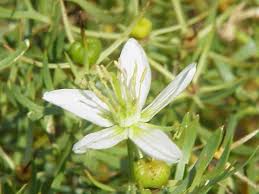
3. Flowers: The flowers of Syrian Rue are showy and have a distinctive star-shaped appearance. They are typically bright yellow with prominent, fringed petals.
4. Fruits: The fruit of Syrian Rue consists of capsules that contain small, angular seeds. These seeds have a reddish-brown to black color.
5. Stem: The stem is woody, branching, and covered in fine hairs. It has a pale green to gray-green color.
6. Roots: Syrian Rue has a deep taproot system that anchors the plant to the ground and aids in its survival in arid regions.
7. Growth Conditions: This plant thrives in dry, arid climates and is often found in sandy or rocky soils. It is well-adapted to regions with hot summers and limited rainfall.
The Geographic Distribution of Syrian Rue
Syrian Rue (Peganum harmala) has a distinctive geographic distribution that reflects its adaptability to diverse environments. Here, we’ll list and explain five key aspects of the geographic distribution of Syrian Rue:
1. Arid Regions: Syrian Rue is primarily found in arid and semi-arid regions of the Middle East, North Africa, and parts of South Asia. It thrives in areas with low annual rainfall.
2. Native Range: Its native range extends from the Mediterranean basin, including countries like Turkey, Greece, and Iran, to regions of North Africa, such as Egypt and Morocco.
3. Naturalized in Other Regions: Syrian Rue has naturalized in several countries outside its native range, including parts of southern Europe, the Americas, and Australia. It can adapt to a variety of climates and soil types.
4. Urban and Rural Environments: It is commonly found in both urban and rural areas, often growing in disturbed habitats, along roadsides, and in vacant lots.
5. Cultivation: In addition to its wild growth, Syrian Rue is cultivated in regions where it has cultural or medicinal significance. Cultivation efforts are particularly notable in Iran and India.
The Chemical Composition of Syrian Rue
The chemical composition of Syrian Rue (Peganum harmala) plays a pivotal role in its medicinal and psychoactive properties. Here, we’ll list and explain eight key components of its chemical composition:
1. Harmaline and Harmine: Syrian Rue contains harmaline and harmine alkaloids, which are responsible for its psychoactive effects and have been used in traditional rituals.
2. Beta-Carboline Alkaloids: Besides harmaline and harmine, Syrian Rue also contains other beta-carboline alkaloids like tetrahydroharmine and harmalol, which contribute to its psychoactivity.
3. Quinazoline Alkaloids: These alkaloids, including vasicine and peganine, have been identified in Syrian Rue and may have various pharmacological properties.
4. Flavonoids: The plant contains flavonoids such as quercetin and kaempferol, known for their antioxidant and anti-inflammatory properties.
5. Volatile Oils: Syrian Rue contains volatile oils, including terpenes and sesquiterpenes, which can contribute to its aroma and potential medicinal effects.
6. Tannins: Tannins are present in Syrian Rue and are known for their astringent properties.
7. Essential Oils: Some varieties of Syrian Rue may contain essential oils with distinct aromatic qualities.
8. Proteins and Enzymes: Syrian Rue also contains proteins and enzymes that may have various physiological functions.
The Cultivation and Growth of Syrian Rue
Cultivating and nurturing Syrian Rue (Peganum harmala) requires specific care and considerations. Here, we’ll list and explain six key aspects of its cultivation and growth:
1. Soil Requirements: Syrian Rue prefers well-drained, sandy or loamy soils with a slightly alkaline to neutral pH.
2. Sunlight: It thrives in full sun and requires at least six hours of sunlight per day.
3. Temperature Tolerance: Syrian Rue is well-suited to regions with hot summers and can withstand temperature extremes, both cold and hot.
4. Watering: While it can tolerate drought conditions, regular watering during the growing season is recommended, particularly in regions with limited rainfall.
5. Propagation: Syrian Rue can be propagated from seeds or cuttings. Seeds should be scarified (lightly scratched) and soaked before planting.
6. Pruning: Regular pruning can help manage its growth, maintain shape, and improve air circulation.
The Harvesting and Processing of Syrian Rue
The process of harvesting and processing Syrian Rue (Peganum harmala) is crucial to preserving its medicinal and psychoactive properties. Here, we’ll list and explain six key aspects of the harvesting and processing of Syrian Rue:
1. Harvesting Timing: Syrian Rue is typically harvested when the seeds are mature and have turned brown or black. This is when the alkaloid content is highest.
2. Seed Collection: The seeds are carefully collected from the dried seed pods. Protective measures like gloves should be worn, as the seeds contain alkaloids that can be absorbed through the skin.
3. Drying: To preserve the seeds for later use, they should be thoroughly dried in a well-ventilated area away from direct sunlight. This process can take several days.
4. Storage: Once dried, Syrian Rue seeds can be stored in airtight containers in a cool, dark place to maintain their potency.
5. Preparation for Ritual Use: In some cultures, the seeds are ground into a powder and used in ritualistic practices, such as ayahuasca analogs.
6. Medicinal Preparations: For medicinal use, the seeds are often prepared as a decoction or tincture.
Read Also: How to Convert Crop Wastes to Money
The Medicinal Health Benefits Of Syrian Rue (Peganum harmala)

Syrian Rue, scientifically known as Peganum harmala, is a plant with a rich history of medicinal use. Its diverse range of health benefits makes it a fascinating subject of study and an essential component of traditional medicine in various cultures. Here, we’ll list and explain 18 of its notable health benefits:
1. Gastrointestinal Health: Syrian Rue has been used to alleviate digestive issues, including indigestion, bloating, and diarrhea.
2. Antioxidant Properties: It contains compounds with antioxidant properties that help protect cells from oxidative damage.
3. Anti-Inflammatory Effects: Syrian Rue may have anti-inflammatory properties, which can be beneficial for conditions involving inflammation.
4. Antimicrobial Activity: Some studies suggest that Syrian Rue extracts have antimicrobial properties, potentially inhibiting the growth of harmful microorganisms.
5. Respiratory Support: It has been used to ease symptoms of respiratory conditions like asthma and bronchitis.
6. Analgesic Effects: Syrian Rue may provide pain relief for various types of discomfort.
7. Skin Health: Topical applications of Syrian Rue may help soothe skin irritations and promote healing.
8. Neuroprotective Properties: Some research indicates that it may have neuroprotective effects, potentially benefiting conditions like Alzheimer’s disease.
9. Blood Sugar Regulation: Syrian Rue has been explored for its potential to help regulate blood sugar levels.
10. Cardiovascular Health: It may contribute to heart health by supporting healthy blood pressure and cholesterol levels.
11. Anticancer Potential: Some studies suggest that Syrian Rue extracts may have anticancer properties, although further research is needed.
12. Immune System Support: It may help boost the immune system, enhancing the body’s defense against infections.
13. Pain Management: Syrian Rue has been used to alleviate various types of pain, including headaches and muscle discomfort.
14. Mood Enhancement: It may have mood-enhancing properties and is sometimes used for mild depressive symptoms.
15. Wound Healing: Topical preparations of Syrian Rue have been employed to aid in wound healing.
16. Digestive Disorders: It may help with conditions like irritable bowel syndrome (IBS) and gastritis.
17. Cognitive Function: Some studies suggest that Syrian Rue may have cognitive-enhancing effects.
18. Traditional Rituals: In certain cultures, Syrian Rue is used in rituals and ceremonies for its psychoactive and spiritual properties.
The Methods of Usage to Achieve the Provided Health Benefits Of Syrian Rue (Peganum harmala)
To harness the medicinal health benefits of Syrian Rue, various methods of usage are employed. Here, we’ll list and explain ten common methods:
1. Decoction: Syrian Rue seeds are boiled to create a decoction, which can be consumed orally for various health benefits.
2. Tincture: Liquid extracts of Syrian Rue can be taken orally, often mixed with water or juice.
3. Capsules: Syrian Rue supplements are available in capsule form for convenient consumption.
4. Topical Applications: Syrian Rue preparations can be applied topically to soothe skin irritations and promote healing.
5. Inhalation: In some cultures, the smoke from burning Syrian Rue seeds is inhaled for ritualistic and psychoactive purposes.
6. Ayahuasca Analogs: Syrian Rue is sometimes used as an essential component in ayahuasca analogs, which are consumed for spiritual and psychoactive experiences.
7. Smoking Blends: Historically, Syrian Rue has been used in smoking blends for its psychoactive effects, although this method is less common today.
8. Poultices: Crushed Syrian Rue seeds can be used in poultices for wound healing and pain relief.
9. Infusions: Syrian Rue can be prepared as an infusion, steeped in hot water, and consumed for its therapeutic effects.
10. Traditional Rituals: In certain cultures, Syrian Rue is used in traditional rituals and ceremonies, often involving ingestion or inhalation for spiritual experiences.
The Side Effects Of Using Syrian Rue Medicinal Plant
While Syrian Rue (Peganum harmala) has medicinal potential, it can also lead to side effects in some individuals. Here, we’ll list and explain nine potential side effects:
1. Nausea and Vomiting: Syrian Rue can cause nausea and vomiting, especially when taken in higher doses.
2. Dizziness: Some individuals may experience dizziness or lightheadedness after consuming Syrian Rue.
3. Confusion: High doses of Syrian Rue can lead to confusion or cognitive impairment.
4. Hypertension: It may increase blood pressure in some individuals.
5. Hallucinations: Syrian Rue contains psychoactive compounds and, in large doses, can lead to hallucinations and altered perception.
6. Gastrointestinal Distress: It may cause digestive discomfort, including diarrhea and stomach cramps.
7. Interaction with Medications: Syrian Rue can interact with certain medications
Scientific Evidence and Case Studies on Syrian Rue (Peganum harmala)
1. Antioxidant Properties: Studies show that Peganum harmala seeds contain harmaline, harmine, and other β-carboline alkaloids with strong antioxidant activity, protecting cells from oxidative damage and aging.
2. Antimicrobial and Antifungal Effects: Research indicates that Peganum harmala extracts inhibit the growth of various bacteria and fungi, including Staphylococcus aureus and Candida albicans, due to its potent alkaloids.
3. Neuroprotective Benefits: Scientific evidence reveals that harmine and harmaline in Syrian Rue have neuroprotective effects by reducing neuroinflammation and oxidative stress, which may support brain health and memory.
4. Anticancer Potential: Several studies suggest that Peganum harmala extracts can induce apoptosis (programmed cell death) in cancer cells, showing promise in cancer research and alternative therapy studies.
5. Antidepressant and Mood-Stabilizing Effects: Research demonstrates that the alkaloids in Peganum harmala act as reversible inhibitors of monoamine oxidase (MAO), potentially improving mood and reducing symptoms of depression.
Read Also: 8 Medicinal Health Benefits of Saussurea obvallata (Brahma Kamal)
The Safety Precautions and Recommendations In Using Syrian Rue Medicinal Plant

While Syrian Rue (Peganum harmala) has potential health benefits, it’s crucial to use it with care and consideration for safety. Here are seven safety precautions and recommendations when using Syrian Rue as a medicinal plant:
1. Dosage Awareness: Always follow recommended dosage guidelines provided by healthcare professionals or on product labels. Syrian Rue can be potent, and excessive consumption can lead to adverse effects.
2. Consultation with Healthcare Provider: Before using Syrian Rue, especially in medicinal doses or if you have underlying health conditions, consult with a qualified healthcare provider to ensure it’s safe for you.
3. Allergies: Be aware of potential allergies to Syrian Rue or related plants. If you have known plant allergies, exercise caution when using it.
4. Avoid Alcohol: Do not consume alcoholic beverages when using Syrian Rue, as it may intensify its effects and increase the risk of adverse reactions.
5. Mental Health Conditions: Individuals with mental health conditions or a history of psychiatric disorders should use Syrian Rue with caution, as it can have psychoactive properties.
6. Pregnancy and Breastfeeding: Pregnant and breastfeeding individuals should avoid Syrian Rue due to limited safety data.
7. Medication Interactions: Syrian Rue may interact with certain medications, including antidepressants and MAOIs. Discuss potential interactions with your healthcare provider.
The Legal Status and Regulations In Using Syrian Rue Medicinal Plant
The legal status and regulations surrounding the use of Syrian Rue (Peganum harmala) as a medicinal plant can vary by region. Here, we’ll list and explain six common legal considerations:
1. Dietary Supplement: In many countries, Syrian Rue is available as a dietary supplement, and its sale is regulated by health authorities. It can be purchased over-the-counter.
2. Prescription Products: Some Syrian Rue-based medications may require a prescription from a healthcare provider, especially if they contain higher concentrations of the plant’s active compounds.
3. Cultivation Restrictions: The cultivation of Syrian Rue may be subject to local agricultural regulations, and certain species or varieties may be controlled or prohibited.
4. Import and Export: International trade of Syrian Rue may be regulated to prevent the spread of invasive species or to ensure quality control in the herbal industry.
5. Herbal Product Standards: Some regions have established standards and quality control measures for herbal products containing Syrian Rue to ensure consumer safety.
6. Controlled Substance Status: In some countries or states, Syrian Rue or its alkaloids may be classified as controlled substances due to their psychoactive potential. Check local regulations.
FAQs About Syrian Rue Medicinal Plant
Here are 18 frequently asked questions (FAQs) about Syrian Rue (Peganum harmala) as a medicinal plant, along with explanations:
1. Is Syrian Rue safe for children?
It should not be used in children without the guidance of a healthcare provider.
2. Can Syrian Rue be used in combination with other herbal supplements?
Combining herbal supplements should be done with caution. Consult a healthcare provider to avoid potential interactions.
3. How long does it take for Syrian Rue to show its effects for medicinal purposes?
The onset of effects can vary. Some individuals may experience benefits within hours, while others may take several days of consistent use.
4. Can Syrian Rue be used during pregnancy or breastfeeding?
It should be avoided by pregnant and breastfeeding individuals due to limited safety data.
5. Are there any contraindications for Syrian Rue use?
It should be avoided in individuals with known allergies to Syrian Rue or related plants.
6. Is it safe to drive after taking Syrian Rue?
It’s not advisable to drive or operate heavy machinery immediately after taking Syrian Rue due to potential cognitive effects.
7. Are there specific conditions where Syrian Rue should be avoided?
Individuals with certain mental health conditions or a history of psychiatric disorders should use it with caution.
8. Can Syrian Rue be grown at home?
Check local regulations, as cultivation may be subject to restrictions in some areas.
9. What is the typical shelf life of dried Syrian Rue for herbal use?
Properly stored dried Syrian Rue can have a shelf life of 1-2 years.
10. Can Syrian Rue be used as a remedy for anxiety or depression?
While it may have mood-enhancing properties, it should not be used as a sole treatment for anxiety or depression. Consult a healthcare provider for comprehensive care.
11. Does Syrian Rue interact with birth control medications?
There is no well-documented interaction, but it’s best to consult a healthcare provider for personalized advice.
12. Can Syrian Rue be used if I have liver disease?
It should be avoided in individuals with severe liver disease due to potential effects on liver enzymes.
13. Is Syrian Rue habit-forming?
It is generally considered non-habit-forming when used as directed, but misuse can lead to dependence.
14. Can Syrian Rue be used with prescription medications for anxiety or depression?
Consult your healthcare provider before combining Syrian Rue with prescription medications.
15. Does Syrian Rue have any interactions with alcohol?
It should not be combined with alcohol, as it can intensify its effects.
16. Is Syrian Rue effective for post-traumatic stress disorder (PTSD)?
While it may help manage anxiety symptoms, it should not be used as the sole treatment for PTSD. Consult a mental health professional for comprehensive care.
17. Are there any reported cases of overdose with Syrian Rue?
Overdose cases are rare but can lead to symptoms like nausea, vomiting, and confusion. Seek medical attention if overdose is suspected.
18. Can Syrian Rue be used in combination with other psychoactive substances?
Combining Syrian Rue with other psychoactive substances can be dangerous and should be avoided.
Read Also: A Guide to Waste Recycling Industry Trends