


Common Chickweed, scientifically known as Stellaria media, is a versatile and well-known medicinal plant with a rich history of traditional use. In this article, we will explore the various medicinal health benefits, the botanical description, and the historical significance of Common Chickweed.
Common Chickweed has a long history of use in traditional medicine systems worldwide. Its use dates back centuries, and it has been employed for various health purposes. Let’s delve into the historical journey of Common Chickweed and its role in traditional healing practices.
The Botanical Description of Common Chickweed
Understanding the botanical characteristics of Common Chickweed is essential for identifying and utilizing this medicinal plant effectively. Here are six key aspects of its botanical description:
1. Taxonomy: Common Chickweed belongs to the Caryophyllaceae family and the Stellaria genus.
2. Growth Form: It is a low-growing, mat-forming herbaceous plant with slender, trailing stems.
3. Leaves: The leaves of Common Chickweed are small, opposite, and oval or lance-shaped. They have a distinctive single line of fine hairs along the stem (pubescence).
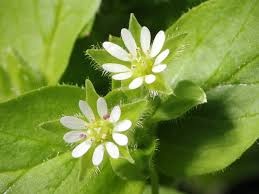
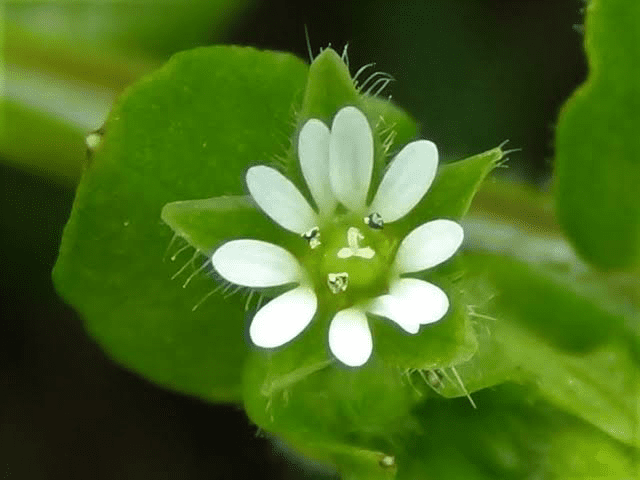
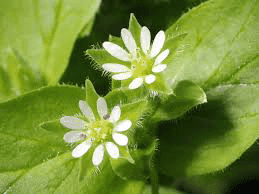
4. Flowers: Common Chickweed produces small, white flowers with five deeply notched petals. These delicate blooms have a star-like appearance, giving rise to its scientific name, Stellaria.
5. Roots: The root system of Common Chickweed is relatively shallow and fibrous.
6. Habitat: Common Chickweed thrives in a variety of habitats, including gardens, lawns, fields, and disturbed areas. It is found in temperate regions worldwide and is a common sight throughout North America and Europe.
The Geographic Distribution of Common Chickweed
Common Chickweed (Stellaria media) exhibits a wide and adaptable geographic distribution. Here are six key aspects of its distribution:
1. Native Range: Common Chickweed is native to Europe, but it has spread to many parts of the world due to its adaptable nature.
2. North America: It is found throughout North America, from Canada to Mexico, and is particularly common in the United States.
3. Eurasia: Common Chickweed is prevalent across Eurasia, including regions in Asia and the Middle East.
4. Australasia: It has also been introduced to Australia and New Zealand, where it has become naturalized.
5. Human-Altered Environments: This plant thrives in human-altered environments such as gardens, lawns, agricultural fields, and disturbed areas, making it a common sight in both urban and rural settings.
6. Global Adaptability: Common Chickweed’s ability to adapt to various climates and soil conditions has contributed to its widespread distribution.
The Chemical Composition of Common Chickweed
Understanding the chemical composition of Common Chickweed is essential for exploring its medicinal properties. Here are eight important components:
1. Saponins: Common Chickweed contains saponins, which contribute to its foaming properties and potential health benefits.
2. Flavonoids: Flavonoids are present in Common Chickweed and are known for their antioxidant and anti-inflammatory effects.
3. Vitamins: It is a source of essential vitamins such as vitamin C and vitamin A.
4. Minerals: Common Chickweed contains minerals like calcium, potassium, and magnesium.
5. Fatty Acids: Some fatty acids are present, including linoleic acid and oleic acid.
6. Polysaccharides: Polysaccharides in Common Chickweed may have immunomodulatory properties.
7. Phytosterols: Phytosterols, including beta-sitosterol, are found in this plant.
8. Alkaloids: Trace amounts of alkaloids are also present in Common Chickweed.
The Cultivation and Growth of Common Chickweed
Cultivating and growing Common Chickweed can be advantageous for both medicinal and culinary purposes. Here are five aspects to consider regarding its cultivation and growth:
1. Climate Requirements: Common Chickweed thrives in temperate climates with cool to mild temperatures.
2. Soil Preference: It prefers moist, well-draining soil rich in organic matter.
3. Sunlight: Common Chickweed can tolerate both full sun and partial shade, making it adaptable to various garden conditions.
4. Propagation: It can be propagated from seeds or by dividing existing plants.
5. Growth Habit: Common Chickweed has a low-growing, spreading habit and can be grown as a ground cover.
The Harvesting and Processing of Common Chickweed
Harvesting and processing Common Chickweed are essential steps in utilizing its medicinal properties effectively. Here are six steps involved in this process:
1. Timing: Harvest Common Chickweed when it is in its vegetative growth stage, typically in early spring before flowering.
2. Harvesting Method: Gently cut the young, tender leaves and stems, as these are the most suitable for medicinal and culinary use.
3. Drying: Lay the harvested parts in a well-ventilated area to dry, ensuring they are completely moisture-free.
4. Storage: Store the dried Common Chickweed in a cool, dry place to maintain its potency.
5. Culinary Use: Fresh Common Chickweed can be used in salads, sandwiches, and as a garnish.
6. Medicinal Preparations: Dried Common Chickweed can be used to make infusions, tinctures, or ointments for medicinal purposes.
Read Also: 15 Medicinal Health Benefits Of Aralia cordata (Spikenard)
The Medicinal Health Benefits Of Common Chickweed (Stellaria media)
1. Anti-Inflammatory: Common Chickweed possesses anti-inflammatory properties that can help reduce inflammation in various health conditions.
2. Skin Health: It is commonly used topically to soothe skin irritations, such as rashes, itching, and minor wounds.
3. Wound Healing: Common Chickweed can promote wound healing due to its antimicrobial and anti-inflammatory properties.
4. Respiratory Relief: It may help alleviate respiratory issues like coughs, bronchitis, and asthma.
5. Immune Support: Regular consumption can boost the immune system, helping the body fight off infections.
6. Digestive Aid: Common Chickweed aids in digestion and can alleviate issues like indigestion and bloating.
7. Weight Management: Some use it as part of weight management programs due to its potential to reduce appetite.
8. Antioxidant Protection: Its high antioxidant content helps combat oxidative stress and free radical damage.
9. Nutrient-Rich: Common Chickweed is a source of vitamins and minerals, including vitamin C and potassium.
10. Diuretic Effect: It has diuretic properties that aid in the elimination of excess fluids and toxins from the body.
11. Antimicrobial: Common Chickweed’s antimicrobial properties can help combat bacterial and fungal infections.
12. Detoxification: It supports the body’s natural detoxification processes, promoting overall health.
13. Cardiovascular Health: Some studies suggest that it may support heart health by regulating blood pressure and cholesterol levels.
14. Anti-Diabetic: Common Chickweed can help regulate blood sugar levels, making it beneficial for individuals with diabetes.
15. Anticancer Potential: Early research indicates that it may have potential anticancer properties.
16. Menstrual Health: It is traditionally used to alleviate menstrual discomfort and regulate menstrual cycles.
17. Anxiety Reduction: Some users report a mild calming effect, potentially aiding in anxiety management.
18. Hair and Scalp Health: It can be used in hair care products to promote healthy hair and scalp.
19. Liver Health: Common Chickweed is believed to support liver function and detoxification processes.
The Methods of Usage to Achieve the Provided Health Benefits Of Common Chickweed (Stellaria media)
To harness the health benefits of Common Chickweed, various methods of usage can be employed. Here are seven ways to achieve these benefits:
1. Herbal Infusion: Prepare a tea by steeping dried Common Chickweed leaves and stems in hot water and consume it.
2. Topical Applications: Create poultices, ointments, or creams from Common Chickweed paste for skincare and wound healing.
3. Dietary Supplement: Common Chickweed supplements are available in various forms, including capsules and extracts.
4. Culinary Use: Incorporate fresh Common Chickweed leaves into salads, soups, or sauté them as a nutritious side dish.
5. Tinctures: Tinctures made from Common Chickweed can be ingested for its health benefits.
6. Inhalation: Inhaling steam from Common Chickweed infusions can provide respiratory relief.
7. Compresses: Soak a cloth in a Common Chickweed infusion and apply it as a warm compress to affected areas.
The Side Effects Of Using Common Chickweed Medicinal Plant
While Common Chickweed offers numerous health benefits, it’s essential to be aware of potential side effects. Here are eight side effects associated with its use:
1. Allergic Reactions: Some individuals may experience allergic reactions, such as skin rashes or itching.
2. Gastrointestinal Discomfort: In some cases, Common Chickweed may cause mild stomach discomfort or diarrhea.
3. Blood-Thinning Effect: It may have a mild blood-thinning effect, so individuals taking blood-thinning medications should use it cautiously.
4. Pregnancy and Lactation: Pregnant and breastfeeding women should use Common Chickweed with caution due to potential risks.
5. Interaction with Medications: It may interact with certain medications, affecting their absorption and efficacy.
6. Nutrient Absorption: Prolonged use may interfere with the absorption of certain minerals like calcium and iron.
7. Kidney Stones: Individuals prone to kidney stones should use Common Chickweed cautiously, as it contains oxalates that may contribute to stone formation.
8. Toxicity: When used within recommended dosage levels, Common Chickweed is generally safe. However, excessive consumption can lead to side effects.
Read Also: 19 Medicinal Health Benefits Of Opium Poppy (Papaver somniferum)
Scientific Research and Studies of Common Chickweed
1. Anti-Inflammatory Activity: Studies have confirmed its anti-inflammatory effects, making it a potential treatment for inflammatory conditions.
2. Antioxidant Properties: Common Chickweed has demonstrated antioxidant capacity, which may protect against oxidative stress.
3. Antimicrobial Effects: Research indicates its antimicrobial activity against various pathogens.
4. Wound Healing: It has been studied for its wound-healing properties, particularly in traditional medicine.
5. Respiratory Health: Research suggests its potential in alleviating respiratory issues like asthma and bronchitis.
6. Weight Management: Some studies have explored its role in appetite reduction and weight management.
7. Antidiabetic Potential: Common Chickweed has shown promise in managing diabetes by regulating blood sugar levels.
The Safety Precautions and Recommendations In Using Common Chickweed Medicinal Plant
When using Common Chickweed (Stellaria media) for its medicinal properties, it’s important to observe safety precautions and recommendations. Here are six precautions to consider:
1. Identification: Ensure accurate identification of Common Chickweed to avoid potential confusion with toxic look-alike plants. Utilize field guides or consult with experts if needed.
2. Allergic Reactions: Be aware of potential allergic reactions, especially if you have a history of plant allergies. Conduct a patch test when using it topically.
3. Dosage Control: Follow recommended dosage instructions, as excessive consumption may lead to gastrointestinal discomfort.
4. Consultation with a Healthcare Provider: If you have underlying health conditions, are pregnant or breastfeeding, or are taking medications, consult with a qualified healthcare provider before using Common Chickweed medicinally.
5. Harvesting Safety: If harvesting Common Chickweed from the wild, do so in areas free from pesticide use and pollution. Avoid harvesting near roadsides.
6. Quality Control: Ensure the quality of Common Chickweed products by sourcing from reputable suppliers or harvesting from uncontaminated areas.
The Legal Status and Regulations In Using Common Chickweed Medicinal Plant
The legal status and regulations related to Common Chickweed (Stellaria media) can vary by region and country. Here are seven considerations regarding its legal status and regulations:
1. Herbal Medicine Regulations: Common Chickweed may be subject to herbal medicine regulations in some regions, requiring specific licensing and quality control standards for its use.
2. Over-the-Counter Availability: Depending on local regulations, Common Chickweed products may be available over-the-counter for dietary and medicinal use.
3. Prescription Requirements: In certain cases, preparations of Common Chickweed may require a prescription, particularly when used for therapeutic purposes.
4. Import and Export Restrictions: Regulations may exist regarding the import and export of Common Chickweed and its products, especially across international borders.
5. Labeling and Packaging: Common Chickweed products may be subject to labeling and packaging requirements to ensure accurate information for consumers.
6. Quality Control: Authorities may enforce quality control measures to ensure the safety and efficacy of Common Chickweed products.
7. Protected or Endangered Status: In some regions, Common Chickweed may be protected or listed as an endangered species. Be aware of local conservation laws.
FAQs About Common Chickweed Medicinal Plant
Here are 16 frequently asked questions (FAQs) about Common Chickweed (Stellaria media) as a medicinal plant:
1. Is Common Chickweed the same as other types of chickweed?
Common Chickweed (Stellaria media) is a specific species, but there are other chickweed species with similar names. Be sure to identify correctly.
2. How can I differentiate Common Chickweed from other look-alike plants?
Common Chickweed typically has small, oval leaves with a single line of fine hairs along the stem. Consult a field guide for precise identification.
3. Is Common Chickweed safe to eat in salads?
Yes, Common Chickweed is edible and can be used in salads, but ensure you harvest it from uncontaminated areas.
4. Are there any toxic side effects of Common Chickweed?
When used within recommended dosage levels, Common Chickweed is generally safe. Excessive consumption may cause gastrointestinal discomfort.
5. Can Common Chickweed be used during pregnancy and breastfeeding?
It’s advisable for pregnant and breastfeeding women to consult with a healthcare provider before using Common Chickweed medicinally.
6. Does Common Chickweed interact with medications?
Common Chickweed may interact with certain medications, so consult a healthcare provider if you are on medication.
7. Can I cultivate Common Chickweed in my garden?
Common Chickweed can be cultivated in a garden, but be cautious about its potential to spread rapidly.
8. Is Common Chickweed invasive?
In certain conditions, Common Chickweed can become invasive, so monitor its growth in your garden.
9. What are the primary medicinal uses of Common Chickweed?
Common Chickweed is used for its anti-inflammatory, skin-healing, respiratory, and digestive benefits, among others.
10. Can I use Common Chickweed to make homemade ointments?
Yes, Common Chickweed can be used to make topical ointments for skin irritations and minor wounds.
11. Is it legal to harvest Common Chickweed from the wild?
Harvesting Common Chickweed from the wild is generally allowed, but be mindful of local regulations and conservation laws.
12. Does Common Chickweed have any contraindications?
Consult a healthcare provider if you have specific medical conditions or are taking medications to determine potential contraindications.
13. Can Common Chickweed be used for pets or animals?
It’s best to consult with a veterinarian before using it for pets or livestock.
14. How should I store dried Common Chickweed for medicinal use?
Store dried Common Chickweed in a cool, dry place in an airtight container to maintain its potency.
15. Can Common Chickweed be used for hair and scalp health?
Yes, it can be used in hair care products to promote a healthy scalp.
16. Are there any known cases of toxicity associated with Common Chickweed?
When used responsibly, Common Chickweed is generally safe. However, excessive consumption can lead to side effects.
Do you have any questions, suggestions, or contributions? If so, please feel free to use the comment box below to share your thoughts. We also encourage you to kindly share this information with others who might benefit from it. Since we can’t reach everyone at once, we truly appreciate your help in spreading the word. Thank you very much for your support and for sharing!
Disclaimer: This article is for educational and informational purposes only. The health benefits described are based on scientific research and traditional knowledge. They are not a substitute for professional medical advice, diagnosis, or treatment. Always consult a healthcare professional before using any herb or natural remedy for medical purposes.