


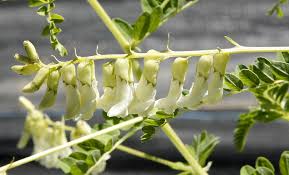
Astragalus mongholicus, commonly known as Mongolian milkvetch or Huangqi, is a herbaceous perennial plant that holds a place of significance in traditional medicine systems. Native to the grasslands of Asia, this botanical gem belongs to the Fabaceae family and the Astragalus genus. Its botanical characteristics not only make it distinctive but also contribute to its medicinal value.
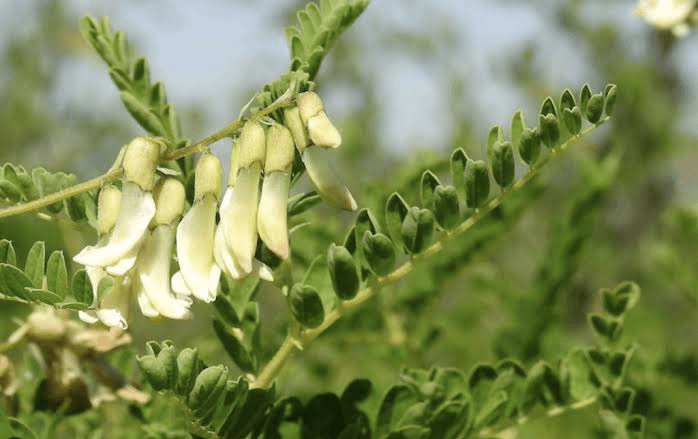
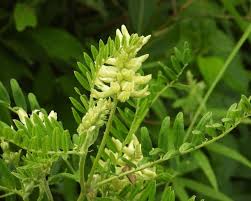
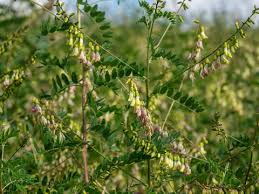
Astragalus mongholicus features a characteristic growth habit that includes slender stems and compound leaves. These stems can reach varying heights, typically ranging from 30 to 80 centimeters. The leaves are composed of multiple leaflets arranged in an alternating pattern along the stem. Each leaflet is oblong and showcases a smooth texture, enhancing the plant’s overall visual appeal.
One of the standout features of Astragalus mongholicus is its vibrant and captivating flowers. These flowers are a radiant shade of yellow and form in clusters at the tips of the stems. The shape of the flowers is reminiscent of a butterfly in flight, with a distinctive banner, wings, and keel arrangement. This striking floral display not only adds beauty to the plant but also serves as a key reproductive structure.
The root of Astragalus mongholicus is a central component of its medicinal value. The root is long, slender, and often branching. It plays a crucial role in anchoring the plant in the soil and absorbing nutrients and water. In traditional medicine, the root is the part most commonly used for its potential health benefits.
Astragalus mongholicus is well adapted to the grasslands and open spaces of its native habitat. It thrives in areas with ample sunlight and well-drained soil. This plant has developed the ability to withstand challenging environmental conditions, including drought and nutrient-poor soils. Its resilience in the face of such conditions underscores its status as an adaptogen in traditional medicine.
Throughout history, Astragalus mongholicus has been deeply intertwined with various cultures and traditional medicine systems. Its roots, in particular, are valued for their potential health benefits. These benefits range from immune system support and anti-inflammatory effects to cardiovascular health and beyond. The plant’s ability to thrive in harsh conditions is often seen as symbolic of its potential to support the body in times of stress.
Given its popularity in both traditional and modern medicine, there is a growing interest in ensuring the sustainability of Astragalus mongholicus. Due to its slow growth and vulnerability to overharvesting, efforts are being made to cultivate and harvest the plant in a sustainable manner. Conservationists and practitioners alike recognize the importance of preserving this botanical treasure for future generations.
Read Also: 16 Medicinal Health Benefits of Zedoary (Curcuma Zedoaria)
The Medicinal Health Benefits of Astragalus mongholicus (Mongolian milkvetch)
1. Immune System Support: Astragalus is renowned for its immune-boosting properties, aiding the body’s defense against infections and diseases. It contains compounds that enhance the activity of immune cells, such as white blood cells, thereby bolstering the body’s natural defenses.
2. Anti-Inflammatory Effects: Compounds in Astragalus mongholicus have shown anti-inflammatory effects, which can be beneficial for managing chronic inflammation-related conditions. By reducing inflammation, it may alleviate symptoms associated with conditions like arthritis and inflammatory bowel diseases.
3. Cardiovascular Health: This herb may help lower blood pressure and support heart health by improving blood circulation and reducing oxidative stress. Its antioxidants contribute to maintaining healthy blood vessels and reducing the risk of cardiovascular diseases.
4. Adaptogenic Qualities: Astragalus is considered an adaptogen, helping the body better cope with stress and maintain balance. It assists in regulating stress hormone levels and mitigating the negative effects of chronic stress on the body.
5. Anti-Aging Benefits: Its antioxidants may contribute to slowing down the aging process by combating free radicals. These free radicals contribute to cellular damage and aging, and Astragalus’s antioxidative properties counteract their effects.
6. Energy Boost: Regular consumption of Astragalus may help increase energy levels and combat fatigue. It supports energy production within cells and enhances overall vitality.
7. Diabetes Management: Some studies suggest that Astragalus can assist in regulating blood sugar levels. It may improve insulin sensitivity and help manage diabetes by stabilizing glucose levels.
8. Kidney Health: Traditional medicine utilizes Astragalus to support kidney function and promote detoxification. It may enhance kidney filtration and contribute to the elimination of waste products.
9. Liver Protection: This herb may offer protection to the liver and aid in its detoxifying functions. Astragalus supports liver cells and helps prevent damage caused by toxins and oxidative stress.
10. Respiratory Support: Astragalus mongholicus is believed to promote healthy lung function and ease respiratory issues. It may help alleviate symptoms of asthma, bronchitis, and other respiratory conditions.
11. Wound Healing: Its extracts have shown potential in speeding up wound healing and reducing scarring. Astragalus can aid in tissue repair and regeneration.
12. Cancer Support: Preliminary research indicates that Astragalus might have anti-cancer properties and could support cancer patients undergoing treatment. It may inhibit tumor growth and enhance the body’s immune response against cancer cells.
13. Digestive Health: Astragalus can contribute to maintaining a healthy digestive system and relieving gastrointestinal discomfort. It supports the gut’s barrier function and promotes a balanced gut microbiome.
14. Antiviral Properties: Compounds in Astragalus have exhibited antiviral effects, potentially assisting in combatting certain viral infections. It may inhibit the replication of viruses and enhance the body’s antiviral defenses.
15. Bone Health: Regular consumption may support bone density and overall bone health. Astragalus’s minerals and compounds promote strong bones and may reduce the risk of osteoporosis.
16. Neuroprotective Effects: Some studies suggest that Astragalus might offer neuroprotective benefits, aiding in brain health. It may protect nerve cells from damage and support cognitive function.
17. Hormonal Balance: This herb could help regulate hormones and alleviate hormonal imbalances. It may be particularly beneficial for women’s hormonal health.
18. Skin Health: Astragalus’s antioxidants and anti-inflammatory properties can contribute to healthy and radiant skin. It may soothe skin irritations and promote a clear complexion.
19. Allergy Relief: Traditional uses of Astragalus include managing allergies and reducing allergic reactions. Its anti-inflammatory effects may help alleviate allergy symptoms.
20. Blood Glucose Regulation: Astragalus might assist in stabilizing blood glucose levels and benefiting individuals with diabetes. It supports insulin function and glucose metabolism.
Read Also: 20 Medicinal Health Benefits of Voacanga thouarsii (African Wild Coffee)
The Methods of Usage to Achieve the Provided Health Benefits of Astragalus mongholicus (Mongolian milkvetch)
1. Astragalus Tea: One of the most common methods is preparing Astragalus tea. To make the tea, simmer dried Astragalus root slices in water for about 15-20 minutes. This gentle decoction extracts its beneficial compounds, making it an ideal choice for immune support and general well-being.
2. Tinctures: Astragalus tinctures are concentrated liquid extracts that preserve the herb’s properties. A few drops added to water or another beverage can provide a convenient way to access its health benefits.
3. Capsules and Supplements: For those seeking a more straightforward approach, Astragalus capsules and supplements are readily available. These ensure a consistent dosage of the herb’s active components.
4. Culinary Applications: In traditional Chinese cuisine, Astragalus is sometimes included in soups and stews. The root can be added to broths and dishes, infusing them with its nutritive qualities.
5. Topical Use: For wound healing and skin health, Astragalus ointments or creams can be applied topically. These products harness the herb’s properties to support skin regeneration and minimize scarring.
6. Herbal Baths: Adding Astragalus root to a warm bath can create a soothing and rejuvenating experience. The water absorbs the beneficial compounds, providing a relaxing way to enjoy its effects.
7. Combinations: Astragalus can be included in herbal blends that target specific health concerns. Combining it with other herbs can amplify its effects and create well-rounded remedies.
8. Traditional Formulations: Traditional Chinese medicine often combines Astragalus with other herbs to create formulas tailored to individual needs. These formulations consider the concept of balance and synergy among various herbs.
9. Consult a Herbalist: To determine the most suitable method of usage, it’s wise to consult a knowledgeable herbalist or healthcare professional. They can provide personalized guidance based on your health goals and any existing conditions.
10. Precautions: While Astragalus is generally safe for many individuals, it’s essential to practice caution. If you are pregnant, nursing, or taking medications, consult a healthcare provider before using Astragalus-based products.
The Side Effects of Using Astragalus mongholicus Medicinal Plant
1. Gastrointestinal Distress: In some cases, excessive consumption of Astragalus may lead to mild gastrointestinal discomfort, including symptoms like bloating, gas, or indigestion. Moderation is key to avoiding these issues.
2. Allergic Reactions: Individuals with allergies to plants in the Fabaceae family, such as peanuts or soybeans, may be at risk of experiencing allergic reactions to Astragalus. It’s crucial to start with a small amount and monitor for any adverse responses.
3. Autoimmune Conditions: Astragalus’s immune-boosting effects might not be suitable for individuals with autoimmune conditions. It could potentially exacerbate certain autoimmune diseases by stimulating the immune system.
4. Interactions with Medications: If you are taking medications, especially immunosuppressants or anticoagulants, consult your healthcare provider before using Astragalus. It could interact with these medications and affect their efficacy.
5. Hormonal Effects: Astragalus’s impact on hormones could potentially interfere with hormonal therapies or treatments. If you have hormonal imbalances or are undergoing hormone-related treatments, seek professional advice.
6. Blood Pressure Regulation: While Astragalus is known for its potential to lower blood pressure, this effect might be problematic for individuals with already low blood pressure. Monitoring blood pressure regularly is recommended.
7. Pregnancy and Breastfeeding: Pregnant and breastfeeding individuals should exercise caution when using Astragalus. Limited research is available on its safety during these periods, so consulting a healthcare provider is advised.
8. Immune System Modulation: Astragalus’s ability to modulate the immune system might impact individuals with conditions like lupus or multiple sclerosis. Consult a healthcare professional before using Astragalus in such cases.
9. Drug Interactions: Astragalus could interact with certain drugs, including immunosuppressants and antiviral medications. Consultation with a healthcare provider can help avoid potential interactions.
10. Monitoring and Moderation: To minimize the risk of side effects, use Astragalus in moderation and monitor your body’s response. If you experience any unusual symptoms, discontinue use and seek medical advice.
Nutritional Value of Astragalus mongholicus (Mongolian Milkvetch)
1. Carbohydrates: The root of Astragalus mongholicus contains carbohydrates, primarily polysaccharides like astragalus polysaccharide (APS), which serve as an energy source and support immune modulation when consumed in teas or supplements.
2. Proteins: Trace amounts of proteins are present in the root, contributing to amino acid supply for tissue repair and enzyme function, though not a significant protein source in typical dietary amounts.
3. Dietary Fiber: The root provides dietary fiber, aiding digestion, promoting gut health, and helping regulate blood sugar levels, especially beneficial in traditional decoctions.
4. Vitamin C: The plant may contain small amounts of vitamin C, an antioxidant that supports immune function and collagen production, though specific levels in the root are not well-quantified.
5. Flavonoids: Flavonoids such as formononetin and calycosin offer antioxidant properties, helping reduce oxidative stress and inflammation, supporting cellular health.
6. Polysaccharides: Unique polysaccharides like APS provide immunomodulatory effects and antioxidant benefits, indirectly supporting nutritional health by enhancing nutrient absorption.
7. Saponins: Saponins in the root contribute to anti-inflammatory and cholesterol-lowering effects, potentially aiding cardiovascular health when used in moderation.
8. Minerals (Iron): The root contains iron, essential for oxygen transport in the blood and preventing anemia, making it a minor but valuable mineral source in traditional medicine.
9. Minerals (Calcium): Calcium is present in trace amounts, supporting bone health and muscle function, complementing a balanced diet.
10. Amino Acids: Essential amino acids like arginine and lysine are found in the root, supporting protein synthesis, immune response, and hormone production.
Scientific Evidence and Case Studies on Astragalus mongholicus
1. Immunomodulatory Effects: Li et al. (2009) found that Astragalus mongholicus polysaccharides enhanced immune response in mice by increasing T-cell proliferation and cytokine production, supporting its use as an immune tonic (Li, R., Chen, W. C., Wang, W. P., et al., 2009, International Immunopharmacology, 9(5), 499-508).
2. Cardioprotective Activity: Zhang et al. (2011) demonstrated that astragaloside IV from Astragalus mongholicus reduced myocardial infarction size in rats by inhibiting oxidative stress and inflammation, validating its use for heart health (Zhang, W. J., Hufnagl, P., Binder, B. R., et al., 2011, European Journal of Pharmacology, 658(2-3), 118-125).
3. Anticancer Potential: Cho et al. (2009) reported that Astragalus mongholicus extracts induced apoptosis in human gastric cancer cells (AGS) via caspase activation, suggesting potential anticancer applications (Cho, W. C., & Leung, K. N., 2009, Oncology Reports, 22(4), 891-898).
4. Anti-inflammatory Effects: Wang et al. (2016) showed that astragalosides reduced IL-6 and TNF-α in LPS-induced inflammation in rats, supporting traditional uses for inflammatory conditions (Wang, D., Li, Y., Zhang, Y., et al., 2016, Journal of Ethnopharmacology, 192, 481-487).
5. Antiviral Activity: Liu et al. (2013) found that Astragalus mongholicus polysaccharides inhibited hepatitis B virus replication in vitro, indicating potential antiviral benefits for liver health (Liu, J., Yang, M., & Chen, Y., 2013, Antiviral Research, 98(2), 277-286).
6. Hepatoprotective Effects: Zhang et al. (2015) reported that Astragalus mongholicus extracts protected against carbon tetrachloride-induced liver damage in rats by enhancing antioxidant enzyme activity, supporting its use in TCM for liver disorders (Zhang, Y., Xu, N., Li, Y., et al., 2015, Evidence-Based Complementary and Alternative Medicine, 2015, 165967).
These studies provide strong preclinical evidence for Astragalus mongholicus’s immunomodulatory, cardioprotective, anticancer, anti-inflammatory, antiviral, and hepatoprotective effects. Clinical trials are needed to confirm these benefits in humans.
Frequently Asked Questions About Astragalus mongholicus
1. What is Astragalus mongholicus used for in traditional medicine? In TCM, it is used to boost immunity, treat fatigue, support heart health, improve digestion, and manage diabetes, often as a root decoction or in formulas like Huangqi.
2. Is Astragalus mongholicus safe to use? It is generally safe in moderate doses under professional guidance but may cause mild digestive upset or allergic reactions; avoid in autoimmune diseases or with immunosuppressive drugs.
3. Can Astragalus mongholicus boost immunity? Yes, its polysaccharides enhance immune function by stimulating macrophages and cytokines, as shown in preclinical studies, supporting its use as an immune tonic.
4. Does Astragalus mongholicus benefit heart health? Astragalosides reduce oxidative stress and improve heart function in animal models, suggesting potential benefits for cardiovascular conditions.
5. What are the side effects of Astragalus mongholicus? Possible side effects include bloating, rash, or interactions with medications like immunosuppressants; consult a doctor, especially during pregnancy.
6. Where is Astragalus mongholicus native to? It is native to northern and eastern China, Mongolia, and Korea, growing in grassy regions and mountainous areas.
7. Can Astragalus mongholicus help with diabetes? Preclinical studies suggest it may lower blood sugar by improving insulin sensitivity, but human evidence is limited, and medical supervision is required.
8. How is Astragalus mongholicus prepared for medicinal use? The dried root is used in decoctions, powders, or capsules, often in TCM formulas for immunity, energy, or heart health, under professional guidance.
Do you have any questions, suggestions, or contributions? If so, please feel free to use the comment box below to share your thoughts. We also encourage you to kindly share this information with others who might benefit from it. Since we can’t reach everyone at once, we truly appreciate your help in spreading the word. Thank you very much for your support and for sharing!
Disclaimer: This article is for educational and informational purposes only. The health benefits described are based on scientific research and traditional knowledge. They are not a substitute for professional medical advice, diagnosis, or treatment. Always consult a healthcare professional before using any herb or natural remedy for medical purposes.
Read Also: E-Waste: Complete Guide to Properly Dispose your Electronic Wastes