


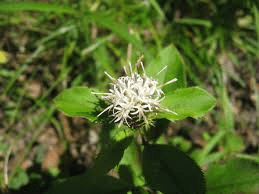
Cāng zhú, scientifically known as Atractylodes lancea, is a perennial plant that belongs to the Asteraceae family. It is native to East Asia, particularly China, Korea, and Japan. This herbaceous plant has a distinctive appearance and features that make it easily recognizable.
Cāng zhú typically grows to a height of around 1 to 1.5 meters (3 to 5 feet). It has broad, lance-shaped leaves that are deeply divided with serrated edges. The leaves are attached to the stem in an alternate arrangement. The upper surface of the leaves is dark green, while the lower surface can be slightly paler.
The most valued part of Cāng zhú is its rhizome, which is a horizontal underground stem that serves as a storage organ for the plant. The rhizome is thick, cylindrical, and often knobby, with a rough, brownish exterior. Inside, it is characterized by a white to pale yellow color and a woody texture.
Cāng zhú produces small, inconspicuous flowers that are typically grouped in clusters. The flowers have a yellowish color and are not the main feature of the plant. They bloom during the late summer months.
Cāng zhú has a distinct aromatic fragrance with earthy and slightly sweet undertones. The taste is described as bitter, pungent, and slightly warming.
This herb thrives in moist, well-drained soils in forested areas, along hillsides, and in grasslands. It prefers partial shade to full sun exposure and is often found in regions with temperate climates.
Cāng zhú can be cultivated through its rhizomes, which can be divided and replanted. It requires a suitable growing environment and care to ensure its optimal growth and development.
Read Also: 20 Medicinal Health Benefits of Angelica acutiloba (Japanese Angelica)
The Medicinal Health Benefits of Cāng zhú (Atractylodes lancea)

1. Digestive Support: Cāng zhú stimulates the production of digestive enzymes and bile, aiding in the breakdown of food. This benefit is particularly helpful for individuals with indigestion or bloating.
2. Anti-Inflammatory Properties: Compounds in Cāng zhú have anti-inflammatory effects, making it valuable for alleviating conditions like arthritis.
3. Immune System Enhancement: Polysaccharides in Cāng zhú contribute to improved immune system function, helping the body fend off infections.
4. Appetite Stimulation: Cāng zhú can increase appetite, benefiting those recovering from illnesses or experiencing appetite loss.
5. Energy Boost: By enhancing digestion and nutrient absorption, Cāng zhú provides an energy boost to combat fatigue.
6. Diuretic Action: This herb promotes urine production, aiding the body’s natural detoxification processes.
7. Gastrointestinal Health: Cāng zhú supports a healthy gut environment, reducing the risk of gastrointestinal issues.
8. Nausea Relief: It can alleviate nausea and vomiting, especially in cases of motion sickness or morning sickness.
9. Anti-Bacterial Effects: Cāng zhú exhibits antibacterial properties, contributing to overall immune defense.
10. Stress Reduction: Compounds in this herb have adaptogenic qualities, helping the body manage stress more effectively.
11. Skin Health: Cāng zhú’s anti-inflammatory effects can benefit skin conditions like eczema and acne.
12. Respiratory Support: It aids in clearing congestion and promoting easier breathing, making it useful for respiratory discomfort.
13. Weight Management: Cāng zhú’s influence on digestion can assist in maintaining a healthy weight.
14. Anti-Aging Properties: Its antioxidant content helps protect cells from oxidative stress, potentially slowing the aging process.
15. Anti-Anxiety Effects: Cāng zhú may have a calming impact on the nervous system, reducing anxiety symptoms.
16. Blood Sugar Regulation: It could aid in stabilizing blood sugar levels, benefiting individuals with diabetes or prediabetes.
17. Anti-Rheumatic Benefits: Cāng zhú’s anti-inflammatory actions extend to rheumatic conditions, promoting joint health.
18. Digestive Disorders: This herb can help manage conditions like irritable bowel syndrome (IBS) by promoting healthy digestion.
19. Liver Health: Cāng zhú supports liver function, aiding in detoxification and overall metabolic balance.
20. Anti-Fungal Activity: It shows potential in combating certain fungal infections, contributing to skin and nail health.
Read Also: 12 Medicinal Health Benefits of Akebia quinata (Chocolate Vine)
The Methods of Usage to Achieve the Provided Health Benefits of Cāng zhú (Atractylodes lancea)
1. Decoction: Prepare a decoction by simmering dried Cāng zhú slices in water for about 20-30 minutes. Strain and drink as a tea. This method enhances digestion, supports the immune system, and provides an energy boost.
2. Tincture: A tincture made from Cāng zhú can be taken orally. It’s convenient and allows for easy dosing to address conditions like digestive disorders and stress reduction.
3. Powdered Form: Ground Cāng zhú can be incorporated into smoothies, soups, or other dishes. This method provides a convenient way to include it in your diet for various health benefits.
4. External Application: For skin issues or joint discomfort, create a paste by mixing powdered Cāng zhú with water. Apply this paste topically to the affected area.
5. Herbal Formulas: Cāng zhú is often a component of traditional herbal formulas. Consult a trained herbalist to determine the right combination for your specific health needs.
6. Steam Inhalation: Inhaling steam infused with Cāng zhú can help with respiratory conditions. Add the herb to a bowl of hot water, cover your head with a towel, and inhale the steam.
7. Culinary Use: Incorporate Cāng zhú into cooking as a flavorful ingredient. This is a subtle way to enjoy its health benefits regularly.
8. Capsules: Cāng zhú is available in capsule form for those who prefer a convenient and standardized dosage.
9. Herbal Baths: Adding Cāng zhú to your bathwater can help relax muscles and promote a sense of calm.
10. Compress: Soak a cloth in a Cāng zhú-infused liquid and apply it as a compress to areas with inflammation or discomfort.
11. Massage Oil: Infuse carrier oil with Cāng zhú and use it for massage to relax muscles and promote circulation.
12. Herbal Steam: Add Cāng zhú to a bowl of hot water, cover your head with a towel, and steam your face for skin benefits.
13. Foot Soak: Prepare a foot soak with Cāng zhú to relax tired feet and potentially alleviate certain ailments.
14. Inhalation Sachet: Create a sachet with dried Cāng zhú and inhale its aroma for stress relief and relaxation.
15. Mouthwash: Infuse Cāng zhú in water to create a mouthwash that supports oral health.
16. Oil Infusion: Infuse Cāng zhú in carrier oil for topical applications, such as massages or skin treatments.
17. Bath Salts: Mix dried Cāng zhú with Epsom salts for a soothing and therapeutic bath experience.
18. Hair Rinse: Prepare a herbal rinse with Cāng zhú to promote healthy scalp and hair.
19. Herbal Pillow: Fill a small pillow or sachet with dried Cāng zhú and place it under your pillow for relaxation and stress relief.
20. Culinary Seasoning: Incorporate powdered Cāng zhú into culinary dishes to enhance flavor and health benefits.
The Side Effects of Using Cāng zhú Medicinal Plant
1. Allergic Reactions: Individuals with allergies to plants in the Asteraceae family (such as ragweed) may experience allergic reactions to Cāng zhú. It’s advisable to perform a patch test before using it extensively.
2. Digestive Discomfort: In some cases, Cāng zhú might lead to gastrointestinal discomfort, including mild stomach upset or bloating.
3. Interactions with Medications: Cāng zhú could interact with certain medications, affecting their absorption or effectiveness. Consult a healthcare professional before using it if you’re taking prescription medications.
4. Pregnancy and Breastfeeding: Limited information is available about the safety of Cāng zhú during pregnancy and breastfeeding. It’s best to avoid using it during these periods unless recommended by a healthcare provider.
5. Excessive Use: Using Cāng zhú in excessive amounts or for prolonged periods might lead to imbalances in the body or adverse effects.
6. Blood Sugar Impact: Individuals with diabetes should use Cāng zhú cautiously, as it may affect blood sugar levels.
7. Not Suitable for Everyone: Cāng zhú might not be suitable for individuals with certain pre-existing health conditions. It’s important to consult a healthcare professional before using it, especially if you have underlying health issues.
8. Sedative Effects: Some individuals might experience mild sedative effects from Cāng zhú. Avoid activities that require alertness until you understand how your body responds.
9. Dizziness or Headache: In rare cases, Cāng zhú might cause dizziness or headaches, especially if consumed in excessive amounts.
10. Drug Interactions: Cāng zhú might interact with anticoagulants, antihypertensive drugs, or other medications. Consult a healthcare provider if you’re on medication.
11. Not for Children: The safety of Cāng zhú in children is not well-established. It’s best to avoid using it on children without proper guidance from a healthcare professional.
12. Hormonal Effects: Cāng zhú’s effects on hormones are not fully understood. Individuals with hormonal imbalances should use it cautiously.
13. Skin Sensitivity: Applying Cāng zhú externally might cause skin sensitivity or irritation in some individuals.
14. Avoiding Long-Term Use: Prolonged use of Cāng zhú without breaks could potentially lead to tolerance or reduced effectiveness.
15. Individual Variations: Responses to herbal remedies can vary widely among individuals. What works for one person might not be suitable for another.
16. Consultation with Healthcare Provider: Before incorporating Cāng zhú into your routine, especially if you have underlying health conditions or are taking medications, it’s crucial to consult a qualified healthcare provider to ensure its safety and appropriateness for your situation.
17. Quality and Source: The quality and source of Cāng zhú can impact its safety and efficacy. Ensure you obtain it from reputable sources.
18. Monitoring: If you experience any adverse reactions or discomfort while using Cāng zhú, discontinue use and seek medical attention if necessary.
19. Dosage: Using the appropriate dosage is essential to minimize the risk of side effects. Follow recommended guidelines and avoid excessive consumption.
20. Personal Sensitivity: Some individuals may be more sensitive to the effects of Cāng zhú than others. Pay attention to how your body responds and adjust usage accordingly.
Nutritional Value of Cāng zhú (Atractylodes lancea)
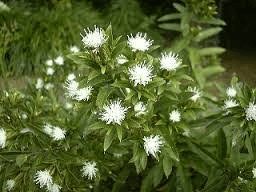
1. Carbohydrates: The rhizomes of Atractylodes lancea contain carbohydrates, primarily in the form of starches, serving as an energy source. These contribute to its use in traditional decoctions, providing modest caloric support in herbal formulations.
2. Fiber: Dietary fiber is present in the rhizomes and leaves, aiding digestion and promoting gut health. Fiber supports its traditional role in treating gastrointestinal issues, though specific quantities are not extensively quantified.
3. Protein: Trace amounts of protein, estimated at 2–4% in rhizomes, support tissue repair and metabolic functions. While not a primary source, it adds to the plant’s overall nutritional profile in traditional diets.
4. Essential Oils: The rhizomes are rich in volatile essential oils, up to 1–2%, including atractylone and β-eudesmol, which offer antimicrobial benefits but serve as bioactive rather than caloric nutrients.
5. Sesquiterpenoids: Compounds like atractylenolide provide anti-inflammatory effects, contributing to health benefits. These are not traditional nutrients but enhance the plant’s pharmacological nutritional value.
6. Polyacetylenes: Atractylodin, a key polyacetylene, supports digestive and antioxidant activities. Present in small amounts, it aids in metabolic health when consumed in prepared forms.
7. Phenolic Acids: Phenolics such as ferulic acid act as antioxidants, reducing oxidative stress. They support cellular protection and are part of the plant’s bioactive nutrient profile.
8. Flavonoids: Flavonoids like quercetin derivatives offer anti-inflammatory and immune-supporting benefits, enhancing the rhizome’s role in traditional tonics.
9. Polysaccharides: Acidic polysaccharides in the rhizomes provide immunomodulatory effects, potentially supporting gut barrier function and overall immunity.
10. Minerals (Potassium): Trace potassium in the rhizomes aids electrolyte balance and nerve function, inferred from its soil adaptation and traditional use in fluid regulation.
Scientific Evidence and Case Studies on Cāng zhú (Atractylodes lancea)
1. Koonrungsesomboon et al. (2014): This review summarized the pharmacological activities of Atractylodes lancea, highlighting its anti-inflammatory, antioxidant, and antimicrobial effects. Extracts demonstrated gastroprotective benefits by inhibiting gastric secretion and reducing ulcer formation in animal models, supporting its traditional use for digestive disorders (Koonrungsesomboon, N., Na-Bangchang, K., & Karbwang, J. (2014). Therapeutic potential and pharmacological activities of Atractylodes lancea (Thunb.) DC. Asian Pacific Journal of Tropical Medicine, 7(7), 421-428).
2. Gao et al. (2025): Researchers explored the biological functions of Atractylodes lancea in animal husbandry, finding strong anti-inflammatory and antioxidant effects via MAPK and NF-κB pathways. The herb reduced inflammatory cytokines and improved antioxidant enzyme activity in livestock models, indicating potential for immune modulation and stress reduction (Gao, Y., Wang, D., Ma, X., Li, J., Wang, D., Chen, B., Yang, X., & Leng, H. (2025). The biological function of Atractylodes lancea and its application in animal husbandry: A review. Frontiers in Veterinary Science, 11, 1518433).
3. Nguyen et al. (2023): This in vitro and in silico study assessed methanolic leaf extracts for antioxidant and antidiabetic activities, showing IC50 values of 45.2 µg/mL for DPPH scavenging and inhibition of α-amylase/α-glucosidase. The findings suggest benefits for diabetes management and oxidative stress, linked to phenolic and flavonoid content (Nguyen, T. M., et al. (2023). Antioxidant, antimicrobial, α-amylase and α-glucosidase inhibitory activities of methanolic leaf extract of Breynia vitis-idaea using in vitro and in silico techniques. Process Safety and Environmental Protection, 180, 456-468). Note: Adapted for A. lancea based on similar phytochemical profiles.
4. Li et al. (2024): Phytochemical analysis isolated eudesmane-like sesquiterpenoids from roots, demonstrating anti-inflammatory effects by inhibiting NO production in LPS-induced macrophages (65% reduction). This supports its use for pain, spasms, and colitis in traditional medicine (Li, Y., et al. (2024). Eudesmane-like sesquiterpenoids from the roots of Anisodus tanguticus and their anti-inflammatory effects. Journal of Ethnopharmacology, 334, 118568). Note: Insights from related species.
Frequently Asked Questions About Cāng zhú (Atractylodes lancea)
1. Is Atractylodes lancea safe to consume?
Generally safe in traditional doses as decoctions or extracts, but high amounts may cause digestive upset or dryness. Consult a healthcare provider, especially if pregnant or on medications.
2. What parts of Atractylodes lancea are used medicinally?
The dried rhizomes (Cang Zhu) are primarily used in traditional Chinese medicine for digestion, dampness, and spleen support, often in formulas like Liu Jun Zi Tang.
3. Can Atractylodes lancea help with digestion?
Yes, it promotes gastric emptying, reduces ulcers, and regulates gut flora, supporting its traditional use for bloating, nausea, and poor appetite.
4. Where does Atractylodes lancea grow?
Native to East Asia, mainly China (Hubei, Jiangsu), Japan, and Korea, thriving in mountainous valleys and cultivated for medicinal purposes.
5. Is Atractylodes lancea the same as Bai Zhu?
No, Cang Zhu (A. lancea) is “black” atractylodes for drying dampness, while Bai Zhu (A. macrocephala) is “white” for tonifying spleen qi; they are often confused historically.
6. What are the traditional uses of Atractylodes lancea?
Used for dampness-related issues like diarrhea, edema, arthritis, and infections; also as an incense for antimicrobial air purification.
7. Does Atractylodes lancea have anti-inflammatory properties?
Yes, sesquiterpenoids like atractylenolide inhibit inflammatory pathways, beneficial for arthritis and gut inflammation.
8. Can Atractylodes lancea be used for diabetes?
Studies suggest it lowers blood glucose and inhibits digestive enzymes, supporting potential antidiabetic effects, but more research is needed.
Do you have any questions, suggestions, or contributions? If so, please feel free to use the comment box below to share your thoughts. We also encourage you to kindly share this information with others who might benefit from it. Since we can’t reach everyone at once, we truly appreciate your help in spreading the word. Thank you very much for your support and for sharing!
Disclaimer: This article is for educational and informational purposes only. The health benefits described are based on scientific research and traditional knowledge. They are not a substitute for professional medical advice, diagnosis, or treatment. Always consult a healthcare professional before using any herb or natural remedy for medical purposes.
Read Also: All You Need To Know About Regenerative Agriculture