


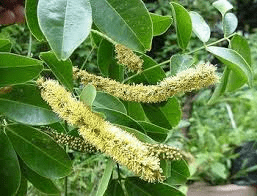
Entada rheedii, commonly known as African Dream Bean or Snuff Box Sea Bean, is a fascinating woody climber that belongs to the family Fabaceae. This plant exhibits unique characteristics that make it stand out in the botanical world. Let’s take a closer look at the botanical features of Entada rheedii:
Entada rheedii is a robust and vigorous climbing plant that can reach considerable heights. It often scrambles over trees and other vegetation, using its strong tendrils to anchor itself.
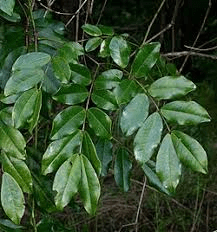
The leaves of Entada rheedii are alternate, pinnately compound, and relatively large. Each leaf comprises numerous leaflets arranged in pairs along a central axis. These leaflets are elliptical in shape and possess a glossy green surface.
The flowers of Entada rheedii are small and inconspicuous, arranged in elongated clusters known as racemes. They have a typical pea-like appearance, characteristic of plants in the Fabaceae family.
One of the most distinctive features of Entada rheedii is its large, flattened seed pods. These pods can grow to impressive lengths, often exceeding half a meter. They are woody and can vary in color from green to brown as they mature.
The pods are also known as “Sea Beans” due to their ability to float and be carried by ocean currents to distant shores.
Within the large seed pods, Entada rheedii produces seeds that are often referred to as “African Dream Seeds.” These seeds are somewhat flat, oval-shaped, and can reach significant sizes. They have a hard outer coat that protects the embryonic plant inside.
Entada rheedii is native to various regions across Africa, including tropical and subtropical areas. It thrives in diverse habitats, including coastal areas, savannas, and forests.
The plant’s ability to climb and scramble over other vegetation allows it to access sunlight and grow in areas with varying degrees of shade.
Entada rheedii holds cultural and traditional significance in many African societies. Its large seeds are often used in rituals, ceremonies, and spiritual practices.
The plant’s association with enhancing dreams and facilitating communication with the spirit world has contributed to its revered status in various cultures.
While not currently listed as endangered, Entada rheedii’s habitats are subject to various environmental pressures. Deforestation, habitat loss, and overharvesting of its distinctive seeds could potentially impact its populations in the future.
Read Also: 15 Medicinal Health Benefits of Cussonia spicata (Wild Cabbage Tree)
The Medicinal Health Benefits of Entada rheedii (African Dream Bean)

1. Enhanced Dream Activity: One of the most well-known properties of Entada rheedii is its ability to enhance dream experiences. Consuming a small amount of the seeds before sleep is believed to promote vivid and memorable dreams, fostering a connection between the conscious and subconscious mind.
2. Spiritual Insights: In various cultures, Entada rheedii is used to facilitate spiritual insights and visions during dream states, aiding individuals in connecting with their inner selves and the spiritual realm.
3. Sleep Disorder Relief: Entada rheedii is also utilized to address sleep disorders such as insomnia. Its calming properties may help promote restful sleep and alleviate sleep-related challenges.
4. Anxiety Reduction: The plant’s potential to reduce anxiety and stress is valued in traditional practices, offering a natural approach to managing these common emotional concerns.
5. Lucid Dreaming Support: For those interested in lucid dreaming—where one becomes aware of and can influence their dreams—Entada rheedii is often sought to enhance the frequency and depth of lucid dream experiences.
6. Cognitive Enhancement: Some traditional beliefs suggest that Entada rheedii might support cognitive function, including memory enhancement and improved focus.
7. Spiritual Cleansing: The smoke produced by burning Entada rheedii seeds is employed for spiritual cleansing, purifying the environment and preparing for rituals and ceremonies.
8. Ritualistic Importance: Across various cultures, the seeds play a pivotal role in rituals, serving as a conduit for communication with ancestors and spiritual entities.
9. Traditional Medicine: Entada rheedii is integrated into traditional medicinal practices to address various ailments, including fever and infections, showcasing its versatility as a remedy.
10. Pain Alleviation: The plant’s extracts are believed to possess pain-relieving properties, providing relief from discomfort associated with different conditions.
11. Anti-Inflammatory Effects: Entada rheedii may exhibit anti-inflammatory properties, potentially aiding in managing inflammatory ailments.
12. Digestive Support: Traditional medicine systems incorporate different parts of the plant to address digestive concerns and promote overall gut health.
13. Respiratory Relief: Preparations of Entada rheedii may offer respiratory benefits, helping to alleviate breathing difficulties and related discomforts.
14. Circulatory Health: The plant might contribute to maintaining healthy blood circulation, which is crucial for overall well-being.
15. Skin Nourishment: Extracts from Entada rheedii can be applied topically to promote skin health and manage certain skin conditions.
16. Wound Healing: Traditional applications of the plant’s components may aid in wound healing due to its potential regenerative properties.
17. Anti-Parasitic Potential: In some cultures, Entada rheedii is used to address parasitic infections, harnessing its potential anti-parasitic effects.
18. Menstrual Comfort: Among women’s health applications, the plant is used to alleviate menstrual discomfort and support reproductive well-being.
19. Anti-Fungal Properties: Entada rheedii extracts might exhibit anti-fungal activity, making them useful for addressing fungal infections.
20. Potential for Diabetes Management: Although further research is needed, there are indications that Entada rheedii could play a role in managing diabetes.
Read Also: 9 Medicinal Health Benefits of Bosch’s Pitcher-plan (Nepenthes Boschiana)
The Methods of Usage to Achieve the Provided Health Benefits of Entada rheedii (African Dream Bean)

1. Dream Enhancement: To enhance dream activity and promote vivid dreams, consider consuming a small amount of Entada rheedii seeds before sleep. The seeds can be chewed, crushed, or brewed into a tea.
2. Topical Applications: For skin-related benefits, prepare extracts or ointments using different parts of Entada rheedii, such as leaves or seeds. These can be applied topically to address skin issues or promote overall skin health.
3. Inhalation: Burn the seeds of Entada rheedii to create a fragrant smoke. Inhaling the smoke during meditation, rituals, or relaxation practices may offer spiritual insights and respiratory benefits.
4. Infusions and Decoctions: Utilize various plant parts to prepare infusions or decoctions for internal consumption. Boil leaves, seeds, or other components in water to create a potent liquid that can be consumed as a tea.
5.Powdered Form: Grind the seeds of Entada rheedii into a fine powder. This powder can be ingested directly, added to beverages, or incorporated into other herbal preparations.
6. Dream Sachets: Create sachets using dried Entada rheedii seeds and place them under your pillow before sleep. This method is believed to enhance dream experiences and promote positive energy.
7. Spiritual Rituals: Burn Entada rheedii seeds as incense during spiritual rituals or ceremonies. The aromatic smoke is thought to cleanse the environment and enhance the connection with the spiritual realm.
8. Medicinal Infusions: Brew seeds or other plant parts into a medicinal infusion. This method allows you to access the plant’s potential health benefits in a gentle and nurturing way.
9. Oil Infusion: Prepare an infused oil using Entada rheedii seeds and a carrier oil like coconut or olive oil. The infused oil can be used for massages or applied topically for various purposes.
10. Steam Inhalation: Add Entada rheedii leaves or seeds to a bowl of hot water and inhale the steam to potentially address respiratory concerns.
11. Bath Additive: Infuse Entada rheedii leaves or seeds into your bath water for a relaxing and potentially therapeutic bathing experience.
12. Herbal Combinations: Combine Entada rheedii with other complementary herbs to create customized blends that address specific health concerns.
The Side Effects of Using Entada rheedii Medicinal Plant
1. Gastrointestinal Discomfort: In some cases, excessive consumption of Entada rheedii seeds or preparations may lead to gastrointestinal discomfort, including nausea, vomiting, or digestive upset.
2. Headaches: Overconsumption or improper usage of Entada rheedii could potentially lead to headaches or migraines in sensitive individuals.
3. Heightened Dream Activity: While many seek enhanced dream experiences, excessive use of Entada rheedii seeds before sleep might lead to an overwhelming influx of dreams, potentially affecting sleep quality.
4. Sleep Disruption: In some instances, the plant’s dream-enhancing properties could disrupt regular sleep patterns, leading to restless nights or daytime drowsiness.
5. Allergic Reactions: Individuals with known allergies to plants in the Fabaceae family (pea family) might be at risk of allergic reactions when using Entada rheedii.
6. Interactions with Medications: If you are taking medications, especially sedatives, antidepressants, or other medications that affect the central nervous system, consult a healthcare professional before using Entada rheedii. It could interact with these medications and alter their effects.
7. Psychological Effects: The plant’s dream-enhancing properties may lead to intense dream experiences, which could be emotionally overwhelming for some individuals.
8. Lack of Standardization: Herbal preparations may vary in potency and quality. Without standardized dosages, it’s challenging to predict the exact effects of using Entada rheedii.
9. Pregnancy and Breastfeeding: Pregnant and breastfeeding individuals should exercise caution when using Entada rheedii due to the lack of sufficient safety data. It’s advisable to consult a healthcare professional before use.
10. Individual Variability: Each person’s response to Entada rheedii may vary. What works well for one individual may not be suitable for another.
Nutritional Value of Entada rheedii (African Dream Bean)
1. Protein: The seeds of Entada rheedii contain approximately 23.99% protein, making them a significant source of this nutrient. Protein supports muscle repair, growth, and overall cellular function, comparable to common legumes like cowpea.
2. Starch: The seeds have a high starch content of about 42.04%, providing a substantial energy source. Starch serves as a primary carbohydrate, supporting sustained energy release when properly prepared.
3. Potassium: With 1670.15 ppm of potassium, the seeds contribute to electrolyte balance, nerve function, and muscle contractions. This mineral content enhances their nutritional value for dietary use.
4. Galactose: High-performance thin-layer chromatography (HPTLC-UV) analysis reveals 2.60% galactose in the seeds. This sugar may support energy metabolism and cellular communication, though its specific role requires further study.
5. Fiber: The seeds contain dietary fiber, though exact quantities are not well-documented. Fiber aids digestion, promotes gut health, and may stabilize blood sugar levels when the seeds are detoxified for consumption.
6. Low Fat Content: Entada rheedii seeds are low in fat, reducing the risk of excessive caloric intake. This makes them a lean nutritional option for traditional diets when processed to remove toxins.
7. Low Anti-Nutrients: The seeds have minimal anti-nutrient metabolites like tannins, which can interfere with nutrient absorption. This enhances their suitability as a dietary supplement compared to other legumes.
8. Tryptophan Derivatives: Studies have identified tryptophan derivatives in the seed pulp, which may influence serotonin production and support mood regulation or sleep quality, aligning with their traditional use for dream enhancement.
9. Phenolic Compounds: The seeds contain phenolics, which act as antioxidants. These compounds may reduce oxidative stress and inflammation, contributing to overall health when consumed in safe forms.
10. Minerals (Trace): While potassium is prominent, other trace minerals like calcium or magnesium may be present in smaller amounts, supporting bone health and enzymatic functions, though specific data is limited.
The nutritional profile of Entada rheedii seeds positions them as a promising food source, particularly in regions where protein-energy malnutrition is a concern. However, their use requires careful preparation, such as roasting and soaking, to remove toxic secondary metabolites and ensure safety for consumption.
Scientific Evidence and Case Studies on Entada rheedii
1. Bhoi et al. (2023): This study conducted a nutritional and pharmacological analysis of Entada rheedii seeds, finding high protein (23.99%) and starch (42.04%) content, along with low anti-nutrients. The seeds showed promising anti-radical, anti-inflammatory, and anti-diabetic activity, supporting their traditional use as a dietary and medicinal resource (Bhoi, M., Saka, V. K., Rather, I. I., & Pothana, P. Y. (2023). Nutritional characterization of an underutilized legume Entada rheedii Spreng. seeds and validation of its folklore uses. Journal of Food Science and Technology, 60(6), 1674-1683).
2. Jayakumar et al. (2015): Research by Jayakumar et al. documented the ecological distribution and traditional medicinal uses of Entada rheedii in the Eastern Ghats, India. The study confirmed its use for wound healing and jaundice treatment, attributing these effects to bioactive compounds in the seeds and bark (Jayakumar, M., & Karuppusamy, S. (2015). Ecological distribution of traditional medicinal plants in Alagar hills of Eastern Ghats, Tamilnadu. European Journal of Environmental Ecology, 2(3), 128-136).
3. Ramachandra et al. (2016): This study explored the phytochemical properties of Entada rheedii (as Entada pursaetha), noting its antioxidant and anti-inflammatory potential. The findings supported its traditional use for treating burns and infections, with phenolics and flavonoids as key active compounds (Ramachandra, T. V., et al. (2016). Botanical wonder at Indian Institute of Science (Entada pursaetha — Wonder Climber of Western Ghats). Indian Institute of Science Report).
The limited but promising research on Entada rheedii validates its traditional uses for nutritional and medicinal purposes, particularly for anti-inflammatory and antioxidant effects. However, its psychoactive properties, especially for dream enhancement, remain largely anecdotal, requiring further clinical studies to confirm efficacy and safety.
Frequently Asked Questions About Entada rheedii
1. Is Entada rheedii safe to eat?
The seeds are toxic when raw due to secondary metabolites. Traditional preparation methods, like roasting and soaking in water for 10-12 hours, remove toxins, making them safe for consumption as a vegetable or coffee substitute.
2. How is Entada rheedii used for lucid dreaming?
In African traditions, the inner seed pulp is eaten, smoked with herbs like tobacco, or made into tea to induce vivid, lucid dreams, believed to facilitate spiritual communication. Effects are anecdotal and not fully studied.
3. What medicinal uses does Entada rheedii have?
It’s used traditionally to treat jaundice, ulcers, toothaches, and muscle pain. A paste from leaves, bark, or roots cleans wounds and treats burns, while tea may improve blood circulation or aid stroke recovery.
4. Can Entada rheedii seeds be used as jewelry?
Yes, the large, durable seeds are often worn as necklaces or bracelets in African cultures, believed to bring good luck or protect against evil spirits.
5. Where does Entada rheedii grow?
It’s native to tropical Africa, Asia, Australia, and Madagascar, thriving in lowlands, riverbanks, woodlands, thickets, and riverine rainforests, often near water sources.
6. How are Entada rheedii seeds prepared for consumption?
Seeds are roasted, pounded, and soaked in water for hours to remove toxins. In Australia, Aboriginal communities cook them as a vegetable after leaching.
7. Is Entada rheedii invasive?
No, it’s not considered invasive and is listed as Least Concern on the Red List of South African plants. Its wide distribution is due to natural seed dispersal by ocean currents.
8. Are there risks associated with Entada rheedii?
Raw seeds are toxic and can cause digestive issues or other adverse effects. Improper preparation or excessive consumption may lead to toxicity, so caution is advised.
Do you have any questions, suggestions, or contributions? If so, please feel free to use the comment box below to share your thoughts. We also encourage you to kindly share this information with others who might benefit from it. Since we can’t reach everyone at once, we truly appreciate your help in spreading the word. Thank you very much for your support and for sharing!
Disclaimer: This article is for educational and informational purposes only. The health benefits described are based on scientific research and traditional knowledge. They are not a substitute for professional medical advice, diagnosis, or treatment. Always consult a healthcare professional before using any herb or natural remedy for medical purposes.
Read Also: Collective Farming: The Key to Sustainable Food Systems