


Erythrophleum couminga, commonly known as African Corkwood, is a distinctive deciduous tree that belongs to the Fabaceae family. This plant is native to various regions in Africa and is renowned for its unique botanical features and valuable uses. Here,
Erythrophleum couminga is a sizable tree that can grow up to 15 meters in height, creating an impressive presence in its habitat.
The most notable feature of this plant is its reddish-brown bark, which is rough and textured. This distinctive bark contributes to the tree’s recognition in its natural environment.
The leaves of Erythrophleum couminga are compound and alternate. Each leaf is composed of several leaflets, which are arranged in a pinnate fashion. The leaflets have an elliptical shape with a smooth margin.
The plant produces eye-catching yellow flowers in clusters. These flowers are not only visually appealing but also play a vital role in the plant’s reproductive cycle.
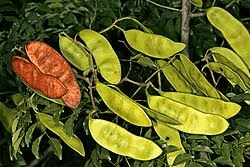
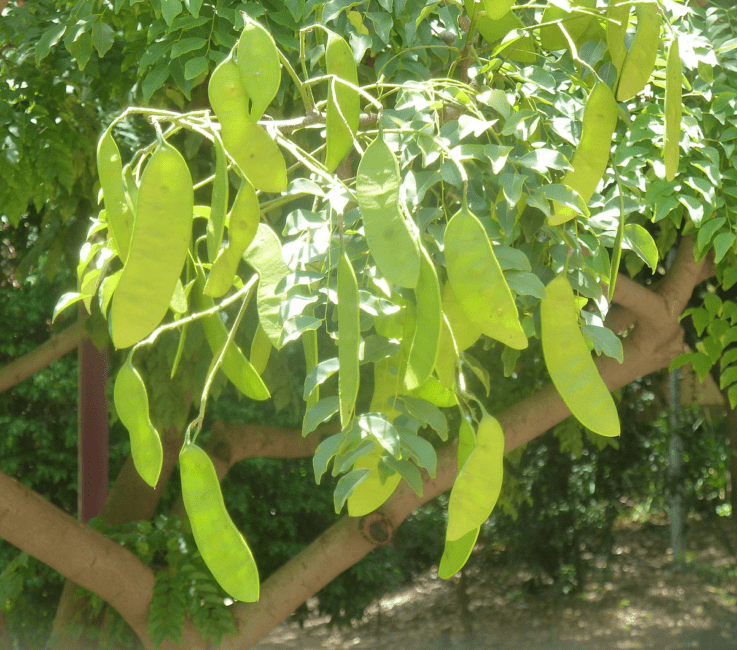
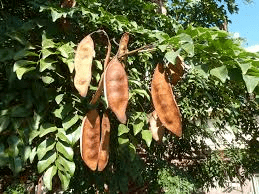
Erythrophleum couminga develops intriguing seed pods. These pods are flat, elongated, and often slightly curved. The seeds within the pods are dark and glossy, adding to the plant’s overall aesthetics.
Erythrophleum couminga is native to a range of African countries, including but not limited to Cameroon, Nigeria, Ghana, and Sierra Leone. It thrives in various types of habitats, from savannas to moist forests, and can often be found near water bodies.
The bark, leaves, and seeds of Erythrophleum couminga have been utilized for centuries in African traditional medicine.
Various parts of the plant are known to possess medicinal properties that have been used to address ailments such as pain, inflammation, and respiratory issues. However, it’s important to note that the plant also contains toxic compounds, particularly in its seeds, which require careful handling and usage.
Read Also: 15 Medicinal Health Benefits of Arum maculatum (Lords-and-Ladies)
The Medicinal Health Benefits of Erythrophleum couminga (African Corkwood)
1. Analgesic Properties: The bark and extracts of Erythrophleum couminga contain compounds with analgesic effects. These compounds can help alleviate pain, making it useful for managing various types of discomfort.
2. Anti-Inflammatory Effects: Erythrophleum couminga exhibits anti-inflammatory properties, which can be beneficial in reducing inflammation throughout the body. This makes it a potential remedy for conditions characterized by inflammation, such as arthritis.
3. Cardiovascular Support: Compounds present in Erythrophleum couminga may contribute to cardiovascular health. They might help maintain healthy blood pressure levels and support overall heart function.
4. Respiratory Relief: Traditional uses of Erythrophleum couminga include addressing respiratory issues like coughs, bronchitis, and chest congestion. Its properties could help soothe the respiratory system and improve breathing.
5. Antimicrobial Action: The plant’s extracts exhibit antimicrobial effects, which could aid in combating infections caused by bacteria, fungi, and other microorganisms.
6. Digestive Comfort: Erythrophleum couminga may offer relief from digestive discomfort. It can potentially alleviate issues such as indigestion, bloating, and gastrointestinal distress.
7. Wound Healing: The bark’s application on wounds might accelerate the healing process. Its properties could help prevent infections and promote the regeneration of damaged tissues.
8. Fever Reduction: Traditional remedies involving Erythrophleum couminga suggest its potential to lower fever and enhance comfort during times of illness.
9. Anxiety Relief: Certain compounds in the plant may have calming effects on the nervous system, helping to reduce anxiety and stress.
10. Skin Health: Extracts from Erythrophleum couminga can be used to address various skin conditions, including eczema and dermatitis. Their anti-inflammatory and antimicrobial properties can contribute to healthier skin.
11. Anti-parasitic Activity: Traditional uses include treating parasitic infections. The plant’s compounds might help combat parasites and their effects on the body.
12. Anti-diarrheal Effects: Erythrophleum couminga has been employed to manage diarrhea due to its potential to regulate bowel movements.
13. Astringent Properties: Its astringent nature can aid in toning and tightening tissues, which is beneficial for various conditions such as wounds and diarrhea.
14. Support for Menstrual Issues: Some traditional uses involve using the plant to address menstrual discomfort and irregularities.
15. Diuretic Effects: Erythrophleum couminga may act as a diuretic, promoting urine production and aiding in detoxification.
16. Immune System Support: Its bioactive compounds could contribute to boosting the immune system’s defenses.
17. Bone Health: Certain components might contribute to bone health by promoting mineralization and strength.
18. Anti-diabetic Potential: Preliminary research suggests that Erythrophleum couminga may have a role in managing blood sugar levels.
19. Liver Health: Traditional uses include supporting liver health and function.
20. Anti-cancer Properties: Some compounds in the plant have exhibited potential anti-cancer properties, although further research is needed to fully understand this aspect.
Read Also: 15 Medicinal Health Benefits of Arum maculatum (Lords-and-Ladies)
The Methods of Usage to Achieve the Provided Health Benefits of Erythrophleum couminga (African Corkwood)
1. Decoctions: One common method is to prepare a decoction by boiling the bark or leaves of Erythrophleum couminga in water. This creates a potent herbal tea that can be consumed to address issues like pain, inflammation, and respiratory discomfort.
For making a decoction, boil a handful of dried bark or leaves in water for about 15-20 minutes, strain, and drink as needed.
2. Topical Applications: To address skin conditions, wounds, or localized pain, you can create poultices or creams from the bark. Grind the dried bark into a fine powder and mix it with a suitable base like coconut oil or shea butter. Apply this mixture directly to the affected area for relief.
3. Inhalation: For respiratory issues, inhaling steam infused with Erythrophleum couminga extracts can be beneficial. Add a few drops of an herbal infusion made from the plant to a bowl of hot water. Cover your head with a towel and inhale the steam for respiratory relief.
4. Tinctures: Tinctures are prepared by steeping the plant parts in alcohol or a suitable solvent. This method helps preserve the plant’s medicinal properties for an extended period. Tinctures can be taken orally, usually in small, diluted amounts.
5. Teas: Aside from decoctions, you can also make a milder herbal tea by steeping Erythrophleum couminga leaves in hot water. This can be a more palatable way to consume the plant for its medicinal benefits.
6. External Wash: For skin issues or wounds, prepare a diluted infusion of Erythrophleum couminga and use it as an external wash to cleanse the affected area.
7. Diluted Extracts: If using extracts, it’s essential to dilute them properly before consumption. This can be done by mixing a few drops of the extract with a larger volume of water or a carrier oil.
8. Traditional Formulations: In some regions, traditional healers may have specific formulations and methods for using Erythrophleum couminga. Consulting with experienced practitioners can provide valuable insights into its usage.
9. Consult a Healthcare Professional: Due to the presence of toxic compounds in Erythrophleum couminga, it’s crucial to consult with a healthcare professional before using it for medicinal purposes. They can provide guidance on appropriate dosage and safety measures.
10. Dosage Considerations: When using Erythrophleum couminga, start with small doses and monitor for any adverse effects. Dosage can vary based on the specific health concern and individual tolerance.
The Side Effects of Using Erythrophleum couminga Medicinal Plant
1. Toxicity: The most significant concern when using Erythrophleum couminga is its toxicity, primarily attributed to the presence of toxic alkaloids in its seeds. Ingesting even small amounts of these seeds can lead to severe health issues, including nausea, vomiting, diarrhea, convulsions, and, in extreme cases, death.
Therefore, it is essential to avoid ingesting any part of the plant, especially the seeds.
2. Skin Sensitivity: Direct contact with the plant’s sap or extracts may cause skin irritation in some individuals. It’s advisable to perform a patch test on a small area of skin before applying any Erythrophleum couminga-based products topically.
3. Allergic Reactions: As with any plant-based substance, some individuals may experience allergic reactions when using Erythrophleum couminga. If you notice any unusual symptoms, such as itching, swelling, or rash, discontinue use and consult a healthcare professional.
4. Interaction with Medications: Erythrophleum couminga’s compounds could potentially interact with certain medications, affecting their effectiveness or causing adverse reactions. If you are taking prescribed medications, consult your healthcare provider before using this plant for medicinal purposes.
5. Pregnancy and Breastfeeding: Pregnant and breastfeeding individuals should avoid using Erythrophleum couminga due to the risk of toxicity and potential harm to both the mother and the developing fetus or infant.
6. Children and Pets: Keep Erythrophleum couminga products out of reach of children and pets to prevent accidental ingestion or contact.
7. Overuse and Misuse: Using Erythrophleum couminga excessively or inappropriately can increase the risk of adverse effects. Always follow recommended dosages and methods of usage.
8. Medical Conditions: Individuals with pre-existing medical conditions, especially those affecting the liver, kidney, or heart, should exercise caution when using Erythrophleum couminga. Consulting a healthcare professional before use is advised.
9. Preparation Safety: When preparing herbal remedies from Erythrophleum couminga, take proper safety precautions. Avoid inhaling the plant particles, and use appropriate tools and equipment.
10. Quality and Source: The quality and source of Erythrophleum couminga products can vary. Ensure that you obtain the plant materials from reputable sources to reduce the risk of contamination or improper processing.
Nutritional Value of Erythrophleum couminga (African Corkwood)
1. Alkaloids: The bark of Erythrophleum couminga contains diterpenoid alkaloids, such as coumingine, known for their pharmacological effects rather than nutritional value. These compounds have anaesthetic and diuretic properties but are toxic in high doses.
2. Polyphenols: The plant likely contains polyphenolic compounds, as seen in related Erythrophleum species, which offer antioxidant properties that may help reduce oxidative stress, though they are not a primary nutrient source.
3. Tannins: Tannins are present in the bark and leaves, potentially aiding digestion by binding proteins, but excessive consumption may hinder nutrient absorption due to their astringent nature.
4. Saponins: Saponins, detected in related species like Erythrophleum africanum, are likely present and may support immune function or cholesterol regulation, though their nutritional role is minimal.
5. Flavonoids: Flavonoids, found in related Erythrophleum species, may be present in trace amounts, contributing to anti-inflammatory and antioxidant effects, supporting cellular health.
6. Glycosides: Cardiac glycosides, identified in similar species, may exist in Erythrophleum couminga, potentially affecting heart function, but they are toxic and not nutritionally beneficial.
7. Trace Minerals: The plant may contain trace minerals like zinc or iron, though specific data is lacking, and toxic metals like cadmium could pose risks if consumed.
8. Carbohydrates: The woody parts and seeds may contain minor amounts of carbohydrates, but these are not significant enough to serve as a dietary energy source.
9. Terpenoids: Terpenoids, linked to antimicrobial properties in related species, may be present, offering indirect health benefits but no direct nutritional value.
10. Phenolic Compounds: Phenolic compounds, common in the genus, likely contribute to antioxidant activity, though their concentration in Erythrophleum couminga is not well-documented.
Scientific Evidence and Case Studies on Erythrophleum couminga
1. Alkaloid Isolation and Effects: Cronlund and Oguakwa (1975) isolated alkaloids from the bark of Erythrophleum couminga, identifying coumingine as a key component. The study found coumingine has anaesthetic, diuretic, and purgative effects, increasing intestinal and uterine contractions but causing severe diarrhoea when taken orally. (Cronlund, A., & Oguakwa, J. U., 1975, Alkaloids from the bark of Erythrophleum couminga, Acta Pharmaceutica Suecica, 12(5-6), 467-478).
2. New Alkaloid Discovery: Oguakwa and Cronlund (1976) identified a new alkaloid in Erythrophleum couminga bark, noting its similarity to cassaine-type alkaloids in other Erythrophleum species. It showed depressive effects and increased heart contraction, suggesting potential cardiovascular applications, though toxicity limits its use. (Oguakwa, J. U., & Cronlund, A., 1976, A new alkaloid from Erythrophleum couminga, Lloydia, 39(4), 248).
3. Pharmacological Properties: Sandberg (1980) reviewed the pharmacological effects of Erythrophleum couminga alkaloids, confirming their anaesthetic and diuretic properties, with strong effects on heart systole and diastole. The study emphasized the plant’s toxicity, restricting its medicinal use. (Sandberg, F., 1980, Medicinal and toxic plants from Equatorial Africa: A pharmacologic approach, Journal of Ethnopharmacology, 2, 105-108).
Frequently Asked Questions About Erythrophleum couminga (African Corkwood)
1. Is Erythrophleum couminga safe to consume?
No, it is highly toxic due to alkaloids and glycosides in its bark, leaves, and flowers, which can cause severe diarrhoea, heart issues, and even death if ingested.
2. What is Erythrophleum couminga used for?
In traditional Malagasy medicine, minute doses of the bark are used as a purgative or laxative, and it was historically used as an ordeal poison.
3. Are there nutritional benefits to Erythrophleum couminga?
It contains compounds like polyphenols and flavonoids with antioxidant potential, but its toxicity makes it unsuitable as a food source.
4. How toxic is Erythrophleum couminga to animals?
The leaves, bark, and flowers are highly toxic to cattle and birds, with the flower’s odour reportedly causing violent headaches and fatalities in birds.
5. Where does Erythrophleum couminga grow?
It is endemic to Madagascar’s western coast, found in deciduous woodlands and grassy areas near sea level, often on sandy soils.
6. Can Erythrophleum couminga be used in modern medicine?
Its alkaloids show anaesthetic and cardiovascular effects, but toxicity and side effects like severe diarrhoea limit its practical use.
7. How is Erythrophleum couminga prepared for medicinal use?
The bark is powdered and used in very small doses as a purgative, but preparation requires extreme caution due to its potent toxicity.
8. Does Erythrophleum couminga have ecological benefits?
It supports local ecosystems by providing fencing material from branches and resisting grassland fires, but its toxicity limits broader ecological roles.
Do you have any questions, suggestions, or contributions? If so, please feel free to use the comment box below to share your thoughts. We also encourage you to kindly share this information with others who might benefit from it. Since we can’t reach everyone at once, we truly appreciate your help in spreading the word. Thank you very much for your support and for sharing!
Disclaimer: This article is for educational and informational purposes only. The health benefits described are based on scientific research and traditional knowledge. They are not a substitute for professional medical advice, diagnosis, or treatment. Always consult a healthcare professional before using any herb or natural remedy for medical purposes.
Read Also: Why John Deere Tractors Are Best For Driving Agricultural Productivity