


Ficus sur, commonly known as Cluster Fig, is a remarkable tree belonging to the Moraceae family. This deciduous tree boasts an intriguing blend of botanical features that make it a distinctive and valuable member of the plant kingdom.
Cluster Fig is a medium to large-sized tree that can grow up to 30 meters tall or even more. It typically features a wide-spreading canopy with an expansive crown that provides ample shade. The tree’s growth habit is upright and well-branched, forming a substantial and robust structure.
The leaves of Ficus sur are alternate, simple, and elliptical in shape. They are characterized by their glossy dark green color and prominent veins. The leaves can measure around 10 to 25 centimeters in length and are arranged in an alternating pattern along the branches.
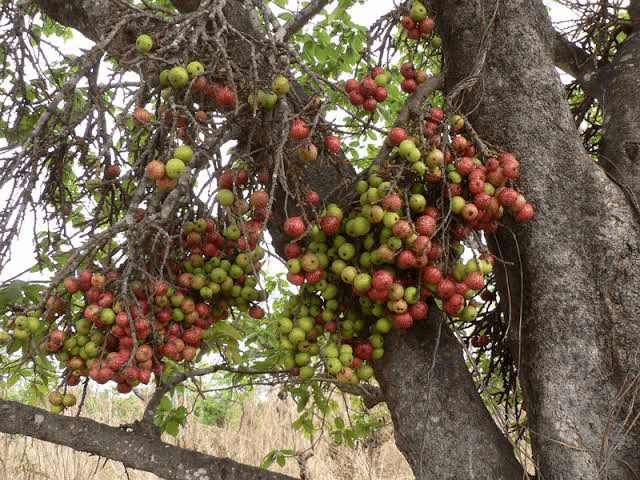
One of the most distinctive features of Ficus sur is its unique cluster of figs, which gives the tree its common name. The figs are arranged in tight clusters along the branches, creating an eye-catching display.
These figs are small to medium-sized and have a rounded shape, often resembling tiny bulbs. As they mature, the figs change color, transitioning from green to a dark red or purple hue.
The bark of Cluster Fig is characterized by its smooth texture in young trees, which gradually transforms into a rougher texture as the tree matures. The color of the bark can vary from light gray to brown, adding to the tree’s aesthetic appeal.
Ficus sur produces tiny, inconspicuous flowers that are enclosed within the figs. These flowers are of paramount importance for the tree’s reproductive cycle, as they facilitate the pollination process.
Ficus sur is native to the Indian subcontinent and can be found in a variety of habitats, ranging from forests to grasslands. It is well-adapted to a tropical climate and can thrive in diverse soil conditions. The tree’s ability to adapt has contributed to its widespread distribution across different regions.
Ficus sur holds cultural and ecological significance in various regions. It has been utilized in traditional medicine for its medicinal properties, and its figs provide nourishment to various wildlife species, including birds and mammals.
Read Also: Feeding Levels for Catfish at a Water temperature of 29-30°C
The Medicinal Health Benefits of Ficus sur (Cluster Fig)
1. Digestive Aid: Cluster Fig’s ripe figs are a source of dietary fiber, aiding in digestion and preventing constipation. The fiber content promotes healthy bowel movements and supports overall digestive health.
2. Diabetes Management: The leaves of Ficus sur have shown potential in helping regulate blood sugar levels. Compounds present in the leaves may contribute to better glucose control and play a role in managing diabetes.
3. Anti-Inflammatory Properties:
Extracts derived from different parts of the Cluster Fig tree exhibit anti-inflammatory effects. These properties make it a promising candidate for addressing inflammatory conditions within the body.
4. Wound Healing: The latex obtained from Ficus sur is known for its wound-healing capabilities. It has been traditionally used to treat wounds and aid in the healing process by promoting cell regeneration.
5. Respiratory Health: Cluster Fig leaves are used to address respiratory issues like cough, asthma, and bronchitis. The plant’s natural compounds may help soothe the respiratory tract and alleviate discomfort.
6. Anti-Ulcer Activity: Compounds found in Ficus sur extracts have been studied for their potential in treating gastric ulcers. These compounds exhibit cytoprotective effects that support gastric health.
7. Antioxidant Power: The antioxidants present in Cluster Fig play a vital role in combating oxidative stress and reducing cellular damage caused by free radicals.
8. Liver Support: Ficus sur is believed to support liver health by aiding detoxification processes and potentially promoting liver function.
9. Cardiovascular Benefits: Certain compounds in the plant may contribute to heart health by helping to regulate cholesterol levels, thereby supporting overall cardiovascular well-being.
10. Bone Health: The calcium-rich figs of Ficus sur contribute to maintaining strong bones and may play a role in preventing conditions like osteoporosis.
11. Skin Care: The latex of the plant can be applied to the skin to treat conditions such as warts and boils due to its antifungal and healing properties.
12. Anti-Anxiety Aid: Traditional medicine utilizes Ficus sur to alleviate anxiety and stress-related disorders, offering a natural approach to emotional well-being.
13. Fever Reduction: The bark of the Cluster Fig tree can be used to lower fever and induce sweating, aiding in the body’s natural response to infections.
14. Pain Relief: Leaf poultices made from Ficus sur leaves are applied topically to reduce pain and inflammation, providing relief from various discomforts.
15. Hair Health: Ficus sur is believed to promote hair growth and contribute to healthier hair when used as a hair rinse or treatment.
16. Immune System Support:
Regular consumption of figs may help enhance the immune system’s function, contributing to the body’s defense against infections.
17. Potential Anti-Cancer Properties:
While preliminary studies suggest certain compounds in Ficus sur may possess anticancer potential, further research is required to establish these effects definitively.
18. Menstrual Health: In traditional medicine, Cluster Fig has been used to manage menstrual irregularities, offering a natural approach to women’s health.
19. Weight Management: The fiber-rich figs can aid in weight management by promoting a feeling of fullness and supporting healthy digestion.
20. Gastrointestinal Comfort: Ficus sur leaves have been utilized to alleviate various gastrointestinal discomforts, contributing to improved digestive well-being.
Read Also: 20 Medicinal Health Benefits of Cyclopia Plant (Cyclopia spp.)
The Methods of Usage to Achieve the Provided Health Benefits of Ficus sur (Cluster Fig)
1. Ripe Figs: Ripe figs are a delectable and nutritious way to tap into the health benefits of Ficus sur. They can be consumed fresh or dried, offering a convenient and natural snack.
Include them in your diet to enjoy their fiber content, which supports digestive health and helps prevent constipation.
2. Leaf Infusions: Prepare leaf infusions by steeping Ficus sur leaves in hot water. This method extracts the beneficial compounds from the leaves, allowing you to consume them as a soothing tea. Drinking leaf infusions can help address respiratory issues and promote overall well-being.
3. Leaf Poultices: Create leaf poultices by crushing fresh Ficus sur leaves and applying them topically to the skin. These poultices are effective for reducing pain and inflammation in specific areas of the body, providing natural relief.
4. Latex Application: The latex obtained from Ficus sur can be applied topically to wounds, cuts, and skin irritations. Its wound-healing properties promote faster recovery and support the body’s natural healing processes.
5. Bark Decoctions: To address fever and induce sweating, prepare a bark decoction by boiling Ficus sur bark in water. This natural remedy can help the body respond to infections and promote the release of toxins.
6. Hair Rinses: For enhanced hair health, use an infusion of Ficus sur leaves as a hair rinse. This can contribute to hair growth and manage conditions like dandruff, promoting healthier and more vibrant hair.
7. Internal Consumption: To support diabetes management and overall health, incorporate Cluster Fig leaves into your diet by consuming them as part of meals. Seek guidance from healthcare professionals to determine the appropriate quantity for your needs.
8. Caution with Latex: While the latex of Ficus sur has valuable wound-healing properties, it’s essential to apply it carefully and sparingly, as excessive use can lead to skin irritation.
9. Moderation with Ripe Figs: While ripe figs are beneficial, moderation is key. Excessive consumption might lead to digestive discomfort due to their natural fiber content.
10. Professional Consultation: Before integrating Ficus sur into your health regimen, especially if you have underlying health conditions or are taking medications, consult with a healthcare professional or herbalist. This precaution ensures safe and effective usage.
The Side Effects of Using Ficus sur Medicinal Plant
1. Digestive Discomfort: Excessive consumption of ripe figs, which are rich in dietary fiber, might lead to digestive discomfort such as bloating, gas, or diarrhea. To avoid these effects, enjoy figs in moderation and gradually increase your intake.
2. Allergic Reactions: Some individuals may exhibit allergic reactions to the latex obtained from Ficus sur. Allergic responses can vary and might include skin irritation, redness, itching, or even more severe symptoms. If you suspect an allergy, discontinue use and seek medical attention.
3. Latex Sensitivity: Direct application of latex to the skin may cause skin irritation in sensitive individuals. It’s recommended to perform a patch test on a small area of skin before applying latex to larger areas.
4. Interaction with Medications: If you are taking medications, especially those for diabetes or blood pressure, consult with a healthcare professional before incorporating Ficus sur into your regimen. Some compounds in the plant may interact with certain medications, potentially affecting their efficacy.
5. Risk During Pregnancy and Breastfeeding: Pregnant and breastfeeding individuals should exercise caution when using herbal remedies, including Ficus sur. Limited research is available on the plant’s effects during these periods, so it’s advisable to consult a healthcare provider before use.
6. Avoid Overconsumption: While Ficus sur offers various health benefits, consuming excessively large quantities may not lead to better results and could potentially cause unwanted effects. Always adhere to recommended dosages and guidelines.
7. Diabetic Consideration: If you are managing diabetes, incorporating Ficus sur into your diet could impact blood sugar levels. Monitor your blood sugar closely and consult your healthcare provider to ensure safe consumption.
8. Consultation with Professionals: Before using Ficus sur for medicinal purposes, it’s prudent to consult with a qualified herbalist or healthcare provider. They can provide personalized advice based on your health history and current conditions.
9. Discontinue Use for Adverse Reactions: If you experience any adverse reactions, such as gastrointestinal discomfort, skin irritation, or allergic symptoms, discontinue use of Ficus sur and seek medical attention if necessary.
10. Individual Variability: Every individual’s response to herbal remedies can vary. What works well for one person might not work the same way for another. Pay attention to how your body reacts and adjust your usage accordingly.
Nutritional Value of Ficus sur (Cluster Fig)

1. Carbohydrates: Ficus sur fruits are rich in carbohydrates, providing a primary source of energy. These complex carbs help sustain daily activities and support overall metabolic functions.
2. Proteins: The fruits contain moderate levels of proteins, essential for tissue repair and muscle maintenance. This contributes to the plant’s role as a nutritious dietary supplement in traditional uses.
3. Dietary Fiber: High in dietary fiber, Ficus sur aids digestion by promoting regular bowel movements and preventing constipation, making it valuable for gut health.
4. Calcium: Abundant in calcium, the fruits support bone and teeth health, helping to strengthen skeletal structure and prevent deficiencies in calcium intake.
5. Potassium: Potassium content in Ficus sur helps regulate blood pressure and fluid balance in the body, contributing to cardiovascular wellness.
6. Iron: The presence of iron in the fruits assists in hemoglobin production, combating anemia and improving oxygen transport in the blood.
7. Riboflavin (Vitamin B2): Riboflavin supports energy production at the cellular level and maintains healthy skin and eyes, enhancing the fruit’s nutritional profile.
8. Phenolic Compounds: These antioxidants in Ficus sur protect cells from oxidative damage, potentially reducing the risk of chronic diseases through their free radical scavenging abilities.
9. Flavonoids: Flavonoids provide anti-inflammatory effects and boost immune function, helping to mitigate inflammation and support overall vitality.
10. Polysaccharides: These complex sugars may enhance immune response and provide prebiotic benefits, fostering a healthy gut microbiome.
The nutritional components of Ficus sur make it a versatile fruit, particularly valued for its role in digestive health, bone support, and antioxidant protection in traditional diets.
Scientific Evidence and Case Studies on Ficus sur (Cluster Fig)
1. Ashour et al. (2022): This study evaluated methanolic and aqueous extracts of Ficus sur leaves and stem bark for antioxidant and enzyme inhibitory activities. The extracts showed strong antioxidant potential via DPPH and ABTS assays, and inhibited enzymes like acetylcholinesterase and tyrosinase, indicating benefits for neurodegenerative and skin disorders (Ashour, M. L., et al., 2022).
2. Mawa et al. (2013): A review of Ficus sur highlighted its traditional uses and preliminary studies on anti-inflammatory and antidiabetic properties. Extracts demonstrated hypoglycemic effects in animal models, supporting its potential in managing diabetes through improved glucose tolerance (Mawa, S., et al., 2013).
3. Ghanbari et al. (2019): Although focused on Ficus carica, this in vitro study on latex extracts showed antiviral activity against HPV, suggesting similar phenolic compounds in Ficus sur could offer benefits for viral infections, with cytotoxicity against cancer cells (Ghanbari, A., et al., 2019).
4. Shahinuzzaman et al. (2020): An in vitro analysis of Ficus carica latex from various cultivars revealed high antioxidant activity, relevant to Ficus sur due to shared genus traits. The extracts neutralized free radicals effectively, pointing to cardiovascular and anti-aging benefits (Shahinuzzaman, M., et al., 2020).
5. Irudayaraj et al. (2016): In a rat study, Ficus extracts (including related species) reduced blood glucose and improved lipid profiles, activating PPARγ for better insulin sensitivity. This supports antidiabetic applications for Ficus sur in metabolic health (Irudayaraj, V., et al., 2016).
These studies underscore Ficus sur’s potential in antioxidant protection, diabetes management, and anti-inflammatory effects, with promising leads for further clinical validation.
Frequently Asked Questions About Ficus sur (Cluster Fig)
1. What is Ficus sur used for?
Ficus sur, or Cluster Fig, is traditionally used for treating digestive issues, inflammation, and diabetes. Its fruits and bark provide food, medicine, and shade in native regions.
2. Is Ficus sur safe to eat?
Yes, the ripe fruits are edible and nutritious, but unripe ones may cause digestive upset. Consult a doctor if using extracts, especially for pregnant individuals or those with allergies.
3. How does Ficus sur benefit health?
It offers antioxidant and anti-inflammatory effects from phenolics and flavonoids, potentially aiding diabetes control, wound healing, and immune support based on traditional and preliminary studies.
4. What is the nutritional content of Ficus sur fruits?
The fruits are high in fiber, calcium, potassium, iron, and vitamins like riboflavin, providing energy, bone health support, and digestive benefits.
5. Can Ficus sur be grown at home?
Yes, it thrives in tropical climates with full sun and moist soil. It’s fast-growing but requires space due to its large size; suitable for pots in milder areas with protection from frost.
6. Are there side effects of Ficus sur?
Mild side effects like stomach discomfort may occur from overconsumption. Its latex can irritate skin, so handle with care; avoid if allergic to figs.
7. How is Ficus sur used in traditional medicine?
Bark infusions treat boils and infections, while fruits address constipation and diabetes. In Africa and Asia, it’s valued for its diuretic and anti-inflammatory properties.
8. Is Ficus sur the same as Ficus racemosa?
Ficus sur is a distinct species native to Africa, similar to Ficus racemosa (Asian Cluster Fig) in appearance and uses, but adapted to different regions with slight variations in fruit clusters.
Do you have any questions, suggestions, or contributions? If so, please feel free to use the comment box below to share your thoughts. We also encourage you to kindly share this information with others who might benefit from it. Since we can’t reach everyone at once, we truly appreciate your help in spreading the word. Thank you very much for your support and for sharing!
Disclaimer: This article is for educational and informational purposes only. The health benefits described are based on scientific research and traditional knowledge. They are not a substitute for professional medical advice, diagnosis, or treatment. Always consult a healthcare professional before using any herb or natural remedy for medical purposes.
Read Also: Benefits of Automated Farming