


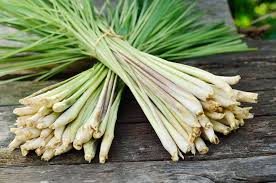
Cymbopogon citratus, commonly known as Lemongrass, is a tropical herbaceous plant belonging to the Poaceae family. Native to Southeast Asia, particularly India, Lemongrass is widely cultivated for its aromatic leaves and medicinal properties.
It is known for its fresh, lemony scent and is commonly used in culinary, cosmetic, and therapeutic applications.
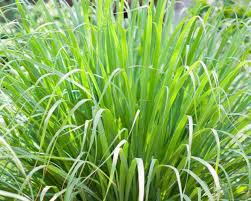
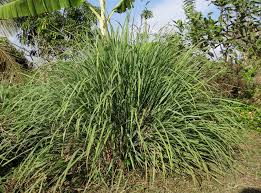
Lemongrass is a tall, perennial grass that grows in dense clumps. The plant can reach a height of 2 to 4 feet (0.6 to 1.2 meters) and has a distinctive appearance with long, slender leaves and a bulbous base.
The leaves are linear, sharp-tipped, and can vary in color from green to bluish-green. The plant produces inflorescences with spikelets that contain the seeds.
Lemongrass thrives in warm and tropical climates. It prefers well-drained, sandy or loamy soil and requires ample sunlight to grow successfully. The plant is often propagated through division of clumps or by planting seeds. It is commonly grown in gardens, pots, or as ornamental plants.
Read Also: 7 Medicinal Health Benefits of Peruvian Peppertree (Schinus molle)
The Medicinal Health Benefits of Lemongrass (Cymbopogon Citratus)
Lemongrass (Cymbopogon citratus) has a wide range of medicinal health benefits due to its rich composition of bioactive compounds. Here are 20 of its benefits:
1. Digestive Aid: Lemongrass can help soothe digestive issues such as indigestion, bloating, and gastric discomfort. Its compounds may promote healthy digestion by stimulating the production of digestive enzymes. Drinking lemongrass tea after a heavy meal can alleviate bloating and aid digestion.
2. Relaxation and Stress Relief: The aroma of lemongrass has calming properties that can help reduce stress and anxiety, promoting relaxations. Diffusing lemongrass essential oil in your living space can create a soothing environment and help reduce stress.
3. Fever Reduction: Lemongrass is considered a natural febrifuge, which means it may help lower fever and alleviate associated symptoms. Brewing a cup of lemongrass tea during a fever can aid in reducing body temperature.
4. Anti-Inflammatory Effects: Compounds in lemongrass exhibit anti-inflammatory properties, which can help reduce inflammation and related discomfort. Applying diluted lemongrass oil topically on inflamed joints can help alleviate arthritis pain.
5. Antioxidant Protection: Lemongrass contains antioxidants that combat free radicals and oxidative stress, contributing to overall health. Consuming lemongrass-infused water can provide your body with antioxidants to support cellular health.
6. Muscle Relaxant: Lemongrass may have muscle relaxant properties that can help relieve muscle cramps and tension. Massaging a mixture of lemongrass oil and a carrier oil onto sore muscles can provide relief.
7. Immune System Support: The immune-boosting potential of lemongrass may help enhance the body’s defenses against infections. Including lemongrass in your diet through soups or herbal teas can aid in maintaining immune health.
8. Antibacterial and Antifungal: Lemongrass has antimicrobial properties that can combat bacterial and fungal infections. Adding a few drops of lemongrass oil to a foot bath can help prevent and treat fungal infections like athlete’s foot.
9. Pain Relief: Lemongrass’s analgesic properties can help alleviate pain and discomfort, especially in headaches and migraines. Inhaling the aroma of lemongrass oil or applying it to your temples can ease headache symptoms.
10. Blood Pressure Regulation: Lemongrass may contribute to maintaining healthy blood pressure levels due to its vasodilatory effects. Incorporating lemongrass into your diet, such as in salads or soups, can support cardiovascular health.
11. Respiratory Health: Lemongrass’s antimicrobial and anti-inflammatory properties can be beneficial for respiratory health, aiding in relieving congestion and soothing coughs. Inhaling steam infused with lemongrass oil can provide relief from respiratory discomfort.
12. Antispasmodic Effects: Lemongrass’s antispasmodic properties may help reduce muscle spasms and cramps. Drinking lemongrass tea can help alleviate menstrual cramps and abdominal discomfort.
13. Skin Health: The antibacterial and anti-inflammatory properties of lemongrass can help promote healthy skin and combat acne. Adding a few drops of lemongrass oil to your skincare routine can assist in preventing breakouts.
14. Detoxification: Lemongrass may support detoxification by aiding liver function and promoting healthy digestion. Drinking lemongrass-infused water daily can help your body eliminate toxins.
15. Digestive Disorders: Lemongrass can be beneficial for individuals with digestive disorders like irritable bowel syndrome (IBS) due to its soothing properties. Consuming lemongrass tea can provide relief from symptoms of IBS, such as abdominal pain and bloating.
16. Oral Health: Lemongrass’s antimicrobial effects may contribute to improved oral hygiene and reduced bacterial growth in the mouth. Using lemongrass-infused mouthwash can help prevent gum infections and maintain fresh breath.
17. Diuretic Effects: Lemongrass’s diuretic properties can support healthy kidney function and aid in eliminating excess water and toxins from the body. Drinking lemongrass tea can assist in reducing water retention and promoting urine production.
18. Antidepressant Benefits: The aroma of lemongrass may have mood-enhancing effects, potentially aiding in alleviating symptoms of mild depression. Inhaling lemongrass essential oil or using it in a bath can help uplift mood.
19. Anticancer Potential: Some studies suggest that lemongrass compounds may have potential in inhibiting the growth of certain cancer cells. Including lemongrass in your diet as a culinary herb can contribute to a healthful lifestyle.
20. Blood Sugar Regulation: Lemongrass may help regulate blood sugar levels and improve insulin sensitivity. Drinking lemongrass tea regularly can be a part of managing blood sugar levels in individuals with diabetes.
Read Also: 11 Medicinal Health Benefits of Yellow Water-lily (Nuphar Advena)
The Methods of Usage to Achieve the Provided Health Benefits of Lemongrass (Cymbopogon Citratus)
Here are 10 methods of usage to achieve the medicinal health benefits of Lemongrass (Cymbopogon citratus):
1. Lemongrass Tea: Boil water and steep fresh or dried Lemongrass leaves in it for about 10 minutes. Provides digestive aid, stress relief, fever reduction, immune support, and antioxidants. Drink a cup of Lemongrass tea after a meal to aid digestion or before bedtime for relaxation.
2. Aromatherapy: Diffuse Lemongrass essential oil using a diffuser or inhale the aroma directly from the bottles. Promotes relaxation, stress relief, mood enhancement, and respiratory health. Diffuse Lemongrass oil in your workspace to reduce stress during work hours.
3. Topical Application: Dilute Lemongrass essential oil with a carrier oil and apply to the skin for massage or pain relief. Provides anti-inflammatory effects, muscle relaxation, pain relief, and skin health. Mix a few drops of Lemongrass oil with coconut oil and massage it onto sore muscles.
4. Culinary Use: Add chopped fresh or dried Lemongrass leaves to soups, curries, sauces, and marinades. Enhances flavor, aids digestion, supports blood pressure regulation, and offers antioxidants. Add Lemongrass to a stir-fry for a unique citrusy flavor.
5. Herbal Baths: Add Lemongrass leaves or oil to your bathwater. Promotes relaxation, stress relief, and skin health. Mix a few drops of Lemongrass oil with Epsom salts and add to your bath.
6. Inhalation Steam: Add a few drops of Lemongrass oil to a bowl of hot water, cover your head with a towel, and inhale the steam. Supports respiratory health, relieves congestion, and provides relaxation. Use this method when experiencing a cold or sinus congestion.
7. Herbal Compress: Steep Lemongrass leaves in hot water, soak a cloth in the liquid, wring it out, and place it on the affected area. Offers anti-inflammatory effects, pain relief, and muscle relaxation. Apply a warm Lemongrass compress to sore muscles or joints.
8. Mouthwash: Prepare a Lemongrass-infused mouthwash by steeping leaves in boiling water, cooling, and using as a gargle. Supports oral health, fights bacteria, and prevents gum infections. Gargle with cooled Lemongrass mouthwash to maintain fresh breath and oral hygiene.
9. Foot Soak: Add a few drops of Lemongrass oil to warm water and soak your feet. Provides antifungal benefits, relieves fatigue, and promotes relaxation. Use this method to relax after a long day and help prevent or treat foot infections.
10. Herbal Infused Oil: Infuse a carrier oil (like coconut oil) with dried Lemongrass leaves by heating them together gently. Creates an oil with antimicrobial properties for topical use, massages, or as a natural moisturizer. Use Lemongrass-infused oil as a massage oil for muscle relaxation or as a skin moisturizer.
The Side Effects of Using Lemongrass Medicinal Plant
While Lemongrass (Cymbopogon citratus) is generally considered safe for most people when used in culinary or moderate amounts, there are a few potential side effects and considerations to keep in mind:
1. Skin Sensitivity: Some individuals may be sensitive to Lemongrass essential oil when applied topically. It’s important to perform a patch test before applying it to larger areas of skin to check for any adverse reactions or irritation.
2. Allergic Reactions: Like any plant, Lemongrass can potentially cause allergic reactions in some people. If you experience itching, rash, swelling, or other signs of an allergic reaction after consuming or using Lemongrass, discontinue use and consult a healthcare professional.
3. Gastrointestinal Discomfort: In some cases, excessive consumption of Lemongrass or its extracts (such as Lemongrass tea) may lead to gastrointestinal discomfort, including stomach upset, nausea, or diarrhea. Moderation is key.
4. Drug Interactions: Lemongrass might interact with certain medications due to its potential effects on enzymes in the body. If you are taking medications, especially drugs metabolized by the liver, consult a healthcare provider before using Lemongrass products.
5. Pregnancy and Breastfeeding: While Lemongrass is often used in culinary amounts during pregnancy, it’s recommended to avoid using Lemongrass supplements or concentrated forms like essential oil, especially in the first trimester. Pregnant and breastfeeding women should consult a healthcare professional before using Lemongrass products medicinally.
6. Hypoglycemia: Lemongrass has been suggested to have a potential effect on blood sugar levels. Individuals with diabetes or low blood sugar levels should use Lemongrass cautiously and under medical supervision.
7. Photosensitivity: Lemongrass essential oil, when applied topically, can make your skin more sensitive to sunlight. It’s recommended to avoid direct sun exposure for at least 24 hours after using Lemongrass oil on your skin.
8. Bleeding Disorders: There is a theoretical concern that Lemongrass might increase the risk of bleeding or interfere with blood clotting. If you have a bleeding disorder or are taking anticoagulant medications, consult a healthcare professional before using Lemongrass products.
Nutritional Value of Lemongrass (Cymbopogon citratus)
1. Essential Oils (Citral): Lemongrass contains citral (65–85%), an essential oil with antimicrobial and anti-inflammatory properties, supporting infection control and digestive health.
2. Dietary Fiber: With about 2.6 g/100g, dietary fiber in lemongrass aids digestion, promotes regular bowel movements, and helps prevent constipation.
3. Vitamin C: Containing approximately 2.6 mg/100g, vitamin C acts as an antioxidant, boosting immune function and protecting against oxidative stress.
4. Folate: With around 75 µg/100g, folate supports cell division and is essential for DNA synthesis, particularly beneficial during pregnancy.
5. Magnesium: At about 60 mg/100g, magnesium aids muscle relaxation, nerve function, and enzymatic reactions in the body.
6. Iron: Containing roughly 8.2 mg/100g, iron supports oxygen transport in the blood and helps prevent anemia.
7. Potassium: With approximately 723 mg/100g, potassium helps regulate blood pressure and supports heart and muscle function.
8. Flavonoids: Flavonoids like luteolin provide antioxidant and anti-inflammatory benefits, protecting cells from damage and reducing inflammation.
9. Phenolic Compounds: These compounds offer antioxidant properties, helping to neutralize free radicals and reduce the risk of chronic diseases.
10. Terpenoids: Terpenoids, including myrcene and limonene, contribute to lemongrass’s antimicrobial and calming effects, used in aromatherapy and traditional remedies.
These nutritional components make lemongrass a versatile herb in culinary and medicinal applications, valued in tropical regions for its health benefits and distinct citrusy flavor.
Scientific Evidence and Case Studies on Lemongrass (Cymbopogon citratus)
1. Antimicrobial Activity (Naik et al., 2010): Naik et al. found that lemongrass essential oil exhibited strong antimicrobial activity against bacteria like Staphylococcus aureus and Escherichia coli, with minimum inhibitory concentrations as low as 0.06% v/v, supporting its use for infections. Reference: Naik, M. I., Fomda, B. A., Jaykumar, E., & Bhat, J. A. (2010). Antibacterial activity of lemongrass (Cymbopogon citratus) oil against some selected pathogenic bacteria. Asian Pacific Journal of Tropical Medicine, 3(7), 535–538.
2. Anti-inflammatory Effects (Figueirinha et al., 2008): Figueirinha et al. demonstrated that lemongrass extracts rich in phenolic compounds and flavonoids inhibited nitric oxide production in macrophages, confirming its anti-inflammatory potential for conditions like arthritis. Reference: Figueirinha, A., Paranhos, A., Pérez-Alonso, J. J., Santos-Buelga, C., & Batista, M. T. (2008). Cymbopogon citratus leaves: Characterisation of flavonoids by HPLC-PDA-ESI/MS/MS and an approach to their potential as a source of bioactive polyphenols. Food Chemistry, 110(3), 718–728.
3. Anxiolytic Properties (Costa et al., 2011): Costa et al. investigated lemongrass essential oil in mice, finding that it exhibited anxiolytic effects similar to diazepam at doses of 0.5–1.0 g/kg, supporting its traditional use for stress relief. Reference: Costa, C. A. R. A., Kohn, D. O., de Lima, V. M., Gargano, A. C., Flório, J. C., & Costa, M. (2011). The anxiolytic-like effect of essential oil of Cymbopogon citratus in mice. Journal of Ethnopharmacology, 137(1), 828–836.
Frequently Asked Questions About Lemongrass (Cymbopogon citratus)
1. What is lemongrass used for in traditional medicine?
Lemongrass is used to treat digestive issues, fever, stress, infections, and inflammation, often as a tea or essential oil.
2. Can lemongrass help with digestion?
Yes, its fiber and essential oils like citral promote digestion, relieve bloating, and ease stomach cramps.
3. Is lemongrass safe for daily consumption?
In culinary amounts (e.g., teas or seasoning), it is safe, but high doses of essential oil may cause irritation or allergic reactions.
4. How is lemongrass typically prepared?
Stalks are used fresh, dried, or powdered in teas, soups, curries, or as essential oil for aromatherapy and topical use.
5. Does lemongrass have antimicrobial properties?
Yes, studies confirm its essential oil is effective against bacteria like E. coli and fungi, useful for infections.
6. Can lemongrass reduce stress?
Its anxiolytic properties, shown in studies, make it effective for stress relief when used in teas or aromatherapy.
7. Is lemongrass beneficial for skin health?
Its antimicrobial and anti-inflammatory properties can help treat acne or fungal infections when applied topically in diluted form.
8. Can lemongrass be grown at home?
Yes, it thrives in warm, sunny climates with well-drained soil and can be grown in pots or gardens.
Do you have any questions, suggestions, or contributions? If so, please feel free to use the comment box below to share your thoughts. We also encourage you to kindly share this information with others who might benefit from it. Since we can’t reach everyone at once, we truly appreciate your help in spreading the word. Thank you very much for your support and for sharing!
Disclaimer: This article is for educational and informational purposes only. The health benefits described are based on scientific research and traditional knowledge. They are not a substitute for professional medical advice, diagnosis, or treatment. Always consult a healthcare professional before using any herb or natural remedy for medical purposes.
Read Also: 14 Healthy Reasons To Eat Mangoes