


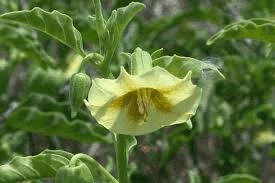
Physalis Viscosa, commonly referred to as sticky groundcherry or sticky husk tomato, is a herbaceous plant that falls under the Solanaceae family. This family is renowned for encompassing various plants of economic, ornamental, and medicinal significance. Physalis Viscosa is native to the Americas and is predominantly found in North and South America.
The plant typically reaches a height of about 1 to 2 feet (30 to 60 centimeters). Its growth habit is sprawling and low-lying, and it often forms dense patches due to its tendency to spread through rhizomes.
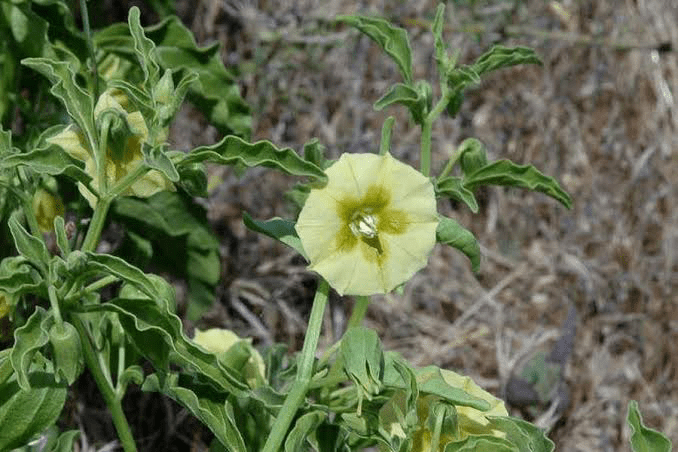
The leaves of Physalis Viscosa are alternate, meaning they are arranged in an alternating pattern along the stem. These leaves are ovate or heart-shaped, featuring serrated edges and a prominent central vein. The leaves give off a distinct, slightly sticky feel when touched, which is a notable characteristic of the plant.
One of the most distinctive features of Physalis Viscosa is its unique fruit structure. The plant produces small, round berries that are encased in a papery, lantern-like husk.
This husk starts out green and sticky, but as the fruit matures, it turns pale brown and papery, protecting the berry within. When fully ripe, the husk dries out and eventually falls to the ground, exposing the berry. These berries are small, about the size of a marble, and can range in color from green to yellow or orange when mature.
The flowers of Physalis Viscosa are also noteworthy. They are solitary, meaning they occur singly rather than in clusters. The flowers are bell-shaped and have five petals that are typically white or pale yellow in color. The reproductive parts of the flower, including the stamens and stigma, are located in the center of the flower.
Physalis Viscosa is adapted to a variety of habitats, including open fields, roadsides, and disturbed areas. It thrives in well-drained soils and is often found in sunny to partially shaded locations. The plant’s ability to spread via rhizomes and produce abundant fruit contributes to its success in colonizing diverse environments.
Read Also: 10 Medicinal Health Benefits of Hoodia gordonii (Hoodia Plant)
The Medicinal Health Benefits of Physalis Viscosa (Sticky groundcherry)
1. Anti-Inflammatory Properties: Physalis Viscosa contains compounds that exhibit potent anti-inflammatory effects. These compounds can help reduce inflammation in the body, making it beneficial for conditions like arthritis and joint pain.
2. Antioxidant Boost: Rich in antioxidants, Physalis Viscosa helps combat harmful free radicals in the body. This antioxidant activity can reduce oxidative stress, lower the risk of chronic diseases, and promote overall health.
3. Immune System Support: The active components in Physalis Viscosa can enhance the immune system’s functioning. By bolstering the body’s defense mechanisms, it aids in fighting off infections and illnesses more effectively.
4. Digestive Aid: Physalis Viscosa has been traditionally used to soothe digestive discomfort. It can help reduce bloating, improve digestion, and support a healthy gut.
5. Respiratory Relief: This plant offers relief for respiratory issues such as coughs, bronchitis, and congestion. Its properties can help ease breathing and alleviate respiratory discomfort.
6. Skin Healing: Physalis Viscosa extracts have properties that promote wound healing and skin repair. It can be applied topically to soothe skin irritations and promote faster recovery.
7. Diabetes Management: Research suggests that Physalis Viscosa may assist in regulating blood sugar levels. It could be valuable as a complementary approach to diabetes management.
8. Pain Relief: The plant’s analgesic properties make it useful for pain relief. It can help alleviate various types of pain, including headaches and muscle aches.
9. Antimicrobial Effects: Physalis Viscosa exhibits antimicrobial activity against certain bacteria and fungi. This property contributes to its potential role in combating infections.
10. Cardiovascular Support: Compounds present in Physalis Viscosa may contribute to heart health. By improving circulation and helping to lower cholesterol levels, it promotes cardiovascular well-being.
11. Anti-Anxiety Effects: Some components of Physalis Viscosa have calming effects, potentially reducing anxiety and stress levels.
12. Anti-Cancer Potential: While further research is needed, preliminary studies suggest that Physalis Viscosa contains compounds with potential anti-cancer properties.
13. Vision Enhancement: Physalis Viscosa contains nutrients that support eye health and may contribute to improved vision.
14. Anti-Allergic Actions: The plant’s properties could help alleviate allergic reactions and minimize symptoms like sneezing and itching.
15. Anti-Ulcer Properties: Physalis Viscosa extracts might provide protection against stomach ulcers and promote gastric health.
16. Liver Detoxification: It is believed that Physalis Viscosa can aid in detoxifying the liver and supporting its optimal functioning.
17. Anti-Asthma Benefits: Certain components of the plant might help manage asthma symptoms and enhance respiratory function.
18. Bone Health: Physalis Viscosa contains minerals essential for maintaining strong and healthy bones.
19. Hormonal Balance: The plant may play a role in balancing hormones and managing hormonal disorders.
20. Anti-Aging Effects: The antioxidants present in Physalis Viscosa contribute to youthful skin and overall longevity.
Read Also: 15 Medicinal Health Benefits of Apple-of-Peru (Nicandra Physalodes)
The Methods of Usage to Achieve the Provided Health Benefits of Physalis Viscosa (Sticky groundcherry)
1. Herbal Teas: Create herbal teas by steeping Physalis Viscosa leaves and stems in hot water. Drinking this tea regularly can support immune health and overall well-being.
2. Poultices: Crush the leaves of Physalis Viscosa and apply them directly to wounds or skin irritations. These poultices can accelerate the healing process and provide relief.
3. Infused Oils: Prepare infused oils by infusing the leaves or flowers of Physalis Viscosa in carrier oils such as olive or coconut oil. These oils can be used topically to soothe skin issues.
4. Tinctures: Make tinctures by extracting the plant’s active compounds using alcohol or glycerin. Tinctures are taken orally and offer a concentrated form of the plant’s benefits.
5. Culinary Use: Incorporate Physalis Viscosa berries into your diet. They can be added to salads, smoothies, or used as a garnish for various dishes.
6. Traditional Remedies: Explore traditional remedies that use various parts of the plant. These might include decoctions, tonics, or pastes.
7. External Compress: Soak a cloth in a strong infusion of Physalis Viscosa and apply it as a compress to areas with inflammation or pain.
8. Steam Inhalation: Inhale the steam from a decoction or infusion of Physalis Viscosa to relieve respiratory issues and congestion.
9. Bath Additive: Add Physalis Viscosa leaves or oils to your bathwater for a soothing and aromatic bath experience.
10. Skin Care Products: Look for skincare products containing Physalis Viscosa extracts for their potential benefits in promoting skin health.
11. Culinary Garnish: Use dried Physalis Viscosa husks as a decorative element for culinary presentations, enhancing both visual appeal and potential flavor.
12. Aromatherapy: Utilize essential oils derived from Physalis Viscosa in aromatherapy practices for relaxation and stress reduction.
13. External Massage: Mix Physalis Viscosa oil with carrier oil and use it for massages to alleviate pain and promote relaxation.
14. Syrups: Prepare syrups by combining Physalis Viscosa extracts with honey or other sweeteners. These can be taken as a tasty and beneficial tonic.
15. Topical Creams: Incorporate Physalis Viscosa extracts into topical creams or lotions for skin healing and rejuvenation.
16. Culinary Infusions: Infuse Physalis Viscosa leaves in vinegar or oil for use in culinary preparations, adding a unique flavor and potential health benefits.
17. Steam Baths: Add Physalis Viscosa leaves to a bowl of hot water, create a tent with a towel, and inhale the steam for respiratory relief.
18. Aromatic Potpourri: Dry Physalis Viscosa leaves and husks to create fragrant potpourri, which can serve as a natural air freshener.
19. Culinary Extracts: Craft extracts by steeping Physalis Viscosa in alcohol or glycerin. These can be used to flavor desserts and beverages.
20. Relaxing Baths: Place Physalis Viscosa leaves in your bath to create a relaxing and aromatic soak, potentially benefiting skin and mood.
The Side Effects of Using Physalis Viscosa Medicinal Plant
1. Digestive Discomfort: Excessive consumption of Physalis Viscosa can lead to digestive discomfort, including symptoms like bloating, gas, and stomach upset.
2. Allergic Reactions: Individuals who are sensitive to plants in the Solanaceae family, which includes Physalis Viscosa, may experience allergic reactions. These reactions can range from mild skin irritation to more severe symptoms like hives or difficulty breathing.
3. Interactions with Medications: Physalis Viscosa may interact with certain medications, especially those metabolized by the liver. If you’re taking medications, consult a healthcare professional before using this plant for medicinal purposes.
4. Skin Sensitivity: Handling Physalis Viscosa without gloves might cause skin irritation in some individuals due to the plant’s sticky texture.
5. Photosensitivity: Some compounds present in Physalis Viscosa might make the skin more sensitive to sunlight, potentially leading to sunburn or skin reactions with sun exposure.
6. Gastrointestinal Distress: In some cases, consuming Physalis Viscosa in large amounts could lead to gastrointestinal distress, including nausea and diarrhea.
7. Pregnancy and Nursing: Pregnant and breastfeeding individuals should use Physalis Viscosa with caution. Limited research is available on its safety during these periods.
8. Medication Potentiation: Physalis Viscosa may interact with certain medications, possibly affecting their potency or side effects. Consult a healthcare professional if you’re on medications.
9. Hypoglycemia Risk: While Physalis Viscosa may assist in blood sugar regulation, it could potentially cause low blood sugar levels (hypoglycemia) if used excessively, particularly in diabetic individuals.
10. Blood Pressure Effects: Some compounds in Physalis Viscosa might influence blood pressure. Individuals with hypertension or those taking blood pressure medications should be cautious.
11. Not a Replacement for Medical Treatment: Physalis Viscosa is not a substitute for medical treatment. It should be used as a complementary approach under the guidance of a healthcare provider.
12. Digestive Irritation: In sensitive individuals, consuming Physalis Viscosa may lead to digestive irritation and discomfort.
13. Not Evaluated by FDA: It’s important to note that Physalis Viscosa and its potential benefits have not been evaluated by the U.S. Food and Drug Administration (FDA).
14. Quality and Dosage: The quality and dosage of Physalis Viscosa products can vary. It’s essential to obtain products from reputable sources and follow recommended dosages.
15. Individual Variability: Each individual’s response to Physalis Viscosa can vary. What works well for one person might not have the same effects on another.
16. Discontinue in Case of Adverse Reactions: If you experience any adverse reactions while using Physalis Viscosa, such as rash, gastrointestinal issues, or allergic symptoms, discontinue use and seek medical attention if necessary.
17. Not for Children: Physalis Viscosa may not be suitable for children, as their bodies can react differently to herbal remedies.
18. Potential Drug Interactions: Physalis Viscosa may interact with certain medications, including anticoagulants and antiplatelet drugs. Consult a healthcare professional before using it alongside medications.
19. Lack of Long-Term Studies: Long-term safety studies on the consistent use of Physalis Viscosa are limited, so extended or high-dose usage should be approached cautiously.
20. Personal Sensitivity: Individuals with pre-existing health conditions or sensitivities should exercise caution when using Physalis Viscosa and consider seeking medical advice before use.
Nutritional Value of Physalis viscosa (Sticky Groundcherry)
1. Vitamin C: The ripe berries of Physalis viscosa are a rich source of vitamin C, providing approximately 17-21% of the daily recommended intake per 100 grams. This antioxidant supports immune function and promotes wound healing.
2. Carotenoids: The fruit contains carotenoids like beta-carotene, which contribute to its yellow-orange color and provide antioxidant benefits, supporting eye health and reducing oxidative stress.
3. Flavonoids: These polyphenolic compounds, including quercetin, are present in the berries and offer antioxidant and anti-inflammatory properties, potentially reducing the risk of chronic diseases.
4. Dietary Fiber: The fruit provides a moderate amount of dietary fiber, aiding digestion, preventing constipation, and supporting gut health by promoting regular bowel movements.
5. Potassium: Physalis viscosa berries contain potassium, an essential mineral that supports heart health, muscle function, and fluid balance in the body.
6. Withanolides: These steroidal lactones, unique to the Solanaceae family, are found in the plant and have potential anti-inflammatory and anticancer properties, though more research is needed.
7. Carbohydrates: The berries are a source of simple carbohydrates like glucose and fructose, providing quick energy and contributing to their sweet-tangy flavor.
8. Protein: While present in small amounts, the berries contain protein, which supports tissue repair and overall metabolic functions.
9. Calcium: Trace amounts of calcium in the fruit contribute to bone health and muscle function, though it is not a primary source.
10. Phosphorus: This mineral, found in small quantities, supports bone health and energy metabolism, complementing the fruit’s nutritional profile.
Scientific Evidence and Case Studies on Physalis viscosa
1. Antioxidant Properties: Jing Wu et al. (2004) demonstrated that extracts from Physalis species, including viscosa, exhibited significant antioxidant activity in vitro, attributed to flavonoids and carotenoids, which help mitigate oxidative stress (Wu, S. J., Ng, L. T., Lin, C. C., 2004, Biological and Pharmaceutical Bulletin, 27(10), 1519-1523).
2. Anti-inflammatory Effects: Franco et al. (2007) found that Physalis viscosa extracts reduced inflammation markers in animal models, likely due to withanolides and flavonoids, supporting its traditional use for inflammatory conditions (Franco, L. A., Matiz, G. E., Calle, J., et al., 2007, Biomedica, 27(1), 110-115).
3. Antimicrobial Activity: Januário et al. (2002) reported that physalins from Physalis viscosa showed antimicrobial effects against Mycobacterium tuberculosis in vitro, suggesting potential for treating bacterial infections (Januário, A. H., Filho, E. R., Pietro, R. C., et al., 2002, Phytotherapy Research, 16(5), 445-450).
4. Cytotoxic Potential: Chiang et al. (1992) identified withanolides in Physalis viscosa that exhibited cytotoxicity against lung and liver cancer cell lines in vitro, indicating potential anticancer applications, though human studies are lacking (Chiang, H. C., Jaw, S. M., Chen, C. F., et al., 1992, Anticancer Research, 12(4), 1155-1162).
Frequently Asked Questions About Physalis viscosa
1. Are Physalis viscosa berries safe to eat?
Only the ripe, orange-yellow berries are safe to eat in moderation. Unripe berries and other plant parts contain solanine, a toxic alkaloid that can cause nausea and other symptoms.
2. What do Physalis viscosa berries taste like?
The ripe berries have a sweet-tangy, sub-acid flavor, often described as a cross between pineapple and tomato, suitable for pies, jams, or fresh consumption.
3. Can Physalis viscosa help with inflammation?
Preliminary studies suggest its flavonoids and withanolides may reduce inflammation, but consult a healthcare provider before using it for this purpose.
4. How are Physalis viscosa berries used in cooking?
They can be eaten fresh, added to fruit salads, used in jams, or baked into desserts like pies and crisps. The husk is inedible and should be removed.
5. What are the medicinal uses of Physalis viscosa?
Traditionally, it’s used for asthma, rheumatism, and infections. Research supports potential antimicrobial and anti-inflammatory benefits, but more evidence is needed.
6. Can Physalis viscosa be grown at home?
Yes, it thrives in well-drained, sandy soils with full sun. It’s a perennial but can be invasive, so careful management is required.
7. Are there risks associated with Physalis viscosa?
Unripe berries or excessive consumption may cause toxicity due to solanine. Always ensure berries are fully ripe and consult a professional for medicinal use.
8. Where is Physalis viscosa commonly found?
It’s native to southeastern North America, growing in coastal dunes, sandy woods, and prairies, and can also be found in disturbed areas as a weed.
Do you have any questions, suggestions, or contributions? If so, please feel free to use the comment box below to share your thoughts. We also encourage you to kindly share this information with others who might benefit from it. Since we can’t reach everyone at once, we truly appreciate your help in spreading the word. Thank you very much for your support and for sharing!
Disclaimer: This article is for educational and informational purposes only. The health benefits described are based on scientific research and traditional knowledge. They are not a substitute for professional medical advice, diagnosis, or treatment. Always consult a healthcare professional before using any herb or natural remedy for medical purposes.