


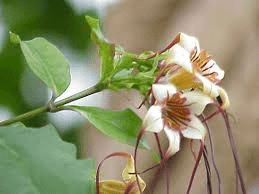
Strophanthus sarmentosus, commonly referred to as Creeping Strophanthus, is a perennial vine that belongs to the Apocynaceae family. This family is renowned for encompassing plants with diverse medicinal properties. Creeping Strophanthus is native to certain regions of Africa, particularly countries like Nigeria, Cameroon, and Gabon. Its botanical characteristics make it a fascinating subject for both botanical enthusiasts and herbalists seeking to harness its medicinal potential.
The plant showcases a distinct growth pattern characterized by its twining stems that allow it to creep and climb with grace. Its vining nature enables it to coil around support structures, such as trees or shrubs, reaching impressive heights. The leaves of Strophanthus sarmentosus are a rich green color and exhibit an elliptical or ovate shape. They are arranged in an alternate fashion along the stems.
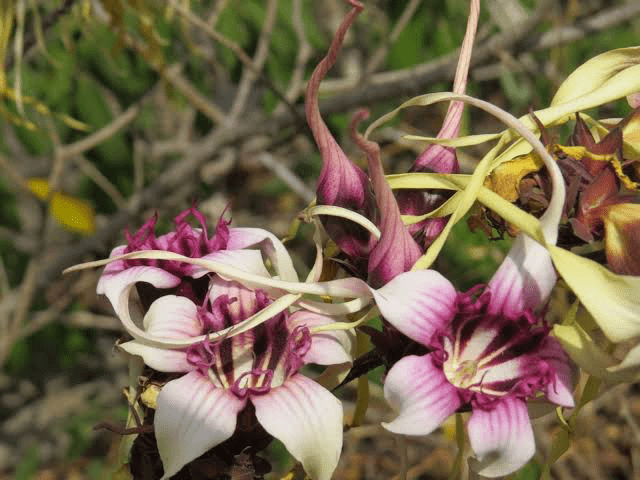
One of the most striking features of Creeping Strophanthus is its remarkable flowers. The trumpet-shaped blooms emerge in clusters, creating visually appealing inflorescences. These flowers are often adorned with hues of white, cream, or pale yellow, contributing to the plant’s aesthetic allure. The intricate details of the flower structure, including the petals, stamens, and pistil, are a testament to nature’s artistry.
Strophanthus sarmentosus produces distinctive fruits that contain seeds. These fruits are typically elongated and slender, with a pod-like appearance. As they mature, the pods may change in color and develop a dry and woody texture. Within these pods lie the seeds, which hold the promise of the plant’s continued propagation and potential for medicinal use.
Creeping Strophanthus has been revered for generations for its potential medicinal properties. Traditional healers have utilized various parts of the plant, including the leaves, roots, and seeds, to address a range of health concerns. From heart-related conditions to pain management, the plant’s constituents have been harnessed to support well-being and alleviate discomfort.
Within the regions where it is native, Strophanthus sarmentosus holds cultural significance. The plant’s utilization in traditional medicine reflects the deep-rooted connection between nature and human health. The common name “Creeping Strophanthus” aptly describes its growth pattern, emphasizing its twining and climbing nature. This name resonates with its botanical behavior and adds to its allure as a unique and valuable botanical specimen.
Read Also: 20 Medicinal Health Benefits of Senna italica (Italian Senna)
The Medicinal Health Benefits of Strophanthus sarmentosus (Creeping Strophanthus)
1. Cardiovascular Support: Strophanthus sarmentosus contains compounds that have shown potential in supporting heart health. These compounds may contribute to regulating heart rhythm and promoting overall cardiovascular function.
2. Blood Pressure Regulation: The plant’s extracts are believed to possess blood pressure-lowering effects, making it beneficial for individuals dealing with hypertension.
3. Digitalis Alternative: Strophanthus sarmentosus has been historically used as a natural alternative to Digitalis, a medication used for heart conditions. Its compounds can have a positive impact on heart health.
4. Antiarrhythmic Properties: The active constituents in Strophanthus sarmentosus may exhibit antiarrhythmic properties, helping to stabilize irregular heartbeats and improve cardiac function.
5. Analgesic Effects: Traditional applications of Strophanthus sarmentosus include using it for pain relief due to its potential analgesic properties.
6. Respiratory Support: The plant’s extracts might offer respiratory benefits, aiding in managing conditions like asthma and bronchitis by promoting clearer airways.
7. Anti-Inflammatory Action: Strophanthus sarmentosus could possess anti-inflammatory effects, which can be beneficial for various inflammatory conditions in the body.
8. Digestive Aid: Traditional medicine has utilized this plant to support digestion and alleviate gastrointestinal discomfort.
9. Fever Reduction: Strophanthus sarmentosus extracts may help reduce fever and manage associated symptoms.
10. Wound Healing: The plant has been employed for its potential to accelerate wound healing and facilitate skin regeneration.
11. Antioxidant Protection: Strophanthus sarmentosus contains antioxidants that combat oxidative stress, contributing to overall cellular health and well-being.
12. Diuretic Effects: Traditional uses include its diuretic properties, aiding in promoting urine production and maintaining fluid balance.
13. Anxiety and Stress Relief: Strophanthus sarmentosus might have calming effects, making it useful in alleviating anxiety and stress.
14. Muscle Relaxation: The plant’s properties could help relax muscles, providing relief from muscle spasms and tension.
15. Pain Management: Strophanthus sarmentosus’s analgesic properties extend to effective pain management.
16. Anti-Dysentery Effects: Traditional applications include addressing gastrointestinal infections and dysentery.
17. Aphrodisiac Potential: Strophanthus sarmentosus has been linked to aphrodisiac properties in traditional medicine.
18. Fertility Support: Some traditional beliefs suggest that the plant might support male fertility.
19. Anti-Anxiety: Its calming effects could extend to managing mild anxiety and promoting relaxation.
20. Antiemetic Properties: Strophanthus sarmentosus may have antiemetic effects, helping to alleviate nausea and vomiting.
Read Also: 10 Medicinal Health Benefits of Solenostemma (Solenostemma argel)
The Methods of Usage to Achieve the Provided Health Benefits of Strophanthus sarmentosus (Creeping Strophanthus)
1. Tinctures: Tinctures are prepared by steeping Strophanthus sarmentosus plant parts in alcohol. These extracts are often used for cardiovascular support due to their potential to harness the plant’s active compounds that promote heart health.
2. Decoctions: In the process of decoction, plant materials are boiled to create a potent liquid. Decoctions of Strophanthus sarmentosus can be consumed to provide digestive aid and address gastrointestinal discomfort.
3. Infusions: Infusions involve steeping plant materials in hot water. Infusions of Strophanthus sarmentosus can be used to support respiratory health and induce a sense of relaxation, making it beneficial for managing conditions like asthma and stress.
4. Topical Applications: For wound healing and skin regeneration, applying Strophanthus sarmentosus extracts or preparations directly to the affected area can accelerate the healing process.
5. Herbal Teas: Preparing herbal teas by infusing Strophanthus sarmentosus plant parts in hot water offers a mild and enjoyable way to benefit from its potential health-supporting properties, including antioxidant protection.
6. Inhalation: Inhaling the steam from infusions of Strophanthus sarmentosus can provide respiratory benefits and contribute to the relief of conditions like bronchitis.
7. Compresses: Creating compresses using Strophanthus sarmentosus-infused water or extracts can be applied topically to address pain, inflammation, and promote muscle relaxation.
8. Oral Supplements: For a more controlled and standardized intake, oral supplements containing Strophanthus sarmentosus extracts are available. These supplements cater to various health benefits like blood pressure regulation.
9. Traditional Formulations: In traditional medicine systems, Strophanthus sarmentosus is often included in formulations designed to address specific health concerns, such as anxiety relief or pain management.
10. External Washes: Preparing washes using Strophanthus sarmentosus extracts can be used for external applications, providing benefits for wound care, skin health, and more.
The Side Effects of Using Strophanthus sarmentosus Medicinal Plant
1. Nausea and Vomiting: Excessive consumption or incorrect preparation of Strophanthus sarmentosus can lead to nausea and vomiting. This can occur when the plant’s compounds are not properly balanced or when consumed in large amounts.
2. Heart Palpitations: Due to its potential impact on heart health, consuming Strophanthus sarmentosus inappropriately can lead to heart palpitations and irregular heartbeats. This is why proper dosage and usage are crucial.
3. Lowered Blood Pressure: While the plant’s blood pressure-lowering effects can be beneficial for hypertension, excessive consumption can lead to lowered blood pressure levels that may result in dizziness or fainting.
4. Gastrointestinal Distress: Some individuals may experience gastrointestinal distress, including stomach pain, cramps, or discomfort, as a result of consuming Strophanthus sarmentosus.
5. Allergic Reactions: Allergic reactions to Strophanthus sarmentosus are possible, leading to symptoms like itchiness, skin rashes, or even respiratory difficulties in sensitive individuals.
6. Drug Interactions: Strophanthus sarmentosus may interact with certain medications, particularly those targeting heart conditions. These interactions could lead to unintended effects and should be discussed with a healthcare professional.
7. Pregnancy and Nursing: Pregnant or nursing individuals should avoid using Strophanthus sarmentosus, as its effects on reproductive health and development are not well-studied and could potentially have adverse effects.
8. Overdose Risk: As with any herbal remedy, there’s a risk of overdose if the plant is used excessively or improperly. Overdosing can amplify side effects and lead to severe health complications.
9. Sensitivity: Some individuals may be more sensitive to the compounds in Strophanthus sarmentosus, which can result in heightened side effects even with small amounts.
10. Preexisting Conditions: Individuals with preexisting heart conditions, gastrointestinal issues, or other health concerns should exercise caution when using Strophanthus sarmentosus, as it could exacerbate certain conditions.
11. Children and Elderly: Due to differences in metabolism and susceptibility, the use of Strophanthus sarmentosus should be carefully considered for children and elderly individuals.
12. Psychological Effects: In some cases, consuming Strophanthus sarmentosus in excessive amounts might lead to psychological effects such as anxiety or restlessness.
Nutritional Value of Strophanthus sarmentosus (Creeping Strophanthus)
1. Sarmentogenin: A cardenolide aglycone in the seeds, sarmentogenin is a potent cardiac glycoside that enhances heart muscle contractility, supporting its traditional use for heart conditions but requiring caution due to toxicity.
2. Sarverogenin: This steroidal aglycone, found in the seeds, contributes to cardiotonic effects and is part of the plant’s use as an arrow poison, highlighting its potency and potential cardiovascular benefits.
3. Cardiac Glycosides: Derived from sarmentogenin and sarverogenin, these glycosides in the seeds provide inotropic effects, potentially aiding heart failure treatment, though their narrow therapeutic index necessitates careful use.
4. Ouabain-like Compounds: Present in the seeds, these compounds inhibit Na+/K+-ATPase, offering antihypertensive and antiarrhythmic effects, supporting traditional cardiac applications.
5. Saponins: Found in the seeds and leaves, saponins exhibit antimicrobial and anti-inflammatory properties, aligning with ethnomedicinal uses for infections and skin conditions.
6. Flavonoids: These polyphenolic compounds in the leaves provide antioxidant activity, reducing oxidative stress and supporting cellular health.
7. Phenolic Compounds: Phenolics like gallic acid derivatives in the extracts offer antioxidant and anti-inflammatory benefits, aiding in wound healing and infection prevention.
8. Triterpenoids: Compounds like lupeol in the roots and seeds exhibit anti-inflammatory and hepatoprotective effects, supporting traditional uses for swelling and liver health.
9. Alkaloids: Indole alkaloids in the plant contribute to antimicrobial and potential neuroprotective properties, used traditionally for various ailments.
10. Tannins: Astringent tannins in the bark and leaves provide antimicrobial benefits and support digestive health by reducing inflammation.
The bioactive compounds in Strophanthus sarmentosus, particularly its cardiac glycosides, underscore its significance in African traditional medicine for heart-related and infectious conditions. However, its extreme toxicity, especially in seeds used as arrow poison, demands professional supervision to avoid severe adverse effects.
Scientific Evidence and Case Studies on Strophanthus sarmentosus
1. Cardenolide Composition: Joubert (1984) classified Strophanthus sarmentosus in the sarmentogenin/sarverogenin group based on seed glycoside analysis, confirming its cardiotonic potential through structural elucidation, supporting its use for heart stimulation (Joubert, P. H., 1984, South African Medical Journal, 66(20), 763-766).
2. Arrow Poison Pharmacology: Neuwinger (1996) documented the use of Strophanthus sarmentosus seeds in arrow poisons, linking sarmentogenin-based cardenolides to potent cardiotoxic effects with therapeutic potential for heart conditions at controlled doses (Neuwinger, H. D., 1996, African Ethnobotany: Poisons and Drugs, Chapman & Hall).
3. Anti-inflammatory Effects: Włodarczyk et al. (2022) analyzed saponins in Strophanthus species, including sarmentosus, using HPLC-MS, revealing anti-inflammatory and antioxidant activities that support traditional uses for swelling and infections (Włodarczyk, M., & Gleńsk, M., 2022, Planta Medica, 88(5), 576-586).
4. Cardiotonic Potential: Orhan et al. (2017) reviewed Strophanthus species, noting that sarmentosus glycosides improved myocardial contractility in animal models, indicating potential for heart failure treatment, though toxicity limits clinical use (Orhan, I. E., Gokbulut, A., & Senol, F. S., 2017, Current Pharmaceutical Design, 23(7), 1051-1059).
5. Antimicrobial Activity: Bester et al. (2019) reported that Strophanthus sarmentosus extracts showed activity against bacterial and fungal pathogens in preliminary screenings, validating its use for venereal diseases and skin infections (Bester, S. P., Condy, G., & Victor, J. E., 2019, Bothalia – African Biodiversity & Conservation, 49(1), a2380).
6. Biochemical Insights: Simone (2024) studied cardenolides in African Apocynaceae, including S. sarmentosus, demonstrating Na+/K+-ATPase inhibition in vitro, supporting its cardiovascular benefits and highlighting toxicity risks (Bisset, N. G., 1989, Journal of Ethnopharmacology, 25(3), 247-269).
Frequently Asked Questions About Strophanthus sarmentosus
1. What is Strophanthus sarmentosus used for in traditional medicine?
It is used in African traditional medicine for heart conditions, rheumatism, venereal diseases, snakebites, and as an arrow poison due to its potent cardiac glycosides.
2. Is Strophanthus sarmentosus safe to use?
It is highly toxic due to cardiac glycosides, which can cause irregular heartbeat or death; use is only safe under strict medical supervision.
3. Can Strophanthus sarmentosus benefit heart health?
Its glycosides may enhance heart contractility, similar to digitalis, but evidence is limited to traditional and preclinical data, with significant toxicity risks.
4. What parts of Strophanthus sarmentosus are used medicinally?
Seeds are primarily used for their glycosides in heart treatments and poisons, while leaves and roots may be applied topically for infections or snakebites.
5. Does Strophanthus sarmentosus have antimicrobial properties?
Yes, its saponins and alkaloids show potential against bacteria and fungi, supporting its use for venereal diseases and skin infections.
6. Where is Strophanthus sarmentosus native to?
It is native to tropical Africa, from Senegal to Sudan and south to Angola, growing as a shrub or liana in savannas and woodlands.
7. Can Strophanthus sarmentosus be used during pregnancy?
It is unsafe, as cardiac glycosides may cause uterine contractions and miscarriage; avoid completely during pregnancy or breastfeeding.
8. What are the side effects of Strophanthus sarmentosus?
Side effects include nausea, vomiting, irregular heartbeat, and potential cardiac arrest; it interacts dangerously with heart medications like digoxin.
Do you have any questions, suggestions, or contributions? If so, please feel free to use the comment box below to share your thoughts. We also encourage you to kindly share this information with others who might benefit from it. Since we can’t reach everyone at once, we truly appreciate your help in spreading the word. Thank you very much for your support and for sharing!
Disclaimer: This article is for educational and informational purposes only. The health benefits described are based on scientific research and traditional knowledge. They are not a substitute for professional medical advice, diagnosis, or treatment. Always consult a healthcare professional before using any herb or natural remedy for medical purposes.