


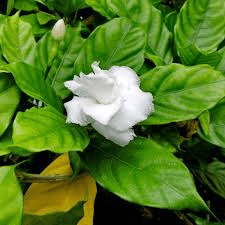
Tabernaemontana crassa, commonly known as Crape Jasmine, is a perennial flowering plant that belongs to the Apocynaceae family. This family is renowned for its diverse range of medicinal and ornamental plants. Native to various regions of Asia, Tabernaemontana crassa is highly valued for its therapeutic properties and striking appearance.
The leaves of Tabernaemontana crassa are simple, opposite, and evergreen. They are glossy, dark green in color, and have an elliptical to lanceolate shape. The leaves are arranged in pairs along the stem.
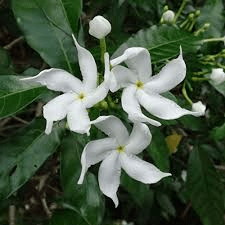
The flowers of Crape Jasmine are one of its most distinctive features. They are large, fragrant, and star-shaped with five white petals. These blooms are typically found in clusters, creating a visually appealing display.
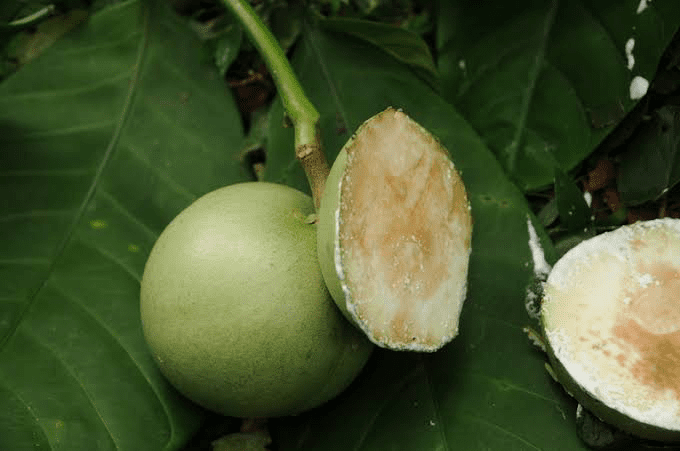
The plant produces spherical or ovoid fruits that are about the size of a small apple. These fruits are initially green and turn yellow or orange as they mature. Inside the fruit, small seeds are embedded.
The stems of Tabernaemontana crassa are woody and can become quite dense as the plant matures. The bark is often grayish-brown and may exhibit some texture and ridges.
Tabernaemontana crassa is a moderately sized shrub that can grow up to 3 meters in height. Its branching habit gives it a bushy appearance.
This plant is native to regions of Asia, including countries like India, China, and Thailand. It thrives in tropical and subtropical climates and can be found in a variety of habitats, including gardens, parks, and forest edges.
Tabernaemontana crassa is well-suited for cultivation in warm climates with well-draining soil. It requires regular watering, especially during its initial growth stages, but can tolerate short periods of drought once established.
The plant benefits from occasional pruning to maintain its shape and encourage healthy growth.
It can be propagated through seeds or stem cuttings. In traditional medicine systems, various parts of Tabernaemontana crassa have been used to treat a range of ailments.
The leaves, roots, and bark contain bioactive compounds that have analgesic, anti-inflammatory, and other therapeutic properties. However, it’s important to note that the plant should be used with caution and under proper guidance due to its potential side effects.
Apart from its medicinal attributes, Tabernaemontana crassa is cultivated as an ornamental plant for its striking flowers and glossy foliage. It’s often used in landscaping and garden design to add beauty and fragrance to outdoor spaces.
Read Also: 10 Medicinal Health Benefits of Solenostemma (Solenostemma argel)
The Medicinal Health Benefits of Tabernaemontana crassa (Crape Jasmine)
1. Pain Relief: The leaves and roots of Tabernaemontana crassa possess natural analgesic properties that can help alleviate pain associated with conditions like arthritis and muscle soreness.
2. Anti-inflammatory Effects: The plant contains compounds that exhibit anti-inflammatory effects, making it valuable for managing inflammation-related ailments.
3. Wound Healing: The application of Tabernaemontana crassa extracts can accelerate the healing process of wounds, cuts, and minor injuries due to its tissue-regenerating properties.
4. Fever Reduction: The plant’s extracts can help lower fever by promoting sweating and aiding the body in temperature regulation.
5. Respiratory Health: Tabernaemontana crassa has been used to relieve respiratory issues such as coughs, bronchitis, and congestion.
6. Digestive Aid: The plant’s properties assist in improving digestion, reducing bloating, and alleviating stomach discomfort.
7. Stress and Anxiety Relief: Extracts from Tabernaemontana crassa exhibit calming effects, aiding in reducing stress and anxiety levels.
8. Skin Disorders: The plant’s anti-inflammatory and antimicrobial qualities can be beneficial in managing skin conditions like eczema and acne.
9. Blood Pressure Regulation: Tabernaemontana crassa may contribute to regulating blood pressure due to its vasodilatory effects.
10. Antioxidant Protection: Rich in antioxidants, the plant helps combat oxidative stress, supporting overall cellular health.
11. Diabetes Management: Some compounds in Tabernaemontana crassa may assist in regulating blood sugar levels, offering potential benefits for diabetes management.
12. Immune Boosting: The plant contains immune-modulating components that can enhance the body’s natural defense mechanisms.
13. Analgesic Effects: Apart from pain relief, Tabernaemontana crassa’s compounds can act as effective analgesics for various discomforts.
14. Antispasmodic Properties: The plant’s extracts have antispasmodic effects, making them useful in alleviating muscle spasms and cramps.
15. Cardiovascular Support: Tabernaemontana crassa could contribute to heart health by promoting proper circulation and reducing the risk of cardiovascular issues.
16. Antimicrobial Action: The plant’s antimicrobial properties are valuable in combatting infections caused by bacteria, fungi, and other pathogens.
17. Anti-allergic Effects: Some compounds in Tabernaemontana crassa may help mitigate allergic reactions and hypersensitivity.
18. Liver Health: The plant’s detoxifying properties can support liver function and aid in removing harmful substances from the body.
19. Anti-aging Benefits: Its antioxidants and skin-nourishing components contribute to a youthful appearance and healthy skin.
20. Cognitive Health: Tabernaemontana crassa might have neuroprotective effects, benefiting cognitive function and potentially reducing the risk of neurodegenerative disorders.
Read Also: The Potentials and Constraints to Pig Production in Developing Countries
The Methods of Usage to Achieve the Provided Health Benefits of Tabernaemontana crassa (Crape Jasmine)
1. Topical Application: Crushed leaves of Tabernaemontana crassa can be applied topically as poultices or in the form of ointments. This method is effective for wound healing and relieving skin irritations. The plant’s natural anti-inflammatory and antimicrobial properties aid in the recovery process.
2. Herbal Teas: Preparing herbal teas from dried leaves or flowers of Tabernaemontana crassa is a common method of internal consumption. These teas may offer a range of benefits, including relaxation, stress relief, and digestive support.
3. Decoctions from Roots: Roots of the plant can be boiled to create decoctions. This method extracts the plant’s active compounds, making them easier to ingest. Decoctions are often used to manage ailments like fever, respiratory issues, and pain.
4. Infused Oils: Creating infused oils by steeping the plant’s flowers or leaves in a carrier oil can yield a product that’s useful for massages and topical applications. These oils can help alleviate muscle soreness and promote relaxation.
5. Inhalation: Inhaling the aroma of Tabernaemontana crassa flowers, either directly or through essential oils, can have a calming effect on the mind and may provide relief from respiratory congestion.
6. Herbal Baths: Adding dried or fresh Tabernaemontana crassa leaves or flowers to a warm bath can create a relaxing and aromatic bathing experience. This method can help alleviate stress, promote relaxation, and soothe skin irritations.
7. Compresses: Compresses soaked in diluted Tabernaemontana crassa extracts can be applied to specific areas of the body to address pain, inflammation, and discomfort.
8. Tinctures: Tinctures are alcohol-based extracts that capture the plant’s medicinal properties. They can be consumed in small doses and are known for their potency.
9. Steam Inhalation: Inhaling steam infused with Tabernaemontana crassa extracts can provide relief from respiratory congestion and sinus discomfort.
10. Culinary Use: In some cultures, Tabernaemontana crassa is used in traditional cuisine. However, caution should be exercised, as the plant contains active compounds that could have side effects if ingested in large quantities.
The Side Effects of Using Tabernaemontana crassa Medicinal Plant
1. Nausea and Vomiting: Excessive consumption of Tabernaemontana crassa or improper usage may lead to feelings of nausea and vomiting. This can occur especially if the plant is ingested in larger quantities.
2. Dizziness: Some individuals might experience dizziness as a side effect, particularly if they are sensitive to the compounds present in the plant. This effect can be more pronounced if the plant is used in excessive amounts.
3. Digestive Distress: In some cases, using Tabernaemontana crassa can cause digestive discomfort, including stomach upset, bloating, and diarrhea. It’s important to monitor your body’s response and adjust usage accordingly.
4. Allergic Reactions: Individuals with allergies or sensitivities to plants in the Apocynaceae family may experience allergic reactions when using Tabernaemontana crassa. These reactions can manifest as skin rashes, itching, or respiratory issues.
5. Interaction with Medications: There’s a possibility of interactions between Tabernaemontana crassa and certain medications. If you’re taking prescription drugs or have underlying health conditions, consult a healthcare professional before using the plant for medicinal purposes.
6. Pregnancy and Lactation Concerns: Pregnant and lactating individuals should avoid using Tabernaemontana crassa, as its effects on maternal and fetal health are not well-studied. The plant’s compounds could potentially have adverse effects on pregnancy and breastfeeding.
7. Central Nervous System Effects: In some cases, excessive consumption of Tabernaemontana crassa may affect the central nervous system, leading to symptoms like confusion, restlessness, or altered consciousness.
8. Hypotension: Due to its potential vasodilatory effects, the plant could lead to a drop in blood pressure in some individuals. Those with pre-existing low blood pressure should exercise caution when using it.
9. Photosensitivity: Certain compounds in Tabernaemontana crassa might make the skin more sensitive to sunlight. This could increase the risk of sunburn or skin irritation when exposed to the sun.
10. Interference with Other Health Conditions: Individuals with specific health conditions, such as liver disorders or heart conditions, should approach the use of Tabernaemontana crassa with caution, as its effects on these conditions are not fully understood.
Nutritional Value of Tabernaemontana crassa (Crape Jasmine)
1. Carbohydrates: The fruits of Tabernaemontana crassa likely contain carbohydrates, primarily sugars in the pulp, providing a minor energy source when consumed in traditional contexts, though nutritional use is limited by toxicity.
2. Fiber: Dietary fiber is expected in the leaves and fruits, supporting digestion and gut health. Fiber aids in regulating bowel movements, inferred from its use in traditional remedies, but specific quantities are not documented.
3. Protein: Trace amounts of protein may be present in the leaves or seeds, contributing to tissue repair, but T. crassa is not a significant protein source due to its primary medicinal role.
4. Alkaloids: The plant is rich in indole alkaloids like coronaridine and voacangine, which are bioactive rather than nutritional, offering potential pharmacological effects but requiring careful handling due to toxicity.
5. Phenolic Compounds: Phenolics, inferred from related Tabernaemontana species, act as antioxidants, potentially reducing oxidative stress and supporting cellular health in medicinal preparations.
6. Flavonoids: Flavonoids are likely present in the leaves, providing anti-inflammatory and antioxidant benefits, enhancing the plant’s medicinal value but not its nutritional profile.
7. Minerals (Calcium): Small amounts of calcium may be found in the leaves or fruits, supporting bone health, though the plant’s latex may interfere with absorption, and specific data is lacking.
8. Vitamins (Vitamin C): The fresh leaves or fruits may contain minor amounts of vitamin C, supporting immune function, inferred from patterns in Apocynaceae species, but not well-studied.
9. Saponins: Saponins, common in Tabernaemontana species, may be present, offering potential antimicrobial effects, but their nutritional role is secondary due to the plant’s toxicity.
10. Lipids: The seeds may contain trace lipids, providing energy, but their content is low and overshadowed by the plant’s alkaloid-driven medicinal applications.
The nutritional profile of Tabernaemontana crassa is minimal and poorly documented, with its value lying primarily in traditional medicine due to bioactive alkaloids. The fruit pulp may offer minor nutrients, but toxicity from latex and alkaloids limits its use as a food source, requiring careful preparation.
Scientific Evidence and Case Studies on Tabernaemontana crassa
1. Kam et al. (1999): This study isolated eight indole alkaloids from Tabernaemontana crassa bark, including coronaridine and voacangine, which exhibited in vitro cytotoxicity against cancer cell lines, suggesting potential anticancer properties (Kam, T. S., et al. (1999). Alkaloids from Tabernaemontana crassa. Phytochemistry, 51(8), 1169-1174).
2. Van Beek et al. (1984): Research identified antimicrobial activity in Tabernaemontana crassa leaf and bark extracts, particularly against Staphylococcus aureus and Candida albicans, validating its traditional use for treating infections like gonorrhea and skin sores (Van Beek, T. A., et al. (1984). Antimicrobially active alkaloids from Tabernaemontana species. Journal of Ethnopharmacology, 10(1), 1-156).
3. Okokon et al. (2011): This study evaluated the antimalarial activity of T. crassa root extracts in mice infected with Plasmodium berghei. The extracts significantly reduced parasitemia, supporting its use in West African traditional medicine for malaria treatment (Okokon, J. E., et al. (2011). In vivo antimalarial activity of Tabernaemontana crassa. African Journal of Traditional, Complementary and Alternative Medicines, 8(3), 243-247).
Frequently Asked Questions About Tabernaemontana crassa
1. Is Tabernaemontana crassa safe to consume?
No, the plant contains toxic latex and alkaloids that can cause poisoning. Traditional medicinal use requires careful preparation, and consumption should be avoided without expert guidance.
2. What parts of Tabernaemontana crassa are used medicinally?
The roots, bark, and leaves are used in West African traditional medicine for malaria, infections, pain, and as a styptic to stop bleeding, often as decoctions or poultices.
3. Can Tabernaemontana crassa treat malaria?
Yes, studies confirm root extracts reduce Plasmodium parasitemia in animal models, supporting its traditional use for malaria in West Africa.
4. Is Tabernaemontana crassa used for cancer treatment?
Alkaloids from the bark show cytotoxicity against cancer cell lines in vitro, indicating potential anticancer properties, but clinical evidence is lacking.
5. Where does Tabernaemontana crassa grow?
Native to West and Central Africa, from Nigeria to Angola, it thrives in rainforest understories, coastal forests, and savanna woodlands up to 1,200 meters altitude.
6. What are the traditional uses of Tabernaemontana crassa?
It is used to treat malaria, gonorrhea, skin infections, and pain, with latex applied as a styptic for wounds and decoctions for fever and inflammation.
7. Is Tabernaemontana crassa toxic?
Yes, its latex can cause skin irritation or blindness if it contacts eyes, and alkaloids may lead to poisoning if ingested, requiring professional supervision for use.
8. Can Tabernaemontana crassa be grown as an ornamental plant?
Yes, its fragrant white flowers and glossy leaves make it a popular ornamental in tropical gardens, but its toxicity requires caution around children and pets.
Do you have any questions, suggestions, or contributions? If so, please feel free to use the comment box below to share your thoughts. We also encourage you to kindly share this information with others who might benefit from it. Since we can’t reach everyone at once, we truly appreciate your help in spreading the word. Thank you very much for your support and for sharing!
Disclaimer: This article is for educational and informational purposes only. The health benefits described are based on scientific research and traditional knowledge. They are not a substitute for professional medical advice, diagnosis, or treatment. Always consult a healthcare professional before using any herb or natural remedy for medical purposes.
Read Also: 12 Great Importance of Agriculture Worldwide