


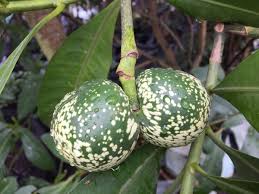
Voacanga thouarsii, is commonly called African Wild Coffee, it is a plant belonging to the Apocynaceae family, stands as a testament to nature’s intricate beauty and adaptability. This botanical description sheds light on the key features that characterize this remarkable species.
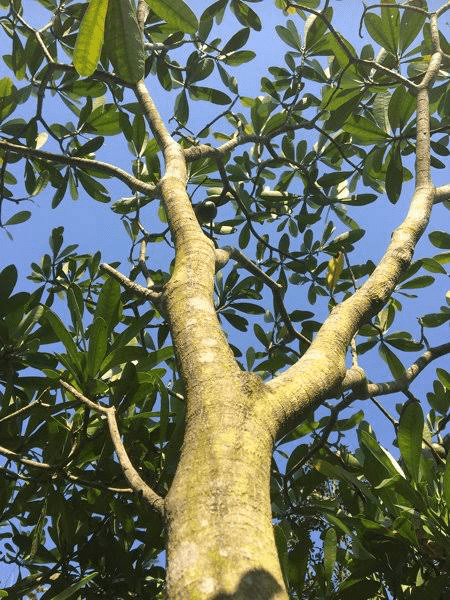
Voacanga thouarsii is a tropical evergreen tree that can reach impressive heights, often growing between 5 to 15 meters tall. Its tall stature is accompanied by a straight, sturdy trunk, which is covered in smooth, grayish bark.
The leaves of Voacanga thouarsii are a standout feature, showcasing the plant’s lush and vibrant appearance. Arranged in an opposite manner, these leaves are elongated, oval-shaped, and possess a glossy, dark green hue. The veins on the leaves are prominent, adding to their distinct visual appeal.
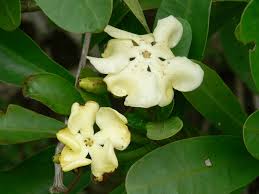
The plant produces fascinating and fragrant flowers that contribute to its overall allure. The flowers of Voacanga thouarsii are typically white to pale cream in color, with a funnel-like shape. They are clustered in terminal inflorescences, creating a captivating display when in bloom.
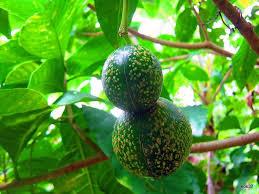
The fruits of Voacanga thouarsii are capsules that hold the promise of future growth. These capsules are ovoid in shape and contain numerous seeds. When mature, they split open to release the seeds, which are embedded in a fibrous matrix.
The roots of Voacanga thouarsii delve deep into the soil, providing stability and nourishment for the plant. In traditional practices, the roots have been utilized for their potential medicinal properties.
Native to certain regions of Africa, Voacanga thouarsii thrives in tropical and subtropical climates. It can be found in various habitats, including rainforests and savannas. Its adaptability to different environments underscores its resilience as a species.
Voacanga thouarsii holds cultural significance in the regions where it is native. It has been used in traditional African medicine for generations, reflecting the deep connection between nature and human well-being.
Read Also: 20 Medicinal Health Benefits of Strophanthus sarmentosus (Creeping Strophanthus)
The Medicinal Health Benefits of Voacanga thouarsii (African Wild Coffee)
1. Pain Relief: Voacanga thouarsii is valued for its analgesic properties, which can help alleviate various types of pain, such as headaches and muscle aches.
2. Fever Reduction: The plant has been used to lower fever, thanks to its antipyretic effects. It can assist in bringing down body temperature during febrile episodes.
3. Anti-Inflammatory Action: Voacanga thouarsii contains compounds with anti-inflammatory properties that can be beneficial for reducing inflammation in the body.
4. Digestive Aid: Traditional medicine has utilized this plant to improve digestion and ease gastrointestinal discomfort.
5. Respiratory Support: It is believed that Voacanga thouarsii can offer respiratory relief by addressing issues like coughs and congestion.
6. Mood Enhancement: Some compounds in the plant might contribute to mood elevation and stress reduction.
7. Antioxidant Defense: The presence of antioxidants in Voacanga thouarsii could assist in neutralizing harmful free radicals, potentially reducing oxidative stress.
8. Wound Healing: Topical applications of Voacanga thouarsii extracts may support the healing of minor wounds and skin irritations.
9. Cardiovascular Health: The plant might have positive effects on heart health by promoting healthy circulation and blood pressure.
10. Diuretic Properties: It could serve as a natural diuretic, aiding in the elimination of excess fluids from the body.
11. Anti-microbial Effects: Some compounds in Voacanga thouarsii have demonstrated antimicrobial activity against certain pathogens.
12. Purification: In traditional practices, the plant has been used for its purifying effects on the body.
13. Libido Enhancement: There are claims that Voacanga thouarsii can contribute to improved sexual health and libido.
14. Cognitive Function: It is suggested that the plant might have cognitive-enhancing properties, potentially supporting memory and focus.
15. Anti-parasitic Actions: Certain components could exhibit activity against parasitic infections.
16. Muscle Relaxation: Voacanga thouarsii might help relax muscles and alleviate tension.
17. Liver Health: Traditional uses include supporting liver function and detoxification.
18. Anti-allergic Potential: The plant’s compounds might help mitigate allergic reactions.
19. Joint Health: It could play a role in promoting joint comfort and flexibility.
20. Metabolic Support: Some studies suggest that Voacanga thouarsii might assist in metabolism regulation.
Read Also: 10 Medicinal Health Benefits of Tulbaghia violacea (Society Garlic)
The Methods of Usage to Achieve the Provided Health Benefits of Voacanga thouarsii (African Wild Coffee)
1. Herbal Teas: Creating herbal teas from the leaves or bark of Voacanga thouarsii is a common method. Steep the plant material in hot water to extract its beneficial compounds. This method is especially suitable for addressing issues like pain relief, fever reduction, and digestive discomfort.
2. Tinctures and Extracts: Tinctures and extracts offer a concentrated form of Voacanga thouarsii’s medicinal properties. These can be taken sublingually or added to beverages. They are often used for their potent effects on various health concerns, including cardiovascular health and mood enhancement.
3. Topical Applications: For wound healing and skin irritations, applying Voacanga thouarsii extracts topically can promote recovery. These extracts can be incorporated into ointments or balms.
4. Infused Oils: Infusing carrier oils with Voacanga thouarsii can yield oils that are suitable for massages. This method can help with muscle relaxation and joint discomfort.
5. Dietary Supplementation: In some cases, Voacanga thouarsii extracts are formulated into dietary supplements. These supplements can offer a convenient way to incorporate the plant’s benefits into daily routines.
6. Inhalation: Inhaling the aroma of Voacanga thouarsii, often through the use of essential oils, can provide respiratory support. This method is particularly helpful for addressing congestion and coughs.
7. Traditional Preparations: Depending on cultural practices, traditional methods of preparation and consumption may involve Voacanga thouarsii. These methods have been passed down through generations and are often deeply rooted in local customs.
8. Professional Guidance: Regardless of the method chosen, it’s important to seek professional guidance, especially from a qualified herbalist or healthcare practitioner. This ensures proper dosing and safe usage.
The Side Effects of Using Voacanga thouarsii Medicinal Plant
1. Digestive Upset: Excessive consumption of Voacanga thouarsii or improper usage may lead to digestive discomfort, including nausea and stomach upset.
2. Allergic Reactions: Some individuals may be sensitive to certain compounds in the plant, resulting in allergic responses such as skin rashes or itching.
3. Interactions with Medications: Voacanga thouarsii may interact with certain medications, potentially affecting their efficacy or causing adverse effects. Consultation with a healthcare professional is crucial, especially if you are taking prescribed medications.
4. Central Nervous System Effects: In larger amounts, Voacanga thouarsii may affect the central nervous system, leading to dizziness, confusion, or even hallucinations.
5. Cardiovascular Effects: High doses of Voacanga thouarsii might impact heart rate and blood pressure, potentially posing risks for individuals with cardiovascular conditions.
6. Pregnancy and Breastfeeding: Pregnant and breastfeeding individuals should avoid using Voacanga thouarsii, as its effects on these conditions are not well understood.
7. Photosensitivity: Some reports suggest that the plant might increase sensitivity to sunlight, potentially leading to skin reactions when exposed to sunlight.
8. Cognitive Effects: Due to its potential impact on the central nervous system, excessive consumption of Voacanga thouarsii might affect cognitive function and impair decision-making.
9. Liver Health: Although Voacanga thouarsii has been traditionally used to support liver health, excessive or prolonged usage could potentially have adverse effects on the liver.
10. Regulatory Concerns: Depending on the region, Voacanga thouarsii may be subject to regulatory restrictions or bans due to its potential risks and effects.
11. Hypotension: Some individuals might experience low blood pressure as a result of using Voacanga thouarsii, which can lead to feelings of dizziness or faintness.
12. Gastrointestinal Distress: In some cases, the plant’s consumption might cause gastrointestinal distress, including diarrhea or stomach cramps.
13. Respiratory Effects: While Voacanga thouarsii is believed to offer respiratory support, excessive consumption may lead to respiratory issues, including shortness of breath.
14. Neurological Effects: There have been reports of neurological symptoms such as tremors or seizures associated with the use of Voacanga thouarsii in high doses.
Nutritional Value of Voacanga thouarsii (African Wild Coffee)
1. Tabersonine: Tabersonine is a monoterpene indole alkaloid primarily accumulated in the seeds of Voacanga thouarsii, serving as a key precursor for synthesizing other bioactive alkaloids with potential anticancer and antimicrobial properties, contributing to its medicinal value.
2. Voacangine: This iboga-type indole alkaloid is found in the bark and leaves, known for its analgesic and anti-inflammatory effects, supporting traditional uses for pain relief and infections.
3. Ibogaine: Present in the bark, ibogaine exhibits neuroprotective and psychoactive properties, potentially aiding in treating neurological disorders, though its use requires caution due to hallucinogenic effects.
4. Voacamine: A bisindole alkaloid in the bark and seeds, voacamine contributes to antimicrobial and hypotensive activities, helping in managing hypertension and bacterial infections.
5. Voacristine: This indole alkaloid in the leaves and bark provides antioxidant benefits, protecting cells from oxidative stress and supporting overall immune health.
6. Vobtusine: Found in the bark, vobtusine has potential cytotoxic effects against cancer cells, aligning with the plant’s role in traditional cancer treatments.
7. Iboluteine: An alkaloid in the bark extracts, iboluteine offers anti-inflammatory properties, useful for treating rheumatism and skin conditions like eczema.
8. Vobasine: Present in various parts, vobasine contributes to cardiovascular benefits by potentially lowering blood pressure, supporting heart health applications.
9. Coronaridine: This alkaloid in the plant exhibits antimicrobial activity, aiding in the treatment of gonorrhoea and other infections in traditional medicine.
10. Flavonoids: These polyphenolic compounds in the leaves provide additional antioxidant and anti-inflammatory effects, enhancing the plant’s protective role against chronic diseases.
Scientific Evidence and Case Studies on Voacanga thouarsii
1. Genome Assembly and MIA Biosynthesis: Cuello et al. (2022) assembled the first reference genome of Voacanga thouarsii, identifying genes involved in monoterpene indole alkaloid (MIA) production, particularly tabersonine accumulation in seeds, highlighting its potential for industrial production of bioactive MIAs with anticancer and antimicrobial benefits (Cuello, C., Stander, E. A., Jansen, H. J., et al., 2022, Genome Biology and Evolution, 14(11), evac158).
2. Alkaloid Isolation from Bark: Goldblatt et al. (1970) isolated nine indole alkaloids including voacangine, ibogaine, voacamine, and vobtusine from the bark of Voacanga thouarsii var. obtusa, demonstrating their presence and potential pharmacological activities such as anti-inflammatory and hypotensive effects (Goldblatt, A., Hootele, C., & Pecher, J., 1970, Phytochemistry, 9(7), 1293-1298).
3. Leaf Alkaloid Analysis: Rolland et al. (1973) identified three indole alkaloids (ibogaine, voacangine, voacristine) and twelve bis-indole alkaloids from the leaves, suggesting broad bioactive potential for treating infections and inflammation based on structural elucidation (Rolland, Y., Croquelois, G., Kunesch, N., et al., 1973, Bulletin de la Societe Chimique de France, 11, 2503-2506).
4. Phytochemical Survey of Genus Voacanga: Macabeo et al. (2009) reviewed indole alkaloids in Voacanga species including V. thouarsii, noting pharmacological activities like analgesic, antimicrobial, and cytotoxic effects from compounds such as tabersonine and voacangine, supporting traditional medicinal uses (Macabeo, A. P., Alejandro, G. J., Hallare, A. V., et al., 2009, Pharmacognosy Reviews, 3(5), 132-142).
5. Chemistry and Biology Review: Green (2012) summarized the isolation of over 100 alkaloids from Voacanga thouarsii, including tabersonine and folicangine, with bioactivities such as antimalarial and antioxidant properties, validating its role in treating tropical diseases (Green, I. R., 2012, Pharmaceutical Biology, 50(10), 1183-1193).
Frequently Asked Questions About Voacanga thouarsii
1. What is Voacanga thouarsii used for in traditional medicine?
It is used in African traditional medicine to treat wounds, sores, gonorrhoea, eczema, heart problems, hypertension, rheumatism, stomach-ache, and snakebites, primarily using bark, leaves, and seeds.
2. Is Voacanga thouarsii safe to use?
It is potentially unsafe due to toxic alkaloids like ibogaine, which can cause hallucinations, heart issues, or toxicity; use only under medical supervision and avoid self-medication.
3. Can Voacanga thouarsii help with heart conditions?
Its alkaloids like voacangine and voacamine may lower blood pressure and support heart health, as per traditional uses and preclinical evidence, but clinical studies are limited.
4. What are the side effects of Voacanga thouarsii?
Possible side effects include nausea, irregular heartbeat, hallucinations, and potential toxicity from overdose; it may interact with heart medications, so consult a doctor.
5. How is Voacanga thouarsii prepared for medicinal use?
Bark and leaves are used as decoctions or poultices for wounds and infections, while seeds are processed for alkaloid extraction; professional guidance is essential for dosing.
6. Where is Voacanga thouarsii native to?
It is native to tropical and southern Africa, including Madagascar, growing in forests and savannas from sea level to 600 meters altitude.
7. Does Voacanga thouarsii have antimicrobial properties?
Yes, alkaloids like coronaridine and voacamine show activity against bacteria and fungi, supporting its traditional use for gonorrhoea and infections.
8. Can Voacanga thouarsii be used for cancer treatment?
Its compounds like tabersonine have cytotoxic potential in preclinical studies, but it is not a proven treatment and requires further research.
Do you have any questions, suggestions, or contributions? If so, please feel free to use the comment box below to share your thoughts. We also encourage you to kindly share this information with others who might benefit from it. Since we can’t reach everyone at once, we truly appreciate your help in spreading the word. Thank you very much for your support and for sharing!
Disclaimer: This article is for educational and informational purposes only. The health benefits described are based on scientific research and traditional knowledge. They are not a substitute for professional medical advice, diagnosis, or treatment. Always consult a healthcare professional before using any herb or natural remedy for medical purposes.
Read Also: How to Make Money from Plastic Recycling