


Alchemilla arvensis, commonly known as field lady’s mantle, is a herbaceous perennial plant that belongs to the Rosaceae family. This unassuming herb has a rich history of medicinal use dating back centuries.
The Botanical Description of Alchemilla arvensis
1. Life: Alchemilla arvensis is a perennial herb, meaning it lives for more than two years. This enduring nature allows it to thrive in a variety of environments.
2. Size: Field lady’s mantle typically reaches a height of 20 to 40 centimeters (8 to 16 inches). Its compact size makes it easy to spot in fields and meadows.
3. Leaves: The leaves of Alchemilla arvensis are a distinguishing feature. They are deeply lobed, resembling the shape of a lady’s cloak, which is how it earned its common name. The leaves are a vibrant green and have a velvety texture, often covered in fine hairs.
4. Flowers: This plant produces small, inconspicuous greenish-yellow flowers that are arranged in clusters. These flowers bloom from late spring to early summer, creating a subtle, yet charming display.
5. Habitat: Alchemilla arvensis is native to Europe and Asia but has become naturalized in various regions around the world. It prefers open, sunny areas such as meadows, fields, and forest edges.
6. Medicinal Use: Throughout history, Alchemilla arvensis has been prized for its medicinal properties. The leaves of this herb contain compounds like tannins and flavonoids, which contribute to its therapeutic potential.
The Geographic Distribution of Alchemilla arvensis
1. Native Regions: Alchemilla arvensis, commonly known as field lady’s mantle, is native to various parts of Europe and Asia. It thrives in temperate climates and can be found in countries such as the United Kingdom, France, Germany, Russia, and China.
2. Naturalization: While native to Europe and Asia, field lady’s mantle has naturalized in several other regions worldwide. It has adapted to different environments and can now be found in North America and parts of South America.
3. Preferred Habitats: This herbaceous perennial plant is often found in open areas such as meadows, grasslands, and the edges of forests. It prefers well-drained soils and areas with ample sunlight.
The Chemical Composition of Alchemilla arvensis
1. Tannins: Alchemilla arvensis contains tannins, which are polyphenolic compounds known for their astringent properties. Tannins are often responsible for the herb’s ability to aid in digestive issues.
2. Flavonoids: Flavonoids, another group of polyphenols, are present in the leaves of Alchemilla arvensis. These compounds possess antioxidant properties, which may contribute to the plant’s potential health benefits.
3. Essential Oils: Some varieties of field lady’s mantle contain essential oils with aromatic compounds. These oils can vary in composition and contribute to the plant’s fragrance.
4. Organic Acids: Organic acids, such as citric acid and malic acid, are found in the leaves of Alchemilla arvensis. These acids can influence the taste and contribute to its potential medicinal properties.
The Harvesting and Processing of Alchemilla arvensis
1. Harvesting: Field lady’s mantle is typically harvested during its flowering period, which occurs from late spring to early summer. The leaves are the primary part of the plant used for medicinal purposes. They are carefully plucked by hand or with scissors to avoid damaging the plant.
2. Drying: Once harvested, the leaves are dried in a well-ventilated area away from direct sunlight. Proper drying is essential to preserve the plant’s active compounds and prevent mold or degradation.
3. Processing: After drying, the leaves can be processed into various forms for medicinal use. Common processing methods include crushing the dried leaves into a powder for encapsulation, creating herbal tinctures, or infusing them in oils for topical applications.
4. Storage: Proper storage is crucial to maintain the potency of Alchemilla arvensis. The processed plant material should be stored in airtight containers in a cool, dark place to prevent moisture and light exposure, which can lead to degradation.
5. Herbal Preparations: Alchemilla arvensis is used in various herbal preparations, including teas, capsules, ointments, and tinctures. The choice of preparation depends on the intended use and the desired therapeutic effect.
Read Also: 27 Medicinal Health Benefits Of Lithospermum incisum (Fringed Puccoon)
The Medicinal Health Benefits Of Alchemilla arvensis (Field Lady’s Mantle)
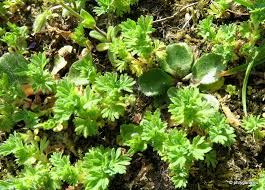
Alchemilla arvensis, also known as Field Lady’s Mantle, possesses a range of potential medicinal health benefits. Here, we will list and explain 24 of these benefits:
1. Digestive Aid: Alchemilla arvensis has traditionally been used to soothe digestive discomfort, including indigestion and bloating.
2. Anti-Inflammatory Properties: Its tannin content gives it anti-inflammatory potential, aiding in conditions like arthritis.
3. Wound Healing: Topical applications may promote tissue repair and reduce the risk of infection.
4. Menstrual Discomfort: It may help alleviate menstrual cramps and heavy bleeding.
5. Antioxidant Benefits: Flavonoids in Alchemilla arvensis act as antioxidants, protecting cells from oxidative stress.
6. Mild Diuretic: Useful for mild fluid retention issues.
7. Anxiety and Stress Relief: Some suggest it has calming effects, though further research is needed.
8. Skin Health: Topical use may improve skin appearance and texture.
9. Anti-diarrheal: It has been used to manage diarrhea.
10. Hemorrhoid Relief: May provide relief from hemorrhoidal symptoms.
11. Respiratory Health: Traditionally used to alleviate coughs and cold symptoms.
12. Anti-Bacterial: Some believe it has antibacterial properties.
13. Anti-Viral: Traditional medicine has utilized it for viral infections.
14. Immune Support: It may help boost the immune system.
15. Pain Management: It has been employed to manage various types of pain.
16. Hormone Regulation: Some women use it to help regulate hormones.
17. Anti-Anxiety: Potential for reducing anxiety symptoms.
18. Blood Sugar Control: May contribute to better blood sugar management.
19. Diuretic: Promotes increased urine production.
20. Antifungal: Traditional use for fungal infections.
21. Cardiovascular Health: Potential benefits for heart health.
22. Anti-Aging: Antioxidants may help slow the aging process.
23. Anti-Allergic: Some suggest it can help with allergies.
24. Anti-Ulcer: Used traditionally for stomach ulcers.
The Methods of Usage to Achieve the Provided Health Benefits Of Alchemilla arvensis (Field Lady’s Mantle)
To harness the health benefits of Alchemilla arvensis, here are various methods of usage:
1. Herbal Tea: Steep dried Alchemilla arvensis leaves in hot water for a soothing tea.
2. Capsules: Take as a dietary supplement in capsule form.
3. Tinctures: Use alcoholic extracts for more concentrated doses.
4. Topical Ointments: Apply as a salve for skin issues or wound healing.
5. Infused Oil: Create infused oils for massage or skincare.
6. Poultices: Apply crushed leaves directly to wounds or skin.
7. Herbal Baths: Add dried leaves to bathwater for skin benefits.
8. Herbal Compresses: Soak a cloth in an Alchemilla arvensis infusion and apply to affected areas.
The Side Effects Of Using Alchemilla arvensis Medicinal Plant
While Alchemilla arvensis offers various health benefits, it’s essential to be aware of potential side effects:
1. Allergic Reactions: Some individuals may be allergic to Alchemilla arvensis, leading to skin rashes or respiratory issues.
2. Digestive Upset: In some cases, it may cause digestive discomfort such as nausea or diarrhea.
3. Interaction with Medications: Alchemilla arvensis may interact with certain medications. Consult a healthcare professional if you are taking prescription drugs.
4. Pregnancy and Breastfeeding: Pregnant or nursing women should exercise caution and consult a healthcare provider before using this herb.
5. Diuretic Effect: Excessive use can lead to increased urination, potentially causing dehydration.
6. Photosensitivity: Some individuals may experience increased sensitivity to sunlight when using Alchemilla arvensis topically.
Read Also: 7 Medicinal Health Benefits Of Cryptantha crassisepala (Thicksepal Catseye)
The Scientific Research and Studies of Alchemilla arvensis
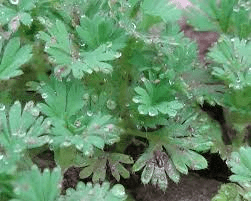
Numerous scientific studies have explored the properties and potential benefits of Alchemilla arvensis, also known as Field Lady’s Mantle. Here are 16 key findings from scientific research:
1. Anti-Inflammatory Activity: Research has shown that Alchemilla arvensis exhibits anti-inflammatory properties, making it a subject of interest in the treatment of inflammatory conditions.
2. Antioxidant Effects: Studies suggest that the flavonoids in Alchemilla arvensis contribute to its antioxidant capabilities, helping to combat oxidative stress.
3. Gastrointestinal Health: Research has investigated its potential for alleviating gastrointestinal discomfort, indicating a soothing effect on the digestive system.
4. Wound Healing: Scientific studies have explored the herb’s ability to promote wound healing and reduce the risk of infection when applied topically.
5. Menstrual Health: Some research suggests that Alchemilla arvensis may help regulate the menstrual cycle and reduce menstrual pain and heavy bleeding.
6. Antimicrobial Properties: Investigations have indicated potential antimicrobial properties of Alchemilla arvensis, which may be useful in combating infections.
7. Antidiabetic Potential: Studies have examined its impact on blood sugar levels, with some evidence of potential benefits for diabetes management.
8. Pain Management: Research has explored its use in pain management, including its potential in relieving various types of pain.
9. Immune Modulation: Some studies have investigated its role in modulating the immune system, potentially enhancing immune response.
10. Anxiety and Stress: Scientific research has started to explore its potential in reducing anxiety and stress, although more studies are needed.
11. Skin Health: Topical applications of Alchemilla arvensis extracts have been examined for their impact on skin health and conditions.
12. Anticancer Properties: Preliminary studies have looked into its potential anticancer properties, but more research is necessary in this area.
13. Cardiovascular Benefits: Some investigations suggest that Alchemilla arvensis may have cardiovascular benefits, such as lowering blood pressure.
14. Anti-Aging: Research has hinted at potential anti-aging effects, primarily attributed to its antioxidant content.
15. Hepatoprotective Effects: Studies have explored its potential in protecting the liver from damage caused by toxins.
16. Anti-Anxiety: Research has started to uncover its effects on reducing anxiety, making it a subject of interest in mental health studies.
The Safety Precautions and Recommendations In Using Alchemilla arvensis Medicinal Plant
When using Alchemilla arvensis for medicinal purposes, it’s essential to observe safety precautions and recommendations:
1. Consult a Healthcare Professional: Before using Alchemilla arvensis, especially if you have underlying health conditions or are pregnant, nursing, or taking medications, consult a healthcare provider for guidance.
2. Dosage: Follow recommended dosages carefully, as excessive use can lead to side effects.
3. Allergic Reactions: Be aware of potential allergic reactions, and discontinue use if you experience skin rashes, itching, or respiratory distress.
4. Photosensitivity: If applying Alchemilla arvensis topically, be cautious about sun exposure, as some individuals may experience increased sensitivity.
5. Interactions: Pay attention to potential interactions with medications you may be taking, and discuss these with your healthcare provider.
6. Quality and Source: Ensure that you obtain Alchemilla arvensis from reputable sources to guarantee quality and purity.
7. Drying and Storage: If harvesting and processing the herb yourself, ensure proper drying and storage conditions to maintain its efficacy.
8. Children and Pets: Keep Alchemilla arvensis and any products containing it out of reach of children and pets.
FAQs About Alchemilla arvensis Medicinal Plant
Here are 19 frequently asked questions about Alchemilla arvensis:
1. What is Alchemilla arvensis used for medicinally?
Alchemilla arvensis is used for various purposes, including digestive relief, wound healing, and menstrual discomfort.
2. Is Alchemilla arvensis safe during pregnancy?
Pregnant women should consult a healthcare provider before using Alchemilla arvensis, as its safety during pregnancy is not well-established.
3. Can I use Alchemilla arvensis if I’m on medication?
Consult your healthcare provider about potential interactions with medications you’re taking.
4. How should I prepare Alchemilla arvensis tea?
Steep dried Alchemilla arvensis leaves in hot water for 10-15 minutes and then strain before drinking.
5. Are there any known side effects of Alchemilla arvensis?
Possible side effects include allergic reactions, digestive upset, and photosensitivity.
6. Can I use Alchemilla arvensis for anxiety relief?
Some research suggests its potential for reducing anxiety, but more studies are needed.
7. How does Alchemilla arvensis help with wound healing?
It may promote tissue repair and reduce the risk of infection when applied topically.
8. Can Alchemilla arvensis be used for skin conditions like eczema?
It has been studied for its potential in improving skin health, but individual results may vary.
9. Is it safe for children to use Alchemilla arvensis remedies?
Use caution with children and consult a healthcare provider for appropriate dosages.
10. How long does it take to see results from using Alchemilla arvensis for menstrual issues?
Results may vary, and it may take several cycles to notice changes.
11. Can Alchemilla arvensis be used as a diuretic for weight loss?
While it has diuretic properties, it should not be used solely for weight loss.
12. Is it safe to apply Alchemilla arvensis ointments to open wounds?
Consult a healthcare provider for guidance on using Alchemilla arvensis for wound care.
13. Can Alchemilla arvensis be used alongside other herbal remedies?
It can be used with other herbs but consult an herbalist or healthcare provider for guidance.
14. Is it safe to consume Alchemilla arvensis during breastfeeding?
Breastfeeding women should consult a healthcare provider before use.
15. How can I make Alchemilla arvensis oil for skincare?
Infuse carrier oil with dried Alchemilla arvensis leaves and strain before use.
16. Are there any known drug interactions with Alchemilla arvensis?
Consult your healthcare provider for information on potential drug interactions.
17. Can I grow Alchemilla arvensis in my garden?
It can be cultivated in gardens with proper care and conditions.
18. What are the active compounds in Alchemilla arvensis?
Active compounds include tannins, flavonoids, and essential oils.
19. Is Alchemilla arvensis effective for pain relief?
It has been studied for pain management, but its effectiveness may vary among individuals.
Do you have any questions, suggestions, or contributions? If so, please feel free to use the comment box below to share your thoughts. We also encourage you to kindly share this information with others who might benefit from it. Since we can’t reach everyone at once, we truly appreciate your help in spreading the word. Thank you very much for your support and for sharing!
Disclaimer: This article is for educational and informational purposes only. The health benefits described are based on scientific research and traditional knowledge. They are not a substitute for professional medical advice, diagnosis, or treatment. Always consult a healthcare professional before using any herb or natural remedy for medical purposes.