


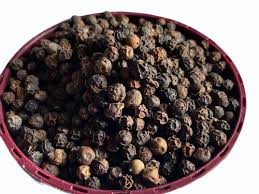
Garam masala (Piper nigrum L.), which is pronounced gah-RAHM mah-SAH-lah, is a blend of dried-roasted, ground Indian spices. Garam is an Indian word that means warm or hot, which is appropriate given that garam masala is well recognized for producing warmth on both the inside and outside of the body. The word spice in Hindi is masala.
Any of the several spice mixtures used in Indian cooking are referred to by this term. This spicy blend is popularly used in Pakistani and other South Asian cuisines in addition to India.
Not every garam masala recipe is the same. There are numerous varieties, frequently determined by the Indian region or village of origin, the long-standing family recipe, or the whim of the individual investor.
The maximum number of ingredients varies, although the spice mixture has reportedly occasionally included more than 30.
What ingredients are frequently included in garam masala? Black peppercorns, cinnamon, cardamom, cloves, mace (or nutmeg), and cumin are frequently included in traditional recipes.
In addition, fennel, coriander, and bay leaves are frequently used ingredients. Whatever spices are used, they are all carefully incorporated and blended to create a flavorful balance that is warming and somewhat sweet but completely devoid of sugar.
It is possible to make garam masala with or without dry roasting the spices before grinding them into a powder. They are combined into a powder and then lightly cooked till the aroma is released, used primarily as a finishing spice.
These spices, known as Khada masala when used whole, are added to hot oil to unleash their flavors before additional ingredients are added to a meal.
Some claim that the spice blend garam masala was created in the chilly north of India. It’s possible that this concoction of spices served as the model for curry powder, which was first produced for commercial purposes in the 1780s.
Read Also: 4 Health Benefits of Sage (Salvia officinalis)
Curry powder makes flavoring traditional Indian food easier and less expensive. The use of garam masala in conventional Ayurvedic treatment dates back a long time.
Any food becomes considerably more stimulating and comforting when garam masala is added. It can be included in stews, soups, vegetarian as well as meat recipes.
There are countless alternatives because you can sprinkle it on anything. Even a healthy oatmeal raisin cookie recipe benefits from its delectable and adventurous addition.
The amazing thing about this complicated spice blend is that it has a ton of health-promoting properties, from enhanced digestion to cancer prevention.
For instance, it has been demonstrated to prevent constipation and is an excellent complement to any diet plan for diabetics, in addition to enhancing immunity more generally.
Despite having its roots in India, garam masala recipes vary widely in terms of the specific spices that are used. Garam masala is rich with health benefits regardless of its ingredients and frequently contains more than ten distinct spices.
This blend of spices is intended to add a rich, warming taste to dishes like hummus, not to light your tongue on fire.
Garam masala, an incredibly sophisticated mixture of delectable spices, adds an intriguing dimension to every meal to which it is added. Additionally, you gain from the health advantages of every spice used in its preparation.
Read Also: 4 Health Benefits of Vervain (Verbena Officinalis)
4 Health Benefits of Garam Masala (Piper nigrum L.)

1. Helps Digestion
Garam masala is appropriately titled in Ayurvedic medicine due to its capacity to increase digestive fire or warm the body. Agni, or digestive fire, is the cornerstone of this 5,000-year-old system of natural healing. To sustain good digestive fire, according to Ayurveda, you must give your body the correct kinds and amounts of hot meals.
According to legend, garam masala accomplishes this by elevating the consumer’s body temperature, which in turn speeds up their metabolism.
This avoids slow digestion and the buildup of toxins in the body that come from improper digestive fire. Additionally, garam masala incorporates each of the six Rasas (tastes) into a dish to encourage a consumer-balancing effect.
2. Fights against Cancer
Spices are generally linked to the prevention of cancer. One study focused exclusively on garam masala and its potential as a natural anticancer agent.
The effects of consuming garam masala on animals for just 10 days were examined in this study, which was published in the journal Nutrition and Cancer.
The levels of the detoxifying system’s enzymes significantly and favorably changed after consumption, the researchers discovered. These results imply that garam masala promotes body detoxification to operate as a natural cancer prevention agent.
Animal studies have also demonstrated a decrease in cancers after consuming garam spice. Given that many of the spices in this concoction are naturally cancer-preventive foods, this is not all that surprising.
Read Also: 8 Health Benefits of Parsley (Petroselinum crispum)
3. Fights against Diabetes
Cinnamon is a true super spice that is present in almost all garam masalas. Numerous advantages of cinnamon for health have been demonstrated by science.
Cinnamon is incredibly effective at preventing diabetes and naturally lowering blood sugar in diabetics. Numerous studies have shown that cinnamon may be able to assist reduce blood sugar levels.
Additionally, it may increase sensitivity to the essential hormone insulin, which is required to maintain stable blood sugar levels.
4. Health Booster
Masala has been shown to have actions against significant neurological illnesses including Parkinson’s disease and Alzheimer’s disease in addition to being an antioxidant, anti-inflammatory, antidiabetic, antibacterial, anticancer, lipid-lowering, and cardiovascular disease-lowering substance. But this mixture contains other ingredients as well as cinnamon.
Spices are underused, but it would be extremely simple to take advantage of them and improve health. There are frequently 10 or even 30 different spices in a garam masala.
Consuming it offers you immediate access to the health advantages of every spice used to make the magical blend, regardless of the components utilized.
To mention a few of the possible constituents, in addition to cinnamon, we’re talking about extremely health-promoting spices like cardamom, cloves, and cumin.
Continue consuming fruits and vegetables, but don’t neglect the inexpensive but potent spices (and herbs) that you should ideally include in your diet every day. I like how using garam masala makes it so simple to include a wide variety of spices in just one dish or snack.
Read Also: 6 Health Benefits of Oregano (Origanum vulgare)
Scientific Evidence and Case Studies on Garam Masala
1. Digestive Stimulation: A study conducted by Platel et al. investigated the influence of Garam Masala and its individual spice components on digestive enzymes in rats. The findings revealed that the spice blend significantly stimulated the activity of pancreatic lipase, chymotrypsin, and amylase, thereby reducing the transit time of food in the gastrointestinal tract and enhancing overall digestion.
2. Lipid Profile Improvement: Research by Soudamini et al. evaluated the hypolipidemic activity of Garam Masala in rats fed a high-fat diet. The study demonstrated that the administration of the spice blend resulted in a significant reduction in total cholesterol and triglyceride levels while increasing HDL (good) cholesterol, suggesting its potential in managing hyperlipidemia.
3. Antioxidant Activity: An investigation by Agbor et al. analyzed the antioxidant capacity of various spice blends, including Garam Masala. The results indicated that Garam Masala exhibited high free radical scavenging activity and ferric reducing power, attributed to the synergistic effect of its polyphenol-rich ingredients like cloves, cinnamon, and black pepper.
4. Chemopreventive Potential: A study by Singh et al. examined the modulatory influence of Garam Masala on hepatic detoxification enzymes in mice. The data showed that the spice blend induced the activity of Phase II detoxification enzymes (such as glutathione S-transferase), which play a crucial role in neutralizing carcinogens and protecting the liver from toxicity.
5. Anti-Inflammatory Effects: Research by Mueller et al. screened various spice extracts for their ability to inhibit inflammatory cytokines. The study found that key components of Garam Masala, particularly those found in cloves and black pepper (Piper nigrum), significantly suppressed the secretion of pro-inflammatory markers, indicating the blend’s potential utility in managing chronic inflammation.
Nutritional Value Of Garam Masala
1. Piperine: Derived from the Piper nigrum (black pepper) content in the blend, piperine is a bioactive alkaloid. It acts as a bioavailability enhancer, significantly increasing the absorption of other nutrients (like curcumin from turmeric) and boosting metabolism.
2. Cinnamaldehyde: Sourced from the cinnamon in the blend, this organic compound is responsible for the spice’s flavor and aroma. It possesses strong antifungal and antibacterial properties and helps regulate blood sugar levels.
3. Eugenol: A major component of cloves (often present in Garam Masala), eugenol acts as a natural analgesic and antiseptic. It contributes to the blend’s ability to preserve food and provides antioxidant protection to cells.
4. Manganese: Garam Masala is a concentrated source of manganese, a trace mineral essential for bone formation, blood clotting, and reducing inflammation. It also plays a key role in the metabolism of cholesterol and carbohydrates.
5. Dietary Fiber: The ground spices in the blend, particularly cumin, coriander, and cardamom, contribute a significant amount of dietary fiber. Fiber aids in digestion, helps prevent constipation, and promotes a feeling of satiety.
6. Iron: Many of the constituent spices, especially cumin and black pepper, are rich in iron. Iron is vital for the production of hemoglobin and the transport of oxygen throughout the body, helping to prevent fatigue and anemia.
7. Cuminaldehyde: Found in the cumin seeds used in the blend, this compound stimulates the secretion of saliva and gastric juices. It facilitates the digestion process and has been shown to have antimicrobial effects against foodborne pathogens.
Frequently Asked Questions About Garam Masala
1. What is the difference between Garam Masala and curry powder?
Garam Masala is a warming blend of spices usually added at the end of cooking to preserve aroma, whereas curry powder is a turmeric-heavy blend used as a base during the cooking process.
2. Is Garam Masala spicy?
It is generally more aromatic and “warming” (due to cloves, cinnamon, and cardamom) rather than hot, though the heat level depends on the amount of black pepper (Piper nigrum) used.
3. When should I add Garam Masala to my dish?
It is best added towards the end of the cooking process or sprinkled on top before serving to maintain its volatile oils and fragrance.
4. Does Garam Masala contain gluten?
Pure traditional Garam Masala is naturally gluten-free, but some commercial brands may add fillers, so it is important to check the label.
5. Can I use Garam Masala as a substitute for Allspice?
Yes, in savory dishes, Garam Masala can be a reasonable substitute as it shares ingredients like cloves and cinnamon, though the flavor profile is more complex.
6. Does Garam Masala expire?
Like all ground spices, it loses potency over time; it is best used within 6 months of opening for maximum flavor, though it does not “spoil” in a way that causes illness.
7. Why is it called “Garam” Masala?
“Garam” means “hot” or “warming” in Hindi, referring to the Ayurvedic concept that these spices heat the body and boost metabolism, not necessarily that they are spicy like chili peppers.
8. Is Piper nigrum the only ingredient in Garam Masala?
No, Piper nigrum (black pepper) is just one key ingredient; the blend also typically includes cardamom, cinnamon, cloves, cumin, and coriander.
Do you have any questions, suggestions, or contributions? If so, please feel free to use the comment box below to share your thoughts. We also encourage you to kindly share this information with others who might benefit from it. Since we can’t reach everyone at once, we truly appreciate your help in spreading the word. Thank you very much for your support and for sharing!
Disclaimer: This article is for educational and informational purposes only. The health benefits described are based on scientific research and traditional knowledge. They ayre not a substitute for professional medical advice, diagnosis, or treatment. Always consult a healthcare professional before using any herb or natural remedy for medical purposes.
Read Also: Chicken Brooder House – Complete Chicks Brooding Care Guide