


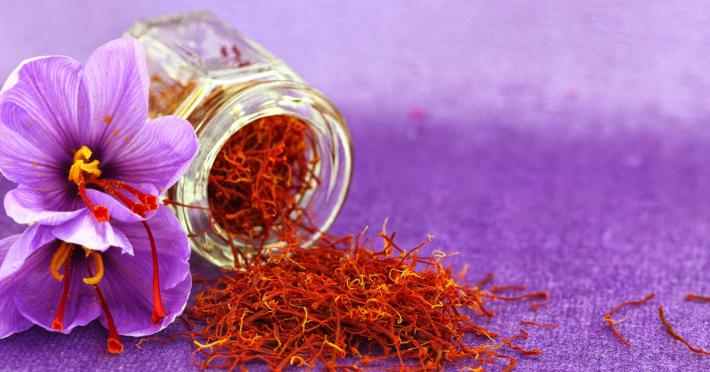
The Crocus sativus plant, which is used to make saffron, belongs to the Iridaceae genus of plants, which also contains irises. The saffron crocus is a perennial plant with fall flowers that emerges from a bulb.
Crocus sativus, commonly known as saffron crocus, or autumn crocus, is a species of flowering plant of the Crocus genus in the iris family Iridaceae. It is best known for producing the spice saffron from the filaments that grow inside the flower.
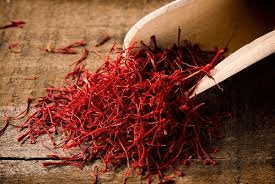
The dried, detached stigma of the saffron flower is where the spice actually originates. Along with cooking, dried stigmas play a significant role in the manufacturing of cosmetics, drugs, and textile dyes. The saffron flower is purple, while the color of the spice is a strong red.
When used orally as medicine for up to six weeks, saffron is often safe for the majority of people. Anxiety, altered appetite, tiredness, dry mouth, nausea, and headache are all potential adverse effects.
This herb may cause an allergic reaction. You can be allergic to saffron if you have allergies to plant species including Lolium, Olea (which includes olive), and Salsola. If you think you are having a severe allergic response, seek medical help.
High amounts of this spice are usually dangerous and may even result in poisoning, which can have very negative side effects like a yellow appearance to the skin and eyes, nausea, vomiting, bloody diarrhea, or bleeding from the nose, lips, and eyelids. Death may result from doses of 12 to 20 grams.
For pregnant women, saffron is not advised in quantities greater than those commonly present in food since excessive amounts may cause the uterus to contract and may result in a miscarriage.
If you are breastfeeding or receiving treatment for any medical illnesses, particularly bipolar disorder, low blood pressure, or a heart issue, consult your doctor before taking it therapeutically.
Combining it with additional herbs or supplements that have hypotensive properties may make hypotension more likely low blood pressure. Andrographis, casein peptides, cat’s claw, fish oil, CoQ10, L-arginine, stinging nettle, Lycium, and theanine are a few of these plants and supplements. Before taking saffron in addition to any other medications or supplements, speak with your doctor.
Read Also: 8 Amazing Health Benefits of Galangal (Alpinia galanga)
5 Amazing Health Benefits of Saffron (Crocus sativus L.)
1. Boosts Cardiovascular Health
Recent research indicates that the components of saffron hold considerable promise for supporting a healthy cardiovascular system.
Researchers were interested in learning how this herb affected individuals with metabolic syndrome’s antibody titers to heat shock proteins (HSPs) 27, 60, and 70, which are particularly strongly connected to metabolic syndrome and atherosclerosis.
In a study with 105 people who had been diagnosed with metabolic syndrome, the levels of the heat shock proteins 27, 60, 65, and 70 were examined.
The individuals were divided into two groups at random and given 100 milligrams of saffron or a placebo every day. The saffron group’s levels of antibodies to heat shock proteins 27 and 70 significantly decreased after three months.
2. Soothes Erectile Dysfunction
More than 150 million men throughout the world suffer from erectile dysfunction (ED). Saffron is considered to be an aphrodisiac in traditional medicine. Its chemical component crocin is thought to be responsible.
20 male volunteers with ED underwent a 10-day evaluation as part of a pilot study to assess this traditional use. The subjects took a saffron supplement every morning that contained 200 mg of this spice.
At the beginning of supplementation and at the conclusion of 10 days, subjects conducted the nocturnal penile tumescence test and the IIEF-15 international index of erectile function questionnaire.
Both tip tumescence and rigidity and base tumescence and rigidity improved statistically significantly after the 10 days of supplementation. After individuals took this herb as a supplement, their overall ILEF-15 scores considerably improved.
After taking it for 10 days, men with erectile dysfunction reported longer erections and more of them, which was indicative of a good effect on sexual function. As a result, this ancient spice may also function as a complimentary treatment for impotence.
3. Anticancer
The main cause of death in the modern world is cancer. Because of its anticancer properties, the medicinal plant saffron has the potential as a natural cancer treatment. The impact of the spice on individuals with cancer who had liver metastases was examined in a randomized, double-blind clinical trial that was published online.
The study included 13 patients, who were split into two groups after being diagnosed with liver metastases. Chemotherapy treatments were given to both groups. In contrast to group 2, which received a placebo throughout chemotherapy, participants in group 1 received a saffron pill (50 milligrams, twice daily).
Read Also: 11 Amazing Health Benefits of Ginger
4. Promotes Weight Loss And Satiety
As one of the many benefits of saffron, experts were interested in learning more about this herb’s ability to make people feel full. Without imposing any dietary limitations, they offered the female subjects two capsules of Satiereal or an inactive placebo each day.
After two months, those taking the saffron extract reported less snacking and had shed more pounds than those in the control group.
The researchers come to the conclusion that saffron extract, by reducing appetite and encouraging weight loss, may aid metabolic processes and battle obesity.
5. Improves Anxiety and Depression
With estimates of lifetime prevalence as high as 21% of the general population in certain developed nations, depression is a major condition in today’s society.
In a six-week clinical trial, researchers sought to evaluate the effectiveness of saffron, a plant used therapeutically in Persian traditional medicine to treat depression, in the management of mild to moderate depression.
The experiment included thirty adult outpatients who passed the clinical interview for depression. At least 18 on the Hamilton Rating Scale for Depression was the participant’s initial score.
Participants in this single-center, double-blind trial were randomized to receive either a capsule containing the antidepressant imipramine or a capsule containing the herb (30 mg daily) for the duration of the six-week investigation.
Read Also: 8 Amazing Health Benefits and Risks of Broccoli
Scientific Evidence and Case Studies on Saffron (Crocus sativus L.)
1. Mild to Moderate Depression: A randomized, double-blind study by Akhondzadeh et al. compared the efficacy of saffron stigma to fluoxetine (Prozac) in the treatment of mild to moderate depression. The results indicated that saffron was as effective as fluoxetine in reducing symptoms of depression after six weeks, with the added benefit of having fewer sexual side effects compared to the pharmaceutical drug.
2. Alzheimer’s Disease and Cognitive Function: Research conducted by Akhondzadeh et al. evaluated the efficacy of saffron extract versus donepezil (a common Alzheimer’s medication) in patients with mild-to-moderate Alzheimer’s disease. The study found that saffron was equally effective as donepezil in improving cognitive function and reducing clinical symptoms after 22 weeks, but with a significantly lower frequency of vomiting and adverse events.
3. Premenstrual Syndrome (PMS): A double-blind, placebo-controlled trial by Agha-Hosseini et al. investigated the effect of saffron on the symptoms of PMS in women with regular menstrual cycles. The findings demonstrated that women taking saffron supplementation experienced a significant reduction in the severity of PMS symptoms (such as mood swings and cramps) and depression compared to the placebo group.
4. Age-Related Macular Degeneration (AMD): A clinical study by Falsini et al. assessed the effect of short-term saffron supplementation on retinal flicker sensitivity in early AMD. The results showed that saffron intake significantly improved retinal flicker sensitivity (a marker of retinal function), suggesting that the carotenoids in saffron may protect retinal cells from oxidative stress and slow the progression of the disease.
5. Sexual Dysfunction: An investigation by Modabbernia et al. examined the effect of saffron on fluoxetine-induced sexual dysfunction in men. The study revealed that men treated with saffron showed significant improvement in erectile function and overall sexual satisfaction scores compared to those who received a placebo.
Nutritional Value Of Saffron (Crocus sativus L.)
1. Crocin: This water-soluble carotenoid is responsible for saffron’s intense golden-yellow color. It acts as a powerful antioxidant that protects brain cells from degeneration, improves insulin sensitivity, and has demonstrated anti-tumor properties in various studies.
2. Picrocrocin: This compound is a monoterpene glycoside responsible for the distinct bitter taste of saffron. It stimulates digestion and is a precursor to safranal; nutritionally, it possesses anti-inflammatory properties and helps fight fatigue.
3. Safranal: Formed from the dehydration of picrocrocin during the drying process, safranal gives saffron its characteristic hay-like fragrance. It acts as a natural anticonvulsant and antidepressant by interacting with the GABAergic system in the brain.
4. Manganese: Saffron is an exceptionally rich source of manganese. This trace mineral is vital for regulating blood sugar, metabolizing carbohydrates, and absorbing calcium, as well as forming tissues and blood clotting factors.
5. Vitamin C (Ascorbic Acid): The stigmas contain Vitamin C, which is crucial for immune system function. It aids in the production of collagen, wound healing, and enhances the absorption of iron from other plant-based foods.
6. Kaempferol: A flavonoid found in the petals and stigmas of the flower. Kaempferol is known for its ability to reduce chronic inflammation and has been linked to a reduced risk of developing chronic diseases such as heart disease and cancer.
7. Potassium: Saffron provides potassium, an essential electrolyte. It helps maintain proper fluid balance in the body, supports nerve transmission, and helps regulate blood pressure by counteracting the effects of sodium.
Frequently Asked Questions About Saffron (Crocus sativus L.)
1. Why is saffron so expensive?
It is the most expensive spice in the world because each flower produces only three stigmas, which must be harvested carefully by hand; it takes roughly 75,000 flowers to produce just one pound of saffron.
2. How can I tell if my saffron is real?
Real saffron threads will color water yellow but remain red themselves; if the threads turn white or dissolve, or if the water turns red instantly (instead of gradually yellow), it is likely fake or dyed.
3. Can saffron help with weight loss?
Yes, studies suggest saffron can increase satiety (feeling full), reduce snacking behavior, and boost mood, which helps prevent emotional eating.
4. Is saffron safe during pregnancy?
Small culinary amounts are safe, but high medicinal doses (more than 5 grams) can stimulate uterine contractions and potentially cause miscarriage, so caution is advised.
5. What does saffron taste like?
It has a complex, nuanced flavor often described as slightly bitter, floral, honey-like, and earthy with a metallic hint.
6. Does saffron expire?
Dried saffron keeps its flavor for 2 to 3 years if stored in an airtight container in a cool, dark place, but it will lose its potency and aroma over time.
7. Can I eat saffron raw?
Yes, but the threads are usually steeped in warm water or milk first to release their flavor and color before being added to dishes.
8. Is saffron a drug?
No, it is a spice, but due to its potent bioactive compounds like crocin and safranal, it is often studied and used as a natural supplement for mood and health.
Do you have any questions, suggestions, or contributions? If so, please feel free to use the comment box below to share your thoughts. We also encourage you to kindly share this information with others who might benefit from it. Since we can’t reach everyone at once, we truly appreciate your help in spreading the word. Thank you very much for your support and for sharing!
Disclaimer: This article is for educational and informational purposes only. The health benefits described are based on scientific research and traditional knowledge. They ayre not a substitute for professional medical advice, diagnosis, or treatment. Always consult a healthcare professional before using any herb or natural remedy for medical purposes.
Read Also: Hydroponics Guide 101: All You Need to Know About it