


Sarsaparilla, also known by the species names Smilax Ornata, Smilax regalia, or Smilax Officinalis. A perennial vine that thrives in warm climates, such as those found in Central and South America and the southernmost states of the United States.
The plant belongs to the Smilacaceae plant family, which, according to studies, it has more than 300 different plant species. It is a member of the Liliaceae (lily) group of vines.
Indian sarsaparilla, also known as sugar di root, Nannari, or the immortal root (Hemidesmus Indicus), differs from “American sarsaparilla” and has certain unusual uses.
It has a long history of usage in the Indian herbal medical system known as Ayurveda, and it is regarded as a healthy digestive help, sexual tonic, sleep aid, and anti-inflammatory.
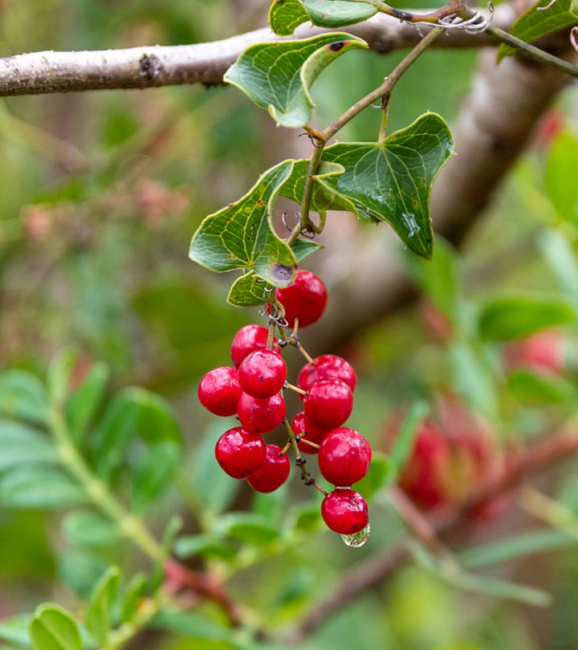
Wild sarsaparilla vines have starchy, eatable roots and can grow up to eight feet long. They also produce small berries that are edible to both humans and other animals, particularly birds.
The mild-tasting berries and leaves can also be eaten, however today the roots are far more frequently utilized to produce medicines than the berries are.
In the past, drinks, fermented snacks, and other goodies that were relished in locations like India and Latin America were all made using wild sarsaparilla plants, roots, vines, and berries.
For instance, the soft drink known as sarsaparilla—which is flavored with the plant’s root and is comparable to root beer—actually goes by that name.
Read Also: 6 Health Benefits of Vitex (Vitex agnus-catus)
5 Health Benefits of Sarsaparilla (Smilax Ornata)
1. Anticancer and Antitumor
Is sarsaparilla cancer-causing? On the contrary, some research has discovered that it contains at least 24 extracts that can aid with naturally treating or preventing cancer.
The plant’s abundance of naturally occurring steroids and saponins, which aid in the absorption of other medications or herbs, lessen their inflammatory effects, and have other anti-aging qualities, is thought to be the primary cause of most of the plant’s pharmacological advantages. Sarsaparilla plants found in the wild have these and other defensive compounds in their roots, stems, leaves, and fruits.
At least five steroidal saponins have been identified in this plant, including the two recently identified Furostanol saponins known as Sarsaparilloside B and Sarsaparilloside C.
Numerous other anti-inflammatories, antioxidant acids, oils, and compounds that reduce oxidative stress and have anti-aging properties can also be found in sarsaparilla.
According to research, the main bioactive substances found in wild sarsaparilla that cause apoptosis and have growth-inhibitory effects without harming healthy cells include flavonoids, alkaloids, and phenylpropanoids.
Read Also: 8 Health Benefits of Tumeric (Curcuma longa)
2. Natural Detoxifier
Sarsaparilla aids liver function in a number of ways, including by increasing sweat and urine production. It may be useful for reducing bloating, edema, and stomach puffiness as well as fluid retention. Traditional uses for sarsaparilla root teas included cleaning the blood, enhancing liver function and detoxifying the body of pollutants.
Through attaching to endotoxins in the GI tract, which are substances held inside cells (particularly bacterial cells) and released into the circulation to cause issues including liver illness, psoriasis, fevers, and inflammatory processes, sarsaparilla may promote detoxification, according to research.
Studies have shown that sarsaparilla’s antioxidants, acids, and plant sterols have hepatoprotective properties, protecting the liver from injury and disease.
By making endotoxins less absorbable in the gut, these substances present in medicinal herbs can act as significant therapeutic agents for eliminating endotoxins from the body. In the end, this aids in reducing tissue damage brought on by inflammatory reactions and free radical damage.
Astilbin (types of flavonoids) and smilagenin (types of saponins), two chemical substances, have been discovered in some studies to protect liver cells and to be helpful in reducing liver illness, the growth of cancer cells, and other toxicity-related issues.
3. Helps In Balancing Hormones
Due to its capacity to raise libido and decrease impotence, Smilax Ornata is a frequently used component in tinctures or supplements that naturally balance hormones.
Is sarsaparilla a testosterone booster? According to research, the saponins and plant steroids in sarsaparilla may assist to imitate the effects of natural growth hormones and reproductive hormones like estrogen and testosterone.
Although the plant itself does not contain growth hormones, by lowering inflammation and enhancing liver function, it may help control the synthesis of hormones. Secondary advantages include assistance with libido, sexual function, and muscle growth may result from this.
However, it has not been demonstrated that consuming sarsaparilla has anabolic effects, which could enhance muscular growth.
The capacity of saponins to lessen aging and menopause symptoms has led some to refer to them as natural steroids. Other herbal medicines with saponins, like fenugreek, are frequently used to lessen the side effects of falling reproductive hormones, including weight gain, impotence, muscle loss, brittle bones, and other unwanted effects. Results differ across individuals and between products.
Read Also: Health Benefits of Stubborn Grass (Sida Acuta)
4. Soothes Cough and Cold
There are various ways that sarsaparilla tinctures, teas, and supplements can help cure coughs, colds, and the flu, including preventing them from starting in the first place by boosting immune function and eradicating bacteria. Through mucolytic and/or cough reflex-inhibiting effects, they also relieve symptoms on their own.
Herbal remedies have historically been helpful for decreasing coughing frequency and/or severity as well as promoting mucus clearance, even though they can’t always treat serious conditions like bronchitis or chronic respiratory infections.
Phlegm and bacteria are more easily expelled from the body as a result of the impact that sarsaparilla’s antioxidants and anti-inflammatory chemicals have on rupturing mucus bonds and making mucus less sticky.
It can occasionally be beneficial for reducing nausea and assisting in the regulation of bowel movements while dealing with fevers or other infections that produce an unsettled stomach.
5. Skin Care
For skin diseases such as fungal infections, eczema, pruritus, rashes, and wounds, sarsaparilla is regarded as a reliable and secure folk therapy. Due to their antifungal, antibacterial, and anti-inflammatory properties, natural herbal remedies are valuable therapies for preventing complications since ailments like skin rashes, bites, and bacterial infections are frequent issues in developing and tropical nations.
Herbal therapies treat skin issues differently than drugs because they strengthen the host, as opposed to removing the vector or expression of the disease.
Sarsaparilla can aid in reducing skin swelling, itching, redness, peeling, and blotch formation. The active ingredients responsible for immunosuppressive actions and inhibition against activated T cells that induce skin inflammation have been discovered in certain investigations as astilbin flavonoid isolates obtained from the root of Smilax plants.
Sarsaparilla, when applied topically to the skin to cure psoriasis, was found to benefit over 40% of patients with their symptoms, according to early research from the 1940s.
Sarsaparilla was one of the most successful treatments for dermatophyte infections, which frequently affect populations living in third-world countries, according to a study that examined the effects of over 100 plants for treating bacterial skin infections. This is because of its fungicidal and fungistatic properties.
Read Also: 4 Health Benefits of Vervain (Verbena Officinalis)
Scientific Evidence and Case Studies on Sarsaparilla (Smilax ornata)
1. Psoriasis and Endotoxin Binding: A seminal open clinical trial conducted by Thurman et al. investigated the efficacy of sarsaparilla in treating patients with extensive psoriasis. The study found that sarsaparilla extracts significantly improved skin lesions in the majority of patients, attributing this effect to the plant’s saponins (sarsaponin), which have the unique ability to bind to and eliminate endotoxins in the intestinal tract that trigger skin inflammation.
2. Hepatoprotective (Liver) Effects: Research by Xia et al. evaluated the protective effects of Smilax saponins against immune-mediated liver injury in mice. The results demonstrated that the extract significantly reduced the levels of liver enzymes (ALT and AST) and suppressed inflammatory cytokines, suggesting that sarsaparilla possesses strong hepatoprotective properties and can modulate the immune system to prevent liver damage.
3. Anti-Inflammatory and Arthritis Management: An investigation by Jiang et al. analyzed the anti-inflammatory mechanisms of astilbin, a flavonoid isolated from Smilax species, in rats with adjuvant-induced arthritis. The findings revealed that the compound significantly inhibited the swelling of joints and reduced the erosion of cartilage, indicating its potential as a therapeutic agent for managing rheumatoid arthritis.
4. Anticancer Potential: A study by Sheu et al. examined the cytotoxic effects of extracts from Smilax rhizomes on various human cancer cell lines. The data indicated that specific saponins within the plant induced apoptosis (programmed cell death) in cancer cells without significantly harming normal cells, highlighting the plant’s potential role in cancer preventive therapies.
5. Syphilis and Antimicrobial Activity: Historical and modern reviews, including work by Xu et al., have documented the efficacy of sarsaparilla against spirochetes and other bacteria. While antibiotics have replaced it as a primary cure, studies confirm that its bioactive compounds inhibit bacterial growth and enhance the bioavailability of other antimicrobials, validating its traditional use in treating sexually transmitted infections like syphilis.
Nutritional Value Of Sarsaparilla (Smilax ornata)
1. Sarsaponin (Saponins):
This is the most critical pharmacological constituent of the root. These steroid-like glycosides allow the body to absorb other drugs more easily (bioavailability enhancer) and are responsible for binding endotoxins in the gut to reduce systemic inflammation.
2. Smilagenin: A steroidal sapogenin found in the root. It serves as a precursor for the synthesis of various steroid hormones in the pharmaceutical industry and is believed to support hormonal balance within the body, which can help with menopausal symptoms and libido.
3. Flavonoids (Astilbin and Quercetin): Sarsaparilla is rich in flavonoids like astilbin. These compounds act as powerful antioxidants that protect the liver and kidneys from oxidative stress, reduce inflammation, and modulate the immune system’s response to allergens.
4. Phytosterols (Beta-Sitosterol): The root contains plant sterols such as beta-sitosterol. These compounds are structurally similar to cholesterol and help block its absorption in the digestive tract, potentially aiding in the maintenance of healthy blood cholesterol levels and prostate health.
5. Chromium: Sarsaparilla is a natural source of the trace mineral chromium. Chromium is essential for macronutrient metabolism and enhances the action of insulin, which helps regulate blood sugar levels and may support weight management.
6. Starch: The root is highly fibrous and starchy. While not a “nutrient” in the medicinal sense, this complex carbohydrate content provides a source of energy and acts as a prebiotic, feeding beneficial bacteria in the gut microbiome.
7. Iron: The dried root provides dietary iron. Iron is a vital mineral required for the formation of hemoglobin in red blood cells, ensuring efficient oxygen transport throughout the body to prevent fatigue and anemia.
Frequently Asked Questions About Sarsaparilla (Smilax ornata)
1. Is sarsaparilla the same as Sassafras?
No, sarsaparilla (Smilax ornata) is a vine used for skin and hormone health, while Sassafras is a tree root historically used for root beer but banned due to safrole content; sarsaparilla does not contain safrole.
2. Does sarsaparilla contain testosterone?
No, while it contains plant sterols that were once used to synthesize synthetic testosterone in labs, the plant itself does not contain human testosterone, nor does it act as a direct steroid in the body.
3. What does sarsaparilla taste like?
It has a sweet, vanilla-like, and slightly medicinal flavor with notes of wintergreen and licorice, which made it the original flavor profile for old-fashioned root beers and tonics.
4. Can sarsaparilla cure psoriasis?
While not a “cure,” it is one of the few herbs with clinical evidence supporting its ability to significantly reduce lesion severity and irritation by eliminating gut endotoxins.
5. Is sarsaparilla safe during pregnancy?
No, it is generally advised to avoid medicinal doses during pregnancy and breastfeeding due to its potential to alter hormone levels and lack of sufficient safety data.
6. Does sarsaparilla interact with medications?
Yes, because sarsaponins increase the absorption of other substances in the gut, it can dangerously increase the potency and side effects of certain medications (the “herb-drug interaction” effect).
7. Is sarsaparilla a diuretic?
Yes, it promotes urination and sweating, which is why it was traditionally used as a “blood purifier” or alterative to help the body eliminate toxins.
8. How is sarsaparilla typically consumed?
It is usually consumed as a tea (decoction) made by boiling the chopped root, or as a tincture (alcohol extract) for more concentrated medicinal effects.
Do you have any questions, suggestions, or contributions? If so, please feel free to use the comment box below to share your thoughts. We also encourage you to kindly share this information with others who might benefit from it. Since we can’t reach everyone at once, we truly appreciate your help in spreading the word. Thank you very much for your support and for sharing!
Disclaimer: This article is for educational and informational purposes only. The health benefits described are based on scientific research and traditional knowledge. They ayre not a substitute for professional medical advice, diagnosis, or treatment. Always consult a healthcare professional before using any herb or natural remedy for medical purposes.
Read Also: Complete Steps in Aluminum Recycling Guide