


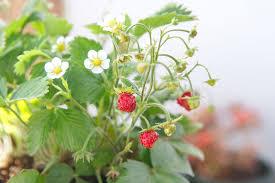
Fragaria vesca, commonly known as wild strawberry, is a delightful and vibrant plant that not only graces our natural landscapes but also offers an array of medicinal health benefits. This unassuming plant, belonging to the Rosaceae family, has been treasured for centuries due to its remarkable properties. Let’s delve into the rich history and explore the incredible medicinal health benefits of Fragaria vesca.
The Botanical Description of Fragaria Vesca
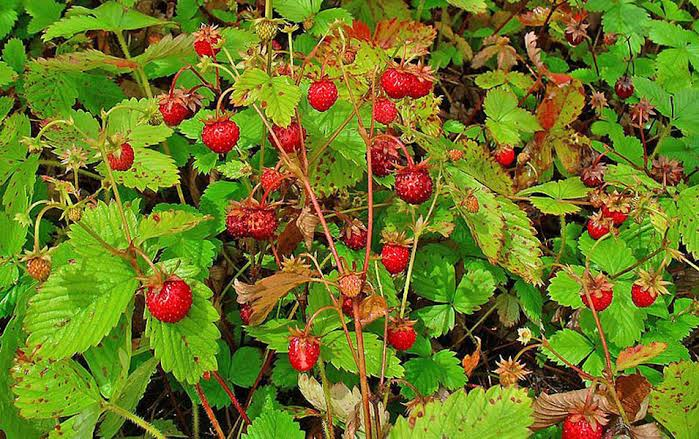
1. Plant Structure: Fragaria vesca typically grows low to the ground, forming dense green mats of trifoliate leaves. The leaves are toothed at the edges and coated with fine hairs, giving them a slightly fuzzy texture. This unique structure aids in its identification in the wild.
2. Flowers: The plant produces delicate white flowers with five petals and a yellow center. These flowers, with their sweet fragrance, attract pollinators like bees and butterflies, contributing to the plant’s reproductive success.
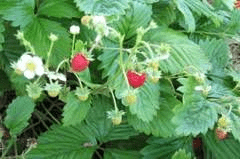
3. Fruit: The most recognizable feature of Fragaria vesca is its small, red, and incredibly flavorful berries. These berries are not only delicious but also packed with nutrients and medicinal compounds. They are easily distinguishable from cultivated strawberries due to their size and intense flavor.
4. Habitat: Wild strawberries thrive in various habitats, including woodlands, meadows, and gardens. They prefer well-drained soil and can tolerate both sunny and partially shaded areas. This adaptability allows them to grow in diverse environments.
5. Propagation: Fragaria vesca reproduces via runners, sending out stems that root and give rise to new plants. This natural method of propagation allows it to cover large areas, forming beautiful strawberry patches.
The Geographic Distribution of Fragaria Vesca
Fragaria vesca has a wide geographic distribution, spanning across several continents. Its presence is notable in:
Europe: Wild strawberries are native to Europe and can be found in various countries across the continent. They often thrive in temperate regions and are a common sight in woodlands and meadows.
Asia: Fragaria vesca extends its range into parts of Asia, including countries like Russia, China, and Japan. In these regions, it adapts to varying climate conditions.
North America: The plant has established itself in North America, particularly in the United States and Canada. It can be found in both eastern and western parts of the continent.
Africa: Fragaria vesca is also present in certain parts of Africa, although its distribution on the continent is more limited compared to other regions.
The Chemical Composition of Fragaria Vesca
The chemical composition of Fragaria vesca is a key factor in its medicinal properties. The plant contains a variety of compounds, including:
1. Anthocyanins: These are responsible for the vibrant red color of the berries. Anthocyanins are potent antioxidants known for their ability to combat oxidative stress and inflammation.
2. Vitamin C: Wild strawberries are rich in vitamin C, which is essential for immune function and collagen production. It also contributes to the plant’s antioxidant properties.
3. Flavonoids: Fragaria vesca contains flavonoids like quercetin and kaempferol, which have anti-inflammatory and anti-cancer properties.
4. Ellagic Acid: This compound is associated with various health benefits, including anti-cancer effects and protection against UV radiation damage.
5. Fiber: Wild strawberries are a good source of dietary fiber, promoting digestive health and aiding in weight management.
The Harvesting and Processing of Fragaria Vesca
The harvesting and processing of Fragaria vesca require careful attention to maintain the plant’s medicinal properties:
1. Harvesting: Wild strawberries should be harvested when they are fully ripe. They are delicate and should be handled with care to avoid bruising.
2. Processing: The berries can be consumed fresh or processed into various products such as jams, jellies, and syrups. To preserve their health benefits, minimal processing is preferred, as excessive heat can degrade some of the beneficial compounds.
3. Drying: Drying wild strawberries can extend their shelf life while retaining some of their nutritional value. However, this should also be done at low temperatures to prevent nutrient loss.
4. Culinary Use: Fragaria vesca is a versatile ingredient in culinary applications. Its berries add a delightful flavor to salads, desserts, and beverages.
Read Also: 26 Medicinal Health Benefits Of Anagyris foetida (Stinking Bean)
The Medicinal Health Benefits Of Fragaria Vesca (Wild Strawberry)
Fragaria vesca offers a wide range of medicinal health benefits:
1. Anti-Inflammatory Properties: The presence of flavonoids and ellagic acid in wild strawberries helps reduce inflammation in the body, potentially alleviating symptoms of conditions like arthritis.
2. Immune Boosting: High vitamin C content enhances the immune system’s function, aiding in the body’s defense against infections.
3. Antioxidant Power: Anthocyanins and other antioxidants combat oxidative stress, reducing the risk of chronic diseases such as heart disease and cancer.
4. Skin Health: The application of wild strawberry extracts can promote healthy skin due to their antioxidant and anti-aging properties.
5. Digestive Health: Dietary fiber in wild strawberries supports digestion and helps maintain a healthy gut.
The Methods of Usage to Achieve the Provided Health Benefits Of Fragaria Vesca (Wild Strawberry)
To harness the health benefits of Fragaria vesca, various methods of usage can be employed:
1. Fresh Consumption: Eating ripe wild strawberries as a part of your daily diet is a simple way to enjoy their benefits. You can add them to cereal, yogurt, or simply savor them as a snack.
2. Homemade Jams: Prepare homemade wild strawberry jams or preserves to enjoy their flavor and benefits year-round. Minimal cooking is recommended to retain nutrients.
3. Herbal Teas: Infusing dried wild strawberry leaves into herbal teas can provide a soothing beverage with potential health advantages.
4. Topical Applications: Some skincare products incorporate wild strawberry extracts for their antioxidant and skin-nourishing properties.
5. Dietary Supplements: Wild strawberry supplements, such as capsules or powders, are available for those seeking a concentrated dose of its healthful compounds.
The Side Effects Of Using Fragaria Vesca Medicinal Plant
While Fragaria vesca is generally considered safe for consumption and topical use, there can be some side effects, especially in sensitive individuals. These may include:
1. Allergic Reactions: Some individuals may be allergic to strawberries, leading to itching, rash, or digestive discomfort.
2. Gastrointestinal Issues: Consuming large quantities of wild strawberries may cause gastrointestinal upset, including diarrhea or abdominal pain.
3. Interactions with Medications: Wild strawberries may interact with certain medications, so it’s advisable to consult a healthcare professional if you’re taking medication regularly.
4. Skin Sensitivity: Applying wild strawberry extracts directly to the skin may cause irritation in individuals with sensitive skin.
5. Weight Gain: Excessive consumption of sweetened wild strawberry products, like jams, may contribute to weight gain due to added sugars.
6. Dental Health: The natural
sugars in wild strawberries may contribute to dental issues if consumed in excess without proper oral care.
7. Oxalate Content: Wild strawberries contain oxalates, which, when consumed in large quantities, can contribute to kidney stone formation in susceptible individuals.
8. Pregnancy and Breastfeeding: Pregnant or breastfeeding women should consume wild strawberries in moderation and consult with a healthcare provider.
9. Medication Interaction: Wild strawberries may interact with certain medications, potentially altering their effectiveness. Consult a healthcare professional if you’re on medication.
10. Pollen Allergies: Individuals with pollen allergies may experience cross-reactivity with wild strawberries, leading to allergic reactions.
Read Also: 26 Medicinal Health Benefits Of Anagyris foetida (Stinking Bean)
The Scientific Research and Studies of Fragaria Vesca (Wild Strawberry)
Scientific research and studies on Fragaria vesca have explored its various properties and potential health benefits. Here are 12 notable findings:
1. Antioxidant Activity: Studies have confirmed the high antioxidant activity of wild strawberries, highlighting their potential in combating oxidative stress and related diseases.
2. Anti-Inflammatory Effects: Research has shown that components of Fragaria vesca possess anti-inflammatory properties, which can be beneficial in managing inflammatory conditions.
3. Anticancer Potential: Some studies suggest that wild strawberries may have anticancer properties due to their rich content of antioxidants and phytochemicals.
4. Immune System Support: The high vitamin C content in wild strawberries has been associated with enhanced immune system function.
5. Skin Protection: Topical applications of wild strawberry extracts have demonstrated protective effects against UV radiation and skin aging.
6. Cardiovascular Health: Research indicates that the consumption of wild strawberries may contribute to improved heart health by reducing the risk of cardiovascular diseases.
7. Gastrointestinal Health: The dietary fiber in wild strawberries supports digestive health by promoting regular bowel movements.
8. Neuroprotective Effects: Some studies suggest that Fragaria vesca may have neuroprotective properties, potentially benefiting brain health.
9. Weight Management: The fiber content in wild strawberries can aid in weight management by promoting a feeling of fullness.
10. Anti-Arthritic Effects: Research has explored the potential of Fragaria vesca in reducing symptoms associated with arthritis and joint inflammation.
11. Antimicrobial Properties: Wild strawberry extracts have exhibited antimicrobial activity against certain bacteria and fungi.
12. Wound Healing: Preliminary research indicates that wild strawberry extracts may have wound-healing properties.
The Safety Precautions and Recommendations In Using Fragaria Vesca (Wild Strawberry) Medicinal Plant
While Fragaria vesca is generally safe, it’s essential to follow safety precautions and recommendations when using it for medicinal purposes:
1. Allergy Testing: If you’re unsure about your sensitivity to strawberries, conduct a patch test before using wild strawberry extracts on your skin or consuming them.
2. Moderation: Consume wild strawberries in moderation, as excessive intake may lead to gastrointestinal discomfort.
3. Medication Consultation: If you’re taking medication, consult with a healthcare provider to ensure there are no interactions with Fragaria vesca.
4. Dental Care: Practice good dental hygiene when consuming wild strawberries, as their natural sugars can contribute to tooth decay.
5. Avoid Overprocessing: When preparing wild strawberry products, avoid excessive heat or processing to retain their beneficial compounds.
6. Pregnancy and Breastfeeding: Pregnant and breastfeeding women should use Fragaria vesca cautiously and consult with a healthcare provider.
7. Kidney Stones: Individuals prone to kidney stones should consume wild strawberries in moderation due to their oxalate content.
8. Pollen Allergies: Those with pollen allergies should be cautious when consuming wild strawberries due to the potential for cross-reactivity.
9. Store Safely: Store wild strawberry products properly to prevent spoilage and maintain their quality.
10. Herbal Interactions: Be aware of potential interactions between Fragaria vesca and other herbs or supplements you may be taking.
11. Topical Use: If using wild strawberry extracts topically, perform a patch test to check for skin sensitivity.
12. Seek Professional Guidance: When using Fragaria vesca for specific health concerns, seek guidance from a qualified herbalist or healthcare provider.
FAQs About Fragaria Vesca (Wild Strawberry) Medicinal Plant
Here are 23 frequently asked questions about Fragaria vesca:
1. Is Fragaria vesca the same as cultivated strawberries?
No, Fragaria vesca is a different species known as wild strawberry.
2. What are the key medicinal compounds in Fragaria vesca?
Key compounds include antioxidants, vitamin C, flavonoids, and ellagic acid.
3. Can Fragaria vesca help with arthritis?
Some studies suggest it may have anti-inflammatory properties that could benefit arthritis sufferers.
4. How can I include wild strawberries in my diet?
You can eat them fresh, make jams, or use them in salads and desserts.
5. Are there any known drug interactions with Fragaria vesca?
It may interact with certain medications, so consult your healthcare provider.
6. Is Fragaria vesca safe for children to consume?
In moderation, it’s generally safe for children, but consult a pediatrician for specific guidance.
7. Can Fragaria vesca help with weight loss?
The dietary fiber can aid in weight management by promoting fullness.
8. Is it safe to use Fragaria vesca extracts on the skin?
Conduct a patch test to check for skin sensitivity before use.
9. Can Fragaria vesca be used during pregnancy?
Pregnant women should use it cautiously and consult a healthcare provider.
10. Does Fragaria vesca have any known side effects?
– Some individuals may experience allergies, digestive discomfort, or skin sensitivity.
11. Can Fragaria vesca be used to make herbal teas?
Yes, dried wild strawberry leaves can be used for herbal teas.
12. Are wild strawberries a good source of vitamin C?
Yes, they are rich in vitamin C, which supports the immune system.
13. Are there any known skin benefits of Fragaria vesca?
Topical applications may offer antioxidant and anti-aging benefits for the skin.
14. Can Fragaria vesca help with digestive issues?
The dietary fiber in wild strawberries may support digestive health.
15. How should Fragaria vesca supplements be taken?
Follow the recommended dosage instructions on the product label.
16. Can Fragaria vesca be used to make natural cosmetics?
Yes, it can be used in the formulation of skincare products.
17. Is Fragaria vesca linked to improved heart health?
Some studies suggest it may contribute to better cardiovascular health.
18. What is the best time to harvest wild strawberries?
They should be harvested when fully ripe, typically in late spring or early summer.
19. Can Fragaria vesca be used for wound healing?
Preliminary research indicates potential wound-healing properties.
20. Are there any contraindications for Fragaria vesca use?
Avoid if you have a known allergy to strawberries or a history of kidney stones.
Do you have any questions, suggestions, or contributions? If so, please feel free to use the comment box below to share your thoughts. We also encourage you to kindly share this information with others who might benefit from it. Since we can’t reach everyone at once, we truly appreciate your help in spreading the word. Thank you very much for your support and for sharing!
Disclaimer: This article is for educational and informational purposes only. The health benefits described are based on scientific research and traditional knowledge. They are not a substitute for professional medical advice, diagnosis, or treatment. Always consult a healthcare professional before using any herb or natural remedy for medical purposes.
Read Also: What You Should Know Before Buying a Farm