


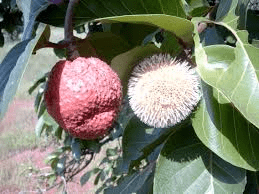
Motandra guineensis, commonly referred to as African Peach or African Plum, is a captivating tree species that belongs to the Chrysobalanaceae family. Native to the tropical regions of Africa, this tree showcases distinctive botanical features that contribute to its unique identity and potential medicinal applications.
Motandra guineensis is a small to medium-sized tree that typically reaches heights of 10 to 20 meters. It boasts a well-defined and symmetrical crown with an open canopy, providing a visually appealing aspect. The tree’s branches extend horizontally, forming a graceful and balanced silhouette.
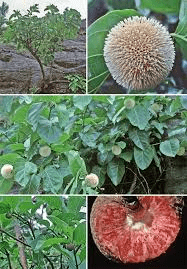
The elliptical leaves of Motandra guineensis exhibit a glossy appearance and a deep green color. They are arranged alternately along the branches and are characterized by prominent veins that enhance their texture. The leaves contribute to the tree’s overall aesthetic and serve as a vital element in the tree’s lifecycle through photosynthesis.
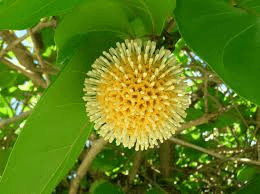
Motandra guineensis produces small, greenish-white flowers that are borne in clusters. These flowers are relatively inconspicuous but play a crucial role in the tree’s reproductive cycle. They contain reproductive structures, including stamens and pistils, essential for pollination and subsequent fruit formation.
One of the most notable features of Motandra guineensis is its fruit, often referred to as the African Peach. The fruit is spherical, measuring about the size of a plum. When ripe, its color transitions from green to a vibrant yellow hue. The African Peach’s outer skin is smooth, and the fruit’s flesh is juicy and succulent. The pulp encapsulates the seeds and is the primary edible part of the fruit.
The bark of Motandra guineensis is characterized by its rough texture and a range of colors, including shades of brown and gray. Traditional uses of the bark involve extracting compounds with potential medicinal properties, such as anti-inflammatory and wound-healing effects.
Motandra guineensis thrives in humid and tropical climates, making it well-suited to regions of Africa. It is found in various parts of the continent, including West Africa, Central Africa, and the Congo Basin. The tree’s adaptability to these environments contributes to its wide distribution and accessibility for those seeking its medicinal benefits.
Read Also: 8 Medicinal Health Benefits of Cinnamomum Malabatrum (Malabar Cinnamon)
The Medicinal Health Benefits of Motandra guineensis (African Peach)
1. Digestive Support: The fruit of Motandra guineensis is rich in dietary fiber, which aids in promoting healthy digestion. Fiber adds bulk to stool, facilitating its movement through the digestive tract and preventing constipation. Additionally, the fruit’s natural enzymes can contribute to improved digestion and nutrient absorption, supporting gastrointestinal health.
2. Anti-Inflammatory Properties: Both the bark and leaves of Motandra guineensis contain compounds with potent anti-inflammatory effects. These compounds can help alleviate inflammation-related discomfort, such as joint pain and swelling. Regular consumption or application of preparations made from these parts of the plant may provide relief to individuals suffering from inflammatory conditions.
3. Antioxidant Defense: Motandra guineensis is a rich source of antioxidants, including vitamin C and phenolic compounds. Antioxidants play a crucial role in neutralizing harmful free radicals in the body, which can lead to oxidative stress and contribute to chronic diseases. By consuming Motandra guineensis, you can help bolster your body’s antioxidant defense and potentially reduce the risk of various health issues.
4. Immune System Support: Traditionally, Motandra guineensis has been used as an immune booster. The plant’s bioactive compounds have the potential to enhance the immune system’s function, making the body more resilient against infections and diseases. Including Motandra guineensis in your diet or using its extracts may contribute to overall immune health.
5. Wound Healing Assistance: The bark and leaves of Motandra guineensis possess antimicrobial properties that make them beneficial for wound healing. These properties can help prevent infections in wounds and support the natural healing process. Applying extracts or ointments made from these plant parts to minor cuts and wounds may aid in quicker and more effective healing.
The Methods of Usage to Achieve the Provided Health Benefits of Motandra guineensis (African Peach)
1. Fruit Consumption: Enjoying the ripe African Peaches as a tasty and nutritious snack is one of the simplest ways to tap into the plant’s medicinal benefits. The fruit’s dietary fiber supports digestion by promoting regular bowel movements and preventing constipation. Additionally, the antioxidants present in the fruit contribute to overall health by neutralizing harmful free radicals in the body.
2. Herbal Teas: Creating herbal teas from the bark or leaves of Motandra guineensis is an excellent way to derive its medicinal properties. To make a herbal infusion, boil water and pour it over a small amount of dried bark or leaves. Allow the mixture to steep for about 10 to 15 minutes. Strain the liquid and enjoy your herbal tea. These teas can be consumed regularly to benefit from the anti-inflammatory and immune-boosting properties of the plant.
3. Poultices and Topical Applications: For wound healing and localized discomfort, you can create poultices or topical applications using Motandra guineensis. Crush fresh leaves or bark into a paste. Apply the paste directly to minor cuts, wounds, or areas with inflammation.
Cover the area with a clean cloth and leave the poultice on for a specified period. Remove and rinse the area gently with water. The antimicrobial and anti-inflammatory properties of the plant can aid in wound healing and provide relief from discomfort.
4. Dietary Supplements: If Motandra guineensis is not readily available in your region, you might find dietary supplements containing extracts from the plant. These supplements are designed to provide concentrated doses of the plant’s beneficial compounds. However, it’s important to choose reputable sources and consult with a healthcare professional before adding supplements to your routine.
5. Culinary Applications: In regions where Motandra guineensis is commonly grown, the fruit can be incorporated into culinary dishes. It can be used in jams, jellies, sauces, and desserts, adding both flavor and nutrition to your meals.
6. Skin Care Products: Extracts from Motandra guineensis may also be found in natural skincare products such as creams, lotions, and balms. These products can offer benefits like soothing irritated skin and supporting overall skin health.
7. Tinctures and Extracts: Tinctures and liquid extracts are concentrated forms of the plant’s active compounds. These can be added to beverages or taken directly for a more potent dose of the plant’s medicinal benefits.
8. Traditional Preparations: Explore traditional medicinal practices in regions where Motandra guineensis is native. Local healers might have specific methods for preparing and using the plant to address various health concerns.
Read Also: A Guide to Growing and Caring for Peanut Grass (Arachis Pintoi)
The Side Effects of Using Motandra guineensis Medicinal Plant
1. Gastrointestinal Discomfort: The high dietary fiber content found in the fruit of Motandra guineensis can have a positive impact on digestion by promoting regular bowel movements. However, excessive consumption of fiber-rich foods can lead to gastrointestinal discomfort, including bloating, gas, and stomach cramps. It’s advisable to introduce the fruit gradually into your diet to allow your digestive system to adjust.
2. Allergic Reactions: Individuals with a history of allergies, especially to certain plants or fruits, should exercise caution when consuming or using products containing Motandra guineensis. Allergic reactions might manifest as skin rashes, itching, swelling, or even respiratory symptoms. If you suspect an allergic reaction, discontinue use and seek medical attention if symptoms are severe.
3. Interaction with Medications: Herbal remedies, including Motandra guineensis, can interact with certain medications. If you are taking prescription medications or have underlying medical conditions, consult a healthcare professional before incorporating the plant into your routine. There is a possibility of herb-drug interactions that could affect the efficacy or safety of your medications.
4. Excessive Consumption: While Motandra guineensis has numerous health benefits, consuming it in excessive amounts might lead to unintended health issues. Overconsumption of the fruit’s fiber, for instance, can cause gastrointestinal discomfort or interfere with nutrient absorption. Always adhere to recommended serving sizes and consult with a healthcare professional if you have concerns.
5. Pregnancy and Breastfeeding: Pregnant and breastfeeding individuals should exercise caution when using herbal remedies, including Motandra guineensis. Limited research is available on the plant’s effects during pregnancy and lactation, so it’s best to avoid its use during these periods to ensure the safety of both the parent and the developing child.
6. Individual Sensitivity: People vary in their responses to herbal remedies, and what works well for one person may not have the same effect on another. Some individuals might experience digestive discomfort, mild headaches, or other reactions when using Motandra guineensis. It’s important to listen to your body and discontinue use if you experience any adverse effects.
7. Lack of Scientific Evidence: While Motandra guineensis has been used traditionally for its medicinal benefits, there might be a lack of robust scientific studies supporting its efficacy and safety. Depending solely on traditional knowledge might not provide a comprehensive understanding of potential risks and benefits.
8. Quality and Source: The quality and source of Motandra guineensis products can vary. Ensure that you obtain the plant or its products from reputable sources to minimize the risk of contamination or adulteration.
Nutritional Value of Motandra guineensis (African Peach)
1. Vitamin C: The fruit of Motandra guineensis is a good source of vitamin C, which supports immune function, promotes skin health by aiding collagen production, and acts as an antioxidant to combat free radicals.
2. Polyphenols: The leaves and fruit contain polyphenolic compounds, which have antioxidant properties that may reduce oxidative stress and inflammation, supporting overall cellular health.
3. Flavonoids: Flavonoids, particularly in the leaves, contribute to anti-inflammatory and antioxidant effects, potentially reducing the risk of chronic diseases, though not a primary nutrient.
4. Dietary Fiber: The fruit provides dietary fiber, aiding digestion, preventing constipation, and supporting gut health by promoting beneficial gut bacteria.
5. Carbohydrates: The fruit’s pulp is rich in carbohydrates, primarily natural sugars, providing a quick energy source, with a taste and texture similar to strawberries.
6. Tannins: Tannins in the leaves and bark may support digestion by binding proteins, but excessive amounts can reduce nutrient absorption, limiting their nutritional benefit.
7. Saponins: Saponins, present in the plant’s extracts, may support immune function and cholesterol regulation, though their nutritional role is minimal due to potential toxicity.
8. Alkaloids: Alkaloids in the leaves and bark have pharmacological effects, such as antimicrobial properties, but are not nutritionally significant and can be toxic in high doses.
9. Trace Minerals: The fruit may contain trace minerals like iron or potassium, though specific data is limited, supporting minor roles in blood circulation and heart health.
10. Water Content: The fruit’s juicy pulp has high water content, contributing to hydration and aiding in nutrient delivery, similar to other water-rich fruits.
Scientific Evidence and Case Studies on Motandra guineensis
1. Antiproliferative Potential: Oiseoghaede et al. (2024) studied the ethanol leaf extract of Motandra guineensis, finding antiproliferative activity against human melanoma (MDA-MB-435) and ovarian cancer (OVCAR3) cell lines. The butanol fraction showed the highest activity (30% and 23% cell death at 20 μg/ml), with low toxicity in Vero and murine macrophage cells compared to Tamoxifen, suggesting potential for cancer treatment. (Oiseoghaede, J. O., et al., 2024, Antiproliferative Potential of Ethanol Leaf Extract of Motandra guineensis (Thonn.) A.DC., Tropical Journal of Natural Product Research, 8(3)).
2. Hormonal and Metabolic Effects: Sowemimo et al. (2005) compared Motandra guineensis seed extracts to menstrogen in mid-gestational pregnant rabbits. The extract exhibited oestrogenic activity without abortifacient effects, suggesting potential for hormonal regulation, though specific health benefits require further study. (Sowemimo, A. A., et al., 2005, A comparison of the hormonal and metabolic effects of Motandra guineensis seed extracts and menstrogen on mid-gestational pregnant rabbits, Nigerian Journal of Health and Biomedical Sciences, 4(2), 134-138).
Frequently Asked Questions About Motandra guineensis
1. Is Motandra guineensis safe to eat?
The fruit is edible and consumed raw or in drinks, but leaves, bark, and seeds can be toxic and are used cautiously in traditional medicine.
2. What are the health benefits of Motandra guineensis?
The fruit provides vitamin C, fiber, and antioxidants, supporting immunity and digestion. Leaf extracts show antiproliferative and hormonal effects in studies.
3. How is Motandra guineensis used in traditional medicine?
Leaves, bark, and roots are used to treat eye infections, toothaches, headaches, and postpartum pain, often as decoctions or infusions.
4. Where does Motandra guineensis grow?
It is found in West and Central Africa, including Guinea, Nigeria, Cameroon, and Congo, in forests and savannahs from sea level to 1,200 meters.
5. Can the fruit be used in cooking?
Yes, the fruit’s red pulp is eaten raw, used in soft drinks, or dried into powder for beverages, with a strawberry-like taste.
6. Is Motandra guineensis toxic?
The fruit is safe, but leaves, bark, and seeds contain alkaloids and saponins that can be toxic if not properly prepared.
7. How does Motandra guineensis support digestion?
The fruit’s fiber aids digestion and prevents constipation, while tannins in the leaves may support gut health in small amounts.
8. Can Motandra guineensis help with cancer?
Leaf extracts show antiproliferative effects against melanoma and ovarian cancer cells in studies, but more research is needed for clinical use.
Do you have any questions, suggestions, or contributions? If so, please feel free to use the comment box below to share your thoughts. We also encourage you to kindly share this information with others who might benefit from it. Since we can’t reach everyone at once, we truly appreciate your help in spreading the word. Thank you very much for your support and for sharing!
Disclaimer: This article is for educational and informational purposes only. The health benefits described are based on scientific research and traditional knowledge. They are not a substitute for professional medical advice, diagnosis, or treatment. Always consult a healthcare professional before using any herb or natural remedy for medical purposes.
Read Also: Importance and Benefits of Smart Farming