


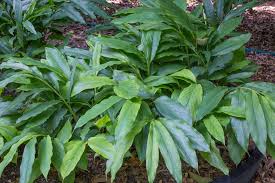
Cardamom (E. cardamomum or Elettaria cardamomum), commonly known as green or true cardamom refers to plants belonging to the ginger (Zingiberaceae) family’s Elettaria (green) and Amomum (black) genera.
It is indigenous to southern India’s wet woods. The fruit can be harvested from wild plants, although the majority is grown in Guatemala, India, and Sri Lanka.
By the beginning of the twenty-first century, Guatemala had overtaken all other countries as the world’s top producer of this spice, producing an average of 25,000 to 29,000 tons annually.
A German coffee farmer named Oscar Majus Kloeffer introduced the cardamom plant there in 1914. India used to be the world’s largest producer, but since 2000, it has dropped to second place.
It’s a common element in Scandinavian pastries as well as South Asian cuisine, particularly curries.
Sometimes the term is used to refer to commercial adulterants of real cardamoms or to other related ginger family spices (Amomum, Aframomum, Alpinia) that are used in Asian and African cuisines.
Describe the flavor of cardamom. It’s a distinctive and intricate blend that’s sometimes referred to as both savory and sweet.
The cells under the cardamom seed coat’s epidermis are where the cardamom essential oil is found. A seed’s cardamom oil concentration ranges from 2 to 10 percent, and its main ingredients are cineole and Terpinyl acetate.
The oil is utilized as a fragrance in perfumes, soaps, detergents, and other body care items in addition to giving medications their flavor.
Cardamom comes in three varieties: green, Madagascar, and black. For most recipes, green cardamom is used. The flavor is often robust, slightly sweet, and flowery.
Cardamom pods or capsules must be selected when they are three-quarters of the way ready because they ripen slowly.
The pods are then cleaned and dried after harvesting. The final color is determined by the drying process. The cardamom spice is made up of the three cardamom seeds that are found inside each pod.
Similar to real cinnamon and vanilla, high-quality cardamom can be an expensive spice to purchase, but it’s so pungent that most recipes only call for a teaspoon or less of it, so it will last a long time.
Read Also: 6 Health Benefits of Cat’s Claw (Uncaria tomentosa)
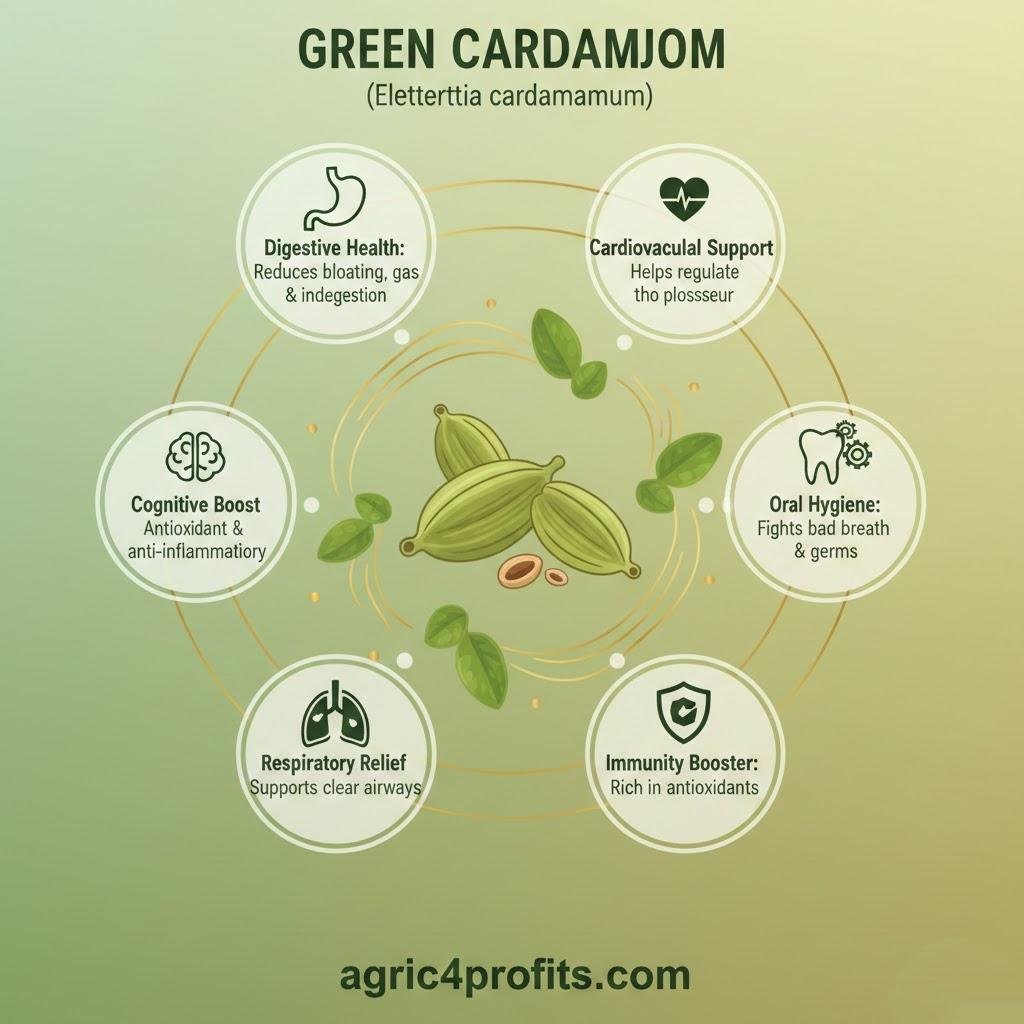
6 Health Benefits of Cardamom (E. cardamomum)
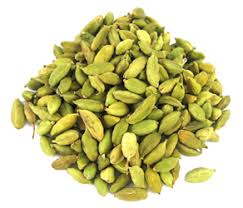
Both varieties of cardamom are used as cooking spices, flavorings for food and beverages, and medications. E. Cardamomum, also known as green cardamom, is smoked and used as a masticator and spice.
1. Helps Treat Cavities
Along with destroying the germs that cause foul breath, this spice may also help you avoid developing cavities on your teeth or even reverse tooth decay. It has all the astringent advantages of chewing gum but none of the drawbacks (like stickiness).
Chewing cardamom can help promote a cleansing salivary flow and kill oral bacteria in addition to mechanically cleaning your teeth thanks to the fibrous outer layer of the pod and its somewhat astringent but pleasant flavor.
2. Aids Cancer Treatment
Even when it comes to cancer, this regenerating plant shows potential as a natural cancer treatment. It can be utilized as a chemopreventive agent, or something that is used to suppress, postpone, or reverse the development of cancer, according to animal studies. Animal skin health improved, according to a 2012 study that was published in the Journal of Medicinal Food.
Researchers discovered that oral administration of cardamom powder significantly decreased the frequency and amount of malignancies. Cardamom may be useful as a chemopreventive agent for skin cancer with two stages, according to the study’s findings.
Generally speaking, this spice’s phytochemicals, like cineole and limonene, have demonstrated the capacity to act as preventatives against the spread of cancer.
3. Lowers Blood Pressure
You might be able to lower your blood pressure by using cardamom. Maintaining the health of your heart and kidneys depends on doing this.
Twenty newly diagnosed patients with primary stage 1 hypertension were evaluated in a study by the Indigenous Drug Research Center at the Department of Medicine at RNT Medical College in India. The results of the study were published in the Indian Journal of Biochemistry & Biophysics.
The outcomes were excellent. Cardamom not only assisted in lowering systolic, diastolic, and mean blood pressure, but it also resulted in a 90% rise in total antioxidant status after three months.
Read Also: 7 Health Benefits of Cilantro (Coriandrum sativum)
4. Enhances Oral Health
Cardamom already helps the hair and scalp, so why are we telling you that it also has a natural benefit for dental health? Absolutely! Cardamom spice’s health advantages also aid in preventing foul breath!
The essential oil of cardamom is what gives it its potent flavor and aroma. While the taste alone may help to stimulate your salivary production (preventing dental cavities), it also helps to give you fresher breath. If you combine cardamom with other breath-improving spices, like anise, it can be especially useful for treating foul breath.
After reading this, you could think about incorporating cardamom into your morning ritual because it will make you look (and smell) fantastic.
5. For Asthma
Moving from one system to the next, cardamom offers a further health advantage by assisting in the fight against asthma and associated symptoms, including coughing, wheezing, and shortness of breath.
The spice has anti-inflammatory and crude compounds that are beneficial to your respiratory system. Cardamom can naturally loosen mucous membranes and tracheal tissues, open previously closed windpipes, and enhance blood flow to the lungs.
Although further research on this particular health benefit of cardamom is still being conducted, experts are leaning more towards green cardamom for its potential help in treating other respiratory conditions outside asthma, such as bronchitis.
6. Anti-depressant
Cardamom has already impressed us with its ability to prevent cancer. There is a well-founded theory that cardamom also contains anti-depressant effects, so here is another health advantage for you!
Cardamom spice aids those who suffer from depression in two main ways. Simple cardamom seed boiling in water is one method. It is claimed to help you relax if you drink that mixture every day with your tea.
Cardamom has additional health benefits, including its ability to naturally alleviate sadness through aromatherapy. Headaches, anxiety, pain, and difficulty sleeping are just a few of the challenging physical issues that aromatherapy can treat.
Read Also: 8 Health Benefits of Black Cohosh (Cimicifuga Racemosa)
Nutritional value of Cardamom (Elettaria cardamomum)
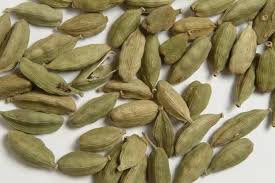
1. Dietary fiber: High content (around 28 g per 100 g), supporting digestive regularity, gut health, and satiety.
It promotes bowel movements and may aid in cholesterol management.
2. Potassium: Abundant (approximately 1,119 mg per 100 g), essential for fluid balance, nerve function, and blood pressure regulation.
This contributes to cardiovascular supportive effects.
3. Magnesium: Significant levels (about 229 mg per 100 g), aiding muscle relaxation, energy production, and bone health.
It supports metabolic and relaxation benefits.
4. Iron: Notable amount (around 14 mg per 100 g), crucial for oxygen transport and preventing anemia.
It enhances energy and blood health.
5. Calcium: Present in good quantities (about 383 mg per 100 g), supporting bone density and muscle function.
This bolsters skeletal strength.
6. Manganese: Key trace mineral acting as a cofactor in antioxidant enzymes.
It helps combat oxidative stress.
7. Carbohydrates: Around 68 g per 100 g, providing energy, though mostly complex with fiber.
They offer sustained release in small spice amounts.
8. Protein: Moderate (about 10-11 g per 100 g), contributing to tissue repair and satiety.
It adds to overall nutrient density.
9. Essential oils and volatile compounds (e.g., 1,8-cineole, alpha-terpinyl acetate): Provide aroma and bioactive properties with antimicrobial/antioxidant effects.
These are primary for therapeutic value.
10. Flavonoids and phenolic compounds (e.g., quercetin, caffeic acid): Potent antioxidants protecting cells from free radical damage.
They support anti-inflammatory and disease-preventive actions.
Cardamom is calorie-dense (around 311 kcal per 100 g) but used in small amounts as a spice, valued more for micronutrients, fiber, and phytochemicals than as a major food source.
Scientific Evidence and Case Studies on Cardamom (Elettaria cardamomum)
1. Verma et al. (2009): Blood pressure lowering, fibrinolysis enhancing, and antioxidant activities of cardamom in stage 1 hypertensive individuals.
Administration of 3 g cardamom powder daily for 12 weeks significantly reduced systolic/diastolic blood pressure, increased fibrinolytic activity, and improved antioxidant status.
2. Fatemeh et al. (2017): Effect of cardamom supplementation on serum lipids, glycemic indices, and blood pressure in overweight/obese pre-diabetic women (randomized controlled trial).
Cardamom improved some inflammation/oxidative stress parameters (e.g., reduced hs-CRP, MDA) and supported metabolic profiles.
3. Ashokkumar et al. (2020): Review of phytochemical composition and biological activities, including antimicrobial effects.
Essential oils (1,8-cineole, alpha-terpinyl acetate) showed activity against bacteria like Staphylococcus aureus and Escherichia coli (MIC 0.5-2 mg/mL).
4. Jamal et al. (2006): Antioxidant activity evaluation using DPPH assay.
Cardamom essential oil demonstrated significant free radical scavenging (IC50 30 µg/mL) due to phenolics.
5. Sengupta et al. (2015): Ethanolic extract in streptozotocin-induced diabetic rats.
Reduced blood glucose by 35% at 200 mg/kg and improved lipid profiles.
6. Souissi et al. (2020): Antibacterial and anti-inflammatory activities of extracts.
Fruit/seed extracts inhibited periodontal pathogens (e.g., Porphyromonas gingivalis) and reduced pro-inflammatory cytokines (IL-1β, TNF-α, IL-8) via NF-κB inhibition.
7. Yahyazadeh et al. (2021): Narrative review on effects in metabolic syndrome.
Cardamom showed beneficial impacts on diabetes, hyperlipidemia, obesity, hypertension via anti-inflammatory, antioxidant, hypoglycemic mechanisms.
8. Heydarian et al. (2024): Systematic review and meta-analysis of randomized clinical trials on inflammation and blood pressure.
Cardamom reduced hs-CRP, IL-6, TNF-α, systolic/diastolic blood pressure in adults with metabolic issues.
Studies provide strong preclinical evidence for antioxidant, anti-inflammatory, antimicrobial, antihypertensive, and metabolic benefits (e.g., glucose/lipid control, BP reduction) from essential oils and phenolics, with supportive human trials (often small-scale) showing improvements in inflammation, BP, and oxidative stress, though larger clinical data are needed for definitive recommendations.
Summary of Cardamom (Elettaria cardamomum)
| Aspect | Details |
|---|---|
| Plant Description | Perennial herbaceous plant in Zingiberaceae family, 2-4 m tall, long green leaves, small pale yellow tubular flowers; pods contain aromatic seeds; native to India, Bhutan, Nepal. |
| Key Compounds | Essential oils (1,8-cineole, alpha-terpinyl acetate), flavonoids (quercetin), phenolics (caffeic acid), terpenoids, tannins, dietary fiber, minerals (potassium, magnesium, iron, calcium). |
| Traditional Uses | Digestive aid (bloating, indigestion), oral hygiene, respiratory relief, diabetes/cardiovascular support, aphrodisiac, flavoring in teas/desserts/curries. |
| Health Benefits Listed | 14 benefits including digestive health, anti-inflammatory, antioxidant, blood pressure regulation, oral health, respiratory support; extends to metabolic syndrome management, anti-anxiety, blood sugar control, detoxification, weight aid. |
| Scientific Backing | Strong preclinical for antioxidant/antimicrobial/anti-inflammatory/metabolic effects; human trials support BP reduction, inflammation lowering, oxidative stress improvement; more large-scale RCTs needed. |
| Precautions | Rare allergies (rashes, anaphylaxis), GI distress in excess, medication interactions (BP/sugar/anticoagulants), caution in pregnancy/breastfeeding/hypotension/diabetes; consult professional. |
Frequently Asked Questions About Cardamom (Elettaria cardamomum)
1. What is cardamom mainly used for?
As a flavorful spice in cooking (curries, teas, desserts) and traditionally for digestive issues, bad breath, inflammation, blood pressure, and respiratory support.
2. Is cardamom the same as black cardamom?
No, green/true cardamom (Elettaria cardamomum) has small light-green pods with sweet aroma; black cardamom (Amomum subulatum) has larger dark pods with smoky flavor, used differently.
3. Can cardamom help lower blood pressure?
Yes, human studies show 3 g daily reduced systolic/diastolic BP and improved fibrinolysis/antioxidant status in hypertensives.
4. Does cardamom aid digestion?
Yes, its carminative properties and fiber help relieve bloating, gas, indigestion; traditionally used as tea post-meals.
5. Is cardamom good for oral health?
Yes, antimicrobial compounds fight bad breath bacteria; chewing seeds freshens breath and may reduce oral infections.
6. What are the main active compounds?
Essential oils (1,8-cineole, alpha-terpinyl acetate), flavonoids, phenolics, terpenoids responsible for antioxidant, anti-inflammatory, antimicrobial effects.
7. Can cardamom help with blood sugar or diabetes?
Animal studies show glucose reduction and lipid improvement; some human evidence supports metabolic benefits in pre-diabetics.
8. How is cardamom typically consumed?
Whole pods crushed for tea, seeds chewed, ground in cooking, essential oil in aromatherapy, or supplements; small amounts suffice.
9. Are there side effects of cardamom?
Generally safe in food amounts; excess may cause stomach upset, heartburn, allergies; potential interactions with BP/sugar meds; moderate use in pregnancy.
10. Does cardamom have antioxidant benefits?
Yes, strong free radical scavenging in studies due to phenolics/essential oils, potentially reducing oxidative stress and chronic disease risk.
Do you have any questions, suggestions, or contributions? If so, please feel free to use the comment box below to share your thoughts. We also encourage you to kindly share this information with others who might benefit from it. Since we can’t reach everyone at once, we truly appreciate your help in spreading the word. Thank you very much for your support and for sharing!
Disclaimer: This article is for educational and informational purposes only. The health benefits described are based on scientific research and traditional knowledge. They ayre not a substitute for professional medical advice, diagnosis, or treatment. Always consult a healthcare professional before using any herb or natural remedy for medical purposes.
Read Also: The Four (4) Forms of Complex Processes of Soil Formation