


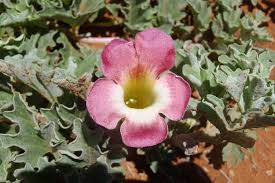
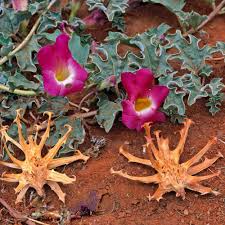
Devil’s Claw is scientifically known as Harpagophytum. This African native plant gets its name from the way its fruit looks, which is coated in hooks designed to cling to animals and disperse the seeds. Medicine is made from the plant’s tubers and roots.
According to anecdotal reports, devil’s claw may stimulate the production of stomach acid, so if you frequently get heartburn, this may be something to take into account.
Devil’s claw should not be consumed by anyone with heart conditions, hypertension, low blood pressure, diabetes, gallstones, or peptic ulcer disease. There is at least some proof that it might have an impact on certain ailments. Therefore, your doctor should keep a careful eye on you if you take devil’s claw and have one of these conditions.
Atherosclerosis, arthritis, gout, muscular pain (myalgia), back pain, tendinitis, chest discomfort, gastrointestinal (GI) distress or heartburn, fever, and migraine headaches are all treated with devil’s claw. It is also used to treat renal and bladder disorders, allergies, appetite loss, menstruation issues, labor difficulties, and other conditions.
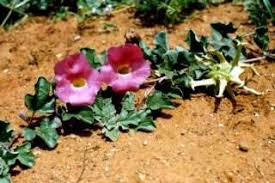
The name “devil’s claw” refers to the fruit’s pointy, pointed shape. In order to improve seed dissemination, it may grasp onto passing animals and other objects, earning it the nickname “grapple plant.” The plant’s stem, which can reach a maximum length of 6.5 feet (two meters), sprouts pink flowers and leaves.
The biological structure of devil’s claw is peculiar in that it develops from primary and secondary tubers. The secondary tubers, which can measure up to ten by two inches (25 x 6 cm), grow on the roots of the parent tubers.
Harpagoside, a monoterpene glucoside, is the main chemical assumed to be in charge of the anti-inflammatory properties of devil’s claw. Procumbide, harpagide, 8-para-coumaroyl-harpagide, and verbascoside are some more iridoid glycosides.
The roots are the main source of Harpagoside, and secondary tubers have twice as much of it as the major roots do. While traces of the substance have been recovered from the leaves, flowers, stems, and ripe fruits are essentially free of it.
Progressive hydrolysis of Harpagoside results in Harpagid and Harpagogenin. 1.4% to 2% of Harpagoside can be found in devil’s claw extract from commercial sources. Carbohydrates, flavonoids (such as kaempferol and luteolin), aromatic acids, phytosterols, and triterpenes are additional ingredients.
However, the potential negative consequences of the devil’s claw are not well known. The majority of publications advise against using it if you are expecting or nursing because the outcomes are unproven.
Read Also: 11 Health Benefits of Coriander (Coriandrum sativum L.)
6 Health Benefits of Devil’s Claw (Harpagophytum)
1. Weight Loss
Unexpectedly, this anti-inflammatory root might also provide a fresh strategy for weight loss. According to an Irish university study, devil’s claw can aid in reducing or even halting the synthesis of ghrelin. Those who struggle with overeating may discover that their appetites are reduced to a level closer to the average, which will help them lose weight.
By specifically suppressing inflammation, devil’s claw may also help persons who are obese prevent the hardening of the arteries that is associated with obesity, or atherosclerosis.
2. Natural Painkiller
While devil claw appears to reduce arthritis pain, it also has other pain-relieving properties. Devil’s claw, albeit little understood, has been shown to have few side effects in about 3% of patients and to reduce inflammation and inflammatory pain in a number of illnesses, including acute (rapid onset) pain.
An extract of devil’s claw was used for 21 days to treat animals in a trial to lessen postoperative pain and neuropathic pain, which are shooting or burning pains that are frequently caused by some form of nerve injury.
In a research devil’s claw extract administered for eight weeks helped to reduce chronic back pain and enhance mobility for at least six months. There were no reported severe negative effects.
In addition, some sources advise utilizing devil’s claw to alleviate sciatica, commonly known as sciatic nerve discomfort. However, it should be emphasized that, as of this writing, there has been no research done on the effectiveness of the devil’s claw in treating sciatica.
3. For Inflammation
The capacity of the devil’s claw to assist in reducing inflammation, which is at the core of most ailments, is one of the reasons it is so helpful.
According to recent studies, devil’s claw can aid in the inhibition of tumor necrosis factor-alpha, a cytokine (cell-signaling protein) that plays a role in the regular inflammation that takes place in the body as it controls the immune system.
This is important because chronic inflammation can develop as a result of TNF-alpha overactivity and result in several illnesses. Blocking TNF-alpha is a key area of research in the fight against inflammatory disorders such as inflammatory bowel disease, rheumatoid arthritis, and psoriasis.
4. Antioxidants
Due to the numerous antioxidants it contains, devil’s claw can also help prevent disease in more fundamental ways. Devil’s claw is “especially high in water-soluble antioxidants”.
According to some studies, these antioxidants may even be the cause of some of the anti-inflammatory effects of devil’s claw because of how closely they cooperate.
5. Improves Digestive System
Recall that we previously stated that one of the benefits of devil’s claw is that it inhibits TNF-alpha, which is a therapy option for inflammatory bowel disease? Digestion and inflammation are highly related.
These illnesses, such as Crohn’s disease and ulcerative colitis, may benefit from additional treatment with devil’s claw’s antioxidants and anti-inflammatory effects.
6. Supports Kidney Health
The potential therapeutic use of devil’s claw in the treatment of glomerular illnesses, a class of kidney disorders, is yet another unexplored area of research on the herb’s advantages. These diseases, which are inflammatory in nature, affect the small filters in the kidneys that clear the blood.
As the antioxidants in a devil’s claw extract worked in this lab experiment to prevent the creation of nitrites, the researchers hypothesized that these extracts “may represent promising anti-inflammatory medications in the diagnosis of glomerular inflammatory disorders.
Read Also: 6 Health Benefits of Cat’s Claw (Uncaria tomentosa)
Nutritional value of Devil’s Claw
1. Iridoid Glycosides (Harpagoside): The primary active compound in Devil’s Claw roots, harpagoside contributes to anti-inflammatory and analgesic effects by inhibiting pro-inflammatory pathways.
2. Other Iridoid Glycosides (Harpagide, Procumbide): These support the plant’s overall therapeutic actions, including pain relief and reduction of inflammation in joints and muscles.
3. Phenolic Compounds: Present in the tubers, these provide antioxidant protection against free radicals and oxidative stress linked to chronic conditions.
4. Flavonoids: Enhance antioxidant activity, helping protect cells and support general health against aging and disease-related damage.
5. Verbascoside: A key phenolic that boosts anti-inflammatory and antioxidant effects, aiding in managing inflammation-related disorders.
6. 8-O-p-Coumaroyl Harpagide: An iridoid derivative that contributes to anti-inflammatory benefits, particularly for joint pain relief.
7. Triterpenoids: Offer potential anti-inflammatory and immune-modulating properties, though research is more limited.
8. Sterols: May help regulate cholesterol levels, supporting preliminary cardiovascular benefits.
9. Polysaccharides: Potentially aid immune function and overall wellness, with roles still under exploration.
10. Trace Minerals and Bitter Principles: The roots contain minor minerals and bitter compounds that stimulate digestion and act as a tonic for appetite and gut health.
These nutritional elements are concentrated in the secondary tubers used medicinally, with amounts varying by preparation (e.g., extracts vs. teas), and the plant is valued more for bioactive compounds than macronutrients.
Scientific Evidence and Case Studies on Devil’s Claw
1. Osteoarthritis and Joint Pain Relief: A randomized, double-blind study demonstrated that Harpagophytum extract (Doloteffin) reduced low back pain effectively, comparable to rofecoxib but with fewer side effects (Chrubasik et al., 2003). Another multicenter trial found Harpagophytum extract (Harpadol) improved pain and function in osteoarthritis patients, with better tolerance than diacerhein (Chantre et al., 2000).
2. Long-Term Pain Management: A 1-year follow-up study confirmed sustained pain relief and functional improvement in low back pain and osteoarthritis with minimal adverse effects from Harpagophytum extract (Chrubasik et al., 2005).
3. Anti-Inflammatory Mechanisms: In vitro research showed harpagoside suppressed cytokine production in mouse macrophages, supporting anti-inflammatory activity (Inaba et al., 2010). Reviews highlight Devil’s Claw’s role in reducing inflammation in arthritis and related conditions (Brien et al., 2006).
4. Knee Osteoarthritis Improvement: A recent randomized active-controlled trial compared Harpagophytum procumbens (Teltonal) to meloxicam, showing significant pain reduction and functional gains in knee osteoarthritis patients (study from 2021, often cited in reviews).
5. General Efficacy in Musculoskeletal Pain: Systematic reviews of clinical trials indicate Devil’s Claw reduces pain in degenerative joint diseases, with evidence from higher-quality studies supporting its use over placebo for osteoarthritis symptoms (various reviews, including 2007 and later summaries).
6. Antioxidant and Broader Anti-Inflammatory Effects: Preclinical data from 2011–2022 confirm rich anti-inflammatory, antioxidant, and analgesic properties for conditions like arthritis and pain (Abdulhussein et al., various cited works).
These studies, drawn from PubMed-indexed sources and clinical trials, primarily support Devil’s Claw’s benefits for pain and inflammation in musculoskeletal issues, driven by harpagoside and related compounds.
Summary of Devil’s Claw
| Aspect | Key Details |
|---|---|
| Plant Overview | Harpagophytum procumbens (Devil’s Claw), perennial herbaceous plant from Pedaliaceae family, native to arid southern Africa (Namibia, Botswana, South Africa); low-growing with prostrate stems, pinnate leaves, mauve/pink/purple flowers, and woody hooked fruits; medicinal part is large secondary tubers. |
| Chemical Composition | Iridoid glycosides (harpagoside as main, harpagide, procumbide), phenolic compounds, flavonoids, verbascoside, triterpenoids, sterols, polysaccharides; key for anti-inflammatory, analgesic, antioxidant effects. |
| Health Benefits | Anti-inflammatory relief (arthritis, osteoarthritis), joint pain easing, digestive support, heart health (cholesterol/blood pressure), antioxidant protection, skin soothing (eczema/psoriasis), appetite enhancement, menstrual pain relief, diabetes management potential, kidney/diuretic support. |
| Uses | Capsules/tablets (standardized), herbal teas (dried root steeped), tinctures/extracts, topical creams/ointments, powdered in foods; typical daily doses 600–2,610 mg dried root or 50–100 mg harpagoside. |
| Safety and Side Effects | Generally well-tolerated; possible GI upset, allergies, interactions with anticoagulants/antiplatelets; avoid in pregnancy/breastfeeding, gastric ulcers, gallstones; consult healthcare provider for long-term use or medications. |
| Scientific Backing | Supported by RCTs and reviews for pain/inflammation in osteoarthritis/low back pain; harpagoside mechanisms confirmed; more high-quality long-term human trials needed for some claims. |
Frequently Asked Questions About Devil’s Claw
1. What is Devil’s Claw primarily used for?
Devil’s Claw is mainly used for reducing inflammation and pain in conditions like osteoarthritis, rheumatoid arthritis, and low back pain due to its harpagoside content.
2. How does Devil’s Claw help with joint pain?
It inhibits inflammatory pathways and cytokines, easing swelling and discomfort while improving mobility in chronic joint issues.
3. Is Devil’s Claw safe for daily use?
Yes, in recommended doses (e.g., 600–2,610 mg dried root daily), it’s generally safe for short- to medium-term use, but consult a doctor for prolonged intake.
4. Can Devil’s Claw cause side effects?
Common ones include stomach upset, bloating, or gas; rare allergic reactions or interactions with blood thinners may occur—discontinue if issues arise.
5. Is Devil’s Claw suitable during pregnancy?
Avoid it, as limited data exists and animal studies suggest potential risks; always seek medical advice.
6. Does Devil’s Claw interact with medications?
It may increase bleeding risk with anticoagulants or antiplatelets and affect other drugs; check with a healthcare provider if on prescriptions.
7. How do I prepare Devil’s Claw tea?
Steep 1 teaspoon of dried root in hot water for 10–15 minutes, strain, and drink (optionally with honey); 1–3 cups daily is common.
8. What’s the difference between Harpagophytum procumbens and other species?
H. procumbens is the main medicinal species; H. zeyheri is similar but often less potent in key compounds like harpagoside.
9. Can Devil’s Claw help with digestion?
Yes, it stimulates digestive enzymes, relieves indigestion, and supports gut comfort as a traditional bitter tonic.
10. Is there evidence for Devil’s Claw in diabetes or heart health?
Preliminary studies suggest blood sugar regulation and cholesterol-lowering potential, but more research is needed for strong confirmation.
Do you have any questions, suggestions, or contributions? If so, please feel free to use the comment box below to share your thoughts. We also encourage you to kindly share this information with others who might benefit from it. Since we can’t reach everyone at once, we truly appreciate your help in spreading the word. Thank you very much for your support and for sharing!
Disclaimer: This article is for educational and informational purposes only. The health benefits described are based on scientific research and traditional knowledge. They ayre not a substitute for professional medical advice, diagnosis, or treatment. Always consult a healthcare professional before using any herb or natural remedy for medical purposes.
Read Also: Top 20 Proven Benefits of Ginger Plant