


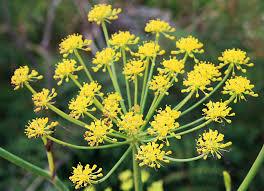
Fennel, scientifically known as Foeniculum vulgare is a winter vegetable that resembles celery and has an intriguing licorice-like flavor. Fennel has a lot of health benefits, but the flavor may take some getting accustomed to it at first.
The plant was first cultivated in the southern Mediterranean region before spreading wild in the northern, eastern, and western hemispheres. Fennel is referred to by its scientific name, Foeniculum vulgare.
It is an old perennial herb that resembles dill weed due to its feathery leaves and bright yellow blossoms. Fresh fennel is prized for its intense aroma, which has undertones of warmth and woodiness and is somewhat reminiscent of anise. Autumn and winter are the fennel plant’s two busiest growing seasons.
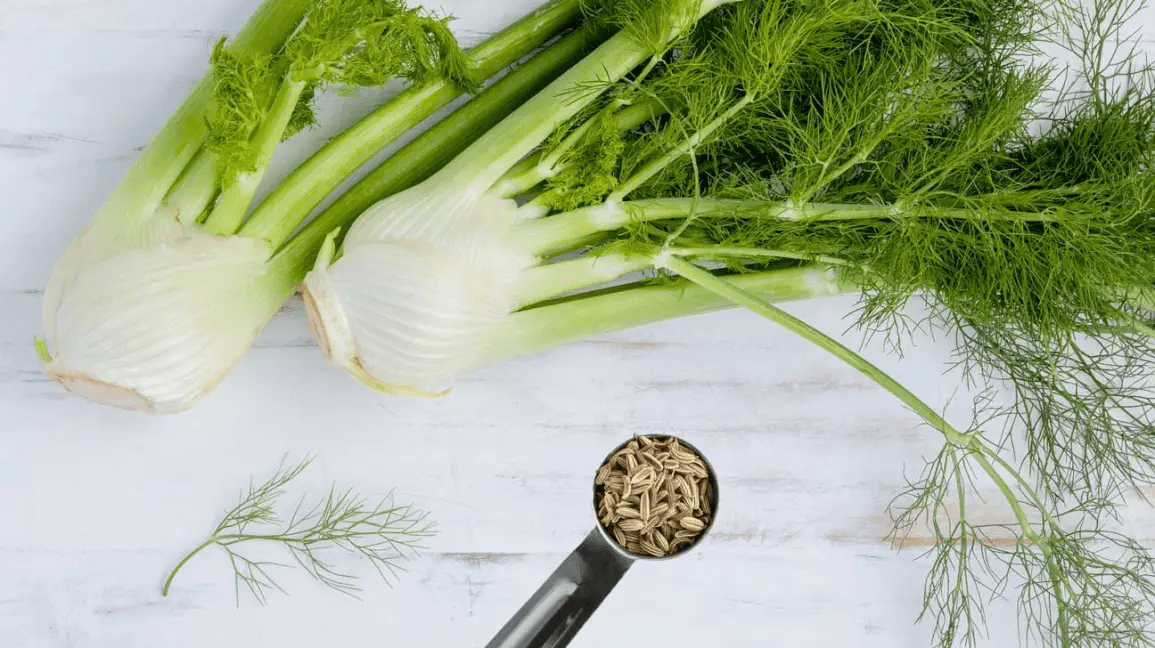
Fennel can be identified by its tall, green stalks and white bulb. It has a family tree with other vegetables with stalks, like celery and parsnips. The bulb, seeds, stem, and leaves of the fennel plant are all edible.
The bulb can be sliced and added to various recipes, including spaghetti, salads, and slaws. It gives every food a sweet flavor and a crisp, crunchy texture. Numerous phenolic substances, including bioflavonoids, phenolic acids, tannins, coumarins, and hydroxycinnamic acids, are present in the bulb.
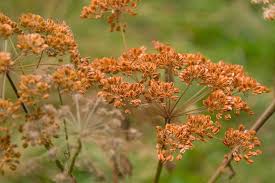
Fennel seeds are a concentrated source of micronutrients and are high in flavonoid antioxidants. Fennel essential oil is also produced from the seeds, first by crushing them and then by a method known as steam distillation.
Perhaps your grandma cut a fennel bulb for you as a treatment for gas and indigestion, or perhaps you are familiar with it as a flavoring ingredient in sambuca and absinthe. Fennel has a significant part in traditional medicine and has been employed for its nutritional qualities since ancient times, it turns out.
Fennel was an element of ancient rites for the Romans, Greeks, and Egyptians. It served as a representation of happiness and well-being. It has also been prized for thousands of years for its capacity to ease stomach issues.
This common vegetable is still one of the most commonly utilized herbal herbs today. All components of the fennel plant, including the essential oil, are used in cooking, baking, and medicine to treat more than 40 different conditions.
It is clear why fennel has been regarded as a helpful herb for thousands of years given its anti-inflammatory, antibacterial, antiviral, anti-tumor, and antispasmodic qualities, to name a few.
Other conventional medical systems, such as Unani, Siddha, Indian, and Iranian systems, also make use of the herbal plant.
According to reports, fennel is used in traditional medicine to cure a variety of illnesses, from straightforward symptoms like the common cold and cough to more complex ones including cancer, arthritis, colic, abdominal pain, diarrhea, and renal problems.
Read Also: 11 Unique Health Benefits of Feverfew (Tanacetum parthenium)
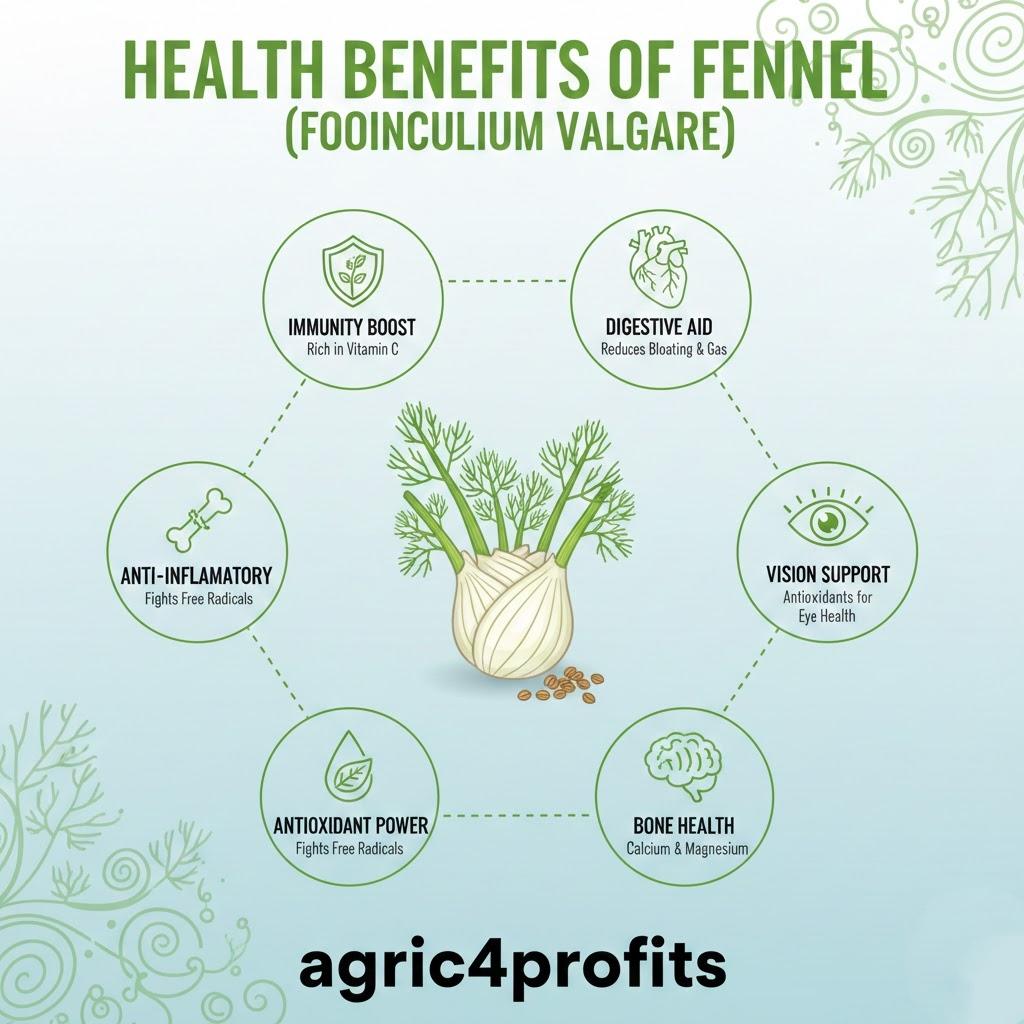
6 Health Benefits of Fennel (Foeniculum vulgare)
1. Improves Bone Health
Fennel’s calcium content enables it to support bone health and strength. About 43 milligrams of calcium may be found in one cup of fennel, which is beneficial for people who don’t cook with enough foods rich in vitamin and may be calcium deficient.
According to research, increasing your dietary calcium consumption improves your bone mineral density.
The bulb contains other nutrients as well as calcium that help to strengthen bones. Magnesium, phosphorus, and vitamin K are further nutrients found in fennel that contribute to bone strength.
2. Helps Lower/Maintain Blood Pressure
Fennel’s high potassium and low sodium contents can help decrease blood pressure and inflammation. In the body, potassium helps lower high blood pressure by competing with sodium.
When compared to a diet high in sodium, eating a diet rich in potassium-rich foods can dramatically lower systolic blood pressure. Don’t anticipate a drop in blood pressure overnight, though. After following a high-potassium diet for four weeks, blood pressure begins to decline.
3. Improves Satiety
While providing bulk and having no calories, fiber also increases satiety. Fibrous food cannot be absorbed as calories because humans lack the enzymes needed to break it down.
Studies demonstrate that eating a fiber-rich diet can effectively aid in weight loss. According to a study, people who added 14 grams of fiber per day to their diets without making any other changes consumed around 10% fewer calories per day and lost roughly four pounds for four months.
A quick and easy approach to feeling more satiated and perhaps losing weight is by including fennel in your diet.
4. Helps To Improve Colic
Despite being a mostly benign medical ailment, infant colic can have a big impact on growth.
Fennel oil is a potent natural treatment for colic since studies have shown that it can lessen discomfort and improve small intestinal movement. Additionally, it eases the baby’s anxiety and lessens abdominal bloating.
Many anxious parents may want to rush out and buy some fennel at this point, there is not yet a known safe amount for newborns. A breastfeeding mother drinking fennel tea is the safest way to utilize it to alleviate infant colic.
5. Helps Prevent Cancer
In Chinese medicine, fennel has been used for thousands of years to help soothe inflammatory diseases like bug bites and sore throats. Researchers have looked at whether its qualities can be used to treat other inflammatory disorders, including different types of malignancies, as a result of its capacity to reduce inflammation.
Anethole, an oil found in fennel, has been demonstrated in some clinical tests to have the potential as a natural cancer treatment, slowing the growth of breast cancer cells.
Anethole is thought to lessen inflammation that may contribute to the growth of cancer, while more investigation is needed to pinpoint its precise applications.
6. Decreases Heart Disease Risks
It has been demonstrated that fibrous meals can lower blood cholesterol levels. They can assist in bringing blood cholesterol levels to a normal range, hence lowering the overall risk of heart attacks and stroke.
Fennel has a double-whammy effect on lowering the risk of cardiovascular disease by lowering blood pressure and cholesterol because of its high potassium and fiber content.
Other nutrients that may help protect against heart disease, like folate and vitamin C, are also abundant in fennel.
Read Also: 10 Health Benefits of Borage (Borago officinalis)
Nutritional value of Fennel
1. Calories: Fennel seeds provide about 345 calories per 100 grams, while the raw bulb is much lower at around 31 calories per 100 grams.
This difference makes seeds suitable as a concentrated spice in small amounts, whereas the bulb serves as a low-calorie vegetable for larger portions in meals.
2. Carbohydrates: Seeds contain approximately 57 grams of carbohydrates per 100 grams, with net carbs around 12-13 grams after subtracting fiber; the bulb has about 7.3 grams total carbs.
These carbs, mostly complex with high fiber in seeds, support sustained energy and digestive health without sharp blood sugar spikes.
3. Protein: Fennel seeds offer around 15.8 grams of protein per 100 grams, while the bulb provides about 1.24 grams.
Seeds contribute meaningfully to plant-based protein intake in modest servings, aiding muscle repair and satiety.
4. Fat: Seeds have about 14-16 grams of total fat per 100 grams, including healthy polyunsaturated and monounsaturated types; the bulb is very low at 0.2 grams.
The fats in seeds provide essential fatty acids that support heart and brain function.
5. Dietary Fiber: Seeds are exceptionally high with up to 39.8 grams per 100 grams; the bulb offers around 3.1 grams.
High fiber promotes gut regularity, cholesterol management, and feelings of fullness for weight control.
6. Iron: Seeds deliver about 19 mg per 100 grams (over 200% DV), far exceeding the bulb’s lower amount.
This supports oxygen transport in blood and helps prevent iron-deficiency anemia, especially valuable in vegetarian diets.
7. Calcium: Seeds contain around 1196 mg per 100 grams (over 100% DV); the bulb has moderate levels.
It strengthens bones and teeth while aiding muscle contraction and nerve function.
8. Manganese: Extremely abundant in seeds at levels providing up to 284% DV per 100 grams.
Manganese supports antioxidant defense, bone development, and metabolic processes as an enzyme cofactor.
9. Potassium: Notable in both parts, with the bulb at about 414 mg per 100 grams and seeds also contributing significantly.
Potassium helps regulate blood pressure, fluid balance, and heart rhythm.
10. Vitamin C and B-vitamins: The bulb is a good source of vitamin C (around 20% DV per 100 grams), while seeds provide B-vitamins like niacin (37% DV), pyridoxine (36%), and thiamin (34%).
These vitamins boost immunity, energy metabolism, and skin health through antioxidant and cofactor roles.
Scientific Evidence and Case Studies on Fennel
1. Menopausal symptom relief: Rahimikian et al. (2017) conducted a randomized, triple-blind, placebo-controlled trial demonstrating that fennel significantly reduced menopausal symptoms in postmenopausal women with no serious side effects.
2. Anxiety and depression in postmenopausal women: Ghazanfarpour et al. (2018) in a double-blind randomized controlled trial found fennel effective in alleviating symptoms of depression and anxiety in postmenopausal women.
3. Overall pharmacological properties: Badgujar et al. (2014) reviewed botany, phytochemistry, and pharmacology, highlighting antimicrobial, antiviral, anti-inflammatory, antioxidant, hepatoprotective, and other activities from fennel’s compounds like anethole.
4. Vaginal atrophy improvement: Yaralizadeh et al. (2016) showed in a double-blind randomized placebo-controlled trial that fennel vaginal cream improved vaginal atrophy in postmenopausal women.
5. Infantile colic reduction: Alexandrovich et al. (2003) reported in a randomized placebo-controlled study that fennel seed oil emulsion was superior to placebo in decreasing the intensity of infantile colic.
6. Dysmenorrhea pain relief: Systematic reviews and meta-analyses (e.g., Shahrahmani et al. 2021) indicate fennel alleviates primary dysmenorrhea pain, comparable to NSAIDs like mefenamic acid.
7. Comprehensive benefits overview: Jadid et al. (2022) and other reviews confirm antioxidant, anti-inflammatory, antibacterial, antifungal, and galactagogue effects, with applications in women’s health, digestion, and more.
Summary of Fennel
| Aspect | Key Points |
|---|---|
| Primary Components | Anethole (key aromatic in essential oils), flavonoids, polyphenols, dietary fiber, vitamins (C, B-group), minerals (iron, calcium, manganese, potassium) |
| Main Health Benefits | Digestive aid (relieves bloating, gas, indigestion), respiratory support, anti-inflammatory and antioxidant effects, hormonal balance and menopausal symptom relief, menstrual pain reduction, oral health improvement, potential cardiovascular and blood sugar support |
| Nutritional Profile | Seeds: 345 kcal/100g, 15.8g protein, 39.8g fiber, rich in iron (232% DV), calcium (120% DV), manganese (284% DV); Bulb: 31 kcal/100g, low fat, good vitamin C and potassium |
| Common Uses | Seeds chewed or in teas for digestion/breath; bulb raw in salads or cooked; infusions, essential oil (diluted), culinary spice in various dishes |
| Scientific Backing | Strong from RCTs and reviews for menopausal relief, dysmenorrhea, colic, antioxidant/anti-inflammatory effects; promising for antimicrobial, hepatoprotective, and other areas; mostly animal/in vitro for some claims |
| Considerations | Safe in food amounts; potential allergies, estrogenic effects (caution in hormone-sensitive conditions), photosensitivity, pregnancy risks with high doses; consult for interactions or therapeutic use |
Frequently Asked Questions About Fennel
1. What is fennel (Foeniculum vulgare)?
Fennel is an aromatic herb with edible bulb, feathery leaves, stems, and seeds, featuring a sweet licorice-like flavor from anethole, used both culinarily and medicinally.
2. How does fennel help with digestion?
It relaxes the gastrointestinal tract, reduces gas, bloating, and indigestion through carminative properties of its essential oils, often used in teas or chewed seeds.
3. Can fennel relieve menopausal symptoms?
Yes, clinical trials show it reduces hot flashes, anxiety, depression, and other symptoms in postmenopausal women due to mild estrogenic effects from compounds like anethole.
4. Is fennel good for menstrual pain?
Evidence from meta-analyses indicates it alleviates primary dysmenorrhea pain, often comparably to NSAIDs, via anti-inflammatory and muscle-relaxant actions.
5. Are fennel seeds nutritious?
Yes, they’re dense in fiber, iron, calcium, manganese, and B-vitamins, though consumed in small amounts as a spice rather than a main food source.
6. How should I consume fennel for health benefits?
Common ways include drinking fennel seed tea, chewing seeds after meals, adding bulb to salads or cooking, or using diluted essential oil; start with moderate amounts.
7. Is fennel safe during pregnancy?
Small culinary amounts are generally safe, but higher doses or supplements may have hormonal effects—consult a healthcare provider first.
8. Does fennel help with weight management?
Its high fiber in seeds promotes fullness, and low-calorie bulb supports calorie control, indirectly aiding weight efforts when part of a balanced diet.
9. Can fennel improve oral health?
Chewing seeds freshens breath, fights oral bacteria, and soothes gums thanks to antimicrobial properties.
10. What are potential side effects of fennel?
Rare, but may include allergies, photosensitivity, GI upset in excess, or hormonal interactions; avoid high doses if epileptic or on certain medications.
Do you have any questions, suggestions, or contributions? If so, please feel free to use the comment box below to share your thoughts. We also encourage you to kindly share this information with others who might benefit from it. Since we can’t reach everyone at once, we truly appreciate your help in spreading the word. Thank you very much for your support and for sharing!
Disclaimer: This article is for educational and informational purposes only. The health benefits described are based on scientific research and traditional knowledge. They ayre not a substitute for professional medical advice, diagnosis, or treatment. Always consult a healthcare professional before using any herb or natural remedy for medical purposes.
Read Also: 9 Impressive Health Benefits of Onions