



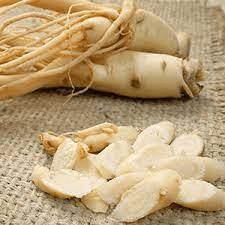
Ginseng also known as Panax ginseng, is a very medicinal plant. Other species, such as Siberian ginseng, and crown prince ginseng have distinctly different uses because only the Panax genus contains actual ginseng plants.
In the past, China employed ginseng as a herbal remedy. Even recorded accounts of its properties go as far back as the year 100 A.D.
It became so well-liked by the 16th century that ownership of the ginseng fields became a problem. Today, it is marketed in over 35 nations, with sales of over $2 billion, with South Korea accounting for half of those sales.
There are 11 different types of ginseng, all of which are members of the Araliaceae family’s Panax genus. Greek for all-heal, Panax is the botanical name.
Ginsenosides, the distinctive and advantageous chemicals of the Panax species, are currently the subject of a clinical study to examine their potential for medical use. Ginsenosides are present in both Asian and American ginseng, but they are present in varying degrees and various forms.
Read Also: 4 Health Benefits of Sage (Salvia officinalis)
6 Health Benefits of Ginseng (Panax ginseng)
1. Improves Brain Function
Ginseng increases focus and cognitive abilities by stimulating brain cells. There is proof that ingesting Panax ginseng root every day for 12 weeks will help Alzheimer’s patients perform better mentally.
An investigation of the impact of ginseng on Alzheimer’s disease patients’ cognitive function was conducted by the Department of Neurology at the Clinical Research Institute in South Korea.
The subjects displayed benefits following ginseng therapy, and this upward pattern persisted for three months. The improvements regressed to control group levels after the medication was stopped.
This implies that ginseng may help with cognitive health and Alzheimer’s symptoms. One exploratory study suggested that a combination of American ginseng and ginkgo Biloba may help patients with ADHD, while further research is required in this area.
Using a combination of omega-3 supplements and Korean red ginseng improved ADHD symptoms and cognitive function in children, including attention, memory, and executive function, according to a study of kids aged 6 to 12 who had ADHD symptoms.
Read Also: 4 Health Benefits of Vervain (Verbena Officinalis)
2. Anti-inflammatory
An intriguing Korean study examined the advantages of Korean red ginseng for kids who had undergone chemotherapy or a stem cell transplant for advanced cancer. 19 patients participated in the trial and got 60 mg of Korean red ginseng every day for a year.
Every six months, blood samples were taken to monitor the effects of the treatment. Cytokines, or small proteins, which are in charge of signaling to the brain and controlling cell growth, rapidly decreased after the treatment. The difference from the control group was sizable.
According to this study, Korean red ginseng after chemotherapy may stabilize the inflammatory cytokines in children with cancer.
The effect that Korean red ginseng has on inflammatory cytokines was also examined in a 2011 study. Korean red ginseng extract was administered to rats for seven days at a dose of 100 milligrams, and the results showed that it dramatically reduced inflammation and repaired brain damage that had previously been done. The herb’s anti-inflammatory benefits were also examined in an animal study.
Read Also: 4 Health Benefits of Garam Masala (Piper nigrum L.)
3. Helps With Weight Loss
The potential of ginseng to function naturally as an appetite suppressor is yet another pleasant effect. Additionally, it increases metabolism and speeds up fat burning in the body.
Panax ginseng berry’s effects on diabetes and obesity were examined in adult rats in a study at the Tang Center for Herbal Medicine Research in Chicago. For 12 days, the mice received injections of 150 milligrams of ginseng berry extract for every kilogram of body weight.
The mice receiving the extract had noticeably decreased fasting blood glucose levels by day five. The mice’s tolerance to glucose rose after day 12, and their overall blood glucose levels dropped by 53%.
The mice receiving the extract had noticeably decreased fasting blood glucose levels by day five. The mice’s tolerance to glucose rose after day 12, and their overall blood glucose levels dropped by 53%. The mice who were given the therapy also lost weight, starting at 51 grams and finishing at 45 grams.
According to a study, Panax ginseng is essential to the anti-obesity impact on mice. This indicates the clinical significance of using this herb to treat obesity and associated metabolic disorders better.
Read Also: 6 Health Benefits of Oregano (Origanum vulgare)
4. Improves Lungs Health
Ginseng therapy has been proven to drastically reduce lung bacteria, and research on rats has demonstrated that it can also slow the progression of cystic fibrosis, a common lung illness. In a study, ginseng was injected into rats, and after two weeks, the treated group displayed noticeably increased lung bacterial clearance.
Another advantage of ginseng, according to research, is its capacity to cure chronic obstructive pulmonary disease (COPD), a lung condition characterized by persistently inadequate airflow that often gets worse with time. According to studies, consuming Panax orally appears to enhance lung function and some COPD symptoms.
5. Lowers Blood Sugar Levels
One investigation at the Human Cognitive Neuroscience Unit in the UK revealed that Panax lowers blood glucose levels an hour after glucose consumption, supporting the notion that ginseng has glucoregulatory effects.
The body’s inadequate response to insulin is one of type 2 diabetes’s main challenges. Another study found that Korean red ginseng increases insulin sensitivity, further supporting the herb’s capacity to benefit people with type 2 diabetes and lower blood sugar levels.
6. Boosts Immunity
Ginseng’s capacity to strengthen the immune system, aiding the body in fending off illness and infection, is another well-researched advantage. The leaves, stems, and roots have been utilized to boost resistance to disease or infection and maintain immunological homeostasis.
American ginseng enhances the functionality of immune system cells, according to numerous clinical trials. All immune cell types, including macrophages, natural killer cells, dendritic cells, T cells, and B cells, are regulated by it.
Ginseng extracts generate antibacterial substances that serve as a line of defense against viral and bacterial illnesses. Its polyacetylene molecules have been shown in studies to be beneficial against bacterial infections.
Read Also: 5 Health Benefits of Marshmallow Root (Althaea Officinalis)
Scientific Evidence and Case Studies on Ginseng (Panax ginseng)
1. Erectile Dysfunction: A double-blind, crossover study by Hong et al. evaluated the efficacy of Korean red ginseng in patients with erectile dysfunction. The results showed that 60% of the patients receiving ginseng reported an improvement in erections compared to 30% in the placebo group, concluding that it can be an effective alternative for treating male erectile dysfunction.
2. Cognitive Performance and Alzheimer’s Disease: Research by Heo et al. investigated the efficacy of Panax ginseng in patients with Alzheimer’s disease. The study demonstrated that the ginseng group showed significant improvements in the Mini-Mental State Examination (MMSE) and the Alzheimer’s Disease Assessment Scale (ADAS) scores after 12 weeks, suggesting cognitive benefits for long-term use.
3. Type 2 Diabetes Management: A randomized, placebo-controlled trial by Vuksan et al. examined the effect of Korean red ginseng on glucose regulation in individuals with type 2 diabetes. The findings revealed that ginseng supplementation significantly improved fasting blood glucose and insulin sensitivity without altering body weight, highlighting its potential as a complementary therapy for glycemic control.
4. Cancer-Related Fatigue: A multicenter study by Barton et al. assessed the impact of Panax ginseng on cancer-related fatigue in survivors. The results indicated that patients taking 2000 mg of ginseng daily reported significantly lower fatigue scores compared to the placebo group after 8 weeks, with no reported toxicities.
5. Immune System Enhancement: A randomized, double-blind study by Scaglione et al. tested the efficacy of ginseng extract on the immune response to vaccination against influenza. The study found that the group treated with ginseng had a significantly lower incidence of influenza and colds, and higher antibody titers and natural killer cell activity compared to the placebo group.
Nutritional Value Of Ginseng (Panax ginseng)
1. Ginsenosides (Saponins): These are the primary bioactive compounds unique to ginseng. They are steroid-like phytochemicals responsible for the herb’s adaptogenic properties, helping the body resist stress, regulate blood sugar, and modulate the immune system.
2. Polysaccharides (Ginsan): Ginseng contains acidic polysaccharides known as ginsan. These complex carbohydrates have been shown to stimulate the immune system by activating macrophages and increasing the production of cytokines, which help fight off infections.
3. Polyacetylenes: Compounds such as panaxynol and panaxydol are found in the root. These lipid-soluble molecules exhibit anti-inflammatory, antitumor, and anti-platelet aggregation activities, contributing to cardiovascular health.
4. Peptides: Ginseng is rich in oligopeptides that have been studied for their ability to improve lipid metabolism and protect the liver. These small protein chains also play a role in the herb’s anti-fatigue effects by promoting glucose utilization.
5. Phenolic Compounds: The root contains various phenolic acids, including salicylic acid and vanillic acid. These act as antioxidants, scavenging free radicals and reducing oxidative stress, which helps prevent cellular damage and aging.
6. Vitamins: Panax ginseng is a source of B vitamins, particularly Vitamin B1, B2, and B12. These vitamins are essential for converting food into energy, maintaining healthy nerve function, and supporting red blood cell formation.
7. Minerals: The plant provides essential minerals such as zinc and iron. Zinc is crucial for immune function and wound healing, while iron is necessary for oxygen transport in the blood and combating anemia.
Frequently Asked Questions About Ginseng (Panax ginseng)
1. What is the difference between white and red ginseng?
White ginseng is the fresh root that has been dried naturally, while red ginseng is steamed before drying, which changes its color and alters the profile of bioactive ginsenosides, often making it more potent.
2. Does ginseng increase blood pressure?
The effects can be variable; while low doses may raise blood pressure in some, higher doses can lower it, so people with uncontrolled hypertension should use it with caution and consult a doctor.
3. Is ginseng an energy drink ingredient?
Yes, it is a common ingredient in energy drinks because of its adaptogenic properties that combat fatigue and improve mental alertness, though the actual amount in these drinks is often low.
4. Can I take ginseng before bed?
It is generally recommended to take ginseng earlier in the day because its stimulating effects can cause insomnia or restlessness in some individuals if taken too close to bedtime.
5. Does ginseng interact with blood thinners?
Yes, ginseng can decrease the effectiveness of blood thinning medications like warfarin, increasing the risk of clotting, so medical supervision is required.
6. Is American ginseng the same as Panax ginseng?
No, American ginseng (Panax quinquefolius) is a different species often considered to have more cooling and relaxing effects, whereas Asian ginseng (Panax ginseng) is considered more warming and stimulating.
7. Can ginseng help with sexual dysfunction?
Yes, it has been traditionally used and clinically studied for improving libido and erectile function, likely due to increased nitric oxide production which improves blood flow.
8. Is it safe to use ginseng long-term?
While generally safe, some experts suggest cycling its use (e.g., taking it for 2-3 weeks and then taking a break) to prevent potential side effects like headaches or hormonal imbalances.
Do you have any questions, suggestions, or contributions? If so, please feel free to use the comment box below to share your thoughts. We also encourage you to kindly share this information with others who might benefit from it. Since we can’t reach everyone at once, we truly appreciate your help in spreading the word. Thank you very much for your support and for sharing!
Disclaimer: This article is for educational and informational purposes only. The health benefits described are based on scientific research and traditional knowledge. They ayre not a substitute for professional medical advice, diagnosis, or treatment. Always consult a healthcare professional before using any herb or natural remedy for medical purposes.
Read Also: Succulent Plants: A Guide to Growing and Caring for These Unique Plants