


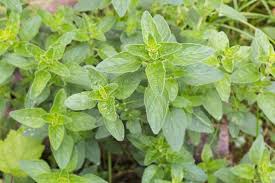
Oregano scientifically known as Origanum vulgare, belongs to the Lamiaceae family of mints. It has been used in folk medicine for countless years to cure bacterial infections, respiratory issues, and upset stomachs.
The flavor and aroma of oregano leaves are earthy and slightly bitter. In ancient Egypt and Greece, spice was used to season meats, fish, and vegetables. Greeks gave the herb its name, oregano, which means Joy of the Mountain in English.
When used in recipes, oregano, whether dried or fresh, can be eaten in moderation. When consuming it for the first time, individuals with allergies to plants from the Lamiaceae family, such as mint and basil, should exercise caution.
Since the oil is so much more concentrated, it should only be used for a maximum of two weeks. When used internally, it must also be diluted with liquid, preferably water or coconut oil.
When used topically to treat infections or lessen inflammation, the essential oil should also be diluted. Respiratory tract conditions like coughs, asthma, allergies, croup, and bronchitis can all be treated orally with oregano. Additionally, it is ingested to treat parasites and conditions including bloating, indigestion, and heartburn.
Read Also: 5 Health Benefits of St. John’s Wort (Hypericum perforatum)
Additionally, oregano is taken orally for unpleasant menstrual cramps, rheumatoid arthritis, urinary tract infections (UTIs), migraines, diabetes, bleeding after a tooth extraction, cardiac problems, and excessive cholesterol.
Acne, athlete’s foot, dandruff, canker sores, warts, wounds, ringworm, rosacea, and psoriasis are just a few of the skin conditions that oregano oil is used to treat. It is also used to treat insect and spider bites, gum disease, toothaches, muscle, and joint pain, and varicose veins. Additionally used topically as an insect repellant is oregano oil.
For a variety of health benefits, oregano leaves can be consumed fresh, dried, or distilled into essential oils that can be used topically, ingested, or inhaled. Any oil or herbal supplement’s quality is influenced by the land and atmosphere in which it was grown, the season and method of harvest, and the method of preparation.
P73 Natural vitamins and minerals are abundant in oregano. P73, or polyphenol 73 percent, is an exclusive mixture of many premia, medicinal, and wild oregano species.
Use only oregano products manufactured from wild, mountain-grown Mediterranean oregano, free of any chemicals or pesticides, which have a high amount of both carvacrol and thymol, to assure the greatest quality.
Read Also: 5 Health Benefits of Stinging Nettle (Urtica Dioica)
6 Health Benefits of Oregano (Origanum vulgare)
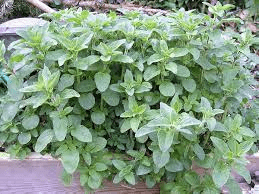
Oregano contains a variety of intriguing and beneficial compounds. Protein, dietary fiber, and carbs can all be found in one teaspoon of dried oregano leaves. It is an excellent source of iron, calcium, magnesium, phosphorus, and potassium.
Vitamin K, lutein, zeaxanthin, beta-carotene, and folate are just a few of the additional nutrients and substances found in them.
Terpenes such as thymol, ocimene, carvacrol, limonene, caryophyllene, and terpinene are included in this herb’s essential oils. These substances have anti-inflammatory and antioxidant effects.
1. Antioxidant
Antioxidants that are good for your health are abundant in oregano, including limonene, thymol, carvacrol, and terpinene. It actually ranks among the best meals for antioxidants.
Eating foods high in antioxidants has many advantages. By lowering free radical damage, which can lead to a variety of health problems and premature aging, they assist in slowing the consequences of aging. Your skin, eyes, heart, brain, and cells all benefit from antioxidants.
Studies on oregano extracts reveal that carvacrol and thymol, two substances with medicinal and preventative uses in traditional medicine, are probably responsible for the herb’s antioxidant benefits.
2. Antibacterial
According to numerous studies, the oil of oregano possesses antibacterial properties that are effective against a variety of bacterial types. Even the use of the oil as a safer alternative to hazardous antibiotics for a variety of health issues is supported by studies.
According to one study, oil of oregano has the strongest antibacterial activity against E. coli, indicating that the extract can be used to support digestive health and ward off food poisoning.
Why does this matter when you add oregano leaves to your spaghetti sauce? They contain two vital substances that aid in battling bacterial infections: thymol and carvacrol. To destroy bacteria, however, employing the more potent essential oil is by far more efficient.
Read Also: 3 Health Benefits of Kudzu Root (Pueraria montana)
3. Anti-inflammatory
Whether dried or fresh, using this herb in cooking can help lower inflammation. The herb’s essential oils have been studied, and they reveal that it has potent anti-inflammatory qualities.
This is because the plant has antioxidant properties, which reduce chronic inflammation and a wide range of illnesses, such as cancer and Alzheimer’s disease.
Products containing oregano are used to treat allergic reactions and rheumatoid arthritis, two inflammatory disorders. Additionally, herbal extracts are applied topically to treat conditions like acne, psoriasis, bug bites, and muscle soreness.
4. Fights Infections
One of the key oregano ingredients, carvacrol, has been found to have antiviral effects. Because of this, oregano oil can slow the spread of viral diseases and increase immunity to infections.
Once more, the herb’s essential oil is used in these experiments, which is much more potent than ingesting fresh or dried leaves. They do, however, draw attention to the plant’s beneficial components.
5. Aids Digestion
About 0.5 grams of fiber are present in one teaspoon of oregano. Despite the modest amount, it might have a significant effect on your digestive system.
Fiber can increase the bulk of your stools and stimulate peristaltic motion, which effectively moves food through the digestive tract and excretes it.
This makes fiber an essential component of a healthy digestive system. Additionally, fiber improves nutrient absorption and maintains intestinal health, so the food you eat benefits you more.
6. Improves Heart Health
Your heart can be protected by oregano. Numerous studies suggest that oregano extracts may aid in controlling blood pressure. Additionally, it aids in lowering hyperlipidemia, a disorder marked by elevated blood fat levels.
There hasn’t been much research done on oregano extracts or essential oils, even though numerous essential oils from plants can lower LDL cholesterol levels.
Read Also: 7 Health Benefits of Hyssop (Hyssopus officinalis)
Scientific Evidence and Case Studies on Oregano (Origanum vulgare)
1. Antiparasitic Activity: A study by Force et al. investigated the efficacy of emulsified oil of oregano in patients with intestinal parasites, specifically Blastocystis hominis, Entamoeba hartmanni, and Endolimax nana. The results showed that daily supplementation for six weeks led to the complete disappearance of Blastocystis hominis in 77% of the treated patients, along with an improvement in gastrointestinal symptoms.
2. Antioxidant Capacity: Research conducted by Zheng et al. analyzed the antioxidant activity of various culinary herbs. The study concluded that oregano had the highest antioxidant activity among the herbs tested, possessing 3 to 20 times more antioxidant activity than the other herbs and 42 times more than apples, largely attributed to its high concentration of phenolic acids and flavonoids.
3. Antimicrobial Effects on Food Pathogens: An investigation by Burt et al. evaluated the essential oil of oregano against common foodborne bacteria such as Salmonella and E. coli. The findings demonstrated that the carvacrol in oregano oil effectively disrupted the cell membranes of these bacteria, significantly inhibiting their growth and suggesting its potential as a natural food preservative.
4. Anti-Inflammatory Properties: A study by Han et al. examined the effects of oregano extract on inflammatory markers in mice with chemically induced colitis. The data revealed that the extract significantly reduced the production of pro-inflammatory cytokines (such as IL-1β and IL-6) and suppressed tissue damage, indicating its therapeutic potential for inflammatory bowel diseases.
5. Cholesterol and Lipid Regulation: A randomized controlled trial by Ozdemir et al. assessed the effects of oregano distillate on the lipid profile of patients with mild hyperlipidemia. The results showed a significant increase in HDL (good) cholesterol and a reduction in triglycerides and LDL (bad) cholesterol after three months of consumption, promoting cardiovascular health.
Nutritional Value Of Oregano (Origanum vulgare)
1. Carvacrol: This phenol is the most abundant bioactive compound in oregano. It is responsible for the herb’s warm, pungent aroma and is extensively studied for its powerful ability to stop the growth of several different types of bacteria and fungi.
2. Thymol: Working in synergy with carvacrol, thymol is a natural monoterpene derivative of cymene. It possesses strong antiseptic and antifungal properties, which support the immune system and help protect the body against environmental toxins.
3. Rosmarinic Acid: Oregano is a potent source of rosmarinic acid, a caffeic acid ester. This compound acts as a strong antioxidant that scavenges free radicals, thereby reducing oxidative stress and helping to prevent cellular damage and inflammation.
4. Vitamin K: The herb is an incredibly dense source of Vitamin K. Just a single teaspoon of dried oregano can provide a significant portion of the daily requirement, which is essential for blood clotting and maintaining strong, healthy bones.
5. Manganese: Oregano contains manganese, a trace mineral that is vital for proper enzyme function. It plays a key role in nutrient absorption, wound healing, and bone development, as well as being a component of the antioxidant enzyme superoxide dismutase.
6. Fiber: Dried oregano is surprisingly high in dietary fiber. Fiber is crucial for maintaining a healthy digestive tract, promoting regular bowel movements, and helping to bind bile salts to lower cholesterol levels.
7. Triterpenoids (Ursolic Acid): The leaves contain triterpenoids like ursolic acid. These compounds have been shown to inhibit the proliferation of certain cancer cells and possess hepatoprotective (liver-protecting) properties.
Frequently Asked Questions About Oregano (Origanum vulgare)
1. Is oregano essential oil the same as oil of oregano?
No, “essential oil” is highly concentrated and for aromatherapy or topical use (diluted), while “oil of oregano” is an extract often already diluted in a carrier oil for internal consumption.
2. Can oregano cure a cold?
While it cannot “cure” a cold, its antimicrobial and anti-inflammatory properties may help reduce the severity of symptoms and support the immune system during recovery.
3. Is it safe to eat fresh oregano raw?
Yes, fresh leaves can be eaten raw in salads or as a garnish, though they have a much more pungent and bitter flavor compared to the dried herb.
4. Does oregano interact with blood thinners?
Yes, because oregano contains high amounts of Vitamin K and has mild blood-thinning effects, it can interfere with anticoagulant medications like warfarin.
5. Can I use Mexican Oregano as a substitute?
Mexican Oregano (Lippia graveolens) is from a different plant family (Verbena) and has a stronger, more citrusy flavor, but it can work as a substitute in spicy dishes.
6. Is oregano safe during pregnancy?
Culinary amounts are safe, but medicinal doses or oregano oil should be avoided as it can stimulate blood flow to the uterus and potentially compromise the pregnancy.
7. Does oregano help with stomach bugs?
Yes, the compound carvacrol has been shown to be effective against norovirus and other stomach pathogens, potentially helping to reduce the duration of gastrointestinal illness.
8. How do I make oregano tea?
Steep 1-2 teaspoons of fresh or dried oregano leaves in boiling water for about 5-10 minutes; it can be sweetened with honey to mask the bitterness.
Do you have any questions, suggestions, or contributions? If so, please feel free to use the comment box below to share your thoughts. We also encourage you to kindly share this information with others who might benefit from it. Since we can’t reach everyone at once, we truly appreciate your help in spreading the word. Thank you very much for your support and for sharing!
Disclaimer: This article is for educational and informational purposes only. The health benefits described are based on scientific research and traditional knowledge. They ayre not a substitute for professional medical advice, diagnosis, or treatment. Always consult a healthcare professional before using any herb or natural remedy for medical purposes.
Read Also: How to Build a Raised Bed Garden