


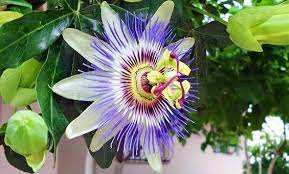
Passionflower (Passiflora) may be the ideal way to bring peace into your day without sacrificing productivity, especially when paired with other herbs that promote relaxation.
If you experience worry, difficulty sleeping or concentrating, nagging, uncomfortable hot flashes, or even issues with high blood pressure, passion flower may be a perfect solution for you.
It has been shown in numerous studies to be quite helpful, even for kids with ADHD. However, it’s crucial to confirm that your doctor has given the all-clear before using it and to be aware of any potential negative effects.
You might want to think about trying passion flower to see if it can help with stress reduction and get you some much-needed shut-eye because stress causes many other issues in our bodies.
Prior to being removed from the market in the past due to safety concerns and a lack of testing, passion flower was formerly authorized as an over-the-counter sedative and sleep aid in the United States.
Read Also: 8 Health Benefits of Olive Leaf (Olea Europaea)
Even though studies have found that passion flower has many benefits, you should always consult your doctor before using any new herb.
Please seek medical attention if you have nausea, vomiting, drowsiness, or any other unusual symptoms, even if they persist for a few days. If you are nursing a baby, pregnant, or have a medical condition, do not take it. Children under the age of six months might not be able to use it.
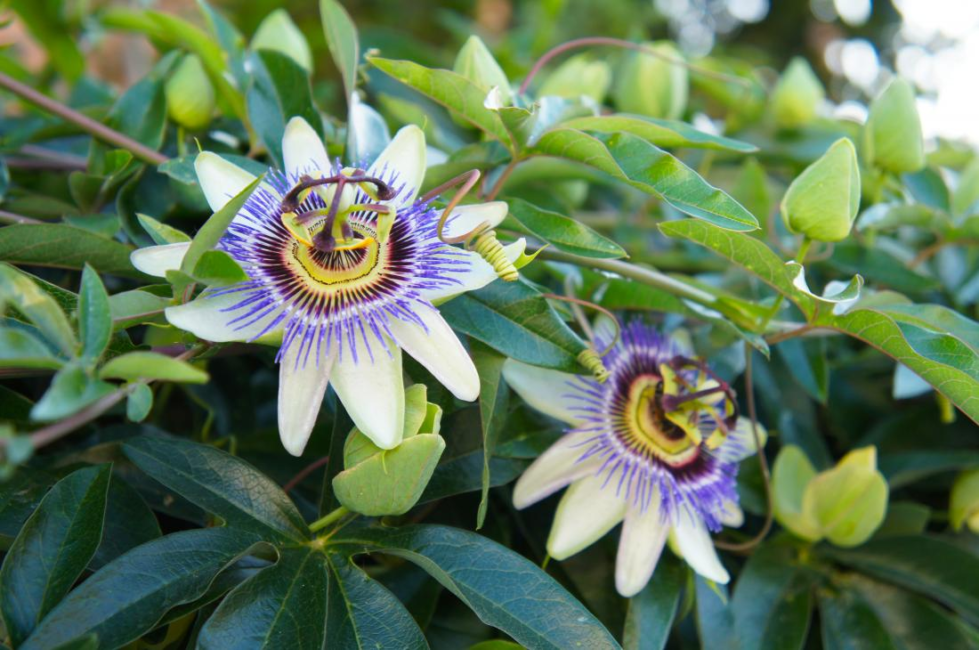
Passionflower can only be a sweet, kind, and relaxing element of nature given its name. That isn’t the case for all sweet names, but it is the case for the passion flower, a strikingly beautiful wildflower that grows a luscious fruit.
There are many advantages of passion flower, including the possibility of reducing or even curing insomnia, anxiety, menopause, ADHD, and even more severe disorders like seizures, high blood pressure, and asthma, to name a few.
Read Also: 7 Health Benefits of Nutmeg (Myristica fragrant)
6 Health Benefits of Passion Flower (Passiflora)
1. Helps Soothe Symptoms of Menopause
Low levels of gamma-aminobutyric acid (GABA), a neurotransmitter in the brain, are frequently the cause of the anxiety and depressive symptoms that are linked to menopause.
A variety of unwelcome side effects might result from hormone therapy that is based on contemporary medicine. Studies have shown that passion flower may be a fantastic alternative to traditional hormone therapy for menopausal symptoms such as vasomotor indications (hot flashes and night sweats), sleeplessness, sadness, irritability, and headaches.
Passionflower may aid women who are increasingly looking for alternative therapies by raising GABA levels. Increased GABA levels aid in reducing the activity of some of those brain cells associated with depression.
2. Lowers Blood Pressure
With a dosage of 50 milligrams per kilogram of body weight, passion flower skin extract was used in a study published in the Journal of Nutritional Biochemistry. Because of the extract’s potential to increase GABA levels, the study discovered that blood pressure levels were dramatically lowered.
Additional research has been done and has shown that taking 8 milligrams of passion flower for 5 days will lower systolic blood pressure by reducing the amount of fruit pulp in the fruit.
According to the findings, oxidized lipids which can harm the body when pollutants and garbage build up—were reduced, and antioxidant enzyme levels were raised by passion flower extract.
Read Also: 8 Unique Health Benefits of Sorrel (Rumex acetosa L.)
3. Reduce Anxiety
Passionflower has a long history of use as a folk treatment and may help to lessen anxiety. It’s thought that some substances in passion flowers may interact with some brain receptors to induce calm.
GABA is increased by passion, which reduces the activity of specific brain cells that may be generating anxiety and makes you feel more at peace. Passionflower extracts may potentially have minor anti-inflammatory and anti-seizure effects, according to studies.
36 outpatients who were diagnosed with generalized anxiety disorder participated in a four-week trial (GAD).
The findings showed that passion flower extract, unlike synthetic therapy, was a successful treatment for controlling anxiety.
It also had no detrimental effects on work performance. Another study involving kids revealed that the combination of plant extracts, including valerian root, and passion flower, lowered anxiety.
4. Soothes Brain Disorder
Unfortunately, traditional medications like Adderall can have numerous negative side effects, which is a problem for many parents whose children suffer from attention deficit hyperactivity disorder (ADHD).
ADHD is a brain disorder that shows itself as symptoms like inattention, hyperactivity, and impulsivity that impede a child’s growth or day-to-day activities.
The good news is that a poll revealed that parents are increasingly choosing alternative ADHD treatments, with nutritional therapy topping the list of possible cures.
5. Helps Reduce Levels Of Insulin
Yellow passion fruit peel flour was used in a study to determine how it affects blood sugar levels.
In an effort to comprehend insulin resistance in diabetics, insulin sensitivity was assessed. In order to conduct the trials, 28 female and 15 male types 2 diabetes volunteers were instructed to consume a specific amount of yellow passion fruit peel flour daily for two months.
The findings indicated that type 2 diabetic individuals had reduced insulin resistance, which raises the possibility that passion flower may help diabetics.
6. Anti-inflammatory
Passion flowers may lessen inflammation that leads to illness. Analysis of the phytonutrient and antioxidant content of P. Setacea and P. tequila, two species of wild passion fruit, was done.
The seeds, seedling explants, and mature versions received most of the researchers’ attention. The significant concentration of phenolic components demonstrated the extract from the passion flower plant’s potent antioxidant action.
The accumulation of fluid in an animal’s paw area is known as paw edema, and it was the subject of another investigation. When utilizing dried passion flowers, the antioxidant activity reduced the fluid buildup, which suggested that inflammation had diminished.
Read Also: 7 Health Benefits of Skullcap (Scutellaria lateriflora)
Scientific Evidence and Case Studies on Passion Flower (Passiflora incarnata)
1. Generalized Anxiety Disorder (GAD): A randomized, double-blind study by Akhondzadeh et al. compared the efficacy of passion flower extract to oxazepam (a prescription benzodiazepine) in the treatment of Generalized Anxiety Disorder. The results showed that passion flower was as effective as oxazepam in reducing anxiety symptoms after four weeks, but with a significantly lower incidence of impairment in job performance and daytime drowsiness.
2. Sleep Quality and Insomnia: Research conducted by Ngan et al. investigated the effects of drinking passion flower tea on sleep quality in healthy adults with mild fluctuations in sleep quality. The double-blind, placebo-controlled study demonstrated that participants who consumed the tea reported significantly better sleep quality ratings compared to the placebo group, validating its traditional use as a mild sedative.
3. Pre-Surgical Anxiety: A clinical trial by Movafegh et al. evaluated the effect of oral Passiflora incarnata premedication on anxiety in patients undergoing surgery. The findings revealed that patients who received the herbal extract 90 minutes before surgery had significantly lower anxiety scores compared to the placebo group, without causing sedation that would interfere with anesthetic recovery.
4. Opiate Withdrawal Symptoms: An investigation by Akhondzadeh et al. assessed the efficacy of passion flower extract as an adjuvant therapy to clonidine for treating opiate withdrawal. The study found that while clonidine addressed physical symptoms, the addition of passion flower significantly reduced mental symptoms such as anxiety, irritability, and agitation associated with withdrawal.
5. Menopausal Symptoms: A study by Fiebich et al. examined the effects of Passiflora incarnata on menopausal symptoms in women. The research indicated that the extract helped alleviate vasomotor signs (like hot flashes) and depressive symptoms associated with menopause, likely due to its modulation of neurotransmitter systems rather than a direct hormonal effect.
Nutritional Value Of Passion Flower (Passiflora incarnata)
1. Chrysin:
This naturally occurring flavonoid is one of the primary compounds in passion flower responsible for its anxiety-reducing effects. It works by binding to benzodiazepine receptors in the brain, helping to calm the central nervous system without the strong sedative side effects of synthetic drugs.
2. Vitexin: An active flavonoid glycoside found in the leaves. Vitexin has been shown to possess blood pressure-lowering (hypotensive) properties and anti-inflammatory effects. It also contributes to the plant’s antioxidant profile, protecting cells from oxidative stress.
3. GABA (Gamma-Aminobutyric Acid): Passion flower increases the levels of GABA in the brain. GABA is the primary inhibitory neurotransmitter that reduces the activity of nerve cells, leading to relaxation, reduced stress, and improved sleep induction.
4. Harmala Alkaloids (Harmine and Harmaline): Present in trace amounts, these beta-carboline alkaloids act as mild Monoamine Oxidase Inhibitors (MAOIs). They can help improve mood and have antidepressant effects by preventing the breakdown of neurotransmitters like serotonin and dopamine.
5. Apigenin: A bioactive flavone that has significant sedative and muscle-relaxing properties. Apigenin acts on the GABA receptors in the brain, contributing to the herb’s ability to treat insomnia and restlessness.
6. Maltol: A naturally occurring organic compound found in the plant. Maltol has been observed to have a depressant effect on the central nervous system, which enhances the sedative and anticonvulsant potential of the herb.
7. Kaempferol: This flavonol is a strong antioxidant. It helps reduce chronic inflammation and has been studied for its potential to inhibit the growth of cancer cells and support cardiovascular health by maintaining blood vessel elasticity.
Frequently Asked Questions About Passion Flower (Passiflora)
1. Is passion flower safe to take during pregnancy?
No, it contains chemicals that can stimulate uterine contractions, so it is generally unsafe and contraindicated during pregnancy to prevent the risk of miscarriage.
2. Does passion flower cause drowsiness?
Yes, due to its sedative properties, it can cause drowsiness and dizziness, so caution is advised when driving or operating heavy machinery.
3. Can I take passion flower with antidepressants?
You should consult a doctor first, as the mild MAOI activity in passion flower can theoretically interact with prescription antidepressants and sedatives, enhancing their effects.
4. Which species of passion flower is medicinal?
Passiflora incarnata is the species most commonly studied and used for anxiety and sleep; other species like Passiflora edulis are primarily grown for their fruit.
5. Is passion flower addictive?
No, unlike benzodiazepines or prescription sleep aids, passion flower does not show a potential for addiction or dependency in studies.
6. How does passion flower tea taste?
It has a mild, grassy, and slightly earthy flavor, often described as pleasant but subdued, usually requiring honey or blending with other herbs for richness.
7. Can children take passion flower?
While considered gentle, it should only be administered to children under the strict guidance of a healthcare professional for specific conditions like restlessness.
8. How long does it take for passion flower to work for anxiety?
It acts relatively quickly, often providing a calming effect within 30 to 90 minutes of ingestion, making it useful for acute stress.
Do you have any questions, suggestions, or contributions? If so, please feel free to use the comment box below to share your thoughts. We also encourage you to kindly share this information with others who might benefit from it. Since we can’t reach everyone at once, we truly appreciate your help in spreading the word. Thank you very much for your support and for sharing!
Disclaimer: This article is for educational and informational purposes only. The health benefits described are based on scientific research and traditional knowledge. They ayre not a substitute for professional medical advice, diagnosis, or treatment. Always consult a healthcare professional before using any herb or natural remedy for medical purposes.
Read Also: How to Make Your Own Organic Pesticides