


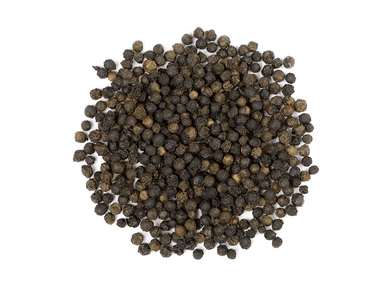
Peppercorns scientifically known as Piper nigrum may benefit your blood pressure, blood sugar, and digestion while also preventing and combating diseases like cancer and diabetes, and bacteria. It stands to reason that this magnificent spice is regarded as the king of spices.
It’s not just a theory that pepper might make you sneeze. Even if you are not allergic, it still happens. I’ve provided a lot of details regarding piperine, a naturally occurring substance found in peppercorns. This characteristic, which serves as an irritant if it enters the nose, is what makes people sneeze.
The alkaloid piperine, which is present in all peppercorns, including white, black, and green varieties, stimulates the nerve endings in the mucosal membrane. The ACHOO takes place there! Additionally, avoid getting pepper in or near your eyes because it might burn.
You might be having an allergic reaction if you have symptoms like hives, tingling or itching in your mouth, abdominal pain, diarrhea, nausea, and vomiting, as well as wheezing, congestion, dizziness, and lightheadedness.
Lips, tongue, mouth, and throat swelling are other signs that could narrow your airways. Whenever you experience any of these signs, get aid right away.
Without having to worry about gaining weight, peppercorns are an excellent way to improve the flavor of meals or the health benefits of other spices, like turmeric.
Peppercorns may benefit your blood pressure, blood sugar, and digestion while also preventing and combating diseases like cancer and diabetes, and bacteria. It stands to reason that this magnificent spice is regarded as the king of spices.
Numerous studies have demonstrated that piperine, one of the primary components of pepper, may lessen memory loss and cognitive dysfunction. This organic substance might appear to boost the brain’s chemical circuits.
Early studies suggest that pepper may be beneficial for those with Alzheimer’s disease and other age- or free radical-related cognitive dysfunctions.
Read Also: 6 Health Benefits of Rosemary (Rosmarinus officinalis)
6 Health Benefits of Peppercorns (Piper nigrum)
1. Anticancer
Turmeric has gained enormous popularity because of its remarkable medicinal qualities, but research shows that it works best when mixed with black pepper. Why? because black pepper’s piperine aids the body in absorbing turmeric’s wonderful health effects.
Numerous spices, like black pepper and turmeric, have favorable benefits and may help lower the risk of cancer, according to recent studies. Piperine, a bioactive substance found in black pepper, is comparable to capsaicin.
This substance aids in the induction of apoptosis, which can prevent cancers. This is a fantastic combo when it is added to turmeric’s anti-cancerous properties.
2. Aids Digestion
The stomach receives a signal from black pepper to release hydrochloric acid. This acid aids in bettering digestion. This method can assist in getting rid of gas, indigestion, and heartburn.
The gastric juices that form in the stomach to get food ready for digestion and absorption by the intestines contain hydrochloric acid, which is referred to as gastric acid.
The food bolus, or lump of food kept in the stomach, is covered in acid to aid in its breakdown and facilitate easy digestion. It is thought that the piperine present in peppercorns can aid in the production of the crucial stomach acid required for a happy and healthy digesting process.
3. Soothes Diabetes
Another way that this delicious condiment helps to promote the health of the digestive tract is that black pepper, including black pepper essential oil and black peppercorns, has been shown to have impressive antioxidant and antibacterial benefits.
These advantageous antioxidants might aid in blood sugar regulation. Peppercorns and their extracts provide a variety of functions, including the regulation of hyperglycemia, which helps prevent free radical damage.
Piperine is a wonderful addition to any diabetic diet plan since it aids in the regulation of the metabolic rate of resting muscle, which can reduce obesity and diabetes.
Read Also: 5 Amazing Health Benefits of Saffron
4. Weight Loss
Due to the piperine they contain, peppercorns are thought by several researchers to be able to aid in fat burning. For instance, rats were used in a study where they were fed high-fat diets to establish dyslipidemia brought on by obesity. For three weeks, the rats received piperine and sibutramine.
Supplementing piperine with HFD dramatically boosted the HDL levels, with no change in food intake, and significantly lowered body weight, triglyceride, total cholesterol, LDL, and fat mass. This led scientists to the conclusion that piperine can assist lower lipids and fat, which can aid in weight loss.
To support this assertion, additional research is required. That doesn’t mean, though, that pepper can’t aid in weight loss. Why? So when cooking, pepper is a condiment that can take the place of calorie-dense sauces.
Simply explained, pepper contains a lot fewer calories than rich sauces and creams, therefore using the pepper grinder instead of these other ingredients might be a wonderful method to lose some weight.
5. Reduces High Blood Pressure
Using peppercorn instead of salt may help you lower your overall salt intake, which will ultimately lower high blood pressure because it is almost salt-free. Less salt can aid in lessening unpleasant bloating and fluid retention.
Instead of using salt, you can assist control blood pressure by seasoning your food with spices like black pepper, as well as ginger, coriander, garlic, and bay leaf.
A rat study revealed that piperine, which is found in peppercorns, can at least partially prevent blood pressure from rising when administered orally, and a second study supported these findings.
6. Fights Bacteria
It contains piperine, a phytochemical or phytonutrient that has a number of anti-inflammatory properties and has been demonstrated to be effective in treating bacterial development in mice.
Piperine may prevent the growth of disease-causing germs, according to research into how piperine affects pyroptosis in mouse phagocytic blood cells.
Read Also: 6 Health Benefits of Passion Flower (Passiflora)
Scientific Evidence and Case Studies on Peppercorns (Piper nigrum)
1. Bioavailability Enhancement (Curcumin): A landmark study by Shoba et al. investigated the effect of piperine (the active compound in black pepper) on the pharmacokinetics of curcumin in animals and humans. The results demonstrated that concomitant administration of piperine increased the bioavailability of curcumin by 2000% in humans, highlighting its role as a potent bioenhancer that inhibits enzymes responsible for metabolizing drugs and nutrients.
2. Digestive Enzyme Stimulation: Research conducted by Platel et al. examined the influence of dietary spices on digestive enzymes of the pancreas and small intestine in rats. The findings revealed that black pepper significantly stimulated the activity of pancreatic lipase, amylase, and trypsin, effectively reducing the transit time of food and improving overall digestion.
3. Anti-Depressant Activity: An investigation by Li et al. evaluated the antidepressant effects of piperine in mice using forced swim and tail suspension tests. The study showed that piperine treatment significantly reduced the duration of immobility, suggesting antidepressant-like activity mediated through the regulation of serotonergic and dopaminergic systems in the brain.
4. Cholesterol and Lipid Metabolism: A study by Vijayakumar et al. assessed the hypolipidemic effect of piperine in rats fed a high-fat diet. The data indicated that supplementation with piperine significantly lowered the levels of total cholesterol, triglycerides, and LDL (bad) cholesterol while increasing HDL (good) cholesterol, attributed to its interference with cholesterol absorption and synthesis.
5. Anti-Inflammatory Properties: Research by Bang et al. analyzed the anti-inflammatory effects of piperine on human synovial cells stimulated by IL-1beta. The results demonstrated that piperine significantly inhibited the production of inflammatory mediators such as Prostaglandin E2 (PGE2) and nitric oxide, suggesting potential therapeutic value for inflammatory conditions like arthritis.
Nutritional Value Of Peppercorns (Piper nigrum)
1. Piperine:
This alkaloid is the pungent component responsible for the heat and distinct flavor of black pepper. It is biologically active and is best known for its ability to enhance the absorption of other nutrients (like curcumin and beta-carotene) by modifying gut permeability and inhibiting metabolic enzymes.
2. Manganese: Black pepper is an excellent source of manganese. This trace mineral is essential for bone health, wound healing, and metabolism. It also functions as a co-factor for the antioxidant enzyme superoxide dismutase, which helps fight free radicals.
3. Vitamin K (Phylloquinone): Peppercorns contain a moderate amount of Vitamin K. This fat-soluble vitamin plays a critical role in blood clotting pathways and is necessary for the synthesis of proteins involved in bone mineralization.
4. Terpenes (Pinene, Sabinene, Limonene): The outer hull and essential oil of the peppercorn are rich in terpenes. These volatile organic compounds provide the complex woody, floral, and citrusy aroma notes and possess mild antimicrobial and anti-inflammatory properties.
5. Dietary Fiber: The outer layer of the black peppercorn provides dietary fiber. Fiber aids in digestion by adding bulk to the stool and promoting regular bowel movements, and it can help regulate blood sugar levels.
6. Iron: Peppercorns provide dietary iron, which is crucial for carrying oxygen in the blood via hemoglobin. Combining pepper with iron-rich foods can help improve energy levels and prevent anemia.
7. Copper: This trace mineral found in black pepper is vital for nerve function, bone growth, and the efficient utilization of sugar. It works in tandem with iron to form healthy red blood cells.
Frequently Asked Questions About Peppercorns (Piper nigrum)
1. What is the difference between black, white, and green peppercorns?
They are all the same fruit (Piper nigrum); green are unripe and dried/brined, black are cooked and dried unripe fruit, and white are ripe seeds with the outer skin removed.
2. Why does black pepper make you sneeze?
It contains piperine, which is an irritant that stimulates the nerve endings inside the mucous membranes of the nose, triggering a sneeze reflex to expel the irritant.
3. Are pink peppercorns the same as black peppercorns?
No, pink peppercorns usually come from the Brazilian pepper tree (Schinus terebinthifolia), a different species related to cashews, and can cause allergic reactions in people with nut allergies.
4. Does black pepper help with weight loss?
Yes, piperine has been shown to block the formation of new fat cells (adipogenesis) and increase metabolism, potentially aiding in weight management.
5. Can black pepper spoil?
Whole peppercorns last almost indefinitely if kept dry, but ground pepper loses its flavor and potency (essential oils) after about 3-4 months.
6. Is black pepper bad for acid reflux?
It can be; for some individuals, the spicy nature of piperine can relax the esophageal sphincter or irritate the stomach lining, worsening heartburn symptoms.
7. Why is pepper always paired with turmeric?
Pepper increases the body’s absorption of curcumin (the active compound in turmeric) by up to 2000%, making the turmeric much more effective.
8. Is black pepper safe during pregnancy?
Culinary amounts are considered safe, but large medicinal doses should be avoided as they may stimulate the uterus or cause digestive distress.
Do you have any questions, suggestions, or contributions? If so, please feel free to use the comment box below to share your thoughts. We also encourage you to kindly share this information with others who might benefit from it. Since we can’t reach everyone at once, we truly appreciate your help in spreading the word. Thank you very much for your support and for sharing!
Disclaimer: This article is for educational and informational purposes only. The health benefits described are based on scientific research and traditional knowledge. They ayre not a substitute for professional medical advice, diagnosis, or treatment. Always consult a healthcare professional before using any herb or natural remedy for medical purposes.
Read Also: Complete Steps in Aluminum Recycling Guide