


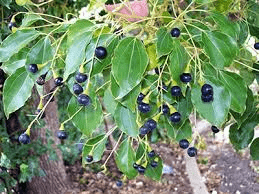
The camphor tree, scientifically known as Cinnamomum camphora, is a tree native to East Asia, including countries like China, Japan, Taiwan, and Korea. It has been used for various medicinal purposes for centuries due to the aromatic compounds found in its leaves and wood.
The camphor tree can grow to impressive heights, reaching up to 100 feet (30 meters) or more in optimal conditions. Its trunk is often straight and cylindrical, with a relatively wide girth. The crown of the tree is generally broad and spreading, providing ample shade beneath it.
The bark of the camphor tree undergoes changes as the tree matures. Young trees typically have smooth, light-colored bark that can range from grayish to brown. As the tree ages, the bark becomes rougher, developing shallow fissures and rid
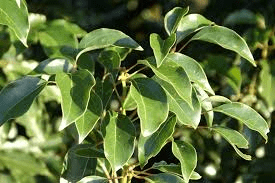
The leaves of the camphor tree are simple, alternate, and shiny. They have an elliptical or lanceolate shape, measuring around 2 to 4 inches (5 to 10 cm) in length. The color of the leaves varies from deep green to slightly yellowish-green. The leaf margins are smooth and wavy.
One of the most distinctive features of the camphor tree is its strong, aromatic scent. When the leaves or branches are crushed or bruised, they release a characteristic fragrance that is often associated with camphor.
The camphor tree produces small, inconspicuous flowers that are typically greenish-white in color. These flowers are borne in clusters and are not particularly showy. They are usually arranged in panicles or clusters at the ends of branches.
The tree produces small, berry-like fruit that are about the size of peas. These fruits mature from green to black and contain a single seed. The fruit clusters are often densely packed and can be an important food source for certain wildlife.
The wood of the camphor tree is known for its durability and aromatic properties. It’s commonly used for making furniture, cabinets and decorative items. The essential oil extracted from the wood is also used for its medicinal and aromatic properties.
Camphor trees are native to East Asia, particularly China, Japan, Taiwan, and Korea. However, they have been introduced to various other parts of the world for their economic and ornamental value. In some regions, camphor trees have become invasive and threaten native ecosystems.
Read Also: 7 Medicinal Health Benefits of Peruvian Peppertree (Schinus molle)
The Medicinal Health Benefits of Camphor Tree (Cinnamomum Camphora)
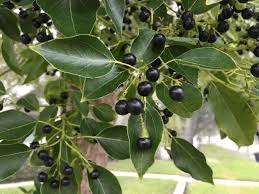
Camphor (Cinnamomum camphora) has been traditionally used for various medicinal purposes due to its aromatic and therapeutic properties. Here are medicinal health benefits associated with the camphor tree:
1. Topical Pain Relief: Camphor oil is often used topically for its analgesic properties. It can provide temporary relief from pain and discomfort when applied to sore muscles, joints, or minor injuries. The cooling effect of camphor oil can help soothe pain and reduce inflammation.
2. Respiratory Relief: Inhalation of camphor vapors can help alleviate respiratory congestion. Camphor oil is used in chest rubs and balms to provide relief from colds, coughs, and congestion. It helps open up airways and ease breathing.
3. Anti-Inflammatory Effects: Camphor oil is believed to have anti-inflammatory properties when applied topically. It can help reduce inflammation in muscles and joints, making it useful for conditions like arthritis, sprains, and strains.
4. Antiseptic and Disinfectant: Camphor oil has antiseptic properties that can help prevent infections in minor wounds, cuts, and insect bites. It can be applied topically to disinfect and protect these areas.
5. Mental Clarity and Alertness: The aroma of camphor oil is believed to have stimulating effects on the mind. In aromatherapy, it is used to improve mental focus, increase alertness, and alleviate mental fatigue.
6. Insect Repellent: Camphor’s strong fragrance acts as a natural insect repellent. It’s used in products like insect repellent creams and diffusers to keep insects at bay. Placing camphor blocks in storage areas can also help deter pests like moths.
The Methods of Usage to Achieve the Provided Health Benefits of Camphor Tree (Cinnamomum Camphora)
Here’s a detailed explanation of how to use camphor and camphor oil to achieve the medicinal health benefits we discussed earlier.
1. Topical Pain Relief: To achieve topical pain relief using camphor oil. Mix a few drops of camphor oil with a suitable carrier oil, such as coconut oil or jojoba oil. The typical dilution ratio is around 2-3% camphor oil to carrier oil.
Gently massage the diluted camphor oil onto the affected area. The cooling sensation can help soothe muscle or joint pain. Avoid applying camphor oil on broken or irritated skin. Perform a patch test on a small area of skin to check for any adverse reactions before widespread use.
2. Respiratory Relief: For respiratory relief using camphor oil. Add a few drops of camphor oil to a bowl of hot water. Cover your head with a towel and inhale the steam for a few minutes. This can help clear congestion and ease breathing.
Mix diluted camphor oil with a carrier oil and apply the mixture to your chest and throat. The aromatic vapors can provide relief from congestion and cough.
3. Anti-Inflammatory Effects: To use camphor oil for its anti-inflammatory effects. Dilute camphor oil with a carrier oil as mentioned earlier. Gently massage the diluted camphor oil onto the inflamed area. The oil’s cooling properties can help reduce inflammation and provide relief.
4. Antiseptic and Disinfectant: For antiseptic use of camphor oil. Dilute camphor oil with a carrier oil. Apply a small amount of the diluted oil to minor cuts, wounds, or insect bites to help prevent infection. Do not use on open wounds or broken skin.
5. Mental Clarity and Alertness: To experience the mental clarity benefits of camphor oil. Add a few drops of camphor oil to a diffuser and allow the aroma to fill the room. Inhale the scent to help improve focus and alertness.
6. Insect Repellent: To use camphor as an insect repellent. Place camphor blocks or sachets in closets, drawers, or storage areas to deter pests like moths. Use commercial insect repellent creams or lotions that contain camphor to keep insects away.
Read Also: 15 Medicinal Health Benefits of Arum maculatum (Lords-and-Ladies)
The Side Effects of Using Camphor Tree Medicinal Plant
Using camphor or camphor-containing products improperly or in excessive amounts can lead to various side effects, some of which can be severe. It’s essential to exercise caution and follow proper guidelines when using camphor to avoid adverse reactions. Here are potential side effects and considerations associated with using camphor:
1. Skin Irritation: Applying concentrated camphor oil directly to the skin can cause irritation, redness, itching, and even chemical burns. Always dilute camphor oil with a suitable carrier oil before applying it to the skin.
2. Allergic Reactions: Some individuals might be sensitive or allergic to camphor. Before using camphor-based products on a larger area of skin, perform a patch test on a small area to check for any adverse reactions.
3. Respiratory Issues: Inhaling concentrated camphor vapors or using excessive amounts in aromatherapy can irritate the respiratory tract and lead to breathing difficulties, especially in sensitive individuals.
4. Nausea and Vomiting: Ingesting camphor, even in small amounts, can lead to nausea, vomiting, and other gastrointestinal symptoms. Ingestion of camphor can be toxic and should be avoided.
5. Neurological Symptoms: Ingesting or absorbing large amounts of camphor through the skin can lead to symptoms such as confusion, dizziness, seizures, and even coma. This is especially true for young children and infants.
6. Liver and Kidney Damage: Severe camphor toxicity can lead to damage to the liver and kidneys. In extreme cases, it can be life-threatening.
7. Pregnancy and Breastfeeding: Pregnant and breastfeeding women should avoid using camphor products. Camphor can be absorbed through the skin and potentially harm the developing fetus or nursing baby.
8. Children: Camphor products should not be used on infants, young children, or children with certain medical conditions. Even small amounts of camphor can be toxic to them.
9. Drug Interactions: Camphor can interact with certain medications, especially those that affect the central nervous system. It’s important to consult a healthcare professional before using camphor if you’re taking medications.
10. Incompatibility with Certain Medical Conditions: Individuals with certain medical conditions, such as epilepsy, asthma, or skin conditions, should avoid using camphor products.
11. Overuse: Using excessive amounts of camphor oil or applying it too frequently can increase the risk of adverse effects.
Nutritional Value of Camphor Tree (Cinnamomum camphora)
1. Camphor Oil: Extracted from the wood, bark, and leaves, camphor oil contains compounds like camphor, linalool, and 1,8-cineole, which have been used in traditional medicine for their anti-inflammatory and analgesic properties.
2. Antioxidants: The leaves and bark contain phenolic compounds and flavonoids, which act as antioxidants, helping to neutralize free radicals and reduce oxidative stress in the body.
3. Volatile Compounds: Camphor tree parts are rich in volatile organic compounds, such as safrole and borneol, which contribute to its medicinal properties, including antimicrobial effects.
4. Essential Oils: The essential oils from camphor tree leaves and wood are used in aromatherapy to promote mental clarity and respiratory relief due to their high monoterpene content.
5. Terpenoids: Camphor tree contains terpenoids like nerolidol, which may support anti-inflammatory and antifungal activities, beneficial in topical applications.
6. Alkaloids: Trace amounts of alkaloids in the leaves may contribute to its traditional use in pain relief and as an insect repellent.
7. Saponins: Found in small quantities, saponins in camphor tree parts may support immune function and have mild antimicrobial properties.
8. Tannins: The bark contains tannins, which have astringent properties and may aid in wound healing and reducing inflammation.
9. Minerals: The leaves contain minor amounts of minerals like calcium and magnesium, though not in significant dietary quantities, supporting traditional uses in herbal remedies.
10. Low Toxicity in Controlled Doses: When used in controlled amounts, camphor-derived products provide therapeutic benefits, but high doses are toxic and not suitable for ingestion.
Scientific Evidence and Case Studies on Camphor Tree (Cinnamomum camphora)
1. Antifungal Activity: Liu et al. (2001) found that essential oils from camphor tree leaves exhibited significant antifungal activity against various fungal strains, suggesting potential use in natural pest control (Liu, C. H., Mishra, A. K., He, B., & Tan, R. X. (2001). Composition and antifungal activity of essential oils from Artemisia princeps and Cinnamomum camphora. International Pest Control, 43(2), 72-74).
2. Chemical Composition: Chalchat and Valade (2000) analyzed the leaf oils of Cinnamomum camphora from Madagascar, identifying high levels of cineole (40-50%) and its potential as a substitute for eucalyptus oil in medicinal applications (Chalchat, J. C., & Valade, I. (2000). Chemical composition of leaf oils of Cinnamomum from Madagascar. Journal of Essential Oil Research, 12(5), 537-540).
3. Insect Repellent Properties: Dung et al. (1993) demonstrated that camphor tree essential oil, particularly the linaloolifera variant from Vietnam, showed strong insect-repellent properties due to its volatile compounds (Dung, N. X., Khien, P. V., Chien, H. T., & Leclercq, P. A. (1993). The essential oil of Cinnamomum camphora (L.) Sieb. var. linaloolifera from Vietnam. Journal of Essential Oil Research, 5(4), 451-453).
4. Seed Germination: Chien and Lin (1999) studied the effects of moisture and temperature on camphor tree seed germination, confirming its high seed viability and rapid growth, which contributes to its invasive nature (Chien, C. T., & Lin, T. P. (1999). Effects of moisture content and temperature on the storage and germination of Cinnamomum camphora seeds. Seed Science and Technology, 27(1), 315-320).
5. Anti-inflammatory Effects: Frizzo et al. (2000) reported that camphor tree essential oils cultivated in Southern Brazil exhibited anti-inflammatory properties, supporting their use in traditional medicine for pain relief (Frizzo, C. D., Santos, A. C., Paroul, N., Serafini, L. A., Dellacassa, E., Lorenzo, D., & Moyna, P. (2000). Essential oils of camphor tree (Cinnamomum camphora Nees & Eberm) cultivated in Southern Brazil. Brazilian Archives of Biology and Technology, 43(3), 313-316).
Frequently Asked Questions About Camphor Tree (Cinnamomum camphora)
1. What is camphor used for?
Camphor is used in essential oils, medicinal balms, and aromatherapy for its anti-inflammatory, analgesic, and insect-repellent properties. It’s also used in incense and perfumes.
2. Is the camphor tree invasive?
Yes, it is considered invasive in regions like Australia and parts of the U.S. due to its rapid growth and seed dispersal by birds, which can displace native plants.
3. Are camphor tree fruits edible?
No, the fruits are not edible for humans and are toxic in large amounts, though birds consume them, aiding seed dispersal.
4. How do you identify a camphor tree?
Crush the leaves or bark; they release a strong camphor scent. The tree has glossy, dark green leaves and produces small, black drupes in autumn.
5. Can camphor tree products be used safely?
In small, controlled doses, camphor products are safe for topical use or aromatherapy but can be toxic if ingested or used excessively.
6. How is camphor oil extracted?
Camphor oil is extracted through steam distillation of the wood, bark, and leaves, then separated into fractions like white, yellow, brown, and blue camphor oil.
7. Why is the camphor tree culturally significant?
In Japan, it’s called “kusunoki” and is revered in Shinto and Buddhist traditions, often planted near shrines and used for its wood in religious statues.
8. Can camphor trees grow in cold climates?
They thrive in USDA zones 9-11 and tolerate brief cold down to -6°C but are sensitive to late frosts, especially on new shoots.
Do you have any questions, suggestions, or contributions? If so, please feel free to use the comment box below to share your thoughts. We also encourage you to kindly share this information with others who might benefit from it. Since we can’t reach everyone at once, we truly appreciate your help in spreading the word. Thank you very much for your support and for sharing!
Disclaimer: This article is for educational and informational purposes only. The health benefits described are based on scientific research and traditional knowledge. They are not a substitute for professional medical advice, diagnosis, or treatment. Always consult a healthcare professional before using any herb or natural remedy for medical purposes.
Read Also: Comprehensive Seed Farm Guide For Farmers