


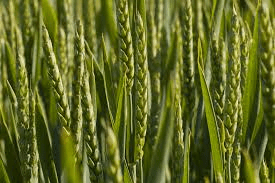
Common wheat, scientifically known as Triticum aestivum, is a cereal grain that is widely cultivated for its seeds, which are used for making flour and various food products.
While common wheat is primarily known for its role in the culinary world, it does not possess significant medicinal properties like many traditional medicinal plants. However, it does offer some nutritional benefits.
Common wheat is a member of the Poaceae family and is one of the most widely grown and important cereal crops globally. It is an annual grass that typically reaches a height of 2 to 4 feet (0.6 to 1.2 meters). The plant consists of several main parts.
Common wheat has a fibrous root system that helps anchor the plant and absorb water and nutrients from the soil.
The stems, or culms, are hollow and cylindrical. They support the leaves and the reproductive structures.
The leaves are long, narrow, and typically alternate along the stem. They have parallel venation, which is a common characteristic of grasses.
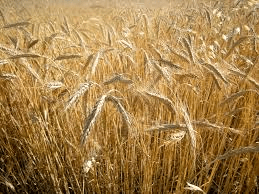
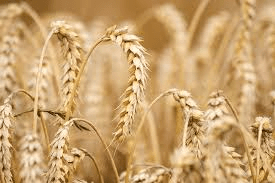
The inflorescence of wheat is a complex structure known as a spike. The spike is made up of several spikelets, each containing multiple florets. The florets are where the wheat grains develop.
The grains, commonly referred to as wheat kernels, develop from the fertilized ovary of the floret. These grains are the edible part of the plant and are used to make flour for various food products.
Read Also: A Guide to Growing and Caring for Paspalum Grass (Paspalum)
The Medicinal Health Benefits of Common Wheat (Triticum Aestivum)
1.Dietary Fiber for Digestive Health: Wheat contains dietary fiber, which aids digestion, prevents constipation, and supports a healthy gut. Fiber adds bulk to the stool, facilitating its movement through the intestines.
Consuming whole wheat products, such as whole wheat bread or pasta, can increase your fiber intake and promote regular bowel movements.
2. Energy Source: Wheat is a rich source of carbohydrates, providing energy for daily activities and bodily functions. Carbohydrates are the body’s primary fuel source.
A breakfast of whole wheat cereal or whole grain toast can provide sustained energy throughout the morning.
3. B Vitamins for Metabolism: Wheat contains various B vitamins, including thiamin (B1), riboflavin (B2), niacin (B3) and folate (B9), which are essential for metabolism, energy production, and nervous system health.
Including wheat-based foods in your diet can help ensure you’re getting a range of B vitamins that support your body’s functions.
4. Mineral Content for Bone Health: Wheat contains minerals like magnesium, which is important for bone health and various physiological processes.
Consuming wheat-based foods as part of a balanced diet contributes to your daily intake of magnesium, supporting strong bones.
5. Plant-Based Protein: Wheat contains protein, although its protein quality is not as high as certain other sources. However, it can still contribute to overall protein intake, especially when combined with other protein sources.
Combining wheat-based foods with legumes (beans, lentils) can create a complete protein meal, supplying the body with essential amino acids.
6. Antioxidants and Phytochemicals: While not as rich as fruits and vegetables, wheat contains some antioxidants and phytochemicals that have potential health benefits.
Consuming whole wheat products, such as whole grain cereal, adds a small amount of antioxidants to your diet.
The Methods of Usage to Achieve the Provided Health Benefits of Common Wheat
Here’s how you can use common wheat to achieve specific health benefits:
1. Dietary Fiber for Digestive Health: To benefit from wheat’s dietary fiber content for improved digestion. Choose whole wheat products. Opt for whole grain bread, whole wheat pasta, or brown rice instead of refined grains.
These products retain the bran and germ, which are rich in fiber.Increase vegetable and fruit intake. Incorporate fiber-rich vegetables and fruits alongside wheat-based meals to enhance digestive health.
2. Energy Source: To harness wheat’s energy-providing carbohydrates. Start your day with wheat-based breakfast. Choose whole grain cereals, oatmeal or whole wheat toast for sustained energy throughout the morning. Include wheat in balanced meals. Incorporate wheat-based foods in your meals to provide a steady source of energy throughout the day.
3. B Vitamins for Metabolism: To ensure you’re benefiting from wheat’s B vitamin content. Consume a variety of wheat products. Bread, pasta and cereals made from wheat can contribute to your B vitamin intake.
Include sources of lean protein Combining wheat with sources of lean protein like poultry, fish or legumes can provide a well-rounded supply of B vitamins.
4. Mineral Content for Bone Health: To support bone health through wheat’s mineral content. Choose whole grains. Opt for whole wheat products instead of refined versions to ensure you’re getting the maximum mineral content. Combine with calcium-rich foods.
Pair wheat-based meals with dairy or fortified plant-based milk for a calcium and magnesium boost.
5. Plant-Based Protein: To benefit from wheat’s protein content. Combine with complementary proteins. Pair wheat with legumes (beans, lentils), nuts, seeds or dairy products to create complete protein meals. Explore wheat-based recipes. Look for recipes that creatively combine wheat with other protein sources.
6. Antioxidants and Phytochemicals: To incorporate wheat’s antioxidants and phytochemicals. Choose whole grains. Select whole wheat products over refined grains to maximize the presence of antioxidants and phytochemicals. Embrace colorful meals.
Combine wheat-based dishes with a variety of colorful fruits and vegetables to enhance overall antioxidant intake.
Read Also: The Different Factors of Soil Formation
The Side Effects of Using Common Wheat Medicinal Plant
1. Gluten Sensitivity and Celiac Disease: Wheat contains gluten, a protein that can cause adverse reactions in individuals with gluten sensitivity or celiac disease. Celiac disease is an autoimmune disorder in which the consumption of gluten leads to damage in the small intestine.
Even small amounts of gluten can trigger symptoms such as abdominal pain, bloating, diarrhea, and fatigue in individuals with these conditions.
2. Allergic Reactions: While wheat allergies are less common than gluten sensitivities, some individuals may experience allergic reactions to wheat proteins. Symptoms can range from mild hives and itching to more severe reactions like difficulty breathing and anaphylaxis.
3. Digestive Issues: Some individuals may experience digestive discomfort, such as gas, bloating or indigestion, when consuming large quantities of wheat or wheat-based products. This can be due to the fiber content or other compounds present in wheat.
4. Nutrient Imbalances: Relying heavily on wheat-based foods to the exclusion of other nutrient sources can lead to imbalances in your diet. It’s important to consume a variety of foods to ensure you’re getting a wide range of nutrients.
5. Blood Sugar Spikes: Refined wheat products, such as white bread and sugary cereals, can lead to rapid spikes in blood sugar levels due to their high glycemic index. This can be a concern for individuals with diabetes or those trying to manage their blood sugar levels.
6. Weight Gain: Overconsumption of refined wheat products that are high in calories and low in nutrients could contribute to weight gain and obesity if not consumed in moderation.
7. Medication Interactions: If you’re on certain medications, especially those affecting blood sugar levels or metabolism, it’s a good idea to consult with a healthcare professional about how wheat consumption may interact with your medication.
8. Antinutrients: Wheat contains compounds known as antinutrients, such as phytic acid, which can interfere with the absorption of certain minerals like zinc, iron and calcium. However, the impact of these antinutrients is usually minimal in a balanced diet.
Nutritional Value of Triticum Aestivum (Common Wheat)
1. Carbohydrates: Common wheat is primarily composed of carbohydrates (about 70-75% in whole grain), providing a major energy source, with complex carbs in whole wheat aiding sustained energy release.
2. Dietary Fiber: Whole wheat contains significant fiber (10-12 g per 100 g), promoting digestive health, regulating blood sugar, and supporting heart health by lowering cholesterol.
3. Protein: Wheat grains provide 10-15% protein, including gluten, which supports muscle repair and growth, though it’s incomplete and lacks some essential amino acids.
4. B Vitamins: Rich in B vitamins like thiamine (B1), niacin (B3), and folate (B9), wheat supports energy metabolism, nerve function, and cell division.
5. Iron: Whole wheat contains iron (about 2.5 mg per 100 g), essential for oxygen transport in the blood and preventing anemia, though bioavailability is lower in plant sources.
6. Magnesium: With approximately 130 mg per 100 g in whole wheat, magnesium supports muscle function, bone health, and energy production.
7. Zinc: Wheat provides zinc (about 2.6 mg per 100 g), which boosts immune function, supports wound healing, and aids in DNA formation.
8. Phosphorus: This mineral (about 350 mg per 100 g) in wheat supports bone health, energy production, and cell membrane structure.
9. Phenolic Compounds: Whole wheat contains phenolic acids, which act as antioxidants, reducing oxidative stress and potentially lowering the risk of chronic diseases like cancer.
10. Selenium: Trace amounts of selenium (up to 70 mcg per 100 g) in wheat support thyroid function and provide antioxidant protection against cellular damage.
Scientific Evidence and Case Studies on Triticum Aestivum
1. Slavin et al. (2001): Slavin et al. reviewed the health benefits of whole grain wheat, finding that its fiber and phenolic compounds reduce the risk of heart disease and improve gut health by promoting beneficial gut bacteria.
2. Liu et al. (2010): Liu et al. conducted a study showing that whole wheat consumption improved insulin sensitivity in overweight adults, suggesting a role in diabetes prevention due to its fiber and bioactive compounds.
3. Aune et al. (2016): Aune et al. performed a meta-analysis linking higher whole wheat intake to a reduced risk of colorectal cancer, attributing this to its fiber, antioxidants, and anti-inflammatory properties.
Frequently Asked Questions About Triticum Aestivum
1. What is Triticum Aestivum?
Triticum aestivum, or common wheat, is a cereal grain and major global staple, used to produce flour for bread, pasta, and other foods.
2. How does whole wheat differ from refined wheat?
Whole wheat includes the bran, germ, and endosperm, retaining fiber, vitamins, and minerals, while refined wheat (white flour) lacks bran and germ, reducing nutritional value.
3. What are the health benefits of Triticum aestivum?
Whole wheat supports heart health, improves digestion, aids blood sugar control, and may reduce the risk of colorectal cancer due to its fiber and antioxidants.
4. Is Triticum aestivum safe for everyone?
It’s safe for most, but those with celiac disease or gluten sensitivity should avoid it due to gluten content. Consult a healthcare provider if unsure.
5. How is Triticum aestivum used in diets?
It’s consumed as whole grain bread, pasta, cereals, or flour in baking, providing energy and nutrients when included in a balanced diet.
6. Can Triticum aestivum help with weight management?
Whole wheat’s high fiber content promotes satiety, potentially aiding weight control when part of a calorie-controlled diet, as supported by research.
7. Where is Triticum aestivum grown?
It’s cultivated globally in temperate regions, including North America, Europe, Asia, and Australia, thriving in well-drained soils.
8. Are there risks associated with Triticum aestivum?
Excessive refined wheat consumption may spike blood sugar. Whole wheat is healthier but should be eaten in moderation for balanced nutrition.
Do you have any questions, suggestions, or contributions? If so, please feel free to use the comment box below to share your thoughts. We also encourage you to kindly share this information with others who might benefit from it. Since we can’t reach everyone at once, we truly appreciate your help in spreading the word. Thank you very much for your support and for sharing!
Disclaimer: This article is for educational and informational purposes only. The health benefits described are based on scientific research and traditional knowledge. They are not a substitute for professional medical advice, diagnosis, or treatment. Always consult a healthcare professional before using any herb or natural remedy for medical purposes.
Read Also: 14 Healthy Reasons To Eat Mangoes