


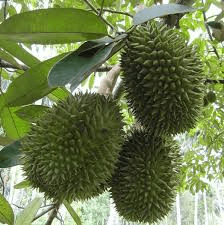
Durio zibethinus, commonly known as the durian, is a tropical fruit-bearing tree that is highly regarded for its distinctive and pungent fruit. While it is primarily known for its culinary attributes, some aspects of the durian have been considered for their potential medicinal benefits as well.
Durio zibethinus belongs to the Malvaceae family and is native to Southeast Asia. The tree can grow up to 25-50 meters in height and has large, evergreen leaves that are clustered at the ends of branches. The fruit of the durian is the most recognizable part of the tree. It is large, spiky, and can weigh anywhere from 1 to 4 kilograms.
The durian is famously known as the king of fruits in Southeast Asia. Its rich, custard-like flesh is consumed when ripe and is praised for its unique combination of sweet and savory flavors, along with a strong aroma that people either love or find overwhelming. Durian is consumed both fresh and in various culinary preparations, such as ice creams, candies, and pastries.
Read Also: 10 Medicinal Health Benefits of Anisodus tanguticus (Chinese Belladonna)
The Medicinal Health Benefits of Durian (Durio Zibethinus)
1. Rich Nutritional Profile: Durian is a good source of essential nutrients like carbohydrates, dietary fiber, vitamins (especially vitamin C, vitamin B complex), and minerals (like potassium and magnesium). These nutrients are essential for overall health, immune function, and metabolism.
The high vitamin C content in durian can support the immune system, helping the body fend off illnesses and infections.
2. Antioxidant Properties: Durian contains antioxidants, including vitamin C and various phytochemicals, that help counteract oxidative stress and prevent cell damage caused by free radicals.
The antioxidants in durian may contribute to healthier skin by reducing oxidative damage, which can lead to premature aging and skin disorders.
3. Dietary Fiber for Digestive Health: The dietary fiber content in durian aids in digestion, promotes regular bowel movements, and supports a healthy gut microbiome. Consuming durian along with a fiber-rich diet can help prevent constipation and maintain digestive regularity.
4. Phytochemical Potential: Durian contains various phytochemicals, such as flavonoids and carotenoids, which have been associated with potential health benefits, although more research is needed to fully understand their effects.
Some of the phytochemicals in durian might have anti-inflammatory properties, which could contribute to reduced inflammation in the body.
5. Energy Boost and Muscle Health: The carbohydrate content in durian provides a quick source of energy. Additionally, the potassium content can help maintain proper muscle function. Eating durian as a post-workout snack can provide both energy replenishment and electrolyte balance, aiding in muscle recovery.
6. Mood Enhancement: Durian contains compounds that some people believe might have positive effects on mood and stress reduction, although scientific evidence is limited. Some individuals claim that consuming durian helps them relax and unwind, similar to the comfort provided by other comfort foods.
The Methods of Usage to Achieve the Provided Health Benefits of Durian (Durio Zibethinus)
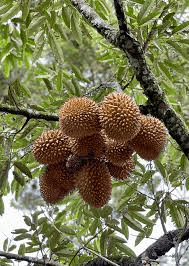
1. Consuming Nutrient-Rich Flesh: Eat the ripe flesh of durian as a fresh fruit, enjoying its rich nutritional profile. Peel the spiky outer shell to reveal the creamy, custard-like flesh inside. Choose fully ripe durians, which are softer and often have a stronger aroma.
You’ll obtain essential nutrients such as carbohydrates, vitamins (C and B complex), and minerals (potassium and magnesium) that support overall health.
2. Boosting Antioxidant Intake: Incorporate durian into your diet to benefit from its antioxidant content.Consume durian as part of your daily fruit intake. You can enjoy it on its own or add it to fruit salads, smoothies. Antioxidants in durian, including vitamin C and phytochemicals, can help protect cells from oxidative stress and support skin health.
3. Promoting Digestive Health: Utilize durian’s dietary fiber content to support digestive regularity and gut health. Consume durian flesh regularly. You can eat it as a snack or add it to meals. The dietary fiber in durian can aid digestion, prevent constipation, and contribute to a healthy gut microbiome.
4. Exploring Phytochemical Potential: While more research is needed on the specific health benefits of durian’s phytochemicals, you can incorporate it into your diet to potentially access these compounds. Consume durian as part of your fruit intake. Be sure to choose ripe durians for optimal flavor and nutritional content.
Phytochemicals in durian might have anti-inflammatory properties, contributing to reduced inflammation in the body.
5. Energizing and Muscle Support: The carbohydrates and potassium in durian can offer energy and aid in muscle function. Eat durian as a snack or incorporate it into post-workout meals or snacks. The carbohydrate content can provide a quick energy source, and the potassium can support muscle health and recovery.
6. Potential Mood Enhancement: While the mood-enhancing effects of durian are anecdotal and not well-studied, some individuals believe it might contribute to relaxation and stress reduction. Consume durian in a relaxed setting, paying attention to how it makes you feel. Some individuals report a sense of comfort and relaxation after eating durian, similar to the effects of comfort foods.
Read Also: 20 Medicinal Health Benefits of Angelica acutiloba (Japanese Angelica)
The Side Effects of Using Durian Medicinal Plant
Here are some possible side effects and considerations related to durian consumption:
1. Allergic Reactions: Some individuals may be allergic to durian. Allergic reactions can range from mild symptoms such as itching and hives to more severe reactions like difficulty breathing or anaphylaxis, a life-threatening reaction. If you have a known allergy to durian or other tropical fruits, avoid its consumption.
2. Odor and Aftertaste: Durian has a strong and distinctive odor that many people find overpowering. Some individuals might experience a lingering aftertaste as well. The smell can be off-putting for some, and the taste might take time to acquire.
3. Gastrointestinal Distress: The consumption of durian, especially in excessive amounts, might lead to gastrointestinal discomfort, including bloating, gas, and indigestion. This is particularly relevant for individuals who are not accustomed to the fruit’s high fiber content.
4. High Caloric Content: Durian is energy-dense due to its carbohydrate content. Overconsumption can lead to an excessive calorie intake, potentially contributing to weight gain if not balanced with physical activity.
5. Sulfur Compounds: Durian contains sulfur compounds that contribute to its unique odor. Some people might experience flatulence or a sulfur-like aftertaste after consuming durian.
6. Interactions with Medications: Durian might interact with certain medications. For example, some sources suggest that durian might inhibit the enzyme CYP3A4, which is responsible for metabolizing certain drugs. This could potentially alter the effectiveness of certain medications.
7. Blood Sugar Concerns: While durian’s natural sugars can provide quick energy, individuals with diabetes should be cautious about their consumption due to the fruit’s high glycemic index.
Nutritional Value of Durio Zibethinus (Durian)
1. Carbohydrates: Durian is rich in carbohydrates (about 27 g per 100 g), providing a quick energy source due to its natural sugars, primarily sucrose and fructose.
2. Dietary Fiber: Contains significant fiber (3.8 g per 100 g), promoting digestive health, regulating blood sugar, and aiding in cholesterol reduction.
3. Vitamin C: Provides a high amount of vitamin C (19.7 mg per 100 g), supporting immune function, skin health, and acting as an antioxidant.
4. Potassium: Offers potassium (436 mg per 100 g), which supports heart health, muscle function, and fluid balance.
5. Folate (Vitamin B9): Contains folate (36 mcg per 100 g), essential for cell division and preventing neural tube defects during pregnancy.
6. Vitamin B6: Includes vitamin B6 (0.3 mg per 100 g), aiding in brain health, mood regulation, and energy metabolism.
7. Magnesium: Provides magnesium (30 mg per 100 g), supporting muscle relaxation, nerve function, and bone health.
8. Thiamine (Vitamin B1): Contains thiamine (0.4 mg per 100 g), crucial for energy metabolism and nerve function.
9. Tryptophan: A precursor to serotonin, tryptophan in durian may contribute to mood enhancement and sleep regulation, though quantities are small.
10. Sulfur Compounds: Responsible for durian’s distinct aroma, these compounds may have mild antioxidant properties, though their nutritional impact is minimal.
Scientific Evidence and Case Studies on Durio Zibethinus
1. Patricia et al. (20o8): Ho et al. analyzed the antioxidant capacity of durian, finding that its phenolic compounds and vitamin C contribute to significant free radical scavenging activity, potentially reducing oxidative stress-related diseases.
2. Leontowicz et al. (2007): Leontowicz et al. studied the effects of durian consumption on lipid profiles in rats, showing that its fiber and antioxidants reduced cholesterol levels, suggesting cardiovascular benefits.
3. Charoenkiatkul et al. (2014): Charoenkiatkul et al. investigated durian’s impact on postprandial glucose in humans, finding that its fiber content helped moderate blood sugar spikes, supporting its use in balanced diets.
Frequently Asked Questions About Durio Zibethinus
1. What is Durio Zibethinus?
Durio zibethinus, or durian, is a tropical fruit native to Southeast Asia, known for its strong odor, creamy flesh, and large, spiky husk.
2. How is durian used in diets?
Durian is eaten fresh, added to desserts, smoothies, or processed into products like ice cream and candies, popular in Southeast Asian cuisines.
3. What are the health benefits of durian?
It supports heart health, aids digestion, boosts immunity, and may stabilize blood sugar due to its fiber, vitamins, and antioxidants.
4. Is durian safe for everyone?
Safe in moderation for most, but its high sugar and calorie content (147 kcal per 100 g) may be problematic for diabetics or those on low-calorie diets; rare allergies exist.
5. Why does durian have a strong smell?
Its sulfur compounds, like ethyl α-methylbutyrate, create a pungent odor, often described as onion-like or garlicky, but do not affect its nutritional value.
6. Can durian help with weight management?
Its fiber promotes satiety, but high calorie and sugar content suggest moderation to avoid weight gain.
7. Where is durian grown?
It thrives in tropical climates of Southeast Asia, including Malaysia, Indonesia, Thailand, and the Philippines, preferring warm, humid conditions.
8. Are there risks associated with durian?
Excessive consumption may spike blood sugar or cause digestive discomfort; combining with alcohol may lead to adverse reactions, so caution is advised.
Do you have any questions, suggestions, or contributions? If so, please feel free to use the comment box below to share your thoughts. We also encourage you to kindly share this information with others who might benefit from it. Since we can’t reach everyone at once, we truly appreciate your help in spreading the word. Thank you very much for your support and for sharing!
Disclaimer: This article is for educational and informational purposes only. The health benefits described are based on scientific research and traditional knowledge. They are not a substitute for professional medical advice, diagnosis, or treatment. Always consult a healthcare professional before using any herb or natural remedy for medical purposes.
Read Also: 6 Ways Grapes Benefit Your Body That You Never knew About