


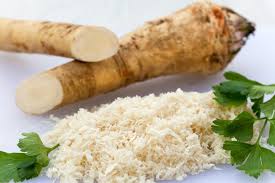
Horseradish (Armoracia rusticana) is most frequently used as a condiment. When cooked, it becomes a well-liked topping for meat and fish while being largely known for its powerful flavor.
Long used in folk medicine, the entire horseradish plant is effective for both preventing and treating a variety of common illnesses. It belongs to the class of vegetables known as cruciferous vegetables or glucosinolate-rich vegetables.
Horseradish peroxidase is one of the many enzymes and antioxidants that it contains. These substances may inhibit the formation of bacteria, provide a healthy balance of vitamins and minerals to support a balanced diet, and fight off illness and disease with antioxidants.
The mustard oil in this root vegetable can be extremely irritating to the skin, mouth, nose, throat, digestive system, and urinary tract for some people. If using topically, it could be wise to the first screen for responses with a formulation containing less than 2% mustard oil.
Why does horseradish damage my head is a frequent query? This could be a result of the presence of an organosulfur substance called allyl isothiocyanate, which can enter the nasal cavity and result in a nerve reaction that could feel tingly.
The flavor and smell’s intensity can have a greater impact on kids. It’s probably better for kids to stay away from it until they’re at least five years old.
Read Also: 6 Health Benefits of Milk Thistle (Silybum marianum)
7 Health Benefits of Horseradish (Armoracia rusticana)
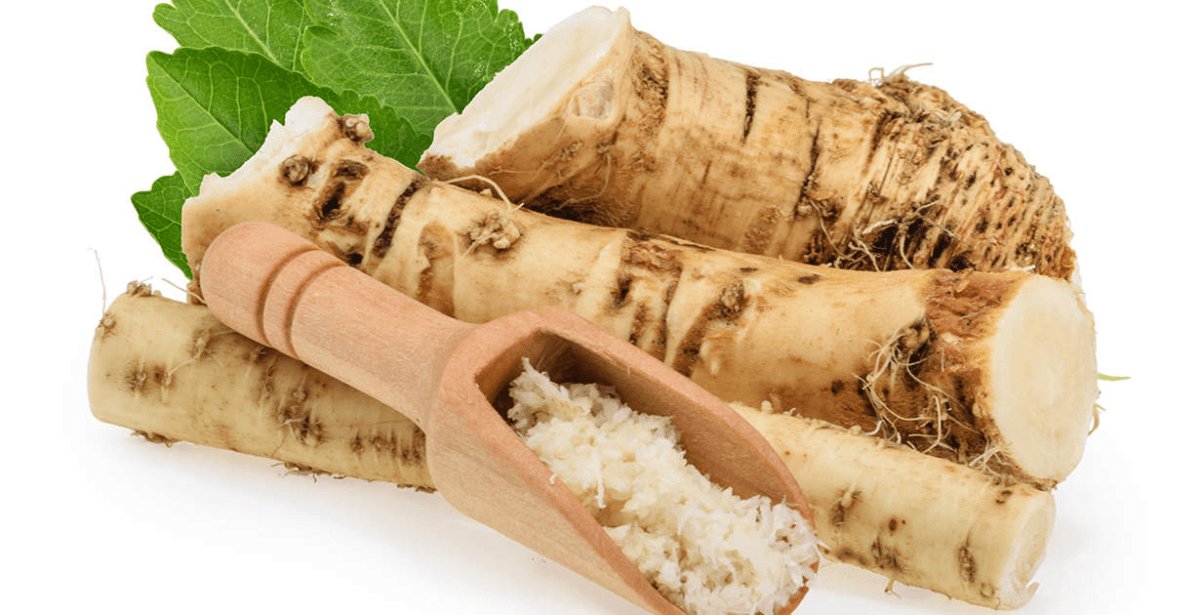
1. Anticancer
This root vegetable contains glucosinolates, which give it its fiery flavor and are potent anti-cancer agents. Glucosinolates are compounds found in plants that shield them from harmful or severe conditions.
Horseradish is remarkable in that it has ten times as many glucosinolates as broccoli, providing numerous advantages even in tiny doses.
Numerous studies, including one from the University of Illinois, have demonstrated instances where this root vegetable contributes to the body’s increased cancer resistance.
According to research, it may aid in inducing cell death in human breast and colon cancer cells and shield them from oxidative damage caused by free radicals.
The potential use of glucosinolates as chemopreventive agents are growing as new research is published. Cutting and grinding the root for preparation is perfectly acceptable because one study found that processing and preparation actually enhance the root’s anticancer properties which is quite uncommon with vegetables.
2. Antioxidants
Increased consumption of foods high in antioxidants can assist the body to reverse or prevent the serious harm that free radicals can cause. Numerous Phytocompounds, or antioxidants that are good for human health, can be found in horseradish roots.
The root contains certain antimutagenic antioxidants. This indicates that they shield certain body sections from mutagens that could endanger them permanently.
There is proof that heart disease and other prevalent degenerative conditions are caused by mutations. It’s interesting to note that one in vitro study found that horseradish extract could lessen the DNA damage caused by the antibiotic zeocin, which is known to produce oxidative stress.
Read Also: 5 Health Benefits of Marshmallow Root (Althaea Officinalis)
3. Antibacterial
Allyl isothiocyanate, often known as mustard oil, is the substance that gives horseradish, wasabi, and other acrid foods their distinctive flavor. This colorless oil has been proven effective as an antibacterial against a variety of diseases.
The potent antimicrobial and antibacterial properties of horseradish roots have been extensively studied.
There has been research on the preservation of roast beef and preventing deterioration using horseradish essential oil. The majority of the bacteria’s growth was impeded by the beef’s use of horseradish, preventing spoiling.
Additionally, horseradish root benefits phagocytes, a type of cell in the body that engulfs and absorbs microorganisms. An experiment done on mice revealed that it improved the phagocytes’ capacity to fight off infection and disease.
4. Combats Respiratory Illness
Horseradish has long been used in traditional medicine to treat bronchitis, sinusitis, cough, and the common cold due to its antibacterial characteristics.
A natural medication made from the root was compared to traditional antibiotics in a German study. Amazing research revealed that using natural extract to treat acute sinusitis and bronchitis was as effective as using traditional methods.
These results are extremely promising given the numerous negative consequences of antibiotic therapy. They also support the notion that additional study is required to decrease the usage of antibiotics and discover all-natural treatments for prevalent diseases.
The truth is that a lot of antibiotics used to treat respiratory illnesses frequently exacerbate the underlying cause rather than just treating the symptoms.
The truth is that a lot of antibiotics used to treat respiratory illnesses frequently exacerbate the underlying cause rather than just treating the symptoms.
This cruciferous vegetable’s strong aroma also aids in clearing mucus from the upper respiratory tract to guard against infection. It may feel like you are making too much mucus when taking this root vegetable for sinus issues, but this can be advantageous.
Your body will begin to eliminate waste within a day or two, which is a crucial step in avoiding infection.
Read Also: 5 Health Benefits of Licorice Root (Glycyrrhiza glabra)
5. Helps Treat Urinary Tract Infections
Horseradish root is also very effective in treating acute urinary tract infections better than traditional antibiotic treatments, which typically involve a lot of unfavorable side effects because of its capacity to inhibit bacterial growth and microorganisms.
The root also contains the glycoside sinigrin, which is known to decrease water retention and function as a natural diuretic, helping to ward off kidney and urinary tract infections.
Allyl isothiocyanate, which is excreted in the urine and has demonstrated anti-bladder cancer qualities, may contribute to the root vegetable’s ability to fight infections.
6. Aids Digestion
Horseradish has digestive-stimulating, bowel-controlling, and constipation-relieving enzymes. Bile supports a healthy digestive tract and helps the body get rid of extra cholesterol, lipids, and other waste.
This root vegetable is regarded as a Cholagogue, which is a chemical that encourages the gallbladder to produce bile to aid with digestion.
Additionally, it offers a tiny quantity of fiber, which is crucial for supporting regularity and digestive health.
Some studies indicate that increasing your dietary fiber intake may be able to help you avoid problems including gastroesophageal reflux disease (GERD), diverticulitis, and stomach ulcers.
7. Anti-inflammatory
People in ancient Greece utilized horseradish as a natural painkiller to help with back pain. It has also been utilized in other forms of conventional medicine to lessen headache-related pain and inflammation.
Horseradish is frequently administered topically to body parts suffering from discomfort brought on by inflammation, arthritis, or injury, though additional research is required. This might be a result of the anti-inflammatory effects included in the several advantageous chemicals it possesses.
Read Also: 4 Health Benefits of Valerian Root (Valeriana officinalis)
Scientific Evidence and Case Studies on Horseradish Root (Armoracia rusticana)
1. Acute Sinusitis and Bronchitis: A randomized, double-blind study conducted by Albrecht et al. investigated the efficacy of a herbal medicinal product containing horseradish root and nasturtium herb. The results showed that the combination was as effective as standard antibiotics in treating acute sinusitis and bronchitis, with a significantly lower rate of adverse events compared to the antibiotic group.
2. Antimicrobial Activity: Research by Park et al. evaluated the antimicrobial effects of allyl isothiocyanate extracted from horseradish root against various oral pathogens. The study demonstrated that the extract exhibited strong bactericidal activity against antibiotic-resistant bacteria, suggesting its potential utility as a natural alternative for oral hygiene and infection control.
3. Anticancer Properties: An in vitro study by Weil et al. analyzed the effect of horseradish glucosinolates and their breakdown products on human cancer cells. The findings indicated that the bioactive compounds in horseradish induced cell cycle arrest and apoptosis (programmed cell death) in colon and lung cancer cells, highlighting its potential chemopreventive properties.
4. Urinary Tract Infections (UTIs): A cohort study by Goos et al. examined the prophylactic effect of a horseradish and nasturtium preparation in patients with recurrent urinary tract infections. The data revealed a significant reduction in the recurrence rate of UTIs among participants, supporting the traditional use of horseradish as a urinary antiseptic.
5. Anti-inflammatory Effects: A study by Marzocco et al. investigated the anti-inflammatory mechanism of horseradish extract in macrophage cells. The researchers found that the extract significantly inhibited the production of nitric oxide and reactive oxygen species, thereby reducing oxidative stress and inflammation markers associated with chronic diseases.
Nutritional Value Of Horseradish Root (Armoracia rusticana)
1. Glucosinolates: Horseradish is exceptionally rich in glucosinolates, particularly sinigrin. When the root is crushed, these compounds are converted by enzymes into isothiocyanates, which are potent antioxidants known for their cancer-fighting capabilities and ability to stimulate the immune system.
2. Vitamin C: The root contains a high concentration of Vitamin C (ascorbic acid), often exceeding the amounts found in common citrus fruits by weight. This essential nutrient acts as a powerful antioxidant, supports immune function, aids in collagen synthesis, and enhances iron absorption.
3. Dietary Fiber: Horseradish provides a significant amount of dietary fiber relative to its serving size. Fiber is essential for maintaining a healthy digestive system, promoting regular bowel movements, and helping to regulate blood sugar and cholesterol levels.
4. Potassium: This mineral is present in moderate amounts in horseradish root. Potassium is vital for maintaining proper fluid balance, facilitating muscle contractions, and regulating nerve signals, which contributes to overall cardiovascular health.
5. Calcium: The root offers a source of calcium, which is crucial for the development and maintenance of strong bones and teeth. Adequate calcium intake also supports proper blood clotting and muscle function.
6. Folate (Vitamin B9): Horseradish contains folate, a B-vitamin necessary for DNA synthesis and repair. It plays a critical role in cell division and growth, making it an important nutrient for overall metabolic health.
7. Myrosinase Enzymes: While not a nutrient in the traditional sense, the root is a rich source of the enzyme myrosinase. This enzyme is essential for converting inactive glucosinolates into their active, health-promoting isothiocyanate forms when the root is grated or chewed.
Frequently Asked Questions About Horseradish Root (Armoracia rusticana)
1. Why does horseradish cause a burning sensation in the nose? The burning sensation is caused by allyl isothiocyanate, a volatile compound released when the root is crushed that stimulates nerve receptors in the sinuses.
2. Can horseradish help with weight loss? Yes, it is low in calories and contains compounds that may boost metabolism and aid digestion, potentially supporting weight loss efforts.
3. Is horseradish safe for people with thyroid issues? People with hypothyroidism should consume it in moderation, as it contains goitrogens that can interfere with thyroid function if eaten in very large amounts.
4. How should fresh horseradish be stored? Fresh horseradish root should be wrapped in a damp paper towel, placed in a plastic bag, and stored in the vegetable crisper drawer of the refrigerator.
5. Is it safe to eat horseradish during pregnancy? While small culinary amounts are generally considered safe, pregnant women should avoid large medicinal doses due to the presence of mustard oil, which can be irritating.
6. What is the difference between horseradish and wasabi? True wasabi is a different plant (Eutrema japonicum), but most commercial “wasabi” is actually colored horseradish paste due to the high cost and scarcity of real wasabi.
7. Can horseradish kill bacteria? Yes, the isothiocyanates released from horseradish have potent antibacterial and antifungal properties that can help fight various infections.
8. Does prepared horseradish spoil? Yes, once opened, prepared horseradish in a jar will eventually lose its pungency and turn brown; it should be kept refrigerated and used within 3 to 4 months for best quality.
Do you have any questions, suggestions, or contributions? If so, please feel free to use the comment box below to share your thoughts. We also encourage you to kindly share this information with others who might benefit from it. Since we can’t reach everyone at once, we truly appreciate your help in spreading the word. Thank you very much for your support and for sharing!
Disclaimer: This article is for educational and informational purposes only. The health benefits described are based on scientific research and traditional knowledge. They ayre not a substitute for professional medical advice, diagnosis, or treatment. Always consult a healthcare professional before using any herb or natural remedy for medical purposes.
Read Also: Top 20 Proven Benefits of Ginger Plant