


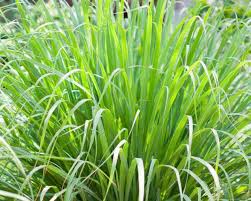
Lemongrass which belongs to the Poaceae family of grass, is scientifically known as Cymbopogon. It develops in tense bunches that can reach heights of six feet and a width of four feet.
It is indigenous to hot, tropical places including India, Southeast Asia, and Oceania. It is a frequent ingredient in Asian cooking and is used as a medicine in India. It is widely used to make tea in nations in Africa and South America.
The leaves or grasses of the lemongrass plant, most frequently Cymbopogon Flexuosus or Cymbopogon Citratus, are used to make lemongrass oil. The oil smells faintly of lemon with overtones of soil. It is energizing.
Lemongrass includes luteolin, glycosides, quercetin, kaempferol, elemicin, catechol, chlorogenic acid, and caffeic acid, among other antioxidants, flavonoids, and phenolic substances. This fragrant herb’s major constituent, lemonal or citral, has antifungal and antimicrobial properties.
Lemongrass is a fragrant source of vital nutrients that offers a number of health advantages. It is a source of important vitamins and minerals, including vitamin A, B vitamins, folate, and vitamin C, as well as potassium, magnesium, phosphorus, manganese, zinc, and iron, according to the USDA Food Data Central.
Lemongrass is a traditional herb that is used in Thai, Vietnamese, Cambodian, and Indonesian cooking. Due to its natural antibacterial properties, lemongrass essential oil has a history of use as a natural food preservative.
Read Also: 6 Health Benefits of Fennel (Foeniculum vulgare)
There are various international common names for the lemongrass plant (C. Citratus), including West Indian lemon grass or lemon grass in English, Hierba Limon or Zacate de limón in Spanish, Citronelle or Verveine des Indes in French, and Xiang mao in Chinese (Chinese). With over 80% of global yearly production, India is currently the largest producer of lemongrass oil.
One of the most widely utilized essential oils nowadays due to its numerous health advantages and applications is lemongrass. It is well recognized for battling heat and constricting bodily tissues because to its cooling and astringent properties. It acts primarily on the connective tissue, where structural and immunological processes intersect.
Lemongrass is effective in treating edema and lymphatic congestion because it affects the lymphatic capillaries and arteries that drain from the skin.
Read Also: 7 Health Benefits of Lemon Balm (Melissa officinalis)
7 Health Benefits of Lemongrass (Cymbopogon)

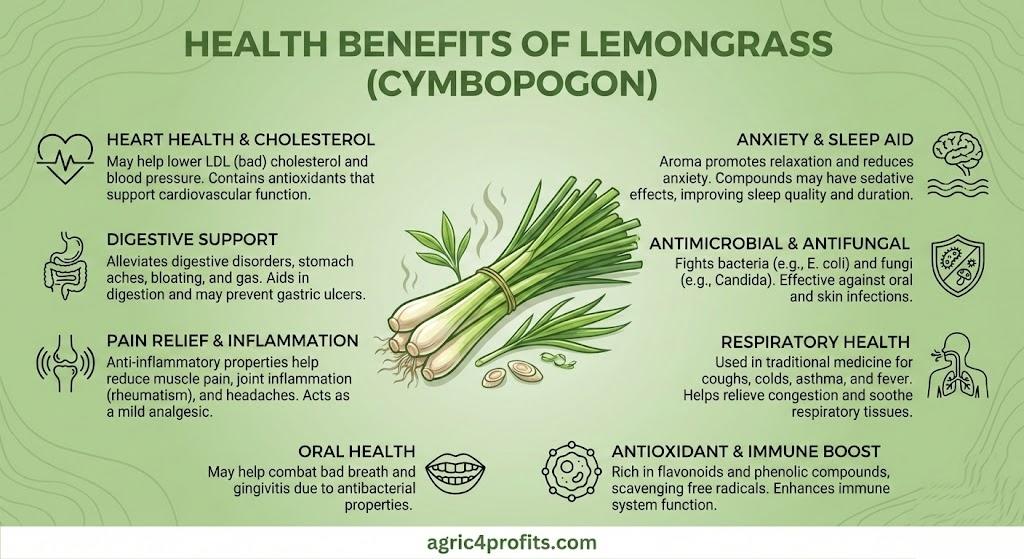
1. Lower Cholesterol
The essential oils in lemongrass have been shown to have anti-hyperlipidemic and anti-hypercholesterolemic effects that support healthy cholesterol levels.
Lemongrass may also help maintain healthy levels of triglycerides and lower LDL, or bad cholesterol, according to one animal study.
This may aid in preventing cholesterol buildup in blood vessels and increasing unhindered blood flow in the arteries, hence preventing various heart illnesses like atherosclerosis.
2. May Help To Detoxify The Body
Lemongrass’s diuretic effects may aid in the removal of dangerous toxic wastes from the body. Detoxification may aid in the management of several bodily organs, such as the liver and kidneys, and it may also aid in lowering uric acid levels.
The herb’s potential diuretic impact aids in maintaining digestive health and body detoxification by increasing the volume and frequency of urination.
Read Also: 6 Health Benefits of Juniper Berries
3. Relieves Stomach Disorder
According to studies, lemongrass essential oil may contain anti-microbial and anti-bacterial characteristics that can help combat diseases brought on by pathogens like Escherichia coli and Helicobacter pylori.
It is excellent in lowering inflammation and gastrointestinal issues; it may be beneficial to take if you have gastric ulcers, constipation, ulcerative colitis, diarrhea, nausea, or stomach aches, as well as to enhance digestion.
Anecdotally, lemongrass has been used for generations to treat gastritis, gastric ulcers, and indigestion. Research is now catching up to this long-known treatment and support.
A 2012 study demonstrates how ethanol and aspirin-induced gastrointestinal damage to animal subjects’ stomachs could be prevented by using lemongrass essential oil (Cymbopogon citratus).
Lemongrass oil may serve as a lead compound for future development of innovative therapeutics that combat nonsteroidal anti-inflammatory drug-associated gastropathy.
4. May Help Treat Infections
Lemongrass has antibacterial and anti-fungal characteristics that make it a good antiseptic for treating diseases like ringworm, sores, athlete’s foot, scabies, and urinary tract infections (UTI).
Inhibiting the formation of pathogens is how the herb treats dermatological illnesses including yeast infections, according to studies.
Another study gives evidence demonstrating the superiority of lemongrass oil over thyme, patchouli, and cedarwood oil in the treatment of a variety of illnesses such vaginal or oral candidiasis.
5. Aids Aromatherapy
The useful essential oils and substances found in lemongrass include neroli, citronellol, myrcene, Dipentene, geraniol, and methyl heptane. Due to its healing properties, which aid in reviving the body, the oil is widely utilized in aromatherapy.
The essential oil’s cooling properties are advantageous for the body in hot weather and encourage the renewal of the mind and soul. Natural astringent and toning properties in this oil aid in promoting blood circulation and firming up skin tissues. For relaxing the nerves and reducing tension, weariness, and anxiety, it is utilized in therapeutic baths.
Read Also: 11 Unique Health Benefits of Feverfew (Tanacetum parthenium)
6. Skin Care
Is lemongrass oil skin-friendly? The ability of lemongrass essential oil to treat skin is one of its main advantages. In one study, researchers examined how a lemongrass infusion, which is created by scalding water over dried lemongrass leaves, affected the skin of animal test subjects.
Rats paws were treated with the infusion to evaluate lemongrass sedative effects. Lemongrass’s ability to relieve discomfort suggests that it can be utilized to calm skin irritations.
Shampoos, conditioners, deodorants, soaps, and lotions can all be made with lemongrass oil. With its antibacterial and astringent qualities, lemongrass oil is an excellent cleanser for all skin types and should be a part of your natural skin care regimen to achieve even, beautiful skin.
It can sanitize your pores, act as a natural toner, and fortify the tissues of your skin. You can relieve headaches or muscle pain by massaging this oil into your hair, scalp, and body.
7. Antibacterial

A 2012 study examined the impact of lemongrass’s antimicrobial properties. When lemongrass essential oil was introduced to a staph infection during a disk diffusion test on microorganisms, the results showed that the infection was disturbed and that the oil acts as an antibacterial (or bacteria-killing) agent.
Lemongrass oil contains citral and limonene, which can either kill or suppress the growth of germs and fungi. This will assist you in avoiding fungus diseases like ringworm, athlete’s foot, and other similar conditions. Lemongrass essential oil is a powerful antifungal and antibacterial agent, according to studies done on rats.
Read Also: 11 Unique Health Benefits of Feverfew (Tanacetum parthenium)
Nutritional value of Health Benefits of Lemongrass (Cymbopogon)
1. Citral:
The primary compound in lemongrass essential oil, citral (a mixture of geranial and neral) provides the characteristic lemon scent and contributes strong antimicrobial, antioxidant, and anti-inflammatory effects.
This key component supports many of the plant’s therapeutic properties, including potential benefits for digestion and infection resistance.
2. Myrcene:
A monoterpene found in the essential oil, myrcene offers analgesic, sedative, and anti-inflammatory properties while enhancing the absorption of other compounds.
It plays a role in pain relief and calming effects observed in traditional uses.
3. Geraniol:
This aromatic compound exhibits antioxidant, antimicrobial, and potential anticancer activities, helping protect cells from damage.
Geraniol adds to lemongrass’s fragrance and supports skin health applications.
4. Flavonoids (e.g., Quercetin, Luteolin):
Polyphenolic flavonoids like quercetin and luteolin provide potent antioxidant and anti-inflammatory benefits, reducing oxidative stress.
These compounds aid in immune support and inflammation reduction throughout the body.
5. Phenolic Acids (e.g., Chlorogenic Acid, Caffeic Acid):
Phenolic acids contribute strong antioxidant effects, scavenging free radicals and supporting cardiovascular health.
They enhance the plant’s ability to combat oxidative damage and inflammation.
6. Vitamin A:
Lemongrass leaves contain vitamin A precursors, important for vision, immune function, and skin health.
This vitamin supports overall wellness and tissue repair.
7. Vitamin C:
A water-soluble antioxidant vitamin in the plant, vitamin C boosts immunity and collagen production.
It helps in wound healing and protects against infections.
8. Potassium:
As a key mineral, potassium aids in blood pressure regulation, muscle function, and fluid balance.
High levels contribute to lemongrass tea’s potential hypotensive effects.
9. Calcium:
Essential for bone health and muscle contraction, calcium in lemongrass supports structural integrity.
It complements the plant’s role in general nutritional support.
10. Iron:
Iron content helps prevent anemia by supporting red blood cell production and oxygen transport.
This mineral adds to the plant’s value as a dietary herb in traditional cuisines.
Scientific Evidence and Case Studies on Health Benefits of Lemongrass (Cymbopogon)
1. Antioxidant Activity:
Lemongrass essential oil and extracts demonstrated strong free radical scavenging and antioxidant effects in various assays, comparable to standards (Francisco et al., 2011).
2. Anti-inflammatory Effects:
Leaf infusion reduced inflammation in lipopolysaccharide-stimulated dendritic cells, attributed to polyphenols (Figueirinha et al., 2010).
3. Antimicrobial Properties:
Essential oil showed activity against bacteria and fungi, including Candida, supporting traditional antifungal uses (Hammer et al., 1999).
4. Anxiolytic Effects:
Aromatherapy with lemongrass essential oil significantly reduced anxiety in patients during dental procedures in a randomized trial (Arslan et al., 2024).
5. Hypoglycemic and Hypolipidemic:
Aqueous leaf extract lowered blood glucose and lipids in rat models of diabetes (Adeneye and Agbaje, 2007).
6. Anti-hypertensive Potential:
Comprehensive review highlighted vasorelaxant and cardiovascular protective effects of lemongrass and citral across studies (Campos et al., 2022).
7. Anticancer Potential:
Components like citral exhibited cytotoxicity against cancer cell lines while sparing normal cells in vitro (Mukarram et al., 2021).
8. Hepatoprotective:
Extract protected against paracetamol-induced liver damage in rats via antioxidant mechanisms (Saenthaweesuk et al., various).
These findings provide evidence for antioxidant, antimicrobial, anti-inflammatory, and anxiolytic benefits, though many are preclinical and require more human trials.
Summary of Health Benefits of Lemongrass (Cymbopogon)
| Aspect | Key Details |
|---|---|
| Plant Overview | Perennial aromatic grass from Poaceae family, native to tropical Asia; rich in essential oils with lemony scent from citral. |
| Primary Benefits | Digestive aid, antioxidant protection, anti-inflammatory, antimicrobial (antibacterial/antifungal), anxiety/stress reduction. |
| Other Benefits | Immune boosting, pain relief, respiratory support, skin/hair health, blood pressure/cholesterol regulation, detoxification, weight management, menstrual relief. |
| Key Constituents | Citral, myrcene, geraniol, flavonoids (quercetin), phenolic acids, vitamins (A, C), minerals (potassium, calcium, iron). |
| Usage Forms | Tea/infusion, essential oil (aromatherapy/topical), culinary (soups/curries), poultice, tincture, capsules. |
| Precautions | Possible allergies/skin irritation; dilute oil; caution in pregnancy/breastfeeding, low blood pressure, diabetes meds; consult professional for interactions. |
Frequently Asked Questions About Health Benefits of Lemongrass (Cymbopogon)
1. What is lemongrass primarily used for?
It is mainly used for its digestive benefits, relieving cramps and indigestion, while also providing antioxidant and anti-inflammatory support.
2. Does lemongrass help reduce anxiety?
Yes, inhaling its essential oil or drinking tea can have calming, anxiolytic effects due to compounds acting on GABA receptors.
3. Is lemongrass effective against infections?
Its essential oil shows strong antibacterial and antifungal properties, helpful for skin issues or oral health.
4. Can lemongrass lower blood pressure?
Tea or extracts may help regulate blood pressure through diuretic and vasorelaxant effects, but monitor if you have low BP.
5. Is lemongrass safe during pregnancy?
Use caution and consult a healthcare provider, as high doses may pose risks.
6. How do you prepare lemongrass tea?
Steep fresh or dried stalks/leaves in hot water for 5-10 minutes; add ginger or mint for enhanced benefits.
7. Does lemongrass aid in weight loss?
It may boost metabolism and act as a mild diuretic, supporting weight management when combined with diet.
8. Can it improve skin health?
Topical use of diluted oil reduces acne, oiliness, and promotes glow due to antimicrobial and antioxidant actions.
9. Are there side effects of lemongrass?
Possible skin irritation from undiluted oil, stomach upset in excess, or interactions with blood sugar/pressure meds.
10. Does lemongrass help with cholesterol?
Studies suggest it can reduce bad cholesterol levels, supporting heart health.
Do you have any questions, suggestions, or contributions? If so, please feel free to use the comment box below to share your thoughts. We also encourage you to kindly share this information with others who might benefit from it. Since we can’t reach everyone at once, we truly appreciate your help in spreading the word. Thank you very much for your support and for sharing!
Disclaimer: This article is for educational and informational purposes only. The health benefits described are based on scientific research and traditional knowledge. They ayre not a substitute for professional medical advice, diagnosis, or treatment. Always consult a healthcare professional before using any herb or natural remedy for medical purposes.
Read Also: Cost of Starting a Waste Management Business