


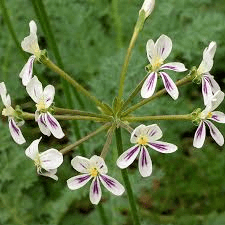
Pelargonium triste, commonly referred to as Triste pelargonium, is a perennial plant that belongs to the Geraniaceae family. Originating from the southern regions of Africa, this botanical marvel has not only captivated gardeners but also herbalists and health enthusiasts due to its remarkable medicinal properties.
The leaves of Pelargonium triste are a sight to behold. They are a vibrant green and exhibit a distinctively serrated or toothed edge. The leaves are also often deeply lobed, giving them an intricate and ornate appearance.
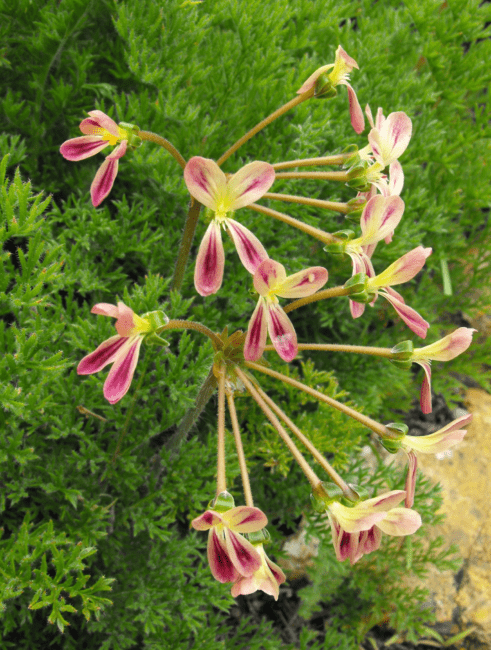
The delicate and enchanting pink flowers of Pelargonium triste are a true spectacle. Clusters of these blossoms grace the plant during its flowering season. The petals are characterized by their soft hue and subtle veining, creating a sense of understated elegance.
The stems of Pelargonium triste are often slender and slightly woody at the base. They can vary in length and are adorned with leaves and clusters of flowers that add to the plant’s aesthetic appeal.
Pelargonium triste develops a complex network of roots. These roots play a crucial role in absorbing nutrients and water from the soil, supporting the plant’s growth and vitality.
Pelargonium triste is well adapted to the specific environmental conditions of its native regions in southern Africa. It thrives in areas with well-draining soil and ample sunlight. The plant is often found in grasslands, savannas, and other open habitats where it can receive the sunlight it needs to flourish.
Beyond its visual allure, Pelargonium triste holds cultural significance among indigenous communities in Africa. Traditional healers have long recognized the plant’s medicinal properties, using it to treat various ailments. Its leaves and roots are particularly valued for their therapeutic potential, making it a staple in herbal remedies.
Read Also: Significance And Uses of Night Blooming Flowers
The Medicinal Health Benefits of Pelargonium triste (Triste pelargonium)
1. Immune System Support: Pelargonium triste contains bioactive compounds that can bolster the immune response. These compounds stimulate the body’s defenses, aiding in the prevention and management of infections.
2. Respiratory Health: The plant’s properties act as an expectorant, helping to clear congestion and alleviate respiratory issues such as coughs, colds, and bronchitis. This can lead to easier breathing and improved lung function.
3. Anti-Inflammatory Action: Pelargonium triste boasts natural anti-inflammatory agents that can effectively reduce inflammation. This attribute makes it a potential remedy for conditions like arthritis, where inflammation plays a significant role.
4. Digestive Aid: Traditional medicine has harnessed Pelargonium triste’s potential to soothe digestive discomfort. It can alleviate stomachaches, indigestion, and even symptoms associated with irritable bowel syndrome.
5. Stress and Anxiety Relief: Compounds found in Pelargonium triste have a calming effect on the nervous system. This makes it a valuable resource for managing stress, anxiety, and promoting relaxation.
6. Antioxidant Power: Loaded with antioxidants, Pelargonium triste assists in shielding cells from oxidative stress and damage. By doing so, it contributes to overall health and helps thwart the effects of free radicals.
7. Wound Healing: When applied externally, Pelargonium triste’s leaves exhibit antiseptic properties. They can be used to cleanse and protect wounds from potential infections, expediting the healing process.
Read Also: Everything You Need To Know About Warm Season Grass
The Methods of Usage to Achieve the Provided Health Benefits of Pelargonium triste (Triste pelargonium)
1. Tea Infusion: Create a soothing tea by steeping dried Pelargonium triste leaves in hot water. This method is excellent for extracting the plant’s beneficial compounds. Sip the tea to harness its immune-boosting and respiratory-relief properties.
2. Tinctures and Extracts: Alcohol-based tinctures and liquid extracts provide a convenient way to consume Pelargonium triste’s medicinal components. Add a few drops of the tincture to water or another beverage to enjoy its various health benefits.
3. Topical Applications: Utilize crushed Pelargonium triste leaves for external applications. Apply them directly to wounds or sore areas to capitalize on their antiseptic and anti-inflammatory properties. This aids in preventing infections and promoting faster healing.
The Side Effects of Using Pelargonium triste Medicinal Plant
1. Gastrointestinal Discomfort: In some cases, excessive consumption or use of Pelargonium triste may lead to mild gastrointestinal discomfort. This could manifest as stomach upset, nausea, or similar digestive issues.
2. Allergic Reactions: While rare, some individuals might experience allergic reactions when using Pelargonium triste. These reactions could include skin irritation, itching, redness, or swelling.
3. Interactions with Medications: It’s important to be cautious if you are taking other medications concurrently. There is a possibility of interactions between Pelargonium triste and certain medications. Consulting a healthcare professional before use is advised.
4. Pregnancy and Nursing: Pregnant and nursing individuals should exercise caution when using Pelargonium triste. Limited research is available on its safety during these periods, so seeking medical guidance is recommended.
5. Sensitivity: People with known sensitivities or allergies to plants in the Geraniaceae family should approach Pelargonium triste with caution to avoid potential adverse reactions.
Nutritional Value of Pelargonium triste (Triste Pelargonium)
1. Polyphenols: Pelargonium triste contains polyphenols, which are antioxidants that help reduce oxidative stress and inflammation, potentially lowering the risk of chronic diseases.
2. Tannins: The tuberous roots are rich in tannins, used traditionally for their astringent properties, which may aid in treating diarrhea and dysentery by reducing intestinal inflammation.
3. Carbohydrates: The starchy tubers can be cooked and consumed like potatoes, providing a source of energy through complex carbohydrates.
4. Flavonoids: These compounds contribute to the plant’s antioxidant effects, supporting cardiovascular health and protecting against cellular damage.
5. Volatile Oils: The night-scented flowers contain volatile oils, such as citronellol and geraniol, which have antimicrobial properties and contribute to the plant’s clove-like aroma.
6. Alkaloids: Present in small amounts, alkaloids may offer mild pain-relieving or anti-inflammatory effects, though their specific roles are not well-studied.
7. Fiber: The tubers provide dietary fiber, which supports digestive health and may help regulate blood sugar levels.
8. Minerals: Trace amounts of minerals like potassium and magnesium in the tubers support heart health, muscle function, and metabolic processes.
9. Saponins: These compounds may have antimicrobial and immune-supporting properties, contributing to the plant’s traditional medicinal uses.
10. Starch: The tubers are a significant source of starch, which can be extracted for both edible and medicinal purposes, providing a versatile energy source.
Scientific Evidence and Case Studies on Pelargonium triste (Triste Pelargonium)
1. Watt et al. (1962): This study documented the traditional use of Pelargonium triste’s tannin-rich tubers in South Africa for treating dysentery and diarrhea, attributing its efficacy to astringent properties that reduce intestinal inflammation (Watt, J. M., & Breyer-Brandwijk, M. G., 1962, The Medicinal and Poisonous Plants of Southern and Eastern Africa, E. & S. Livingstone).
Frequently Asked Questions About Pelargonium triste (Triste Pelargonium)
1. What is Pelargonium triste?
Pelargonium triste, also known as night-scented pelargonium, is a tuberous geophyte from South Africa with carrot-like leaves and star-shaped, clove-scented flowers.
2. What are the health benefits of Pelargonium triste?
Its tubers are traditionally used to treat dysentery and diarrhea due to their tannin content, and they may have antimicrobial and anti-inflammatory properties.
3. Can Pelargonium triste be eaten?
Yes, the starchy tubers can be cooked like potatoes and used as a food source, though they are more commonly used medicinally.
4. How is Pelargonium triste used traditionally?
In South Africa, its tubers are used in infusions to treat digestive issues like dysentery and diarrhea, and for tanning leather due to their high tannin content.
5. Is Pelargonium triste safe for daily consumption?
While traditionally used in moderation, limited scientific data exists on its safety. Consult a healthcare professional before regular use.
6. What does Pelargonium triste smell like?
The flowers emit a strong clove or cinnamon-like scent at night, attracting nocturnal pollinators like moths.
7. Where does Pelargonium triste grow?
It is native to South Africa, found from Steinkopf in the Northern Cape to Albertinia in the Western Cape, typically in sandy flats and slopes.
8. Can Pelargonium triste be grown at home?
Yes, it can be grown in well-drained, sandy soil in pots or gardens, with minimal watering during its summer dormancy period.
9. Does Pelargonium triste have ornamental value?
Yes, its feathery leaves and night-scented flowers make it a unique addition to collections of Cape plants or succulent gardens.
10. How is Pelargonium triste propagated?
It can be propagated from seeds sown in late summer, cuttings taken in autumn or spring, or by dividing tubers during dormancy.
Do you have any questions, suggestions, or contributions? If so, please feel free to use the comment box below to share your thoughts. We also encourage you to kindly share this information with others who might benefit from it. Since we can’t reach everyone at once, we truly appreciate your help in spreading the word. Thank you very much for your support and for sharing!
Disclaimer: This article is for educational and informational purposes only. The health benefits described are based on scientific research and traditional knowledge. They are not a substitute for professional medical advice, diagnosis, or treatment. Always consult a healthcare professional before using any herb or natural remedy for medical purposes.
Read Also: Recycling Tips: Easy Ways to Help the Environment