


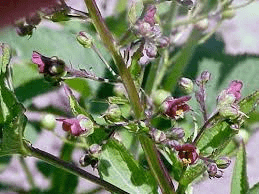
Scrophularia umbrosa, commonly known as “Scrophularia” or “Figwort,” is a fascinating and highly valued medicinal plant. Belonging to the family Scrophulariaceae, this herbaceous perennial has a rich history of traditional use in various herbal systems around the world.
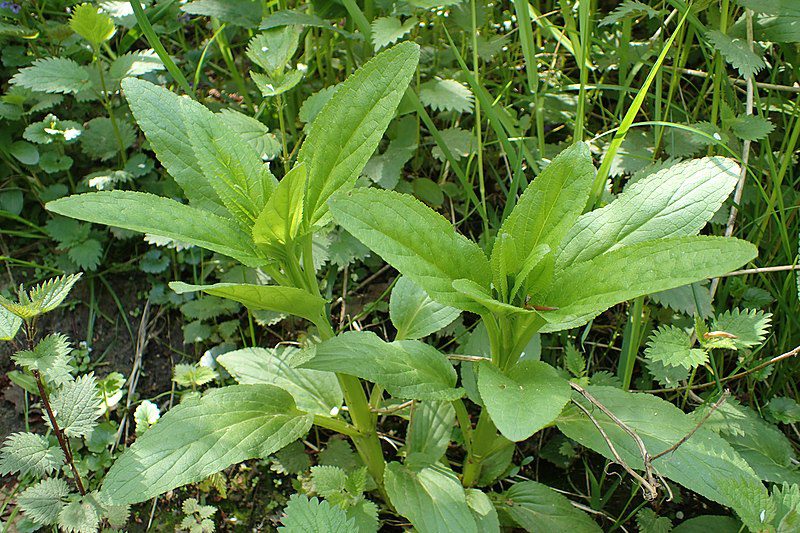
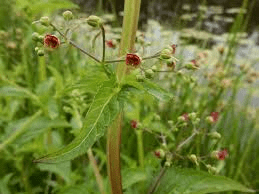
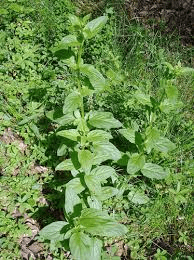
Scrophularia umbrosa typically grows to a height of about 2 to 4 feet (60 to 120 cm). It boasts opposite, lance-shaped leaves with serrated edges that grow along sturdy stems. The plant’s clusters of small, tubular flowers, often ranging from deep maroon to reddish-brown, give it a distinct appearance. These flowers tend to bloom during the late spring and summer months.
In its natural habitat, Scrophularia umbrosa can be found in shaded areas, such as woodlands, damp meadows, and the edges of streams. It has an affinity for moist and well-drained soils, contributing to its ability to thrive in such environments.
Scrophularia umbrosa has a long history of use in traditional medicine systems, including traditional Chinese medicine and European herbalism. Its roots, leaves, and flowers are all utilized for their potential health benefits.
While traditional uses are valuable, modern research is shedding light on the potential mechanisms underlying Scrophularia umbrosa’s therapeutic effects. Some studies suggest that the plant’s bioactive compounds might indeed possess anti-inflammatory and antioxidant properties. However, further research is needed to fully understand and validate these claims.
Read Also: Wheat Spikelets: Economic Importance, Uses and By-Products
The Medicinal Health Benefits of Scrophularia umbrosa (Figwort)
1. Anti-Inflammatory Properties: Scrophularia umbrosa is believed to have potent anti-inflammatory properties, making it beneficial for alleviating conditions associated with inflammation such as joint pain, arthritis, and skin irritations. The plant’s bioactive compounds may help to reduce inflammatory responses in the body, leading to decreased discomfort and improved mobility.
A person suffering from rheumatoid arthritis might find relief by using Scrophularia umbrosa-based topical creams or consuming herbal teas to help manage joint inflammation and pain.
2. Lymphatic Support: This medicinal plant is traditionally used to support the lymphatic system, which plays a crucial role in immune function and toxin removal. Scrophularia umbrosa is thought to aid in lymphatic drainage, promoting the removal of waste products and toxins from the body.
Someone with a tendency towards swollen lymph nodes during colds or infections might benefit from Scrophularia umbrosa tinctures to help support the lymphatic system’s natural cleansing processes.
3. Skin Health: Scrophularia umbrosa has been historically employed to address various skin conditions, including eczema, rashes, and minor wounds. Its soothing and potentially anti-inflammatory properties make it suitable for external applications on the skin. Individuals dealing with persistent skin irritations like eczema could use Scrophularia umbrosa-infused creams or ointments to soothe itching, redness, and discomfort.
4. Detoxification Support: The plant is often considered a natural detoxifying agent, assisting the body’s detoxification processes by promoting elimination through the liver, kidneys, and other pathways. It may help to flush out toxins and maintain optimal organ function. Someone seeking to support their body’s natural detoxification mechanisms might incorporate Scrophularia umbrosa teas or tinctures into a detox regimen, along with a balanced diet and hydration.
5. Immune System Modulation: Scrophularia umbrosa could potentially modulate the immune system, helping to balance immune responses. This can be particularly useful in cases of autoimmune conditions where the immune system’s responses are overly aggressive. Individuals with autoimmune disorders might explore Scrophularia umbrosa as part of a holistic approach to managing immune system imbalances and reducing inflammation.
6. Respiratory Support: Some traditional uses of Scrophularia umbrosa involve respiratory health. It may have benefits for conditions like coughs, bronchitis, and respiratory congestion due to its potential expectorant and anti-inflammatory properties. Someone dealing with persistent cough and congestion might try Scrophularia umbrosa-based herbal remedies to help clear respiratory passages and soothe irritation.
7. Antioxidant Effects: Scrophularia umbrosa could offer antioxidant protection, helping to combat oxidative stress and free radical damage in the body. This contributes to overall cellular health and reduces the risk of chronic diseases. Incorporating Scrophularia umbrosa into one’s daily routine might be a preventive measure to counteract the effects of environmental pollutants and oxidative stress.
It’s important to note that while these potential health benefits are based on historical uses and some preliminary research, more comprehensive scientific studies are needed to fully confirm and understand the extent of Scrophularia umbrosa’s medicinal properties.
As with any herbal remedy, it’s advisable to consult a healthcare professional before incorporating it into your health regimen, especially if you have existing health conditions or are taking medications.
The Methods of Usage to Achieve the Provided Health Benefits of Scrophularia umbrosa (Figwort)
1. Tea Infusion: To prepare a tea infusion, use dried Scrophularia umbrosa leaves, flowers, or a combination of both. Place 1-2 teaspoons of the dried herb in a cup and pour hot (not boiling) water over it. Cover and steep for about 10-15 minutes. Strain and enjoy. Drinking Scrophularia umbrosa tea can help in internal detoxification, lymphatic support, and immune modulation.
The bioactive compounds released during steeping can provide anti-inflammatory effects and promote overall wellness. For lymphatic support, a person could drink 1-2 cups of Scrophularia umbrosa tea daily during a detox period or when experiencing symptoms of lymphatic congestion.
2. Topical Application: Create a salve or cream infused with Scrophularia umbrosa extract. Mix dried herb with carrier oils like olive or coconut oil and gently heat. Strain out the herb and allow the oil to cool. Mix with beeswax for a thicker consistency if desired.
Applying Scrophularia umbrosa salve or cream externally can provide relief for skin irritations, rashes, and minor wounds due to its anti-inflammatory and soothing properties. Apply the infused salve to eczema-affected areas or minor cuts for soothing and healing effects.
3. Tincture: Prepare a tincture by soaking dried Scrophularia umbrosa in alcohol (like vodka) for a few weeks. Strain the liquid and store it in a dark glass dropper bottle. Take a few drops diluted in water or juice.
Using a tincture allows for convenient and concentrated consumption, promoting immune modulation, detoxification, and anti-inflammatory effects. To support the immune system, take a few drops of the Scrophularia umbrosa tincture daily, especially during cold and flu seasons.
4. Steam Inhalation: Add dried Scrophularia umbrosa leaves or flowers to a bowl of hot water. Lean over the bowl, drape a towel over your head and the bowl to trap steam, and inhale deeply for a few minutes.
Steam inhalation of Scrophularia-infused water can offer respiratory benefits, helping to clear congestion and soothe irritated airways. For respiratory support during a cold or cough, perform steam inhalation using Scrophularia umbrosa-infused water.
5. Herbal Bath: Prepare a large pot of strong Scrophularia umbrosa tea and add it to your bathwater. Soak in the bath for about 20-30 minutes. Taking an herbal bath with Scrophularia-infused water can promote relaxation, detoxification, and skin health.
Enjoy a herbal bath with Scrophularia umbrosa after a stressful day to unwind and support overall well-being.
6. Herbal Compress: Brew a strong Scrophularia umbrosa tea and soak a clean cloth in it. Wring out excess liquid and apply the warm or cooled compress to the affected area. Herbal compresses can offer localized relief for joint pain, swelling, and skin irritations.
Apply a warm Scrophularia umbrosa compress to a swollen joint to alleviate discomfort and promote circulation.
Remember that the effectiveness of these methods may vary from person to person, and it’s advisable to start with a lower concentration and observe how your body responds. If you’re uncertain about the appropriate method or dosage, consulting a qualified herbalist or healthcare professional is recommended.
Read Also: 20 Medicinal Health Benefits of Vernonia amygdalina (Bitter Leaf)
The Side Effects of Using Scrophularia umbrosa Medicinal Plant
There is limited scientific information available on the potential side effects of using Scrophularia umbrosa. However, like any herbal remedy, there are certain considerations and potential risks to be aware of. Keep in mind that individual responses can vary, and it’s always advisable to consult a healthcare professional before incorporating any new herb into your health regimen.
Here are some potential considerations:
1. Allergic Reactions: Some individuals may be allergic to certain plants, including Scrophularia umbrosa. If you have known allergies to plants in the Scrophulariaceae family or to related herbs, it’s important to exercise caution and perform a patch test before using products containing Scrophularia umbrosa.
2. Drug Interactions: Herbal remedies, including Scrophularia umbrosa, can interact with certain medications. If you are taking any prescription medications, especially those that affect the immune system, have immunomodulatory effects, or have potential interactions with blood-thinning agents, it’s crucial to consult a healthcare professional before using Scrophularia umbrosa.
3. Digestive Upset: In some cases, herbal remedies can cause gastrointestinal discomfort, such as upset stomach, nausea, or diarrhea. If you experience any adverse digestive symptoms while using Scrophularia umbrosa, discontinue use and consult a healthcare provider.
4. Pregnancy and Breastfeeding: Pregnant and breastfeeding individuals should exercise caution when using herbal remedies, as there may be limited safety data available. It’s best to consult a healthcare professional before using Scrophularia umbrosa during these periods.
5. Photosensitivity: While not commonly reported with Scrophularia umbrosa, some plants contain compounds that can make the skin more sensitive to sunlight. If you notice any unusual skin reactions after using products containing Scrophularia umbrosa, avoid excessive sun exposure.
6. Quality and Dosage: The quality and dosage of herbal products can vary widely. It’s important to source Scrophularia umbrosa products from reputable sources to ensure their purity and potency. Using excessive amounts of herbal remedies can also lead to unwanted side effects, so it’s important to follow recommended dosages.
7. Long-Term Use: There is limited research on the long-term safety of using Scrophularia umbrosa for extended periods. It’s a good practice to periodically reassess your herbal regimen and consult a healthcare provider if you plan to use the herb for an extended duration.
Nutritional Value of Scrophularia Umbrosa (Figwort)
1. Total Phenolic Compounds: Scrophularia umbrosa rhizome extracts contain high levels of total phenolic compounds, which act as potent antioxidants, helping to neutralize free radicals and reduce oxidative stress associated with chronic diseases.
2. Total Flavonoids: The plant is rich in flavonoids, contributing to its antioxidant activity and potentially supporting anti-inflammatory effects by inhibiting free radical scavenging.
3. Iridoid Glycosides: These bioactive compounds, common in the Scrophularia genus, provide anti-inflammatory and antimicrobial properties, aiding in traditional medicinal applications.
4. Terpenoids: Terpenoids in the rhizome offer diverse biological activities, including neuroprotective and anticancer potential, enhancing the plant’s therapeutic value.
5. Phenylethanoid Glycosides: These compounds exhibit antioxidant, hepatoprotective, and antitumor effects, supporting overall cellular protection and health.
6. Saponins: Present in the extracts, saponins may enhance immune function and contribute to antimicrobial benefits, based on genus-wide studies.
7. Tannins: Tannins provide astringent and anti-inflammatory properties, potentially aiding in wound healing and reducing microbial activity.
8. Alkaloids: Trace alkaloids contribute to analgesic and anti-inflammatory effects, aligning with traditional uses for pain relief.
9. Carbohydrates: The rhizome contains carbohydrates, serving as a basic energy source in medicinal preparations, though quantities are minimal.
10. Trace Minerals: Minor amounts of minerals like potassium and calcium from the plant support metabolic functions, though not in significant quantities for dietary purposes.
The nutritional components of Scrophularia umbrosa, particularly its phenolic and flavonoid contents, make it a valuable herb in traditional medicine for its antioxidant and bioactive properties, though it is typically used in small, prepared amounts.
Scientific Evidence and Case Studies on Scrophularia Umbrosa
1. Nikkhah et al. (2018): A study by Nikkhah et al. analyzed the phytochemical profile of Scrophularia umbrosa rhizome extracts, finding high total phenolic and flavonoid contents correlated with strong free radical scavenging activity, suggesting antioxidant benefits for oxidative stress-related conditions.
2. Safarzadeh et al. (2019): Research by Safarzadeh et al. evaluated the cytotoxic effects of Scrophularia umbrosa extracts on MCF-7 breast cancer cells, demonstrating significant apoptosis induction and greater cytotoxicity in the dichloromethane fraction compared to normal 3T3 cells.
3. Ahmad et al. (2012): Ahmad et al. screened Scrophularia nodosa (related species) extracts for biological activity, noting antimicrobial and anti-inflammatory properties that may extend to S. umbrosa due to shared phytochemicals like iridoids.
Frequently Asked Questions About Scrophularia Umbrosa
1. What is Scrophularia Umbrosa?
Scrophularia umbrosa, commonly known as green figwort or water figwort, is a perennial herbaceous plant in the Scrophulariaceae family, native to Europe and Asia, growing in damp, shady places.
2. How is Scrophularia umbrosa used in traditional medicine?
It is used as a traditional herb for treating scrofula, skin conditions like eczema and psoriasis, inflammation, and infections, often prepared as decoctions from the rhizome or aerial parts.
3. What are the health benefits of Scrophularia umbrosa?
Studies suggest it has antioxidant, anti-inflammatory, antimicrobial, and potential anticancer properties, which may help reduce oxidative stress, fight infections, and induce apoptosis in cancer cells.
4. Is Scrophularia umbrosa safe to consume?
In small, traditional doses, it may be safe, but it can cause toxicity or skin irritation; consult a healthcare provider, especially if pregnant, breastfeeding, or diabetic, as it may affect blood sugar.
5. What are the main active compounds in Scrophularia umbrosa?
Key compounds include phenolic compounds, flavonoids, iridoid glycosides, terpenoids, and phenylethanoid glycosides, contributing to its antioxidant and bioactive effects.
6. Can Scrophularia umbrosa be used for cancer treatment?
Preliminary research shows cytotoxic effects on breast cancer cells, but it is not a proven treatment and should not replace conventional therapies; further studies are needed.
7. Where does Scrophularia umbrosa grow?
It grows in wet woodlands, ditches, and riversides in Europe (e.g., Britain) and Asia (e.g., Iran, Turkey), preferring moist, shady, neutral pH soils with moderate fertility.
8. Are there risks associated with Scrophularia umbrosa?
It may cause sickness in livestock if ingested raw, and human use could lead to digestive issues or allergic reactions; avoid self-medication and seek professional advice.
Do you have any questions, suggestions, or contributions? If so, please feel free to use the comment box below to share your thoughts. We also encourage you to kindly share this information with others who might benefit from it. Since we can’t reach everyone at once, we truly appreciate your help in spreading the word. Thank you very much for your support and for sharing!
Disclaimer: This article is for educational and informational purposes only. The health benefits described are based on scientific research and traditional knowledge. They are not a substitute for professional medical advice, diagnosis, or treatment. Always consult a healthcare professional before using any herb or natural remedy for medical purposes.