


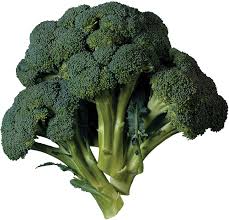
Broccoli (Brassica oleracea var. italica) is a nutrient-dense edible green vegetable in the cabbage family (Brassicaceae), resembling a miniature tree with its large flowering head, thick stalk, and small associated leaves. It belongs to the cruciferous group, closely related to cabbage, Brussels sprouts, kale, and cauliflower—all prized for their health-promoting properties.
Broccoli is a cool-weather crop harvested for its tight clusters of green (or occasionally purple) flower buds. It is low in calories yet exceptionally rich in vitamins, minerals, fiber, and powerful phytochemicals like sulforaphane, glucoraphanin, gluconasturtiin, glucobrassicin, kaempferol, lutein, zeaxanthin, and beta-carotene.
One cup (about 91 g) of chopped raw broccoli provides approximately:
- 31 calories
- 0 g fat
- 6 g carbohydrates (2 g sugar, 2 g fiber)
- 3 g protein
It supplies over 100% of the daily value for vitamin C and vitamin K, plus good amounts of vitamin A, folate, potassium, vitamin B6, and trace minerals like magnesium, phosphorus, zinc, and iron.
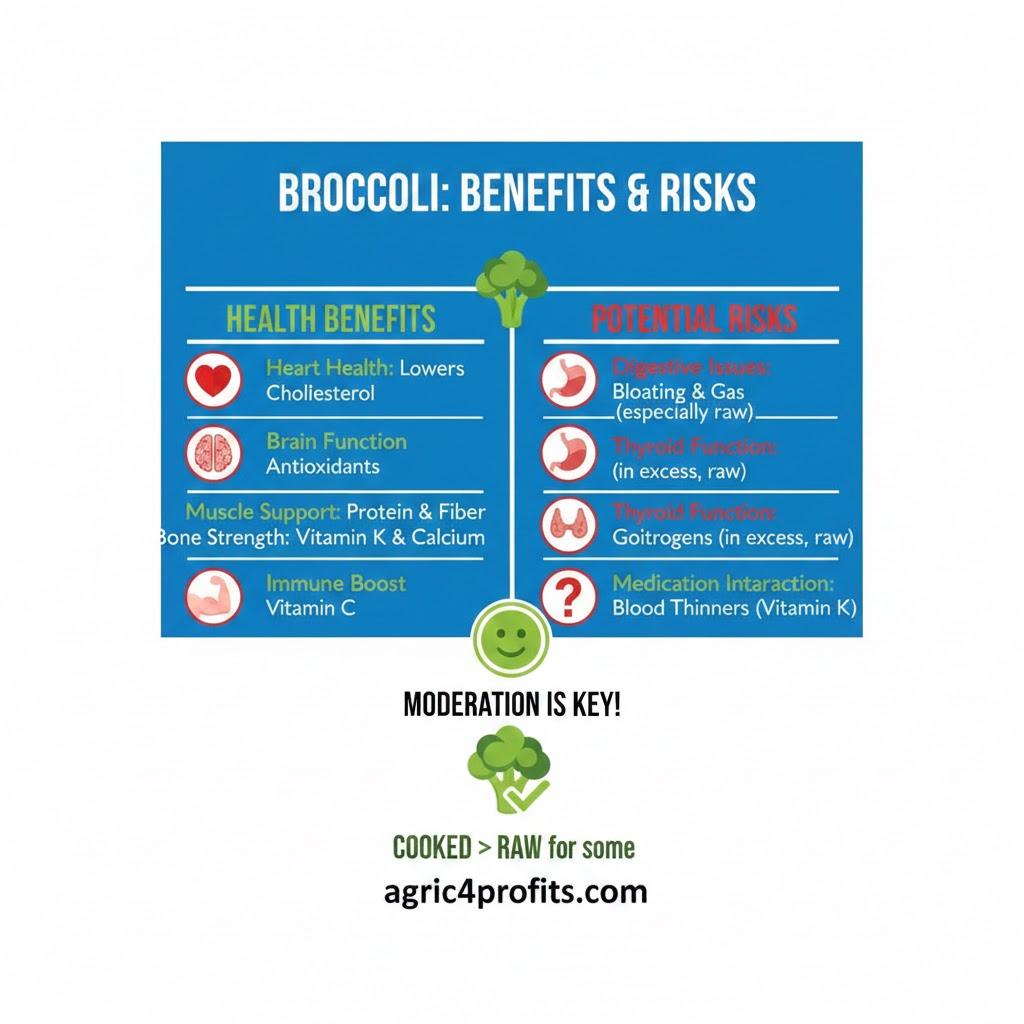
Regular consumption of broccoli and other cruciferous vegetables is linked to reduced risk of obesity, type 2 diabetes, heart disease, and overall mortality, while supporting energy, healthy skin/hair, and weight management.
Read Also: Wonderful Facts about Broccoli you need to know about
8 Amazing Health Benefits of Broccoli
1. Supports Diabetes Management and Autism Symptoms
For obese individuals with type 2 diabetes, sulforaphane in broccoli sprout extract reduced fasting blood glucose by about 10% over 12 weeks (2017 Science Translational Medicine study). It downregulates 50 genes linked to type 2 diabetes symptoms. Sulforaphane also improved social interaction and verbal communication in autism (2014 PNAS study).
2. Cancer Prevention
Broccoli’s isothiocyanates (sulforaphane, indole-3-carbinol) boost detoxifying enzymes, act as antioxidants, reduce oxidative stress, and may modulate estrogen levels to lower breast cancer risk. Cruciferous vegetables are associated with protection against stomach, intestinal, lung, colon, and other cancers.
3. Cholesterol Reduction
Soluble fiber in broccoli binds cholesterol in the digestive tract, aiding its excretion and lowering LDL (“bad”) cholesterol levels in the blood.
4. Powerful Detoxification
The trio of glucoraphanin, gluconasturtiin, and glucobrassicin supports all phases of detoxification—activation, neutralization, and elimination of toxins. Broccoli sprouts are especially potent, enhancing the body’s natural detox pathways.
5. Promotes Heart Health
Sulforaphane reduces inflammation and may reverse damage to blood vessel linings caused by chronic high blood sugar. B-complex vitamins help regulate homocysteine (linked to coronary artery disease), while fiber and nutrients support healthy blood pressure and cholesterol.
6. Supports Eye Health
Broccoli is rich in lutein and zeaxanthin—antioxidants that protect against macular degeneration and cataracts by filtering harmful blue light and reducing oxidative damage to the retina.
7. Improves Digestion
High fiber (nearly 1 g per 10 calories) promotes regularity, maintains healthy gut bacteria, and prevents constipation. Sulforaphane helps control Helicobacter pylori overgrowth, protecting the stomach lining (2009 Johns Hopkins mouse study showed >40% reduction).
8. Anti-Inflammatory Benefits
Sulforaphane blocks enzymes that destroy joints in osteoarthritis (2013 University of East Anglia study). Kaempferol reduces allergy-related inflammation, while omega-3 fatty acids and isothiocyanates further regulate inflammatory responses.
Read Also: 11 Recipes that will make you love Broccoli
Possible Health Risks of Broccoli
Broccoli is safe for most people, but consider these points:
- Gas or bowel irritation — High fiber content can cause temporary bloating or gas, especially when eaten raw or in large amounts.
- Blood-thinning medications — High vitamin K content may interfere with drugs like warfarin (Coumadin). Maintain consistent intake and consult your doctor.
- Hypothyroidism — Raw cruciferous vegetables contain goitrogens that may affect thyroid function in large amounts; cooking reduces this effect.
- Overall diet — Focus on variety rather than over-relying on one food for best health outcomes.
Raw, Steamed, or Boiled: Which Is More Nutritious?
Preparation impacts nutrient retention, especially cancer-fighting compounds:
- Boiling causes the greatest loss of beneficial enzymes.
- Steaming (up to 20 minutes), microwaving (up to 3 minutes), and stir-frying (up to 5 minutes) preserve most nutrients with minimal loss.
- Raw retains all nutrients but may increase gas or bowel irritation for some people.
Scientific Evidence and Case Studies on Broccoli Health Benefits
1. Diabetes Control: Broccoli sprout extract (sulforaphane) reduced fasting blood glucose by ~10% in obese type 2 diabetes patients over 12 weeks (2017 Science Translational Medicine).
2. Autism Symptom Improvement: Sulforaphane improved social interaction and verbal communication in autism (2014 PNAS study).
3. Cancer Protection: Isothiocyanates boost detox enzymes and reduce oxidative stress; linked to lower risk of multiple cancers (American Cancer Society).
4. Anti-Inflammatory & Joint Health: Sulforaphane blocks joint-destroying enzymes in osteoarthritis (2013 University of East Anglia); kaempferol reduces allergy-related inflammation.
5. Digestive & H. pylori Control: Sulforaphane reduced H. pylori levels by >40% in mice (2009 Johns Hopkins study); fiber supports regularity and gut health.
Summary of Broccoli: 8 Amazing Health Benefits and Risks
| Aspect | Key Points |
|---|---|
| What is Broccoli? | Brassica oleracea var. italica; cruciferous vegetable; low-calorie (31 kcal/cup raw), high in fiber, vitamins C/K/A, folate, potassium, sulforaphane. |
| Nutritional Highlights | Over 100% DV vitamin C & K per cup; rich in antioxidants, isothiocyanates, glucosinolates, lutein, zeaxanthin, kaempferol. |
| Main Health Benefits | Diabetes/autism support; cancer prevention; cholesterol reduction; detoxification; heart health; eye protection; digestion; anti-inflammatory. |
| Best Preparation | Steam, microwave, stir-fry to preserve nutrients; avoid over-boiling; raw retains most but may cause gas. |
| Key Compounds | Sulforaphane (cancer, inflammation, detox); glucoraphanin trio (detox); lutein/zeaxanthin (eyes); fiber (digestion, cholesterol). |
| Recommendations | Include regularly (80 g = 1 serving); add to salads, soups, stir-fries, or eat steamed/roasted. |
| Safety Considerations | Generally safe; monitor vitamin K if on blood thinners; limit raw if hypothyroid; fiber may cause gas. |
| Overall Value | Top-tier superfood with strong evidence for chronic disease prevention, detoxification, and overall wellness. |
Frequently Asked Questions
1. Why is broccoli so nutritious?
It’s packed with vitamins C/K/A, folate, fiber, sulforaphane, and antioxidants for very few calories.
2. How does broccoli help with diabetes?
Sulforaphane reduces fasting blood glucose by ~10% in obese type 2 diabetes patients (2017 study).
3. Can broccoli prevent cancer?
Yes—sulforaphane and isothiocyanates boost detox enzymes, reduce oxidative stress, and lower risk of multiple cancers.
4. Does broccoli lower cholesterol?
Soluble fiber binds and removes LDL cholesterol from the body.
5. Is broccoli good for heart health?
Sulforaphane reduces vessel inflammation; fiber lowers cholesterol/blood pressure; B vitamins regulate homocysteine.
6. How does broccoli support eye health?
Lutein and zeaxanthin protect against macular degeneration and cataracts.
7. Does broccoli aid digestion?
High fiber prevents constipation; sulforaphane controls H. pylori and supports stomach lining health.
8. Can broccoli reduce inflammation?
Sulforaphane blocks joint-damaging enzymes; kaempferol and omega-3s regulate inflammatory responses.
9. What are the main risks of eating broccoli?
Gas/bloating from fiber; vitamin K may affect blood thinners; raw may irritate bowels or affect thyroid in large amounts.
10. What’s the best way to cook broccoli?
Steam, microwave (short time), or stir-fry to preserve cancer-fighting compounds; avoid prolonged boiling.
Do you have any questions, suggestions, or contributions? If so, please feel free to use the comment box below to share your thoughts. We also encourage you to kindly share this information with others who might benefit from it. Since we can’t reach everyone at once, we truly appreciate your help in spreading the word. Thank you very much for your support and for sharing!
Disclaimer: This article is for educational and informational purposes only. The health benefits described are based on scientific research and traditional knowledge. They ayre not a substitute for professional medical advice, diagnosis, or treatment. Always consult a healthcare professional before using any herb or natural remedy for medical purposes.
Read Also: How to Store Fresh Fruit, Vegetables and Herbs