


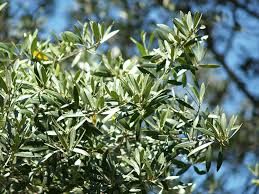
Olives botanically known as Olea Europaea are indigenous to the Mediterranean area, central and tropical Asia, drier areas of South America, and several regions of Africa. They have been used for thousands of years, going all the way back to ancient Greece and Rome, for both their culinary and therapeutic qualities.
They are a key component of the Mediterranean diet and go well in pesto, tapenade, salads, sandwiches, and pizza. Table olives, which are those that aren’t grown to be used for oil extraction, can be eaten as a salty snack or an entrée.
Olives are tasty and nutrient-rich fruits that have several health advantages, such as the capacity to guard against oxidative damage, and heart disease, stop bone thinning, prevent different malignancies, lessen inflammation and arthritis, and enhance digestion.
They aid in calming allergic reactions, enhancing cognitive function, fending off infections, lowering blood pressure, and improving blood circulation.
8 Health Benefits Of Olive Leaf (Olea Europaea)
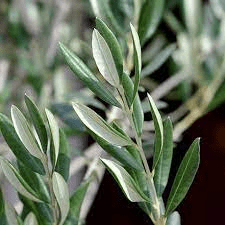
1. Lowers Blood Pressure
The efficiency of olive leaf extract was compared to the drug captopril, which is prescribed to people with hypertension or high blood pressure. Systolic and diastolic blood pressure was dramatically lowered by taking 500 milligrams of olive leaf extract twice daily for eight weeks.
Both olive leaf extracts and captopril were effective at lowering blood pressure, but the olive leaf therapy also reduced triglyceride levels (bad cholesterol); also, unlike olive leaf, captopril has several potential adverse effects, such as dizziness, loss of taste, and dry cough.
Read Also: 7 Health Benefits of Nutmeg (Myristica fragrans)
2. Fights Diabetes
One Greek study examined the impact of olive leaf extracts on the production of AGEs, or advanced glycation end products, which can contribute to the onset of diabetes and a number of other chronic disorders.
Patients with diabetes should aim to prevent and treat AGE production, and a 2013 study indicated that olive leaf extract did just that, helping to reduce the symptoms of diabetes naturally.
Olive leaf extracts have hypoglycemic properties, which means that they lower the body’s blood sugar levels. The olive leaf also regulates the body’s blood sugar levels. Olive leaf polyphenols are essential in preventing the creation of sugar, which results in inflammatory disorders like diabetes.
Olive polyphenols, which are included in olive leaf extracts, interact with one another and have synergistic health advantages, according to a review article published in Molecules. When prediabetes patients took these polyphenols, their blood sugar levels improved.
Additionally, there is some evidence from animal studies that suggest olive leaves may promote weight loss by controlling the expression of specific genes linked to weight growth. However, additional research is required before we can be confident that olive leaf can help you lose weight.
3. Anticancer
Olive leaves the capacity to halt the angiogenic process, which promotes tumor growth, suggesting that they may be crucial in the fight against cancer. Oleuropein, a chemical, inhibits the growth and migration of advanced tumor cells, acting as an antioxidant and anti-angiogenic.
For the first time, a study carried out demonstrated that olive leaf extracts had potent antioxidant properties and inhibit the growth of endothelium cells and cancer cells. Olive leaf extracts inhibited the development of cells linked to the brain, bladder, and breast cancer.
4. Improves Brain Function
Positive effects on brain function are a further advantage of olive leaf consumption. Oleuropein, one of the primary ingredients in olive leaf, has been shown in studies to lessen the signs or development of age-related diseases like dementia and Alzheimer’s disease.
Free radicals and Alzheimer’s disease may be related, according to research. Due to its antioxidant properties, olive leaf aids in preventing free radical damage and guards against memory loss in the brain. Alzheimer’s disease can be treated safely and effectively organically by using olive leaf infusions or extracts.
Oleuropein can activate autophagy, which results in a decrease in aggregated proteins and a reduction in cognitive impairment, according to an in vivo study. Olive leaf extract aids our cells’ orderly decomposition and recycling.
5. Treats Arthritis
Joint inflammation and discomfort are symptoms of arthritis, a condition that affects the joints. In this sentence, swelling, which denotes inflammation, is the crucial word. The olive leaf functions as a natural arthritis treatment because it has anti-inflammatory properties.
Because the extracts were able to lessen the inflammation that was present in the joints, a study reported that olive leaf extracts dramatically reduced paw swelling in rats with arthritis.
This happens when the cartilage that serves as a cushion and barrier between the bones and the joint begins to wear away, allowing the bones to rub against one another.
Read Also: 3 Health Benefits of Slippery Elm (Ulmus fulva)
6. Fights Bacteria And Fungi
Fighting off infections like candida infections, meningitis, pneumonia, chronic tiredness, hepatitis B, malaria, gonorrhea, shingles, and tuberculosis is a significant olive leaf advantage. Infections of the teeth, ears and urinary tract are all naturally treated by it.
Olive leaf extracts have an antibacterial impact against bacteria and fungus, according to a study. Due to its capacity to combat some bacterial infections, this shows that olive leaf functions as a natural antibiotic.
Study participants’ skin, hair, and nail infections from dermatophytes, oral and vaginal infections from candida Albicans, and Escherichia coli cells were all nearly eliminated by the olive leaf extracts (bacteria found in the lower intestine).
7. Boosts Immunity
The olive leaf possesses antiviral qualities that enable it to treat harmful viruses as well as combat or prevent the common cold. According to research, olive leaf extracts can efficiently combat a variety of pathogenic microorganisms, including certain influenza and other respiratory infection viruses.
Olive leaves contain potent chemicals that kill invasive species and prevent viruses from replicating and spreading infection. In fact, olive leaf extracts were used to cure several HIV-1 infection-related changes because they are so good for our health.
8. Protects Skin
Olive leaf has the ability to repair years of skin damage and aging symptoms. Olive leaf helps to prevent some types of cell damage, notably those brought on by oxidation, as a result of its antioxidant qualities. Antioxidant-rich foods and herbs are excellent instruments for maintaining the health of your skin and cells.
Olive leaf extract was found to reduce skin thickness and elasticity in mice with UV radiation damage by research carried out. The medication also slowed down the development of tumors and skin cancer.
Read Also: 6 Health Benefits of Vitex (Vitex agnus-catus)
Scientific Evidence and Case Studies on Olive Leaf (Olea europaea)
1. Hypertension (High Blood Pressure): A comparative clinical study by Susalit et al. evaluated the antihypertensive efficacy of olive leaf extract versus Captopril (a standard blood pressure medication) in patients with stage-1 hypertension. The results showed that the olive leaf extract significantly reduced both systolic and diastolic blood pressure to a degree comparable to Captopril, but with the added benefit of reducing triglyceride levels.
2. Insulin Sensitivity and Diabetes: A randomized, double-blind, placebo-controlled crossover trial by de Bock et al. investigated the effect of olive leaf extract on insulin sensitivity in overweight men. The study demonstrated that supplementation led to a 15% improvement in insulin sensitivity and a 28% improvement in pancreatic beta-cell responsiveness, suggesting it is a valuable prophylactic against type 2 diabetes.
3. Cholesterol and Lipid Profile: Research conducted by Fonollá et al. assessed the effects of an olive leaf extract on the lipid profile of healthy volunteers. The findings revealed that daily consumption significantly lowered total cholesterol and LDL (bad) cholesterol levels while reducing the levels of oxidized LDL, a key marker for arterial plaque formation and heart disease.
4. Vascular Function and Arterial Stiffness: A study by Lockyer et al. examined the acute and chronic effects of phenolic-rich olive leaf extract on blood pressure and vascular function. The data indicated that chronic consumption resulted in significant reductions in vascular stiffness and central systolic blood pressure, pointing to improved overall endothelial function and cardiovascular health.
5. Upper Respiratory Tract Infections: A randomized controlled trial by Somerville et al. evaluated the impact of olive leaf extract on the incidence and duration of illness in high school athletes. Although it did not prevent the onset of colds, the study found that the group taking olive leaf extract experienced a significantly shorter duration of illness (a 28% reduction in sick days) compared to the placebo group.
Nutritional Value Of Olive Leaf (Olea europaea)
1. Oleuropein:
This is the primary bioactive secoiridoid found in the leaf, responsible for its bitter taste and potent medicinal properties. It is a powerful vasodilator that helps lower blood pressure and possesses strong antimicrobial capabilities against viruses and bacteria.
2. Hydroxytyrosol: A primary metabolite of oleuropein and a phenylethanoid. It is considered one of the most powerful natural antioxidants known, capable of absorbing cell-damaging free radicals and preventing the oxidation of LDL cholesterol.
3. Elenolic Acid: Derived from the hydrolysis of oleuropein, elenolic acid acts as a natural antiviral and antibacterial agent. It works by interfering with the replication of viruses and stimulating the immune system’s phagocytosis (pathogen-eating) activity.
4. Oleanolic Acid: A triterpenoid found in the protective waxy coating of the olive leaf. It has been shown to support liver health, exhibit anti-inflammatory activity, and help regulate blood sugar levels by inhibiting carbohydrate-digesting enzymes.
5. Flavonoids (Luteolin and Apigenin): Olive leaves are rich in flavonoids such as luteolin-7-glucoside. These compounds have significant anti-inflammatory and neuroprotective effects, helping to reduce inflammation in the brain and body.
6. Tyrosol: Another phenolic antioxidant found in the leaf. Tyrosol is highly stable and protects cells against oxidative stress; it is also linked to the longevity-promoting effects often associated with the Mediterranean diet.
7. Rutin: A bioflavonoid glycoside present in the leaf structure. Rutin is known for its ability to strengthen blood vessels and capillaries, improving circulation and preventing fragility that leads to varicose veins or easy bruising.
Frequently Asked Questions About Olive Leaf (Olea europaea)
1. Does olive leaf extract cause a “die-off” reaction?
Yes, some users experience a Herxheimer reaction (flu-like symptoms, fatigue) as the extract kills off large numbers of pathogens, releasing endotoxins into the system; this typically resolves in a few days.
2. Can olive leaf replace blood pressure medication?
While studies show it is comparable to some drugs like Captopril, you should never stop prescribed medication without consulting a doctor, as the combination can cause hypotension (dangerously low blood pressure).
3. Is olive leaf extract better than olive oil?
For immune and medicinal purposes, yes; the leaf contains much higher concentrations of oleuropein and active phenolics than the oil, without the high caloric content.
4. Is it safe to take olive leaf daily?
Yes, it is generally considered safe for long-term daily use as a preventative supplement for heart health and immune support.
5. Does olive leaf kill good bacteria in the gut?
Unlike synthetic antibiotics, olive leaf extract is generally selective and does not appear to harm beneficial probiotic bacteria like Lactobacillus or Bifidobacterium.
6. Can I take olive leaf extract during pregnancy?
There is insufficient safety data regarding its use during pregnancy or breastfeeding, so it is usually recommended to avoid it unless approved by a healthcare provider.
7. Does olive leaf help with herpes?
Yes, due to the antiviral properties of calcium elenolate (from elenolic acid), it is often used to reduce the severity and frequency of herpes outbreaks (HSV-1 and HSV-2).
8. Is olive leaf a diuretic?
It has mild diuretic properties, which helps reduce water retention and contributes to its blood pressure-lowering effects.
Do you have any questions, suggestions, or contributions? If so, please feel free to use the comment box below to share your thoughts. We also encourage you to kindly share this information with others who might benefit from it. Since we can’t reach everyone at once, we truly appreciate your help in spreading the word. Thank you very much for your support and for sharing!
Disclaimer: This article is for educational and informational purposes only. The health benefits described are based on scientific research and traditional knowledge. They ayre not a substitute for professional medical advice, diagnosis, or treatment. Always consult a healthcare professional before using any herb or natural remedy for medical purposes.