


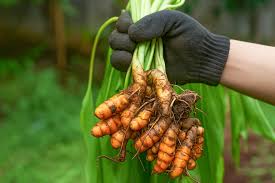
Turmeric (Curcuma longa) is characterized as having an earthy, bitter, mildly musky, and slightly spicy flavor. The Curcuma longa plant, which thrives in India and other Southeast Asian nations, is where turmeric is derived from.
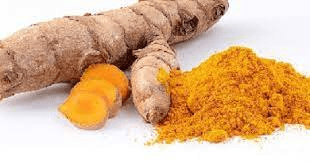
It belongs to the Zingiberaceae family, which is often known as the ginger family. The Curcuma longa plant’s dried root is processed into a distinctively yellow powder, earning it the moniker golden spice.
Turmeric (Curcuma longa) is a remarkable and vibrant spice that has been a cornerstone of traditional medicine and culinary practices for centuries. Derived from the rhizomes of the Curcuma longa plant, turmeric is not just a kitchen staple; it is a powerhouse of health benefits and cultural significance.
At its essence, turmeric is a golden-hued spice renowned for its warm, slightly bitter taste and distinctive aroma. Its active compound, curcumin, is responsible for both its vibrant color and numerous health-promoting properties. Cultivated primarily in tropical regions, turmeric has become a symbol of wellness and culinary delight around the world.
In agriculture, the cultivation of turmeric involves nurturing the rhizomes in well-drained soils with sufficient sunlight and regular rainfall. The plant’s growth cycle typically spans several months, during which the rhizomes develop and mature.
Harvested by hand, the rhizomes are then cleaned, boiled, dried, and ground into the fine, golden powder that graces kitchens globally.
Beyond its culinary uses, turmeric has long been celebrated for its medicinal attributes. In traditional medicine, it is valued for its anti-inflammatory, antioxidant, and antimicrobial properties. The curcumin in turmeric is believed to offer a range of health benefits, from supporting joint health to aiding digestion.
Turmeric’s versatility extends beyond the kitchen and medicine cabinet; it also plays a vital role in cultural and religious practices. In some cultures, it is used as a ceremonial dye, imparting its rich color to fabrics and rituals.
Additionally, turmeric holds a revered place in traditional Ayurvedic practices, where it is recognized for its balancing effects on mind, body, and spirit.
Turmeric is much more than a spice; it is a cultural icon and a botanical treasure with a kaleidoscope of flavors and benefits. Its cultivation and use not only enhance the culinary landscape but also contribute to the holistic well-being of individuals and communities, making turmeric a golden gem in the world of agriculture and wellness alike.
8 Health Benefits of Turmeric (Curcuma longa)
The benefits of turmeric for health: This herb contains numerous curcuminoids, a class of polyphenols, which are chemical substances. Curcumin, the compound with the highest level of activity, is also known to have antioxidant, anti-inflammatory, antibacterial, and anticancer properties (among other positive effects).
Following are some of the applications and health advantages of turmeric and curcumin:
1. Helps In Relieving Depression
Due to curcumin’s influence on neurotransmitter activity via brain-derived neurotrophic factors, turmeric may be able to help lessen the symptoms of depression.
In 2014, 60 volunteers with major depressive illness participated in a study whose findings were published in the journal Phytotherapy Research. Either fluoxetine or a mixture of fluoxetine and turmeric curcumin was administered to participants. By the sixth week, curcumin was as effective as fluoxetine at treating depression.
A meta-analysis published in 2020 found that curcumin is generally well tolerated by depression patients and that, when coupled with normal treatment, it may reduce the symptoms of depression and anxiety. Two significant pieces of research back this up.
2. Anti-inflammatory
Possibly curcumin’s most potent property is the ability to reduce inflammation. Curcumin is one of the most potent anti-inflammatory substances in the world, according to a study that examined numerous anti-inflammatory substances.
Curcumin and Alzheimer’s disease have been the subject of several successful animal studies. Curcumin appears to correct existing amyloid pathology and associated neurotoxicity in mice, which is a crucial aspect of the development of this neurological condition linked to persistent inflammation. According to this study, turmeric curcumin may reduce Alzheimer’s symptoms.
3. Beneficial To The Skin
According to a 2021 systematic review, turmeric’s anti-inflammatory and antioxidant properties have demonstrated efficacy in treating a variety of skin diseases.
The glow and luster of the skin can be improved, wounds can heal more quickly, pores can be calmed to lessen acne and acne scarring, and psoriasis flare-ups can be managed with the use of this spice. Additionally, it might aid in the recovery of skin cancer kinds, oral lichen planus, facial redness, and pruritus.
Even better, one uncontrolled pilot trial with 814 participants found that turmeric paste might eradicate scabies in 97 percent of cases in three to 15 days.
For beautiful skin, try my turmeric face mask. Just be aware that this herb can leave stains on your clothing.
Apply a dime-sized amount to your forearm to do a patch test first to ensure a positive reaction. When you are ready to apply turmeric to your face, wait 24 to 48 hours to see whether there is a reaction.
Read Also: Health Benefits of Stubborn Grass (Sida Acuta)
4. Antidiabetic
Turmeric curcumin activates the enzyme AMPK 400 times more effective than the standard diabetes medication metformin (AMP-activated protein kinase).
Tetrahydrocurcumin, a product of the fermentation of curcumin, activated AMPK in some cells up to 100,000 times more potent than metformin.
Researchers view AMPK activation as a therapeutic target for type 2 diabetes, which means that learning how to activate this enzyme has significant promise for creating more potent therapies for lowering insulin resistance and curing diabetes.
Damage to the nerves, or diabetic neuropathy, is one of the most prevalent complications of diabetes. It can take many different forms and result in serious symptoms throughout the body, ranging from muscle weakness to blindness.
Curcumin supplements dramatically reduced diabetic peripheral neuropathic pain, according to a study done on rats (typically localized to feet, legs, arms, and hands). Kidney failure can also result from diabetic neuropathy.
According to a meta-analysis of randomized, controlled studies, curcumin shields diabetic participants’ kidneys from the harm caused by diabetic nephropathy in animals.
5. Combats Obesity
Based on laboratory findings, curcumin may aid in reducing the proliferation (growth) of fat cells.
Researchers discovered that curcumin’s anti-inflammatory qualities helped reduce obesity’s inflammatory processes and, as a result, helped to lessen obesity and its adverse health impacts.
Read Also: 4 Health Benefits of Sage (Salvia officinalis)
6. Helps In Regulating Inflammatory Bowel Disease
One particularly well-designed research compared the use of mesalazine, the normal NSAID prescription for ulcerative colitis, with placebo + mesalazine, according to a thorough examination of all the trials examining the effectiveness of curcumin in treating the condition.
Nearly the course of the six-month study, patients receiving simply a placebo and mesalazine were over four times more likely to develop a flare-up or relapse of ulcerative colitis, indicating that curcumin advantages may include maintaining this chronic disease’s remission.
In a brief pilot research, patients with Crohn’s disease and ulcerative colitis were given curcumin supplements.
Despite the very small sample size, over two months, all patients with ulcerative colitis and four out of five patients with Crohn’s disease showed significant improvements, indicating the need for further study. It has the potential for treating symptoms of inflammatory bowel disease and irritable bowel syndrome.
7. Helps In Regulating Cholesterol
Through enhancing serum lipid levels, turmeric and curcumin may offer protection to those at risk for cardiovascular disease. As a well-tolerated nutritional supplement to traditional medications, curcumin is an option.
In fact, one study discovered that curcumin was just as effective as atorvastatin at lowering oxidative stress and inflammation when used to treat high cholesterol in people.
8. Natural Detoxifier
It is believed that taking in turmeric and curcumin will enhance the liver’s ability to cleanse the body effectively and protect against some of the harmful carcinogens’ effects. For instance, it might support defense against dietary and environmental poisons known as xenobiotics.
The antioxidant and anti-inflammatory properties of turmeric work in concert with this process to promote numerous immunological and liver processes.
Read Also: 6 Health Benefits of Ginseng (Panax ginseng)
Scientific Evidence and Case Studies on Turmeric (Curcuma longa)
1. Rheumatoid Arthritis: A randomized, pilot study by Chandran et al. compared the efficacy of curcumin alone, diclofenac sodium alone, and their combination in patients with active rheumatoid arthritis. The study found that the curcumin group showed the highest percentage of improvement in Disease Activity Score (DAS) and American College of Rheumatology (ACR) scores, and notably, it was safe and did not produce the adverse effects associated with the drug diclofenac.
2. Major Depressive Disorder: A randomized, double-blind, placebo-controlled study conducted by Lopresti et al. investigated the efficacy of curcumin for the treatment of major depression. The results demonstrated that curcumin was significantly more effective than placebo in improving the Inventory of Depressive Symptomatology scores, with the study suggesting its antidepressant effects may be linked to its anti-inflammatory and neuroprotective properties.
3. Osteoarthritis of the Knee: Research by Kuptniratsaikul et al. assessed the efficacy and safety of Curcuma domestica extracts in patients with knee osteoarthritis compared to ibuprofen. The findings revealed that the turmeric extracts were as effective as ibuprofen in reducing pain and improving functional status, but with significantly fewer gastrointestinal complaints and abdominal pain events.
4. Diabetes Prevention: A randomized, double-blind, placebo-controlled trial by Chuengsamarn et al. studied the effect of curcumin extract on the development of type 2 diabetes in prediabetic subjects. After nine months of treatment, none of the subjects in the curcumin-treated group were diagnosed with diabetes, whereas 16.4% of the placebo group developed the disease, indicating that curcumin extract effectively improved beta-cell function.
5. Memory and Mood in Mild Cognitive Impairment: A study by Small et al. examined the effects of a bioavailable form of curcumin (Theracurmin) on memory and brain amyloid in adults without dementia. The results showed that daily consumption led to significant improvements in memory and attention, and PET scans revealed significantly less amyloid and tau signal accumulation in the amygdala and hypothalamus compared to the placebo group.
Nutritional Value Of Turmeric (Curcuma longa)
1. Curcumin: This is the principal curcuminoid and the active compound responsible for turmeric’s bright yellow color. It is a potent polyphenol with strong anti-inflammatory, antioxidant, and anticancer properties, though it naturally has low bioavailability.
2. Ar-turmerone: A major component of the essential oil of turmeric. Unlike curcumin, ar-turmerone is fat-soluble and has been shown to support brain health by promoting stem cell proliferation and regeneration in the brain.
3. Manganese: Turmeric is an excellent source of manganese. This trace mineral is vital for bone formation, blood clotting, and reducing inflammation, and it acts as a co-factor for the antioxidant enzyme superoxide dismutase.
4. Iron: The root is rich in iron, which is essential for the production of hemoglobin and myoglobin. Adequate iron intake is necessary for oxygen transport in the blood and for maintaining energy levels and immune function.
5. Vitamin B6 (Pyridoxine): Turmeric contains a good amount of Vitamin B6. This vitamin plays a crucial role in protein and glucose metabolism and the creation of neurotransmitters like serotonin and dopamine, which regulate mood.
6. Potassium: This mineral helps regulate fluid balance and muscle contractions. In turmeric, it contributes to cardiovascular health by helping to maintain healthy blood pressure levels by counteracting the effects of sodium.
7. Dietary Fiber: Ground turmeric provides a significant amount of dietary fiber. Fiber aids in digestion, helps maintain bowel regularity, and assists in regulating blood sugar and cholesterol levels.
Frequently Asked Questions About Turmeric (Curcuma longa)
1. Why is black pepper often paired with turmeric?
Black pepper contains piperine, a compound that inhibits the liver from metabolizing curcumin too quickly, thereby increasing the absorption of turmeric by up to 2000%.
2. Can turmeric stain my teeth?
While it is an intense yellow dye that stains clothes and plastic, traditional practices actually use turmeric mixed with coconut oil for teeth whitening, though scientific backing for this is limited.
3. Is fresh turmeric root better than powder?
Fresh root has more essential oils and a brighter, livelier flavor, but high-quality powder is more concentrated in curcumin; both offer significant health benefits.
4. Does turmeric thin the blood?
Yes, turmeric has mild anticoagulant properties, so people taking blood-thinning medications like warfarin or aspirin should consult a doctor before taking medicinal doses.
5. Can I take turmeric if I have gallstones?
It is generally advised to avoid therapeutic doses of turmeric if you have bile duct obstruction or gallstones, as it stimulates the gallbladder to contract, which can cause pain.
6. Is turmeric safe during pregnancy?
Using turmeric as a spice in food is considered safe, but medicinal supplements should be avoided as they may stimulate the uterus or promote menstrual flow.
7. How much turmeric should I take daily?
For general health maintenance, 500 to 2,000 mg of turmeric extract per day is often recommended in studies, but it is best to follow product labels or doctor’s advice.
8. Does cooking destroy the benefits of turmeric?
Prolonged boiling can degrade some curcumin, but cooking it with oil (fat) actually helps improve its absorption since curcumin is fat-soluble.
Do you have any questions, suggestions, or contributions? If so, please feel free to use the comment box below to share your thoughts. We also encourage you to kindly share this information with others who might benefit from it. Since we can’t reach everyone at once, we truly appreciate your help in spreading the word. Thank you very much for your support and for sharing!
Disclaimer: This article is for educational and informational purposes only. The health benefits described are based on scientific research and traditional knowledge. They ayre not a substitute for professional medical advice, diagnosis, or treatment. Always consult a healthcare professional before using any herb or natural remedy for medical purposes.