


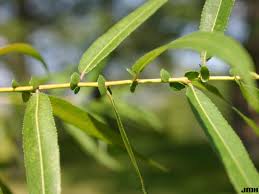
Black willow (Salix nigra) is a deciduous tree native to North America. Its bark and leaves have been used in traditional medicine for their potential therapeutic properties. The plant contains salicin, a compound similar to aspirin, which gives it its anti-inflammatory and pain-relieving effects.
The bark and leaves are often used to make teas, tinctures, and extracts for conditions like headaches, fever, and minor aches.
However, it’s important to note that using black willow for medicinal purposes should be done under proper guidance, as improper usage can lead to adverse effects. Always consult a healthcare professional before using any herbal remedies.
The Botanical Description of Black Willow
1. Life: Black Willow (Salix nigra) is a deciduous tree, characterized by its medium to large size, often reaching heights of 30 to 60 feet. It has a distinctive, slender appearance, with a crown that is typically tall and narrow.
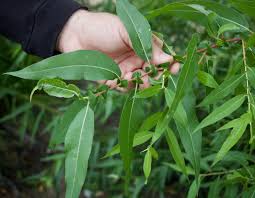
2. Leaves and Foliage: The leaves of the Black Willow are lance-shaped and have finely serrated edges. They are typically long and narrow, giving the tree an elegant and graceful appearance. The green foliage turns a yellowish color in the fall before shedding for the winter.
3. Bark and Trunk: The bark of the Black Willow is dark brown to black, deeply furrowed, and can develop a rough texture with age. The trunk is often straight, although younger trees may have a more irregular form. The combination of dark bark and slender leaves is a distinguishing feature of this species.
4. Flowers and Reproduction: Black Willows are dioecious, meaning individual trees are either male or female. In early spring, before the leaves emerge, the trees produce catkins. Male catkins release pollen, and female catkins, once fertilized, develop into small capsules containing numerous seeds.
The Geographic Distribution of Black Willow
1. Natural Range: The Black Willow is native to eastern North America, commonly found in wetland areas such as swamps, riverbanks, and floodplains. It has a preference for locations with consistently moist soil.
2. Climate Preferences: This tree thrives in temperate climates and is well-adapted to regions with abundant rainfall. It can tolerate periodic flooding, making it a common sight along riverbanks and in areas prone to seasonal inundation.
3. Soil Adaptability: Black Willows are highly adaptable to various soil types, including clay, loam, and sandy soils. Their ability to grow in waterlogged conditions contributes to their ecological importance in stabilizing wetland ecosystems.
4. Ecological Role: Besides its native range, the Black Willow has been widely planted to control erosion along water bodies. Its extensive root system helps prevent soil erosion, and the tree provides essential habitat for various wildlife species.
The Chemical Composition of Black Willow
1. Salicin Content: Black Willow is rich in salicin, a natural compound similar to aspirin. Salicin has anti-inflammatory and analgesic properties, making the tree historically valuable in traditional medicine for pain relief.
2. Tannins: The bark of Black Willow contains tannins, which contribute to its astringent properties. Tannins play a role in the tree’s defense against herbivores and pathogens and have been used in tanning processes.
3. Flavonoids: Black Willow is known to contain flavonoids, which have antioxidant properties. These compounds contribute to the overall health of the tree and may have potential benefits when incorporated into herbal remedies.
4. Environmental Significance: The chemical composition of Black Willow has environmental implications, as the tree is instrumental in improving water quality in riparian areas. It assists in the phytoremediation of pollutants and contributes to the overall health of aquatic ecosystems.
Nutritional Value of Black Willow
1. Salicin: A glycoside closely related to salicylic acid, salicin is the primary active compound in Black Willow bark. It acts as a natural pain reliever and anti-inflammatory agent, similar to aspirin, helping to alleviate headaches, joint pain, and muscle aches.
2. Tannins: These polyphenolic compounds have astringent properties, which can help reduce inflammation and soothe skin irritations when applied topically. They also support wound healing by promoting tissue contraction.
3. Flavonoids: Black Willow bark contains flavonoids, which are antioxidants that help combat oxidative stress in the body, potentially protecting cells from damage caused by free radicals.
4. Phenolic Acids: These compounds contribute to the bark’s anti-inflammatory and antimicrobial effects, supporting its use in treating minor wounds and skin conditions.
5. Volatile Oils: Present in small amounts, these oils may provide mild antiseptic properties, aiding in the prevention of infections when used in poultices or infusions.
6. Minerals (Calcium, Magnesium): Trace amounts of minerals like calcium and magnesium in the bark may support overall health, particularly in maintaining bone and muscle function when consumed as a tea.
7. Polyphenols: These compounds have antioxidant properties, which may help reduce inflammation and support cardiovascular health by protecting blood vessels from oxidative damage.
8. Glycosides (other than Salicin): Additional glycosides in Black Willow bark may enhance its fever-reducing and analgesic effects, complementing salicin’s action.
9. Lignans: These compounds have mild antioxidant and anti-inflammatory effects, potentially supporting the body’s defense against chronic inflammation.
10. Organic Acids: Organic acids in the bark contribute to its mild diuretic effects, which can promote urine flow and support urinary tract health.
Read Also: 15 Medicinal Health Benefits of Tetraneuris linearifolia (Linearleaf four-nerve daisy)
The Medicinal Health Benefits of Black willow (Salix nigra)
1. Pain Relief: Black Willow contains salicin, a natural compound that can help reduce pain and inflammation. It works similarly to aspirin, making it useful for alleviating various types of pain, such as headaches, muscle aches, and joint discomfort. Drinking tea made from black willow bark can provide relief from a tension headache.
2. Fever Reduction: The salicin content in black willow has antipyretic properties, which means it can help lower fever by reducing body temperature. It has been historically used to manage feverish conditions. Consuming an infusion of black willow leaves might aid in reducing fever associated with a common cold.
3. Anti-inflammatory Effects: Black Willow’s compounds possess anti-inflammatory properties, making it beneficial for conditions involving inflammation, such as arthritis or swollen joints. Applying a poultice made from black willow bark can help ease the inflammation and pain of a sprained ankle.
4. Mild Antiseptic: The tannins in black willow have mild antiseptic properties that can help cleanse and disinfect minor wounds or cuts. Using a black willow bark wash on a small wound can aid in preventing infection.
5. Digestive Aid: Black Willow can have a soothing effect on the digestive system and may assist in alleviating stomach discomfort or mild gastrointestinal issues. Drinking a diluted black willow infusion might help ease an upset stomach.
6. Headache Relief: Due to its salicin content, black willow can be effective in reducing the severity of headaches, including tension headaches and migraines. Applying a compress soaked in black willow tea to the forehead can help relieve a throbbing headache.
7. Rheumatism Managemen: Black Willow’s anti-inflammatory properties can be particularly helpful for managing the symptoms of rheumatism, including joint pain and stiffness. Regular consumption of black willow extract may provide relief for individuals dealing with chronic rheumatism.
8. Menstrual Pain: The analgesic and anti-inflammatory effects of black willow may help ease menstrual cramps and discomfort. Drinking black willow tea during menstruation might provide relief from painful cramps.
The Methods of Usage to Achieve the Provided Medicinal Health Benefits of Black willow (Salix nigra)

1. Pain Relief: Prepare a black willow bark tea by boiling 1-2 teaspoons of dried black willow bark in a cup of water for about 15 minutes. Strain and drink it while it’s warm. Consume this tea 2-3 times a day to help alleviate pain, such as headaches, muscle aches, or joint discomfort.
2. Fever Reduction: Steep 1-2 teaspoons of dried black willow leaves in a cup of hot water for 10-15 minutes. Strain and drink the infusion. Drink the tea a few times a day to help lower fever. Combine it with rest and hydration for best results.
3. Anti-inflammatory Effects: Create a poultice by mixing crushed black willow bark with water to form a paste. Apply the paste directly to the inflamed area. Use the poultice to ease inflammation and pain caused by conditions like arthritis. Leave it on for 15-20 minutes and then wash it off.
4. Mild Antiseptic: Boil a handful of black willow bark in water to create a decoction. Let it cool, then use the decoction to clean minor wounds or cuts. Gently apply the cooled decoction to the affected area to help disinfect and prevent infection.
5. Digestive Aid: Infuse 1-2 teaspoons of dried black willow leaves in a cup of hot water for 10-15 minutes. Strain and drink the tea. Consume the tea after meals to help soothe the digestive system and alleviate stomach discomfort.
6. Headache Relief: Soak a clean cloth in a strong black willow tea, wring out excess liquid, and place the cloth on your forehead. Lie down in a quiet, dark room with the cloth on your forehead to help ease headache pain.
7. Rheumatism Management: Prepare a black willow tincture by soaking crushed black willow bark in alcohol for a few weeks. Strain and use a few drops diluted in water. Take the tincture daily to help manage the symptoms of rheumatism, such as joint pain and stiffness.
8. Menstrual Pain: Brew a strong black willow tea by steeping the dried leaves for a longer time. Strain and drink the tea. Consume the tea during menstruation to help alleviate menstrual cramps and discomfort.
The Side Effects of Using Black willow Medicinal Plant
1. Allergic Reactions: Some individuals may be allergic to salicylates, the compounds found in black willow. Allergic reactions can include skin rashes, itching, swelling, and difficulty breathing.
2. Stomach Irritation: The salicin content in black willow can irritate the stomach lining, potentially leading to gastrointestinal discomfort, including upset stomach, nausea, vomiting, and diarrhea.
3. Interactions with Medications: Black willow contains salicin, which is similar to aspirin. This can lead to interactions with blood-thinning medications, nonsteroidal anti-inflammatory drugs (NSAIDs), and other medications that affect blood clotting.
4. Pregnancy and Breastfeeding: Pregnant and breastfeeding individuals should avoid using black willow due to the potential risk of complications, such as bleeding and harm to the developing fetus.
5. Children: Black willow should not be given to children under the age of 16, as it may increase the risk of Reye’s syndrome, a rare but serious condition affecting the brain and liver.
6. Gastrointestinal Bleeding: Just like aspirin, excessive use of black willow can increase the risk of gastrointestinal bleeding, particularly in people with a history of ulcers or bleeding disorders.
7. Kidney Issues: Overconsumption of black willow can potentially strain the kidneys, leading to kidney problems, especially in individuals with pre-existing kidney conditions.
8. Drug Interactions: Black willow’s salicin content can interact with various medications, including anticoagulants, antiplatelet drugs, and certain herbs, increasing the risk of bleeding and other complications.
Read Also: 7 Medicinal Health Benefits of Bitter melon (Momordica charantia)
The Scientific Research and Studies of Black Willow

1. Salicin and Pain Relief: A study by Chrubasik et al. (2001) investigated the efficacy of willow bark extract (containing salicin) for treating lower back pain. The randomized controlled trial found that a daily dose of willow bark extract providing 240 mg of salicin significantly reduced pain compared to a placebo, demonstrating its effectivenessilibre
2. Anti-In ultimoflammatory Effects: Research by Nguyen et al. (2021) examined the anti-inflammatory effects of Salix species extracts, including Salix nigra, in vitro. The study showed that Black Willow bark extracts reduced inflammatory mediators in human cells stimulated by SARS-CoV-2 peptides and LPS, suggesting potential benefits for reducing inflammation in conditions like arthritis or viral infections.
3. Antiviral Activity Against Hepatitis C: Ahmed et al. (2023) explored the antiviral properties of Salix nigra extracts against Hepatitis C virus (HCV) in Hep G2 cell lines. The study found that ethyl acetate and n-hexane extracts of Black Willow bark exhibited significant anti-HCV activity at non-toxic concentrations, indicating potential as a cost-effective alternative for viral infection treatments.
4. Cytotoxic Effects: According to Ahmed et al. (2016), methanol extracts of Salix nigra demonstrated concentration-dependent cytotoxic effects against brine shrimp, suggesting potential anticancer properties. This study highlights the bark’s bioactive compounds as promising for further investigation in cancer therapy.
5. Antioxidant and Anti-Aging Potential: A 2024 study by Ahn et al. (2024) investigated polyphenols in Salix chaenomeloides, a related willow species, but the findings are relevant to Salix nigra due to similar chemical profiles. The study showed that these compounds reduced skin aging effects from sun damage and inflammation while promoting antioxidant activity in human dermal fibroblasts, suggesting potential cosmetic and therapeutic applications.
The Safety Precautions and Recommendations In Using Black Willow Medicinal Plant
1. Consultation with Healthcare Professionals: Before using Black Willow for medicinal purposes, it is crucial to consult with healthcare professionals. They can provide personalized advice based on individual health conditions, potential interactions, and appropriate dosage.
2. Allergy Testing: Due to the presence of salicylates in Black Willow, individuals with aspirin allergies should exercise caution. Allergy testing is recommended before using any products derived from Black Willow to avoid adverse reactions.
3. Dosage Considerations: Safety precautions include careful consideration of dosage. Consuming excessive amounts of Black Willow can lead to salicylate toxicity, which may result in symptoms such as nausea, vomiting, and gastrointestinal discomfort.
4. Avoiding Self-diagnosis: It is essential to avoid self-diagnosis and self-prescription. Black Willow, like any medicinal plant, should be used under the guidance of healthcare professionals who can assess its suitability for specific health concerns.
FAQs About Black Willow Medicinal Plant
1. Can Black Willow be Used for Pain Relief?
Yes, Black Willow has been traditionally used for pain relief due to its salicin content, which is a natural precursor to aspirin. However, consultation with a healthcare professional is advised for proper dosage and safety.
2. Are There Any Known Side Effects of Using Black Willow?
Excessive use of Black Willow or its derivatives can lead to salicylate toxicity, resulting in symptoms such as nausea and gastrointestinal discomfort. Allergic reactions are also possible, especially for individuals sensitive to salicylates.
3. Can Pregnant Women Use Black Willow for Pain Management?
Pregnant women are advised to consult with their healthcare providers before using Black Willow, as some studies suggest potential risks, especially during certain stages of pregnancy.
4. Is Black Willow Safe for Children?
The use of Black Willow in children should be approached with caution. It is recommended to consult with a pediatrician before administering any form of Black Willow for medicinal purposes in children.
Do you have any questions, suggestions, or contributions? If so, please feel free to use the comment box below to share your thoughts. We also encourage you to kindly share this information with others who might benefit from it. Since we can’t reach everyone at once, we truly appreciate your help in spreading the word. Thank you very much for your support and for sharing!
Disclaimer: This article is for educational and informational purposes only. The health benefits described are based on scientific research and traditional knowledge. They are not a substitute for professional medical advice, diagnosis, or treatment. Always consult a healthcare professional before using any herb or natural remedy for medical purposes.