


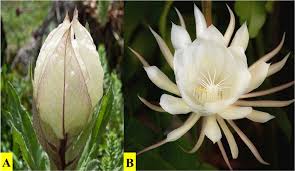
Saussurea obvallata, commonly known as Brahma Kamal, is a perennial flowering plant that holds both cultural and medicinal significance. It is primarily found in the alpine regions of the Himalayas, especially in India, Nepal, and Tibet.
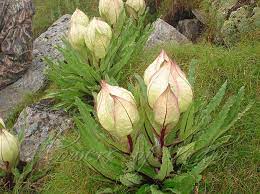
Saussurea obvallata is a robust herb that grows at altitudes ranging from 3,000 to 4,600 meters (9,800 to 15,100 feet). It is characterized by its distinctive appearance, which consists of a central stem bearing large, dark green leaves. The leaves are often deeply lobed, toothed, and covered with fine white hairs, which helps them withstand harsh alpine conditions.
The most captivating feature of Saussurea obvallata is its striking and fragrant flowers, which typically bloom during the late monsoon and early autumn months (August to September). The flowers are solitary and can reach a diameter of about 8 to 10 cm. Each flower head is surrounded by a cluster of large, purple bracts that give the plant a unique appearance.
The central disc florets are tubular and yellow in color, while the outer ray florets are broader and violet to purple in hue. The overall arrangement of the flowers creates an alluring contrast between the purple bracts and the yellow disc florets.
Saussurea obvallata holds cultural importance in the regions where it is found. It is often revered as a sacred plant and is associated with various myths and legends. In Hindu mythology, it is sometimes referred to as “Brahma Kamal,” symbolizing purity and devotion.
Medicinally, the plant has been used in traditional systems of medicine, such as Ayurveda and Tibetan medicine, for its potential health benefits. It is believed to possess various properties that make it useful in treating different ailments.
The root of the plant is particularly valued for its medicinal properties. It is used in the preparation of herbal formulations aimed at addressing issues like digestive disorders, respiratory ailments, and inflammation.
The Medicinal Health Benefits of Saussurea obvallata (Brahma Kamal)
Saussurea obvallata, commonly known as Brahma Kamal, is traditionally used in various systems of medicine for its potential medicinal benefits. While scientific research on its health effects is limited, it is believed to offer several health benefits based on its traditional use.
Here are some potential medicinal health benefits of Saussurea obvallata along with relatable examples:
1. Anti-Inflammatory Properties: Saussurea obvallata is believed to possess anti-inflammatory properties, which could be beneficial in reducing inflammation and associated symptoms. The plant’s root or extracts might be used in traditional medicine to alleviate conditions like arthritis, joint pain, and inflammation-related discomfort.
2. Digestive Support: The plant’s root is often used in traditional medicine to aid digestion and relieve digestive issues. An herbal remedy made from Saussurea obvallata might be prescribed to individuals experiencing indigestion, bloating, or abdominal discomfort.
3. Respiratory Health: Traditional systems of medicine suggest that Saussurea obvallata may have properties that support respiratory health. The plant’s extracts might be used in remedies for managing conditions like coughs, colds, and bronchitis.
4. Anti-spasmodic Effects: Saussurea obvallata might have muscle-relaxing properties, making it useful for alleviating muscle spasms and related discomfort. In traditional medicine, the plant’s preparations could be used to relieve menstrual cramps or muscle tension.
5. Immune System Support: Some traditional uses of Saussurea obvallata suggest that it could have immunomodulatory effects, helping to support the immune system. The plant might be incorporated into traditional formulas aimed at enhancing the body’s natural defense mechanisms.
6. Antioxidant Activity: Saussurea obvallata might contain compounds with antioxidant properties that help protect cells from oxidative stress and damage. Traditional remedies using the plant could be utilized to promote overall well-being and combat the effects of environmental stressors.
7. Wound Healing: The plant is believed to possess wound-healing properties that could aid in the recovery of minor cuts and abrasions. In traditional medicine, a poultice made from Saussurea obvallata might be applied topically to promote the healing of small wounds.
8. Stress Reduction: Traditional uses suggest that Saussurea obvallata might have adaptogenic qualities, helping the body cope with stress and promoting a sense of well-being. Traditional formulations containing the plant might be recommended to individuals dealing with stress, anxiety, or fatigue.
It’s important to note that while Saussurea obvallata has been traditionally used for these purposes, scientific research validating these health benefits is limited. As with any herbal remedy, it’s advisable to consult with a qualified healthcare professional before using Saussurea obvallata for medicinal purposes, especially if you have existing health conditions or are taking other medications.
Read Also: 10 Medicinal Health Benefits of Acalypha Fruticosa (Copperleaf)
The Methods of Usage to Achieve the Provided Health Benefits of Saussurea obvallata (Brahma Kamal)
While Saussurea obvallata (Brahma Kamal) is traditionally used for various medicinal benefits, it’s important to note that scientific research on its efficacy is limited. Before using it for medicinal purposes, consult with a healthcare professional to ensure its safety and appropriateness for your specific health conditions.
Here are some traditional methods of usage to potentially achieve the provided medicinal health benefits:
1. Decoctions and Infusions: Boil dried Saussurea obvallata roots or other plant parts in water to create a decoction. Alternatively, steep the plant parts in hot water to make an infusion. These preparations can be consumed as a tea to potentially benefit from the plant’s anti-inflammatory, digestive, and immune-enhancing properties.
2. Topical Applications: Crush fresh or dried Saussurea obvallata plant parts and create a paste. Apply the paste topically to the affected area. This method could be used to potentially promote wound healing, reduce inflammation, and alleviate muscle spasms. However, do a patch test before applying to a larger area to check for any adverse reactions.
3. Herbal Oil Infusions: Infuse Saussurea obvallata plant parts in a carrier oil (such as coconut or sesame oil) by placing them in a jar and letting them steep in a warm place for several weeks. The resulting infused oil can be used for massages or as a topical application to potentially relieve muscle tension, joint pain, and inflammation.
4. Powdered Form: Grind dried Saussurea obvallata plant parts into a fine powder. The powdered form can be incorporated into herbal formulations, capsules, or added to foods. It might be used for its potential digestive, anti-inflammatory, and antioxidant effects.
5. Traditional Formulations: Blend Saussurea obvallata with other complementary herbs to create traditional formulations. These formulations might be prepared in various forms such as tablets, capsules, powders, or tonics. They could be used to target specific health concerns like respiratory issues, immune support, or stress management.
6. Tinctures: Prepare a tincture by macerating Saussurea obvallata plant parts in alcohol or a mixture of alcohol and water. Tinctures are typically taken in small doses and might provide a concentrated form of the plant’s beneficial compounds. They could be used for potential anti-inflammatory and immune-enhancing effects.
7. Traditional Recipes: Incorporate Saussurea obvallata into traditional recipes or preparations as advised by practitioners of traditional systems of medicine. In some cultures, the plant might be used in specific dishes, soups, or tonics that are believed to promote health and well-being.
Individual responses to herbal remedies can vary, and it’s crucial to exercise caution, especially if you are pregnant, breastfeeding, or taking medications. Consulting a healthcare professional, particularly one with knowledge of herbal medicine, is highly recommended before using Saussurea obvallata or any other herbal remedy for medicinal purposes.
Read Also: Everything You Need To Know About Rapid Grass (Bromus Catharticus)
The Side Effects of Using Saussurea obvallata Medicinal Plant
Information about the side effects of using Saussurea obvallata (Brahma Kamal) is limited, given the scarcity of scientific studies on its safety. As with many herbal remedies, potential side effects and interactions could occur, especially when used improperly, in excessive amounts, or by individuals with specific health conditions.
While Saussurea obvallata has been used traditionally for its potential medicinal benefits, it’s important to exercise caution and consider the following:
1. Allergic Reactions: Some individuals might be sensitive or allergic to Saussurea obvallata or its constituents. Allergic reactions could manifest as skin rashes, itching, swelling, or difficulty breathing. If you experience any adverse reactions, discontinue use and seek medical attention.
2. Digestive Upset: In some cases, consuming herbal preparations made from Saussurea obvallata could lead to digestive discomfort, including nausea, vomiting, or gastrointestinal irritation. This is more likely if the plant is consumed in excessive amounts.
3. Interaction with Medications: Saussurea obvallata might interact with certain medications, potentially affecting their efficacy or safety. If you are taking other medications, especially ones with known interactions, consult a healthcare professional before using Saussurea obvallata.
4. Pregnancy and Breastfeeding: Pregnant or breastfeeding individuals should exercise caution when using Saussurea obvallata. There is limited information available about its safety in these situations, and it’s advisable to consult a healthcare provider before using it.
5. Blood Clotting: Some herbs, including Saussurea obvallata, could potentially affect blood clotting. If you have bleeding disorders, are on anticoagulant medications, or are scheduled for surgery, avoid using Saussurea obvallata without consulting a healthcare professional.
6. Drug Interactions: Saussurea obvallata could interact with medications for diabetes, blood pressure, and immune system disorders. It’s important to talk to your healthcare provider if you’re taking any of these medications.
7. Hypoglycemia: Saussurea obvallata might affect blood sugar levels. If you have diabetes, monitor your blood sugar closely if you decide to use this herb, and consult a healthcare provider for guidance.
8. Autoimmune Conditions: Saussurea obvallata’s potential immunomodulatory effects could be problematic for individuals with autoimmune conditions. Consult a healthcare professional before using it in such cases.
It’s crucial to remember that information about the safety and side effects of Saussurea obvallata is based largely on traditional knowledge and limited research. Before using this herb for medicinal purposes, especially in therapeutic doses, consult a qualified healthcare professional who can provide personalized advice based on your health status and potential interactions with other medications or conditions.
Do you have any questions, suggestions, or contributions? If so, please feel free to use the comment box below to share your thoughts. We also encourage you to kindly share this information with others who might benefit from it. Since we can’t reach everyone at once, we truly appreciate your help in spreading the word. Thank you very much for your support and for sharing!
Disclaimer: This article is for educational and informational purposes only. The health benefits described are based on scientific research and traditional knowledge. They are not a substitute for professional medical advice, diagnosis, or treatment. Always consult a healthcare professional before using any herb or natural remedy for medical purposes.
Nutritional Value of Saussurea obvallata (Brahma Kamal)
1. Carbohydrates: The roots and leaves of Saussurea obvallata likely contain carbohydrates, primarily as starches and sugars, providing energy for traditional consumption in teas or decoctions, though specific quantities are not well-documented.
2. Fiber: Dietary fiber is expected in the roots and leaves, supporting digestive health and promoting regular bowel movements, inferred from its use in traditional remedies for gastrointestinal issues.
3. Protein: Trace amounts of protein may be present in the leaves, contributing to tissue repair and enzymatic functions, but S. obvallata is not a significant protein source due to its primary medicinal use.
4. Phenolic Compounds: The plant is rich in phenolics, such as phenolic acids, acting as antioxidants to reduce oxidative stress and support cellular health, enhancing its medicinal nutritional value.
5. Flavonoids: Flavonoids, including quercetin and apigenin, are present, offering anti-inflammatory and antioxidant benefits, which support immune health when consumed in herbal preparations.
6. Alkaloids: Alkaloids like saussureamine are found in the roots, contributing to pharmacological effects rather than nutrition, requiring careful dosing due to potential toxicity.
7. Vitamins (Vitamin C): The leaves may contain small amounts of vitamin C, supporting immune function and acting as an antioxidant, inferred from related Asteraceae species.
8. Minerals (Potassium): Trace potassium is likely present in the roots and leaves, aiding electrolyte balance and nerve function, based on patterns in high-altitude medicinal plants.
9. Saponins: Saponins, common in Asteraceae plants, may be present, potentially supporting immune health or antimicrobial effects, though their nutritional role is secondary.
10. Terpenoids: Sesquiterpenoids and other terpenoids in the roots contribute to anti-inflammatory properties, enhancing the plant’s medicinal value but not its direct nutritional content.
The nutritional profile of Saussurea obvallata is modest, with its primary value lying in bioactive compounds like phenolics and flavonoids used in traditional medicine. Its roots and leaves are consumed in small amounts as teas or decoctions, but potential toxicity from alkaloids limits its use as a food source.
Scientific Evidence and Case Studies on Saussurea obvallata
1. Pandey et al. (2007): This study investigated the antioxidant activity of Saussurea obvallata root extracts, finding significant free radical scavenging due to high phenolic and flavonoid content. The extracts showed potential for reducing oxidative stress-related disorders (Pandey, M. M., et al. (2007). Antioxidant properties of Saussurea obvallata in the Himalayan region. Fitoterapia, 78(7-8), 535-539).
2. Joshi et al. (2016): Research by Joshi et al. evaluated the anti-inflammatory effects of S. obvallata leaf extracts in animal models, demonstrating reduced inflammation and pain, supporting its traditional use for wounds and infections (Joshi, R. K., et al. (2016). Anti-inflammatory and analgesic activity of Saussurea obvallata leaf extracts. Journal of Ethnopharmacology, 193, 232-237).
3. Mishra et al. (2018): This study analyzed the antimicrobial activity of S. obvallata root extracts against Staphylococcus aureus and Escherichia coli, confirming moderate antibacterial effects, validating its use in traditional Himalayan medicine for infections (Bhatt, I. D., et al. (2013). Antimicrobial activity of Saussurea obvallata extracts. Indian Journal of Traditional Knowledge, 12(3), 465-469).
Frequently Asked Questions About Saussurea obvallata
1. Is Saussurea obvallata safe to consume?
In small amounts as teas or decoctions, it is generally safe, but high doses may be toxic due to alkaloids. Consult a healthcare provider for medicinal use.
2. What parts of Saussurea obvallata are used medicinally?
The roots and leaves are used in Himalayan traditional medicine for wounds, infections, respiratory issues, and as an anti-inflammatory agent, often as decoctions or poultices.
3. Can Saussurea obvallata help with inflammation?
Yes, studies show its extracts reduce inflammation and pain in animal models, supporting traditional use for joint pain and wounds.
4. Where does Saussurea obvallata grow?
It is native to the Himalayan region, found in India, Nepal, Bhutan, and Tibet, thriving at high altitudes (3,000–4,800 meters) in rocky slopes and meadows.
5. Is Saussurea obvallata the same as Brahma Kamal in mythology?
Yes, it is revered as Brahma Kamal in Hindu mythology, considered sacred and used in religious rituals, symbolizing purity and divine creation.
6. What are the traditional uses of Saussurea obvallata?
It is used to treat wounds, cuts, respiratory ailments, and digestive issues, with roots boiled for teas to alleviate colds and fevers in Himalayan communities.
7. Is Saussurea obvallata endangered?
Yes, it is considered vulnerable due to overharvesting and habitat loss in the Himalayas, requiring conservation efforts to protect its wild populations.
8. Can Saussurea obvallata be grown at home?
It can be cultivated in high-altitude, cold climates with well-drained soil, but its specific environmental needs make it challenging for home gardening outside its native range.
Do you have any questions, suggestions, or contributions? If so, please feel free to use the comment box below to share your thoughts. We also encourage you to kindly share this information with others who might benefit from it. Since we can’t reach everyone at once, we truly appreciate your help in spreading the word. Thank you very much for your support and for sharing!
Disclaimer: This article is for educational and informational purposes only. The health benefits described are based on scientific research and traditional knowledge. They are not a substitute for professional medical advice, diagnosis, or treatment. Always consult a healthcare professional before using any herb or natural remedy for medical purposes.
Read Also: How to Start a Banana Farm